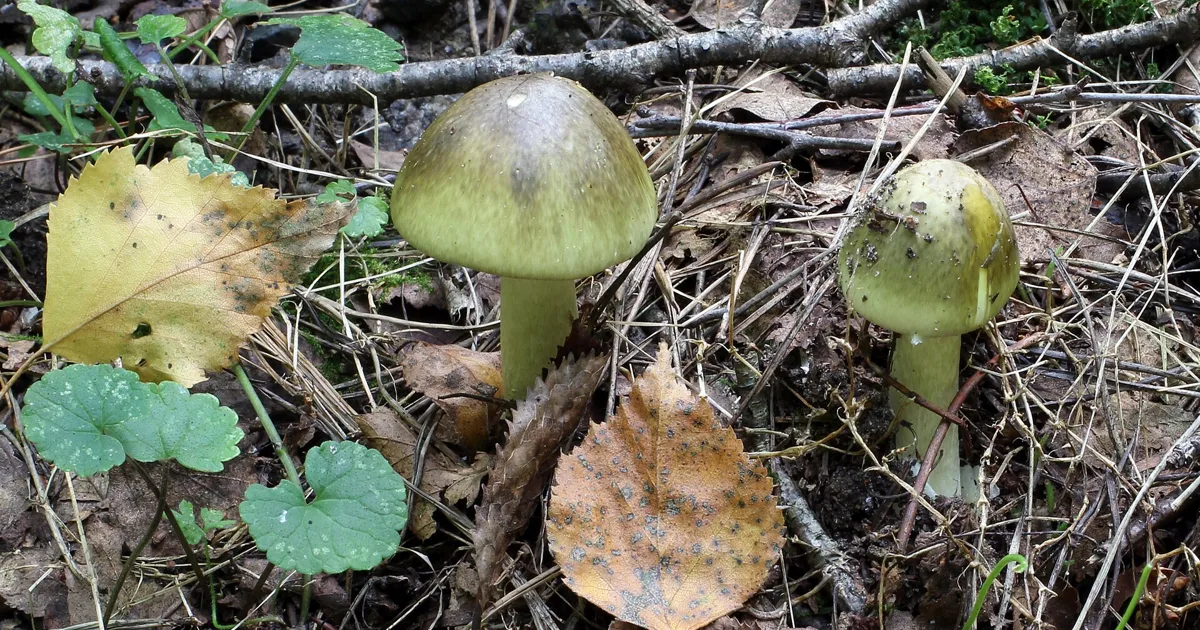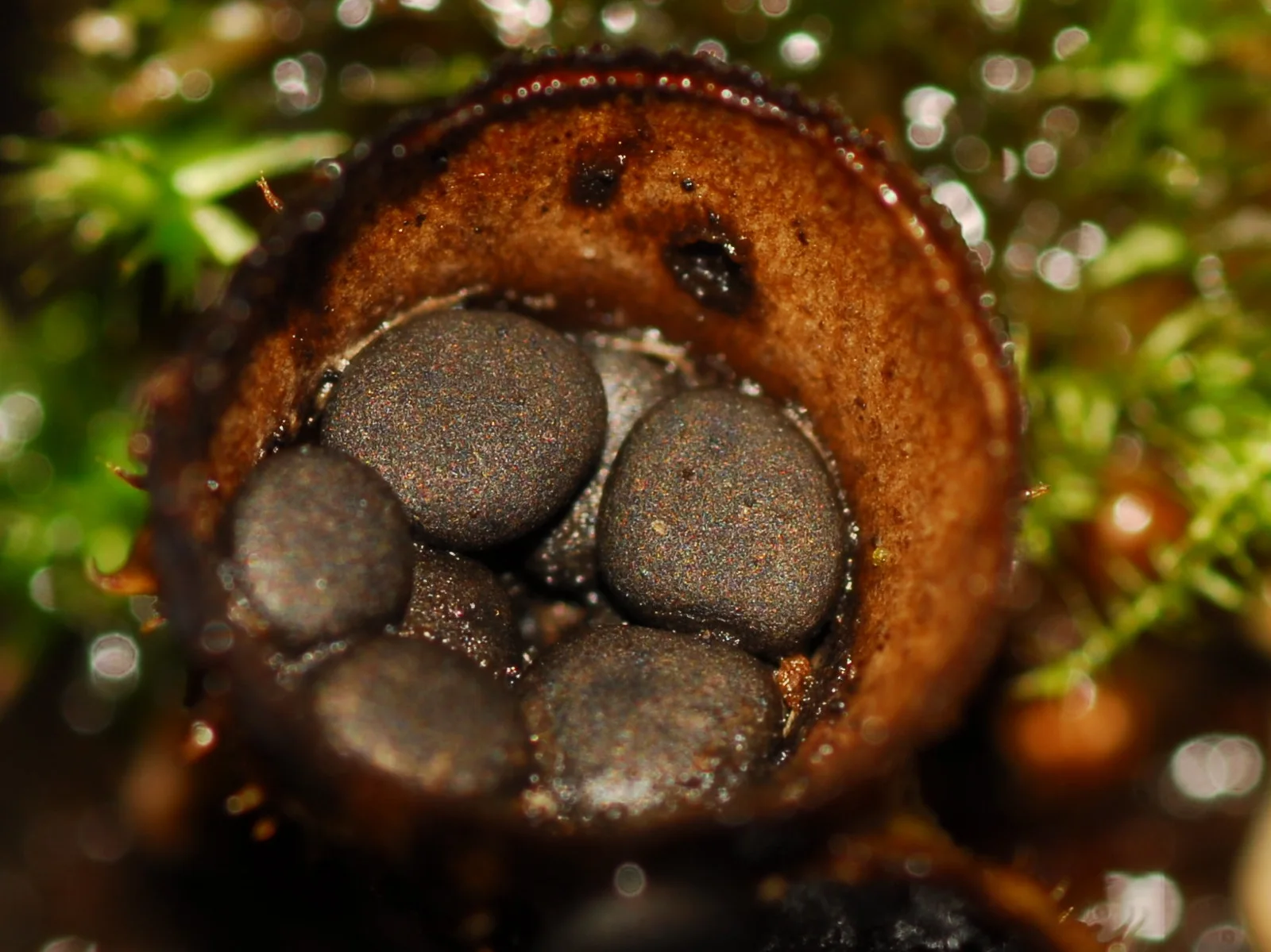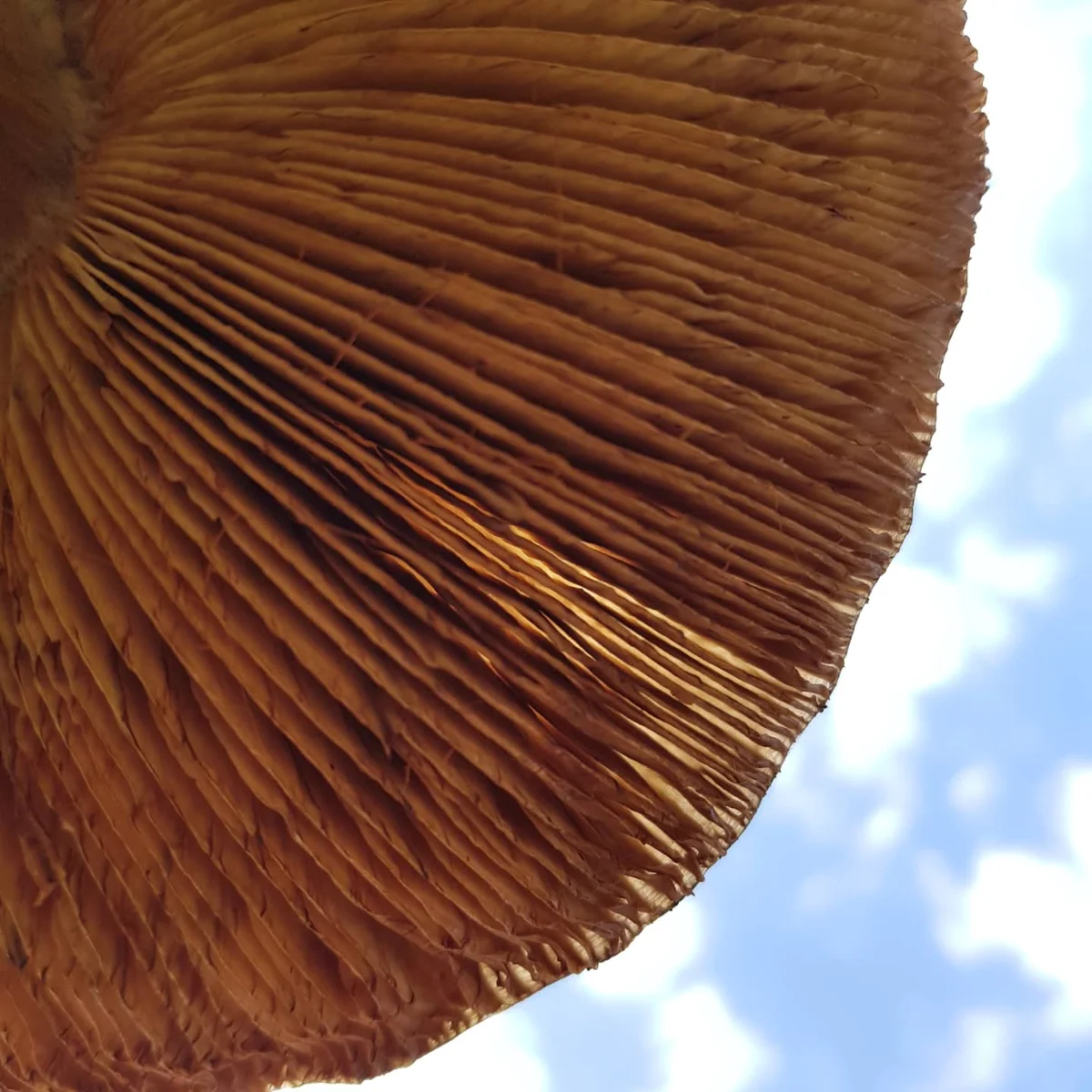
What is Mycology?
Mycology is the scientific study of fungi, a kingdom that includes yeasts, molds, and the familiar fruiting bodies we call mushrooms. Fungi play essential roles in ecosystems as decomposers, symbionts, and nutrient recyclers. They also provide food, medicine, and industrial materials. Understanding their life cycles, taxonomy, and ecological functions forms the backbone of any mushroom‑related endeavor, whether you are a hobbyist grower or a field forager.
Basic Mushroom Anatomy
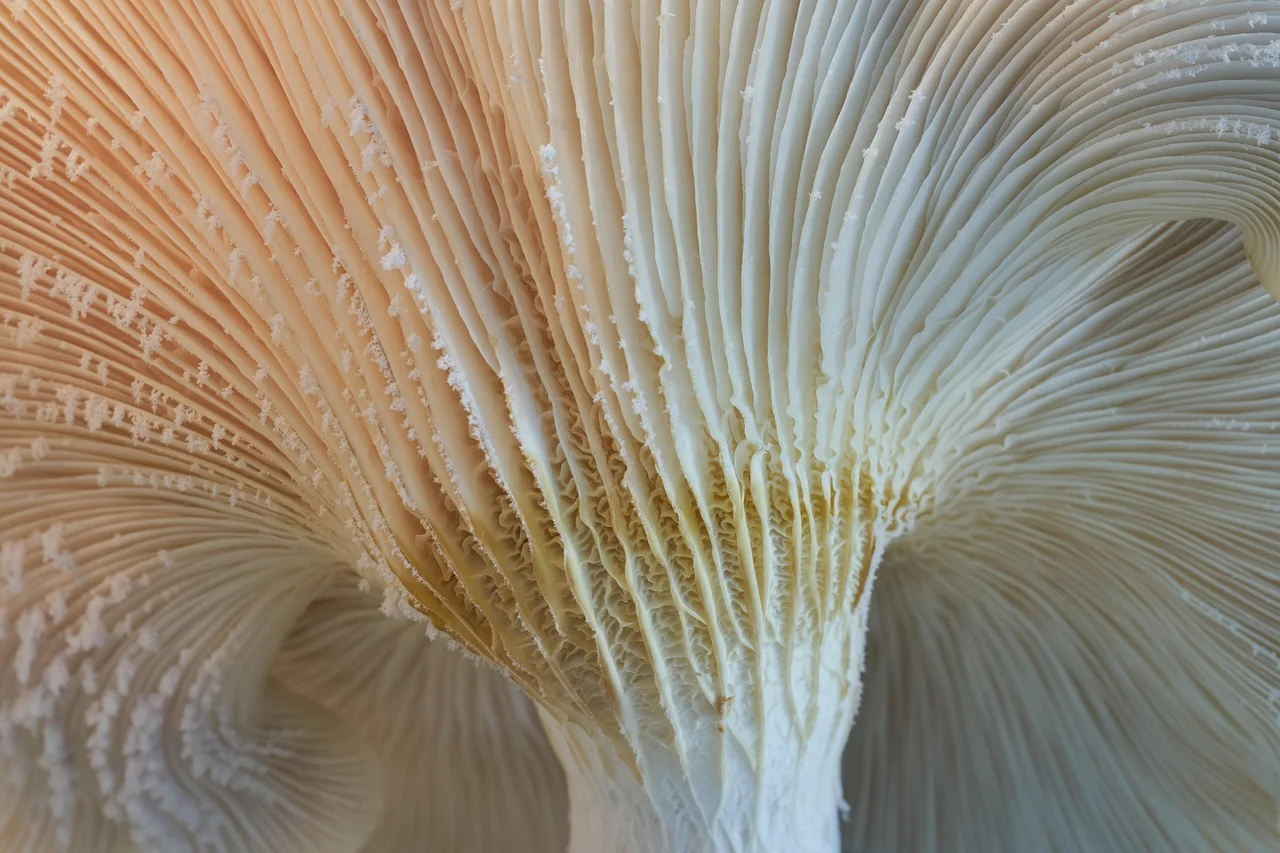
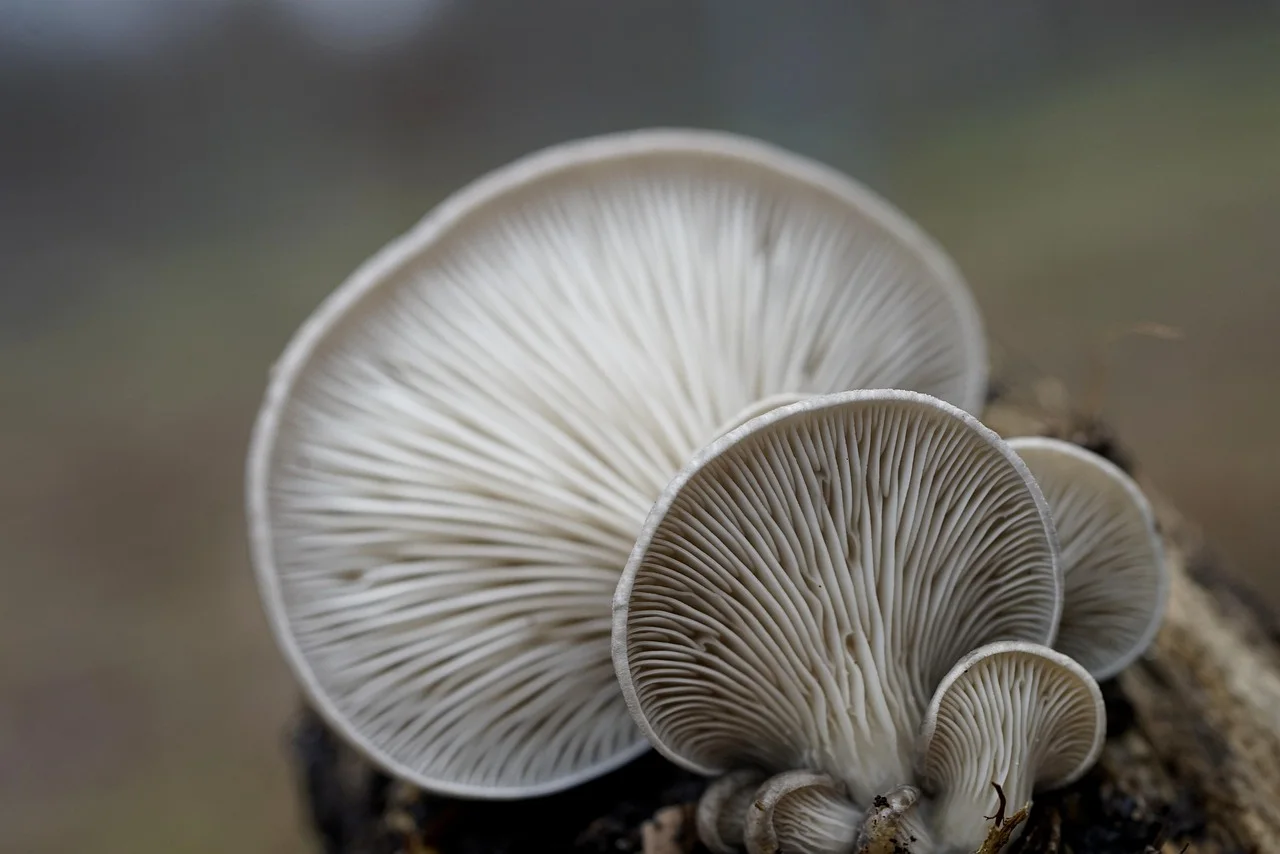
A typical mushroom consists of a cap (pileus), gills or pores underneath, a stem (stipe), and sometimes a volva at the base. The visible part is the fruiting body, which produces spores for reproduction. Below the surface, a network of mycelium spreads through the substrate, breaking down organic matter and absorbing nutrients. Recognizing these structures helps when identifying species in the wild or troubleshooting indoor cultivations.
Cultivation Fundamentals
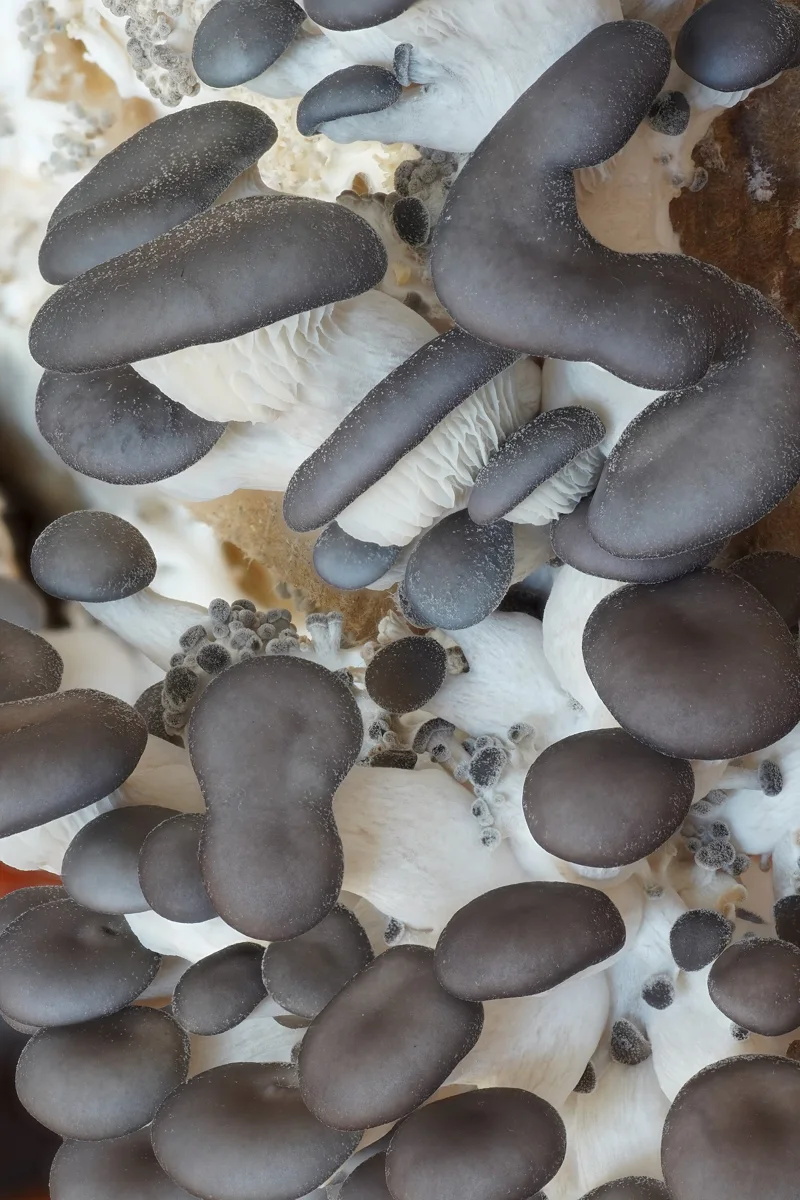
Growing mushrooms at home is surprisingly accessible. Most cultivated species, such as oyster and shiitake, thrive on sterile substrates like straw, sawdust, or hardwood logs. The process involves inoculating the substrate with spawn, maintaining proper temperature and humidity, and providing fresh air exchange during fruiting. For a deeper dive into a popular edible, check out our article on Oyster Mushrooms: Biology, Cultivation, and Uses, where you’ll find step‑by‑step growing methods, culinary ideas, and environmental benefits.
Foraging Basics and Safety
Foraging can be rewarding, but it carries significant risk if mushrooms are misidentified. Always carry a reliable field guide, use multiple identification features (cap shape, spore print color, habitat), and never rely on a single characteristic. When in doubt, leave the specimen behind. Professional mycologists stress that even experienced collectors can make mistakes, especially with look‑alikes in the Amanita genus.
Deadly Species to Know
Two of the most lethal mushrooms are the Destroying Angel and the Death Cap. Both belong to the white‑spored Amanita group and contain potent amatoxins that cause liver failure. Our detailed piece on Identifying the Deadly Destroying Angel Mushroom explains how to spot this species, its preferred forest habitats, and why it is so dangerous. Similarly, the article Understanding the Death Cap: Identification, Risks, and Safe Foraging Practices walks readers through spore‑print testing, habitat clues, and safe handling procedures.
Edible Gems and Their Stories
Beyond safety, many mushrooms offer rich flavors and cultural histories. Shiitake has been cultivated in East Asia for centuries; its smoky umami makes it a kitchen staple. Learn about its origins, growing techniques, and cooking tips in Shiitake Mushrooms: History, Cultivation, and Culinary Uses. Another fascinating species is Agaricus albolutescens, known for its amber‑staining flesh. Our write‑up Agaricus albolutescens: The Amber‑Staining Agaricus Explained details its appearance, taxonomy, and why it is considered a culinary curiosity.
Fun Phenomena: Fairy Rings and More
Mushrooms sometimes create striking natural patterns. Fairy rings are circular bands of mycelium that appear as rings of mushrooms or as grass discoloration. The article The Mystery of Fairy Rings: Nature’s Hidden Circles explores how these rings form, the species involved, and the folklore that surrounds them.
Emerging Research on Bioactive Mushrooms
Modern science is investigating how certain mushrooms may influence brain health, gut microbiota, and immune function. While findings are preliminary, a recent review of human trials on Lion’s Mane highlights potential cognitive benefits, though results vary and more research is needed. For a concise summary, see What Recent Human Trials Reveal About Lion’s Mane Benefits.
Connecting Mycology to Mars
At Mushroom 2 Mars, we apply mycological principles to develop resilient fungal habitats that could one day support life on the Red Planet. Understanding fungal biology, safe cultivation, and ecological interactions on Earth is the first step toward building sustainable ecosystems on Mars.
In this guide
- Ophiocordyceps sinensis: Biology, Harvest, and Conservation - Explore the high‑altitude fungus known as caterpillar fungus—its life cycle, traditional uses, safety concerns, and why it’s endangered.
- Mushroom Guides in Slovak Carpathian Folklore - Explore how the Carpathian mountains of Slovakia weave mushrooms into folk tales, guiding lost shepherds and shaping cultural heritage.
- Lingzhi: The Ancient “Mushroom of Immortality” and Its Modern Science - Explore the biology, history, cultivation, chemistry, and culinary uses of Lingzhi (Ganoderma sichuanense), the famed reishi mushroom treasu
- Lactifluus piperatus: The Peppery Milk‑Cap’s Biology, History, and Kitchen Use - Explore the peppery milk‑cap’s taxonomy, appearance, ecology, and safe culinary tricks, plus its role in forest food webs and mushroom lore.
- Alloclavaria purpurea: The Purple Fairy Club of North American Forests - Explore the purple fairy club fungus, its taxonomy, appearance, habitat, and culinary notes, and learn why it intrigues mycologists and spac
- Aleuria aurantia – The Bright Orange Peel Fungus Explained - Explore the biology, identification, habitat, culinary uses, and cultural history of Aleuria aurantia, the orange peel fungus, with tips for
- Agarikon: The Ancient Wood‑Decay Fungus Making a Comeback - Explore the biology, history, and conservation of Laricifomes officinalis—aka agarikon—its traditional uses, modern research, and why it mat
- Agaricus silvicola: The Woodland Agaric Explained - Discover the wood mushroom’s taxonomy, look‑alikes, habitat, edibility and how it fits into mushroom cultivation and future space farming.
- Mushrooms in Scottish Highland Folklore - Explore how mushrooms appear as characters and moral symbols in the traditional tales of the Scottish Highlands, revealing their cultural me
- Mushroom Legends of the Basque Country: Folklore, Names, and Traditions - Explore the rich Basque folklore surrounding mushrooms, from mythic tales and local names to seasonal customs that celebrate these hidden fo
- Low‑Cost DIY CO₂ Enrichment for Bigger Oyster Mushrooms - Learn how to build a cheap, controllable CO₂ system to accelerate growth and increase size of oyster mushroom crops, with step‑by‑step guida
- Inonotus obliquus (Chaga): Biology, Habitat, and Safe Home Use - Explore the biology, distribution, and traditional uses of the black‑sclerotium fungus chaga, and learn how to prepare it safely at home.
- Ganoderma tsugae: The Hemlock Varnish Shelf Mushroom Explained - Explore the biology, habitat, culinary potential, and emerging research on Ganoderma tsugae, the hemlock varnish shelf mushroom, and its rel
- Agaricus perobscurus – The Princess Mushroom Explained - Learn how to identify, grow, and enjoy Agaricus perobscurus, the “princess” mushroom, its ecology, culinary uses, and safety tips for forage
- Agaricus pattersoniae: The Cypress‑Associated Mushroom of California - Explore the taxonomy, appearance, habitat, edibility and conservation of Agaricus pattersoniae, a rare cypress‑linked mushroom found in Cali
- Agaricus cupreobrunneus: The Wet Mushroom Explained - Learn about the brown field mushroom’s appearance, habitat, edibility, and how it fits into mushroom foraging and future cultivation efforts
- Using Tree Stumps to Build a Low‑Maintenance Outdoor Shiitake Orchard - Learn how to spot suitable hardwood stumps, prep them, and inoculate with shiitake spawn for a long‑lasting, low‑maintenance mushroom garden
- Turning Fruit Scraps into Lion’s Mane Substrate - Learn how to repurpose apple peels, banana skins, and other fruit waste into a nutritious substrate for growing lion’s mane mushrooms at hom
- Mushroom Superstitions in Nepal’s and Bhutan’s High‑Altitude Villages - Explore the fascinating taboos, omens, and folk beliefs surrounding wild mushrooms in Himalayan village life, from protective charms to caut
- Low‑Tech Temperature Hacks for Year‑Round Outdoor Mushroom Gardens - Learn practical, low‑tech ways to keep your outdoor mushroom beds at the right temperature with mulch, shade cloths, windbreaks, and more.
- Ganoderma lucidum: Biology, Cultivation, and Cultural Significance - Explore the taxonomy, appearance, ecology, and cultivation of Ganoderma lucidum, the red reishi mushroom, and learn why it matters for scien
- Fomitopsis betulina: The Birch Bracket’s Life Cycle and Uses - Explore the biology, ecology, and traditional uses of the birch bracket fungus, Fomitopsis betulina, and its potential role in sustainable m
- Agaricus crocodilinus: The Crocodile‑Skin Mushroom Explained - Learn about the distinctive Agaricus crocodilinus, its taxonomy, appearance, habitat, edibility, and safety tips for mushroom enthusiasts.
- Agaricus brunneofibrillosus: The Dusky Mushroom of California’s Coast - Learn how to identify the dusky mushroom, Agaricus brunneofibrillosus, its habitat, look‑alikes, and safe culinary uses—all from California’
- Agaricus bernardii: The Salt‑Loving Mushroom Explained - Learn about Agaricus bernardii’s appearance, habitat, taxonomy, edibility and ecological traits—plus a simple recipe and its relevance to mu
- The Horse Mushroom (Agaricus arvensis): Identification, Habitat, and Cooking - Learn how to recognize the horse mushroom, where it grows, its culinary uses, and safety tips for foragers and chefs alike.
- Mushrooms in Religious Dietary Laws and Cultural Food Taboos - Explore how ancient religious codes and cultural traditions shaped the acceptance or avoidance of mushrooms across civilizations and eras.
- How to Make Classic Sautéed Mushrooms - Learn step‑by‑step how to prepare perfectly browned sautéed mushrooms, a versatile vegetarian side and garnish for many dishes.
- How to Choose and Prep Hardwood Logs for Shiitake Farming - Step‑by‑step guide to selecting the right hardwood, drilling, and inoculating logs with shiitake spawn for a successful home mushroom garden
- Ergot: The Parasitic Fungus Behind Historical Outbreaks and Modern Science - Explore the life cycle, impact, and legacy of ergot fungi, from rye fields to pharmaceutical research, in a friendly, fact‑based overview.
- Elaphomyces granulatus: The Hidden Truffle‑Like Fungus of Forest Floors - Explore the biology, distribution, cultural history, and scientific interest of Elaphomyces granulatus, a hypogeous fungus used in tradition
- Agaricus augustus: The Prince Mushroom’s Traits, Habitat, and Culinary Care - Explore the biology, distribution, and safe cooking tips for Agaricus augustus, the prized ‘prince’ mushroom that thrives in forests and gar
- Understanding Truffles: Biology, Varieties, and Culinary Uses - Explore the fascinating world of truffles—from their underground life as ectomycorrhizal fungi to the prized black, white, and seasonal vari
- Understanding Edible Mushrooms: Nutrition, Safety, and Cooking - Learn about edible mushrooms—their nutritional value, how to identify them safely, popular cultivated varieties, and simple cooking tips for
- The Dung‑Loving Bird’s Nest Fungus: Life, Structure, and Spore‑Shot Mechanics - Explore the biology of Cyathus stercoreus, its unique cup‑shaped fruiting bodies, light‑driven development, and ingenious water‑driven spore
- Mushroom Superstitions and Taboos in Rural Traditions - Explore the rich folklore surrounding mushrooms—omens, curses, and protective rituals that have guided rural communities for centuries.
- From Autumn Fairs to Global Gatherings: The Story of Mushroom Festivals - Explore how mushroom festivals emerged across continents, reflecting local traditions, culinary heritage, and the growing love for fungi.
- Auricularia auricula‑judae: The Jelly Ear’s History, Biology, and Kitchen Use - Explore the wood ear fungus—its taxonomy, folklore, appearance, safe cooking tips, and role in cultivation—while looking toward its future o
- Seasonal Calendar for Outdoor Mushroom Beds: A Month‑by‑Month Guide - Learn the step‑by‑step seasonal schedule for planting, caring for, and harvesting outdoor mushroom beds, from spring inoculation to fall har
- Pleurotus ostreatus: The Versatile Oyster Mushroom - Explore the biology, ecology, culinary uses, and innovative applications of Pleurotus ostreatus, the oyster mushroom beloved by growers and
- How to Make Classic Cream of Mushroom Soup at Home - Learn the history, technique, and a step‑by‑step recipe for classic cream of mushroom soup, a versatile comfort food and casserole base.
- How Reishi Mushroom May Influence Sleep Quality - A review of scientific studies on Ganoderma lucidum (reishi) and its potential effects on sleep, with practical tips and safety notes.
- Cremini Mushrooms: From Field to Table and Beyond - Explore the biology, cultivation, culinary uses, and safety tips for cremini mushrooms, the versatile brown button of the Agaricus bisporus
- Astraeus hygrometricus: The Hygroscopic Earthstar Explained - Explore the biology, taxonomy, ecology, and culinary uses of Astraeus hygrometricus, the hygroscopic earthstar, and its relevance to mushroo
- What Recent Human Trials Reveal About Lion’s Mane Benefits - A clear overview of the newest clinical studies on lion’s mane mushroom, covering cognition, gut health, and safety for everyday readers.
- Understanding the Death Cap: Identification, Risks, and Safe Foraging Practices - Learn how to spot the deadly Amanita phalloides, why it’s so toxic, and how to avoid accidental poisoning while foraging responsibly.
- The Mystery of Fairy Rings: Nature’s Hidden Circles - Explore how fairy rings form, their ecological impact, folklore, and the mushroom species that create these enchanting circles in forests an
- Shiitake Mushrooms: History, Cultivation, and Culinary Uses - Explore the origins, growing methods, nutrition, and cooking ideas for shiitake mushrooms, the versatile Asian staple now cultivated worldwi
- Identifying the Deadly Destroying Angel Mushroom - Learn how to recognize the lethal white Amanita species, understand its habitat and toxicity, and stay safe while foraging.
- Agaricus albolutescens: The Amber‑Staining Agaricus Explained - Discover the appearance, taxonomy, and culinary considerations of Agaricus albolutescens, the amber‑staining agaricus, and how it differs fr
- Oyster Mushrooms: Biology, Cultivation, and Uses - Explore the fascinating biology, growing methods, culinary uses, and environmental benefits of oyster mushrooms, the versatile Pleurotus spe
Sources
This article is not a foraging or identification guide. Many edible mushrooms have deadly look-alikes. Never eat a wild mushroom unless an expert has identified it in person.
This article was prepared with AI assistance from the sources listed above and approved by the Mushroom 2 Mars team before publication.