Part of the guide: Mycology: A Complete Guide to Fungi, Cultivation, and Safety
Appearance and Key Identification Features
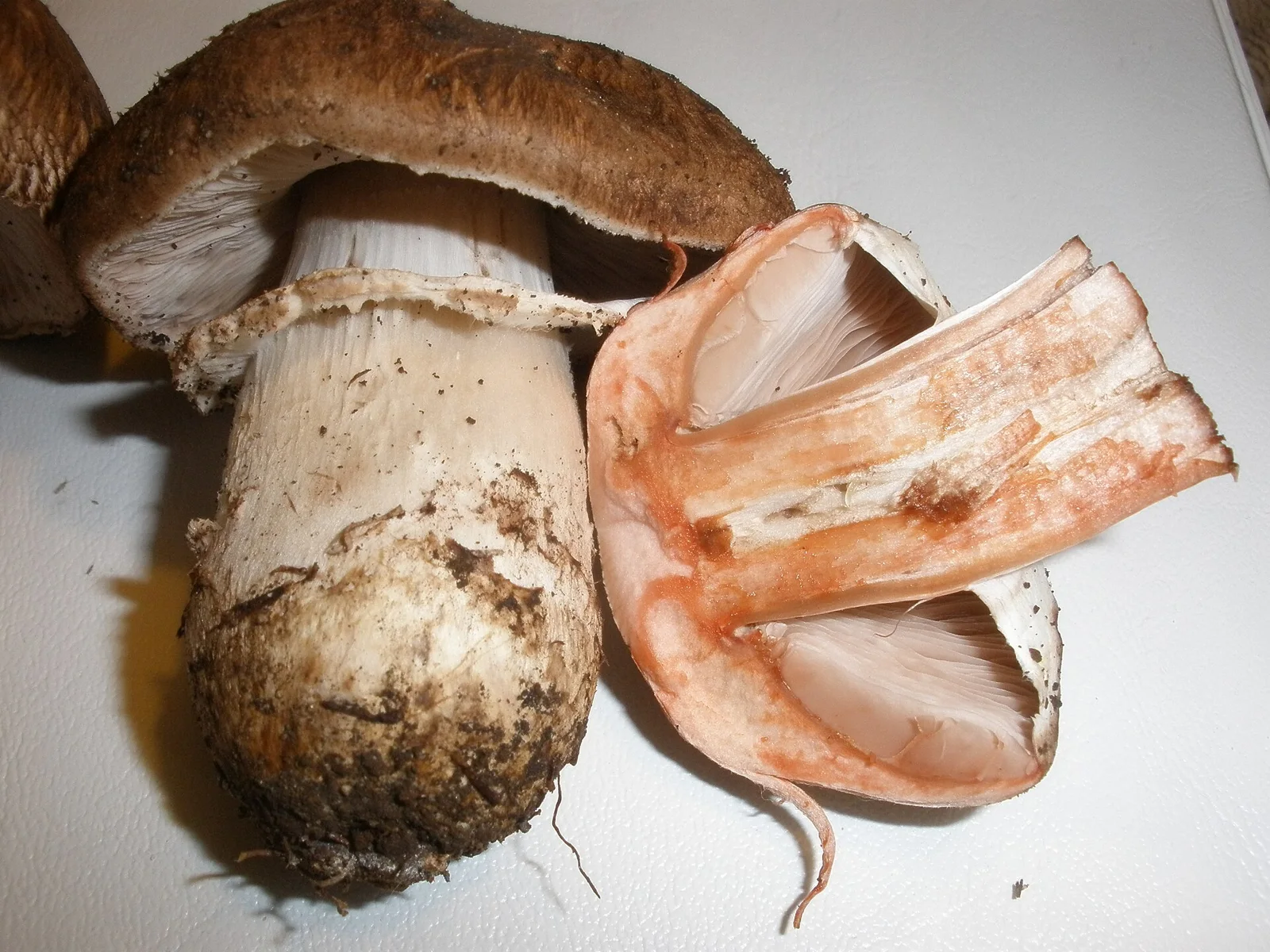
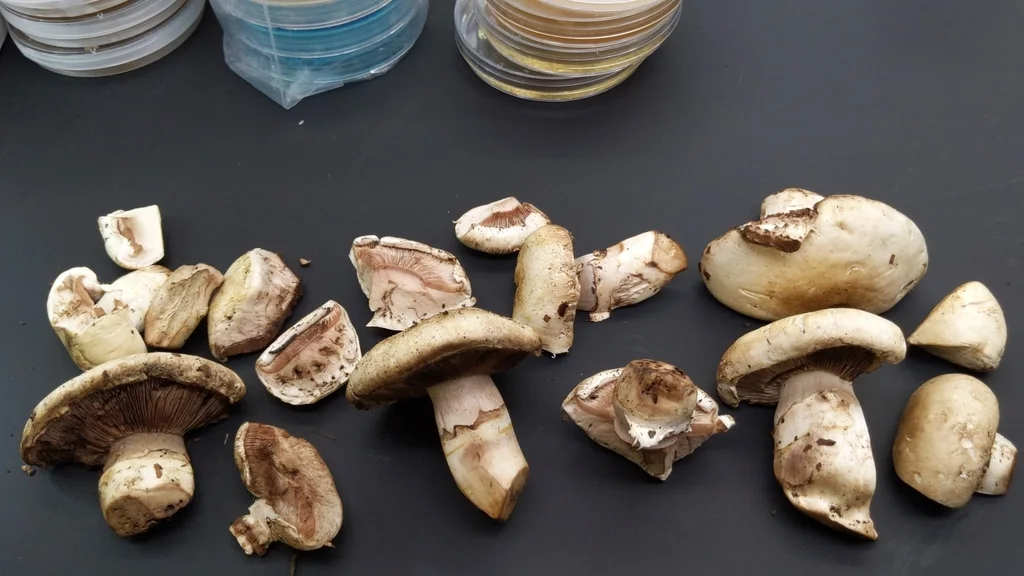
Agaricus perobscurus, often called the princess mushroom, is a striking edible basidiomycete. The cap measures roughly 8–12 cm across, starting deeply convex and flattening with age. Its surface is dry and features a uniformly dark‑brown disc that may be slightly depressed. Toward the edge the color diffuses into a lighter, pallid ground, and the margin transitions from incurved when young to straight or slightly raised in maturity. When bruised, the cap cuticle slowly turns a tawny‑brown, and a drop of potassium hydroxide (KOH) will produce a yellow reaction – a useful field test for experienced mycologists.
The flesh is white, soft, and up to 1.5 cm thick. Cutting or handling may cause the tissue to shift from cream to a faint tawny hue. A characteristic anise‑like aroma distinguishes it from many relatives. The gills are free, fairly broad, and shift from whitish in youth to a dark brown‑black as spores mature. Spores themselves are smooth, thick‑walled, ellipsoid (6.5–8 µm × 4.5–5 µm), and leave a blackish‑brown print.
The stipe ranges 6–12 cm long and 1.5–2 cm thick, often tapering to a bulbous base. Early in development the lower stipe bears scattered, appressed fibrillose scales; the base slowly stains a dull orange‑brown when handled. A thin, pendulous annulus hangs from the stipe, and a membranous partial veil with tiny brown scales is present near the cap margin.
Distinguishing the Princess from Look‑Alikes
Two species are most often confused with A. perobscurus:
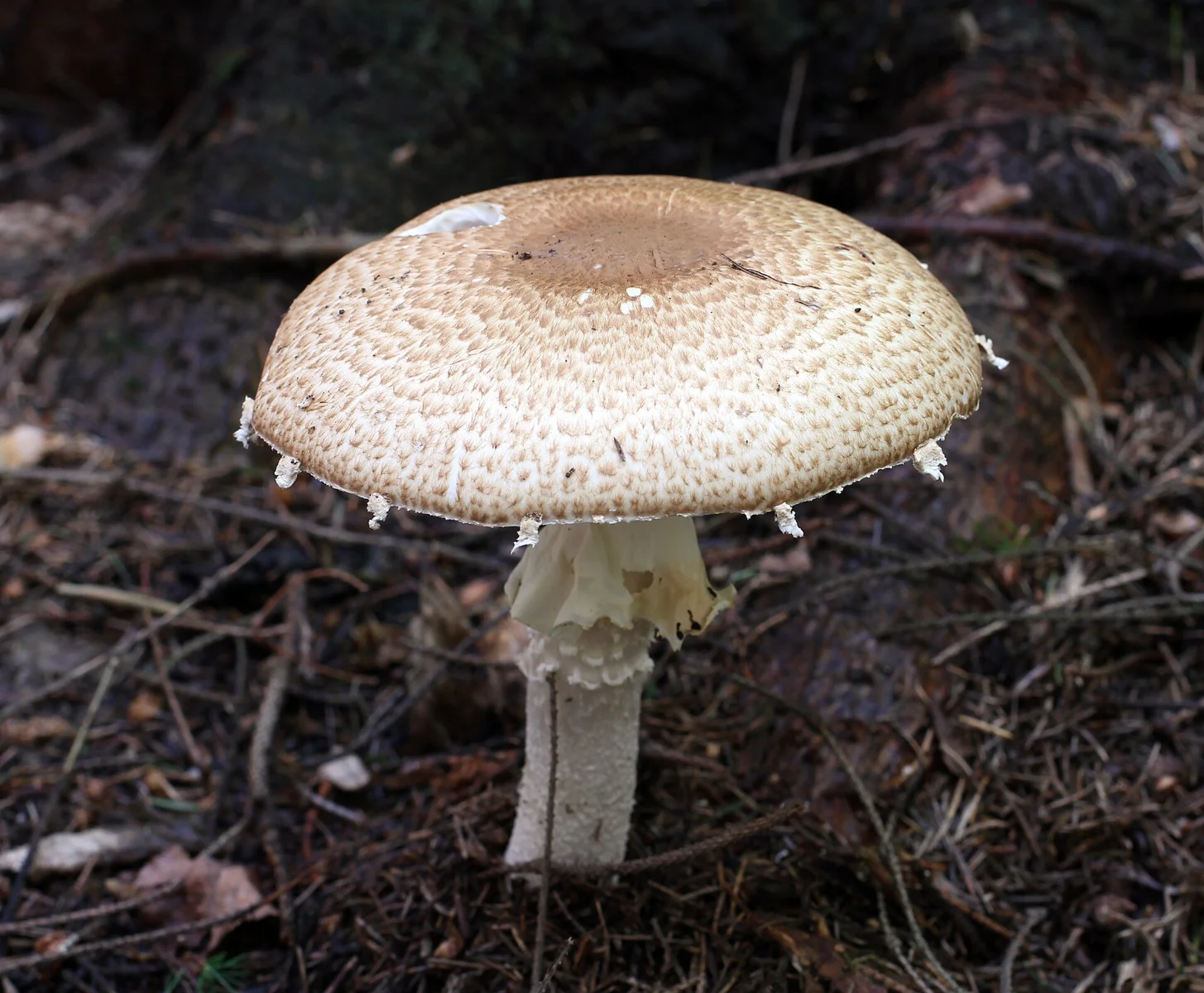
- Agaricus augustus – the “prince” mushroom, common across North America. It shares a large size but typically has a lighter‑brown cap, a smoother stipe surface in youth, and fruits in a slightly different seasonal window.
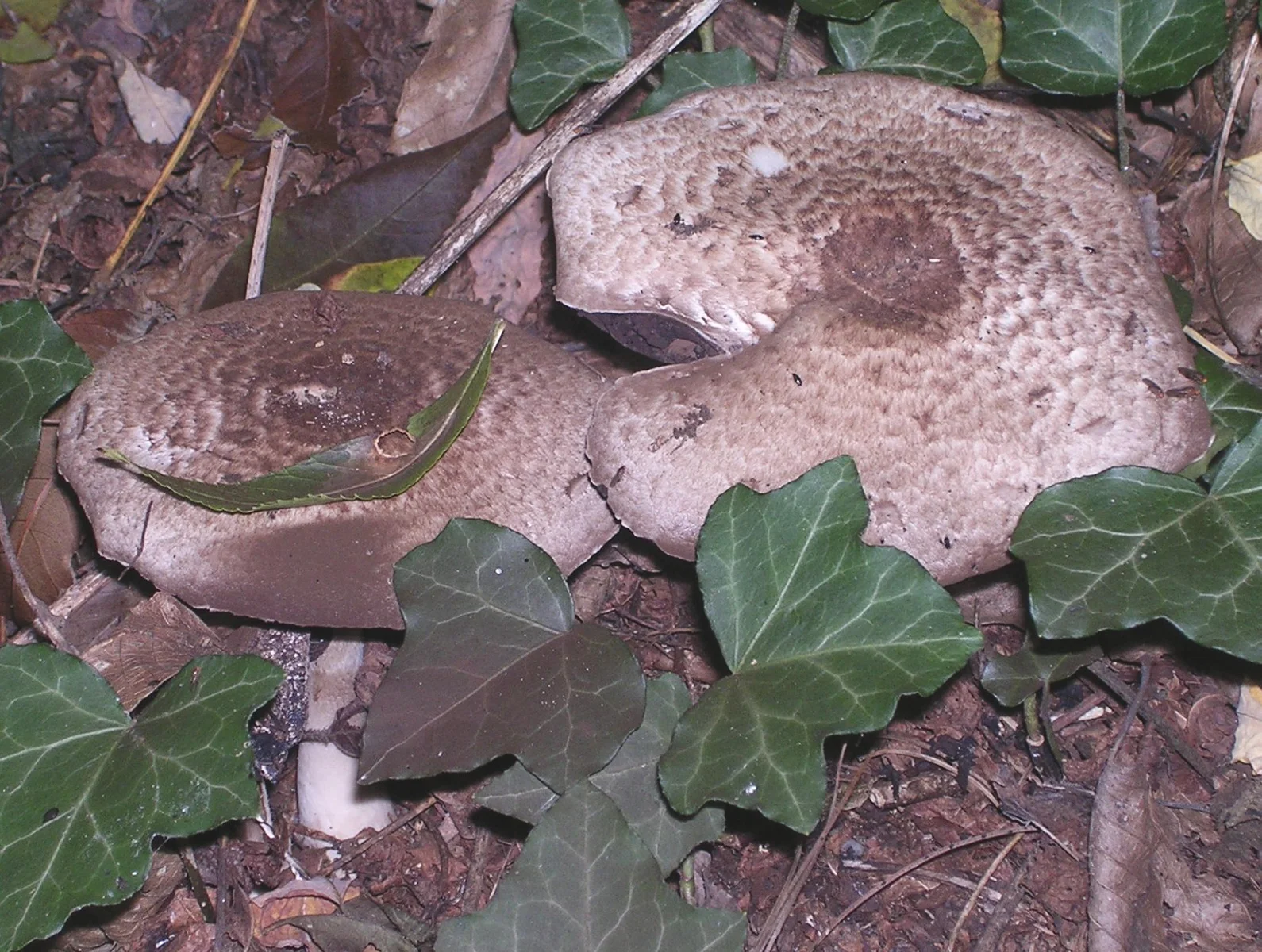
- Agaricus praeclaresquamosus – a toxic relative. Its cap leans toward dark‑grey, the odor is phenolic rather than anise‑like, and the stipe base yellows immediately upon injury. Because toxicity can be severe, accurate identification is essential; never rely on a single characteristic.
When in doubt, consult multiple features (cap color, odor, bruising reaction, spore print) and consider seeking expert verification before consuming any wild mushroom.
Habitat, Season, and Distribution
The princess prefers the mild, moist winters of the West Coast of North America. It commonly appears mid‑ to late‑winter in urban parks and woodland edges where conifers such as Monterey cypress (Cupressus macrocarpa), Monterey pine (Pinus radiata), and eucalyptus (Eucalyptus spp.) provide shade and leaf litter. Small, solitary fruiting bodies or modest clusters are typical, especially in the San Francisco Bay Area.
Because it thrives in landscaped settings, the mushroom can be encountered near trails, playgrounds, and residential green spaces. However, the same urban environments can expose foragers to pollutants; proper washing and cooking are recommended.
Culinary Qualities and Simple Preparation
A. perobscurus is classified as a choice edible, prized for its firm texture and subtle anise flavor. When cooking, treat it like other cultivated Agaricus species:
- Cleaning – Gently brush off soil with a soft brush or damp cloth. Avoid soaking, which can leach flavor.
- Slicing – Cut caps into ½‑inch slices; the stipe can be sliced similarly after trimming any tough base.
- Sautéing – Heat a tablespoon of neutral oil over medium heat. Add mushrooms, stirring occasionally, until they release moisture and turn golden (about 5‑7 minutes). A pinch of salt enhances umami.
- Finishing – Finish with a splash of white wine or vegetable broth, a sprinkle of fresh herbs (parsley or thyme), and a drizzle of lemon juice for brightness.
The anise note pairs well with creamy sauces, risottos, or as a topping for vegan pizza. As always, cook mushrooms thoroughly to break down any heat‑sensitive compounds and to improve digestibility.
Cultivation Possibilities for Home Growers
While A. perobscurus is primarily a wild species, its ecological preferences suggest it can be cultivated with a substrate rich in hardwood sawdust and supplemented with a modest amount of conifer mulch. A typical indoor cultivation cycle would involve:
- Spawn preparation – Use sterile grain spawn inoculated with A. perobscurus mycelium (available from specialty suppliers).
- Substrate formulation – Mix hardwood sawdust (70 %), wheat bran (20 %), and a small proportion of shredded pine bark (10 %). Adjust moisture to 60‑65 %.
- Incubation – Keep the inoculated substrate at 24‑27 °C in darkness for 2‑3 weeks until fully colonized.
- Fruit initiation – Lower temperature to 15‑18 °C, increase fresh‑air exchange, and introduce a 12‑hour light cycle. Maintain high humidity (85‑95 %).
- Harvest – Mushrooms appear within 7‑14 days after fruiting conditions are set; harvest when caps are still slightly convex for optimal texture.
Successful cultivation not only provides a reliable food source but also reduces pressure on wild populations.
Safety and Ethical Foraging
Even though the princess is edible, responsible foraging is crucial. Always:
- Verify identification using multiple traits; never rely solely on a single characteristic.
- Avoid collecting from polluted soils, near roads, or in areas with heavy pesticide use.
- Limit harvest to no more than 10 % of a local population to preserve ecological balance.
- Use a reliable field guide or consult local mycological societies for confirmation.
If any doubt remains, it is safest to leave the mushroom in place.
From Earth to Mars: A Glimpse Ahead
Mushrooms like Agaricus perobscurus are being studied for their potential to support closed‑loop life‑support systems on future Mars habitats. Their ability to convert organic waste into nutritious food makes them a promising candidate for sustainable space agriculture.
Sources
This guide is not a foraging or identification manual. Many edible mushrooms have toxic look-alikes. Never eat a wild mushroom unless an expert has identified it in person.
This article was prepared with AI assistance from the sources listed above and approved by the Mushroom 2 Mars team before publication.