What Is a Chasma?
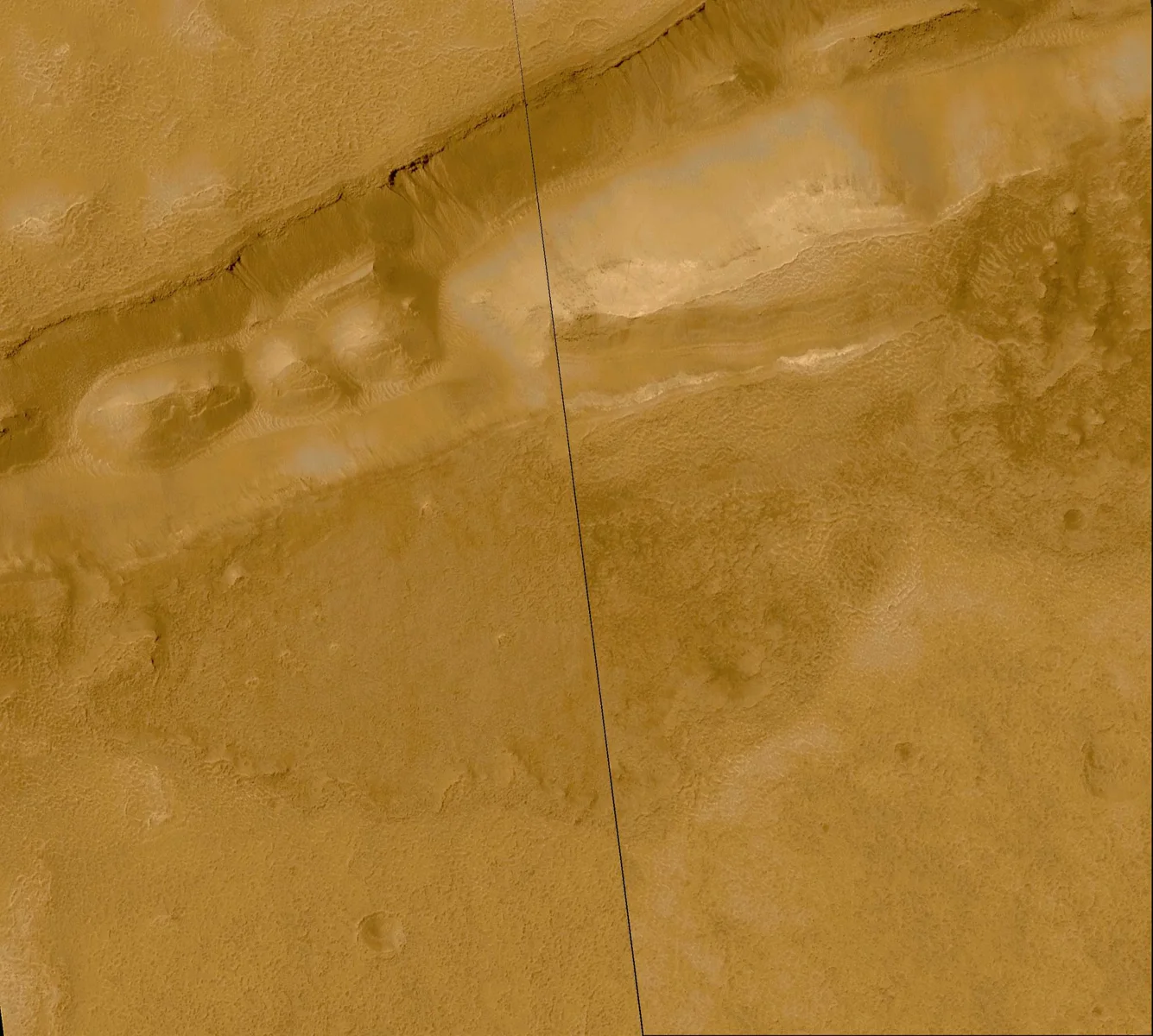
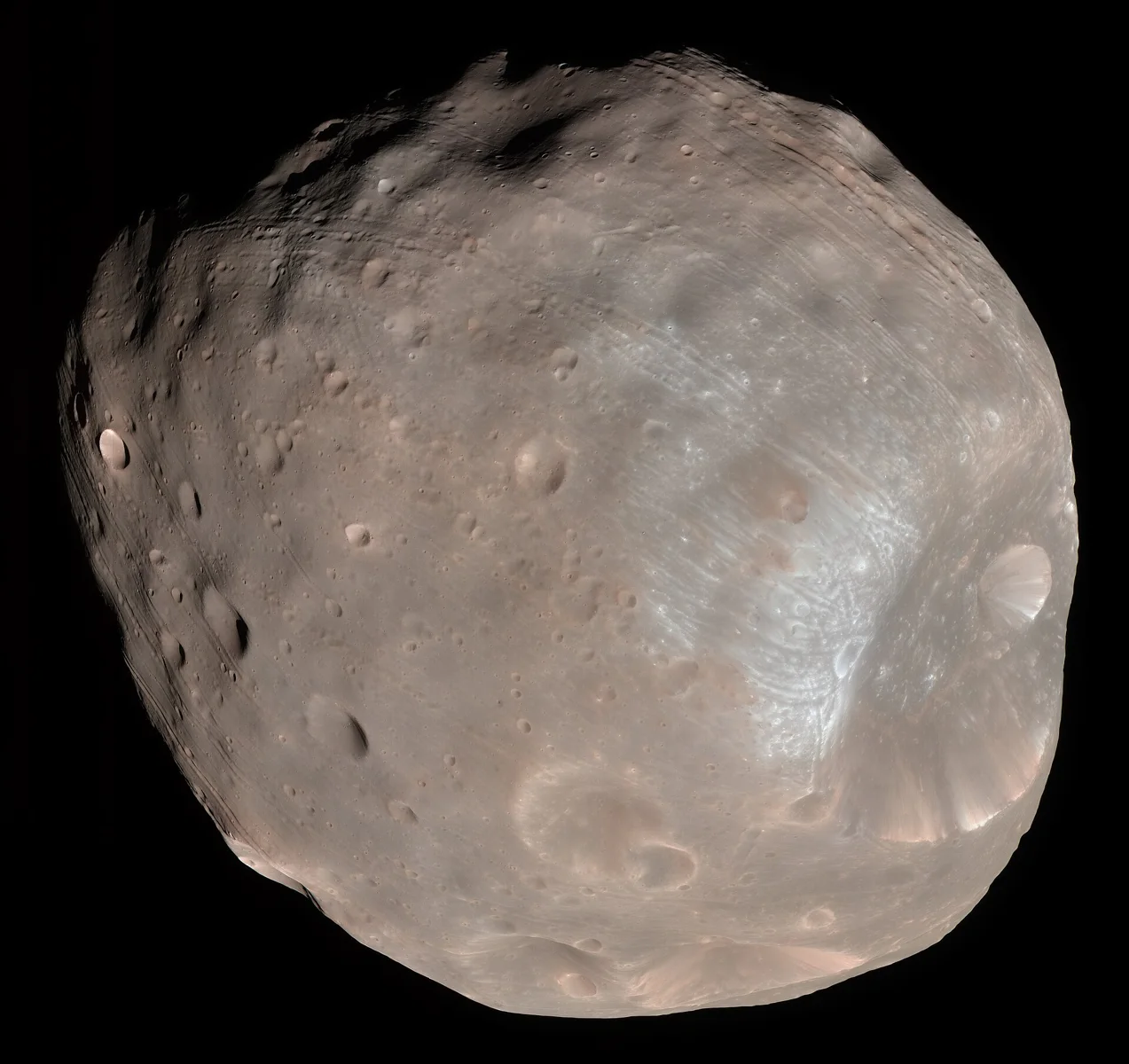
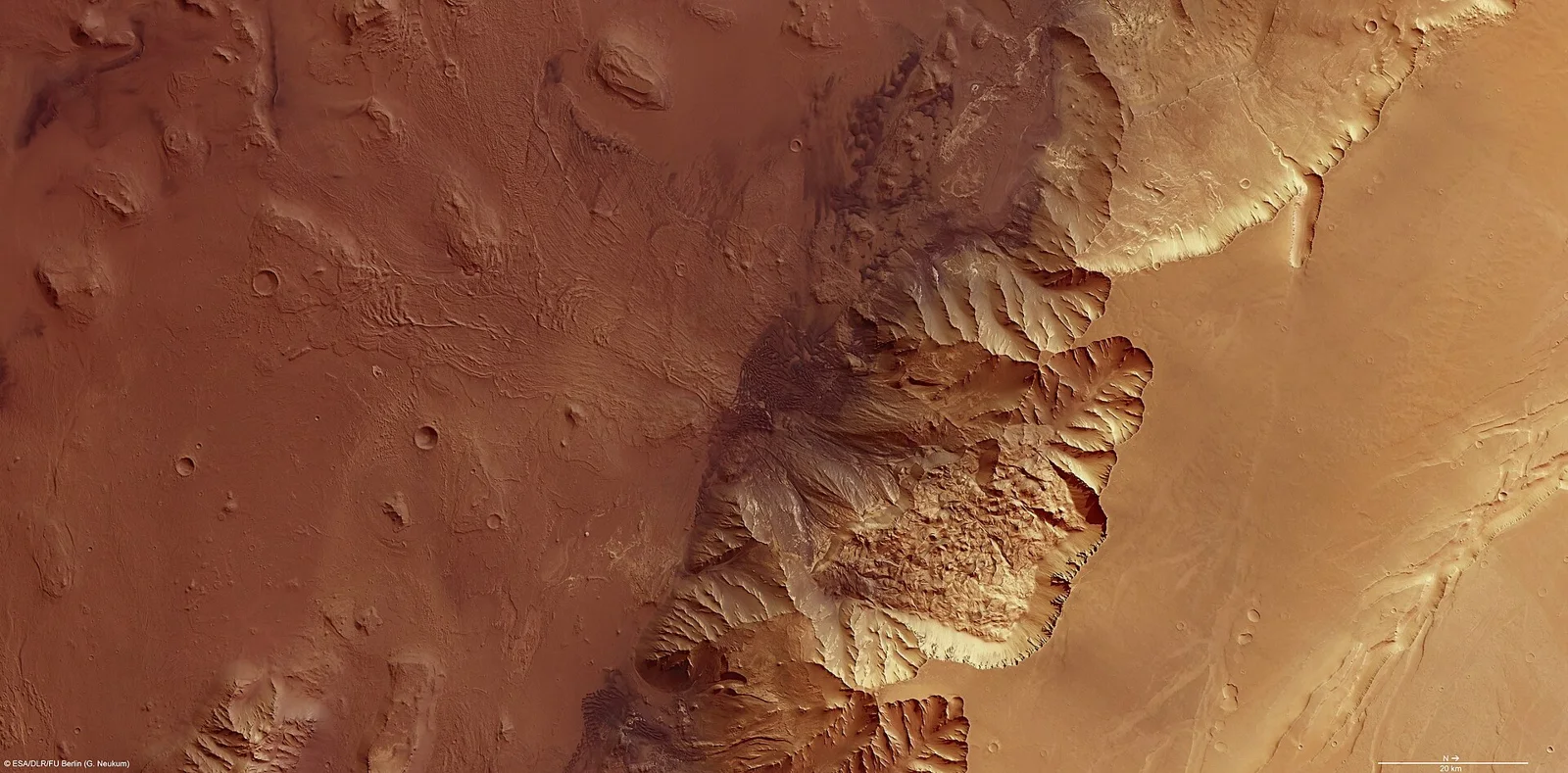
A chasma (plural: chasmata) is a steep‑sided, elongated depression that cuts through a planetary surface. The International Astronomical Union (IAU) has catalogued more than a hundred chasmata across the Solar System, from Venus to Pluto’s moon Charon. On Mars, 25 such features punctuate the landscape, the most famous being the sprawling Valles Marineris system, which includes individual canyons like Eos, Candor, Ganges, and Coprates.
The Grand Scale of Martian Canyons
Mars’ chasmata dwarf Earth’s Grand Canyon. Valles Marineris stretches over 4,000 km, reaches depths of up to 7 km, and is up to 200 km wide in places. Individual segments—such as Candor Chasma and Ganges Chasma—form distinct valleys with their own geological signatures. Satellite maps show these canyons snaking across the Tharsis region, a massive volcanic plateau that helped shape their formation through tectonic stretching and faulting.
Layered Deposits: A Record of Changing Environments
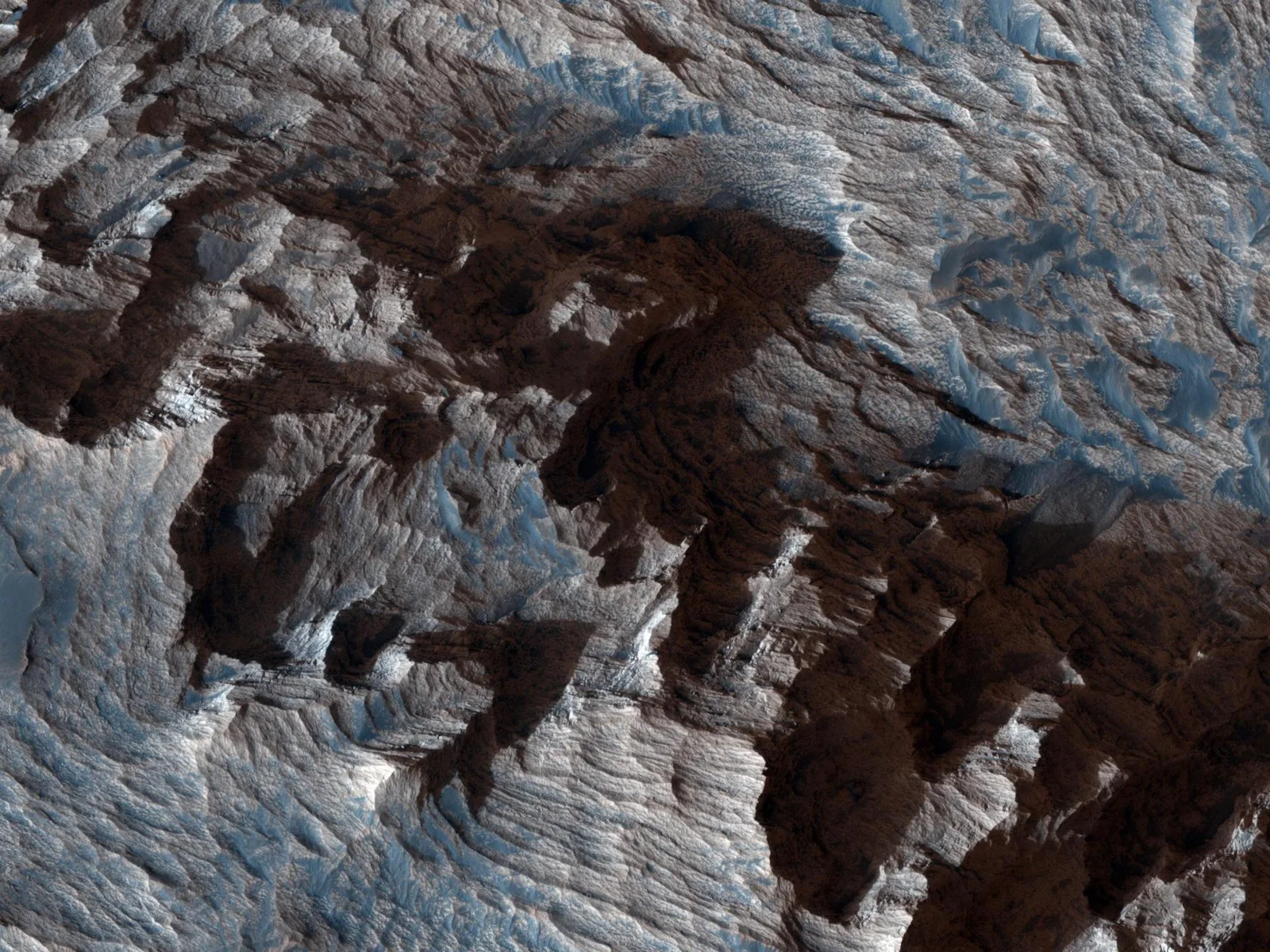
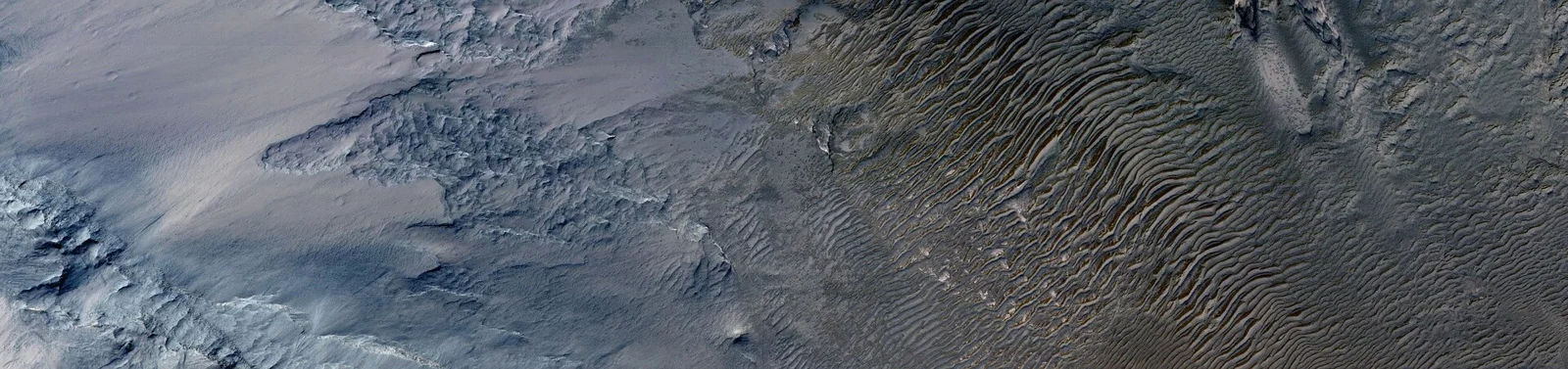
One of the most striking features of Martian chasmata is the visible layering on canyon walls. High‑resolution images from HiRISE and the Mars Global Surveyor reveal alternating light‑toned and dark‑toned strata. Dark layers often correspond to basaltic lava flows, reflecting the planet’s volcanic past. Light‑toned layers may be the product of ancient rivers, lakes, wind‑blown sand, or volcanic ash that settled after eruptions.
In Candor Chasma, scientists have identified interior layered deposits (ILDs) that could represent sediments from a once‑vast lake that filled the canyon floor. The presence of such lake‑derived deposits suggests that water once pooled in these deep basins for extended periods, allowing fine particles to settle in distinct layers.
Hydrated Minerals and Sulfates: Water’s Chemical Signature
Several chasmata host hydrated mineral deposits, especially sulfates like epsomite (magnesium sulfate) and kieserite (magnesium hydrogen sulfate). The European Space Agency’s Mars Express orbiter detected these minerals, which form only in the presence of liquid water. Hebes Chasma, an enclosed valley, shows abundant hydrated minerals and Light‑Toned Deposits (LTDs) that may have been created by episodic groundwater upwellings.
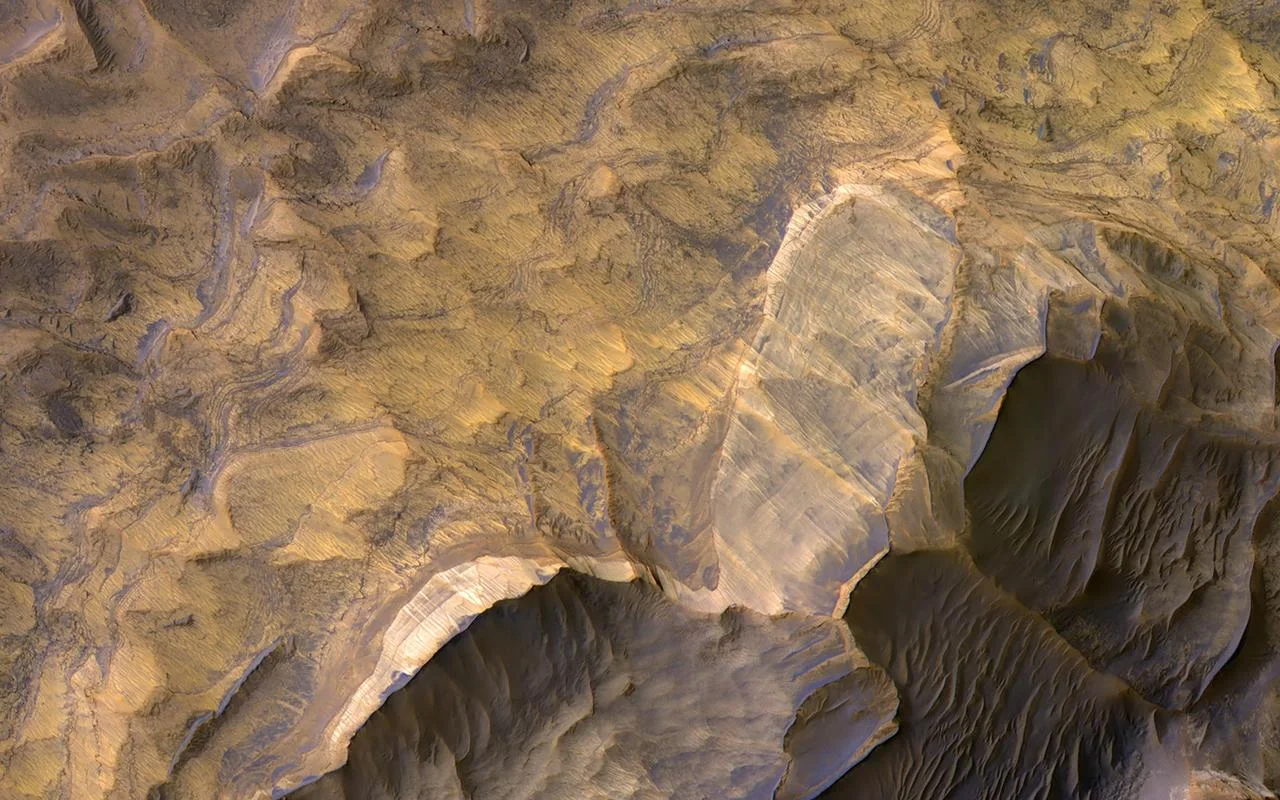
Sulfate‑rich rocks are of particular interest because they can trap and preserve organic molecules. Rovers that have sampled sulfate‑bearing rocks on the Martian surface have found trace amounts of ancient water‑related chemistry, hinting at environments that could have supported microbial life.
Volcanic Influence: Lava Flows and Ash Layers
The proximity of many chasmata to the Tharsis volcanic region means that volcanic activity has left a strong imprint on their walls. Dark, basaltic layers likely represent successive lava flows that built up over millions of years. Interbedded ash layers, lofted by explosive eruptions, add a finer, lighter‑colored component to the stratigraphy. Together, these layers provide a timeline of volcanic and sedimentary processes that shaped the Martian crust.
Why Chasmata Matter to Future Exploration
Robotic missions are keen to investigate chasmata because they expose deep geological sections that are otherwise hidden beneath the surface. The combination of layered sediments, hydrated sulfates, and potential ancient lake deposits makes these canyons prime targets for searching for biosignatures. Future rovers equipped with drilling tools could sample the interior layered deposits, testing for organic compounds or microfossil structures preserved in the rock.
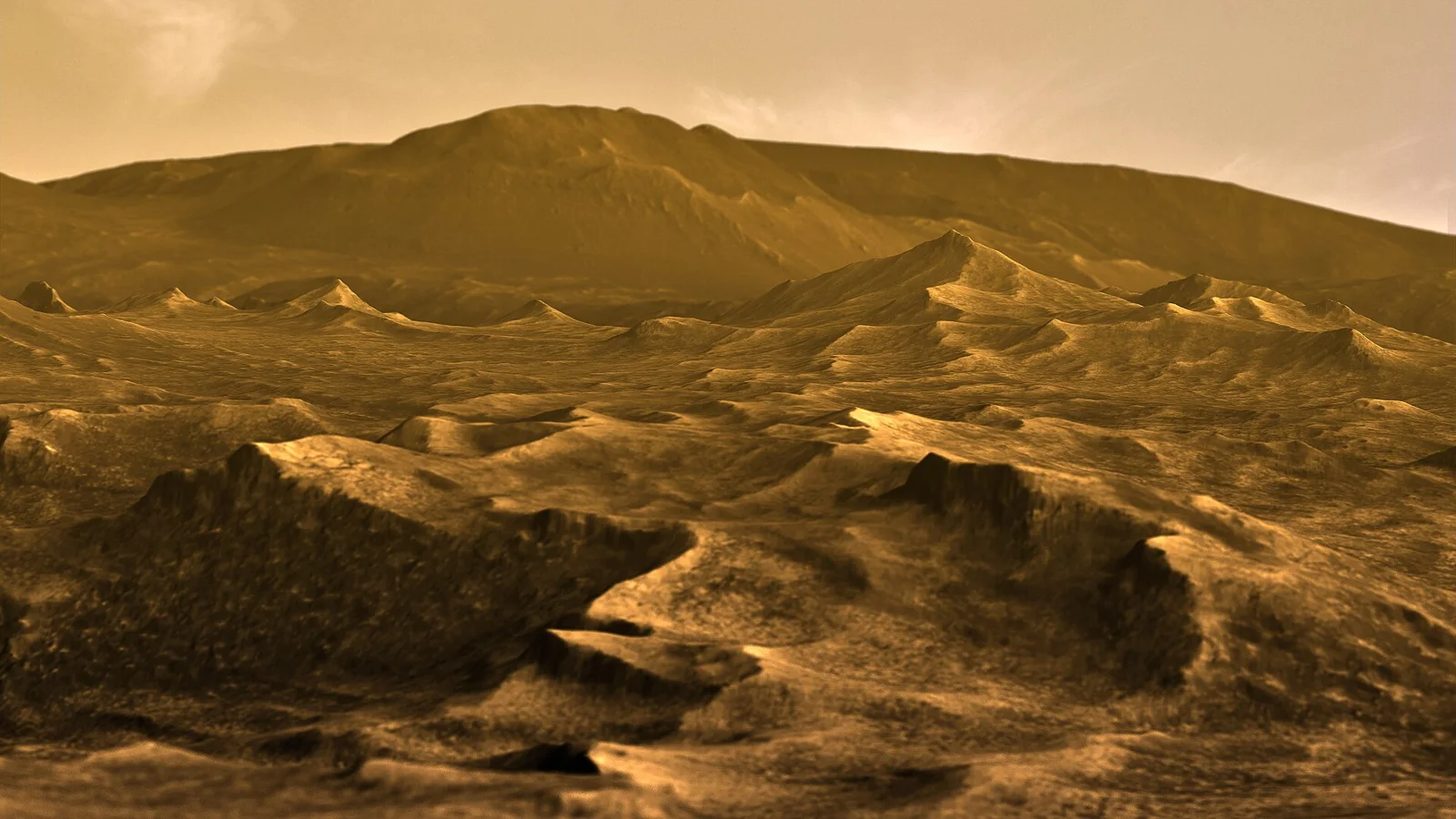
For the broader scientific community, each chasma acts like a natural laboratory, offering a cross‑section of Mars’ climate history—from wet, possibly habitable episodes to arid, volcanic dominance. Understanding these transitions helps refine models of how Mars evolved from a warmer, wetter world to the cold desert we see today.
From Earth’s Canyons to Martian Gardens
While the Mushroom 2 Mars project focuses on cultivating fungi in controlled habitats, the geology of chasmata provides inspiration for future bio‑engineered ecosystems. The layered deposits and mineral-rich environments could inform the design of substrate mixes for mushroom cultivation on Mars—leveraging basaltic rock, sulfate minerals, and volcanic ash analogs to create nutrient‑dense growth media. As we look toward building sustainable life‑support systems on the Red Planet, the ancient canyons of Mars may guide both scientific inquiry and agricultural innovation.
The story of Martian chasmata reminds us that even the deepest scars on a planet can hold clues to its most hospitable past—an encouraging thought for anyone dreaming of growing mushrooms under a Martian sky.
Sources
This article was prepared with AI assistance from the sources listed above and approved by the Mushroom 2 Mars team before publication.