Ancient Water and Early Mars Climate
Mars likely hosted much more water billions of years ago. Before about 3.8 billion years ago, the planet may have had a thicker atmosphere and warmer surface, allowing liquid water to flow across vast areas. Geological features such as outflow channels, river valleys, deltas, and lakebeds suggest a large ocean could have covered roughly one‑third of the planet. The ancient lakebed in Gale Crater, studied by the Curiosity rover, preserves sediments that point to a freshwater environment that might once have been habitable for microbes.
Modern Ice: Polar Caps and Mid‑Latitude Deposits
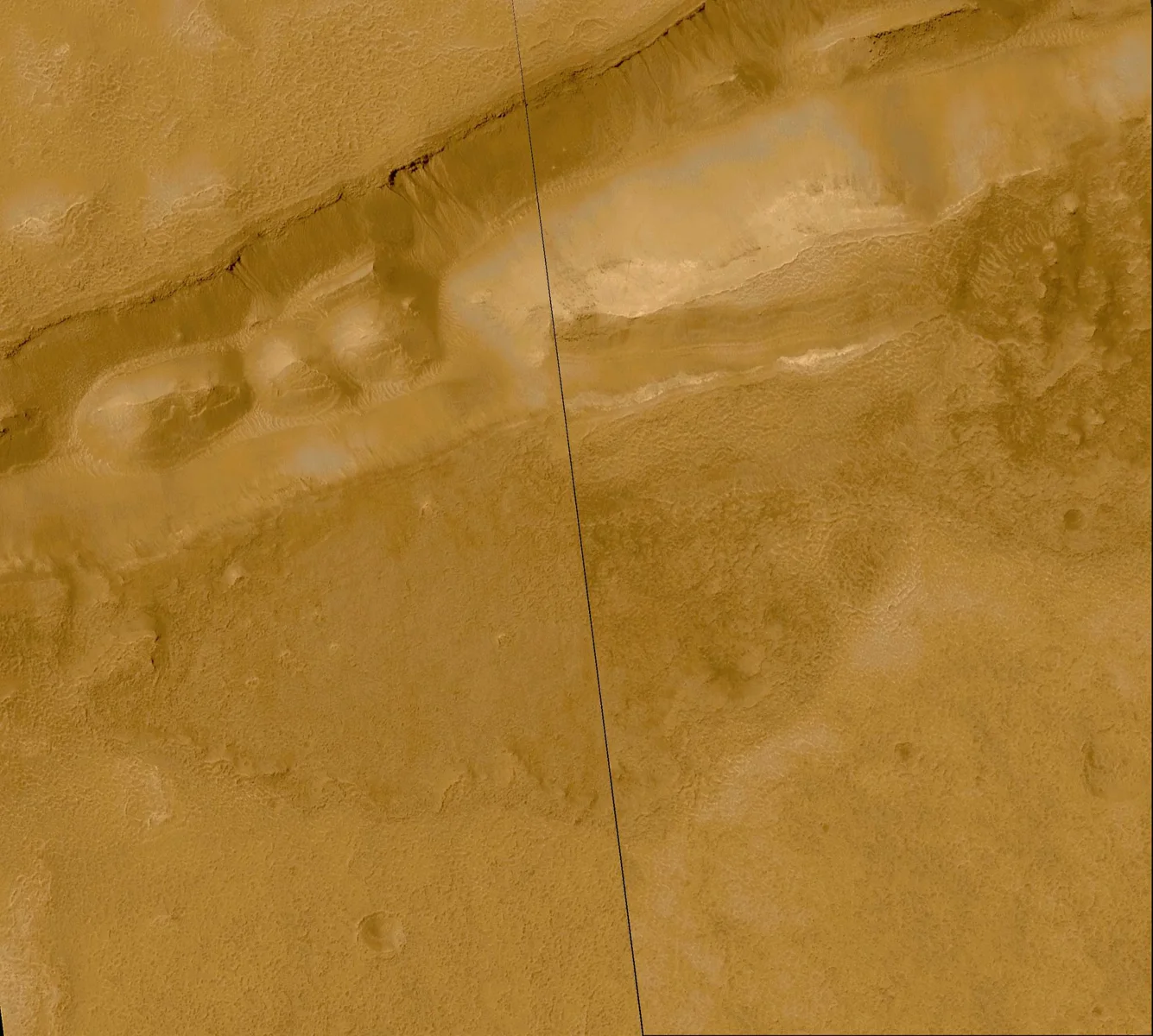
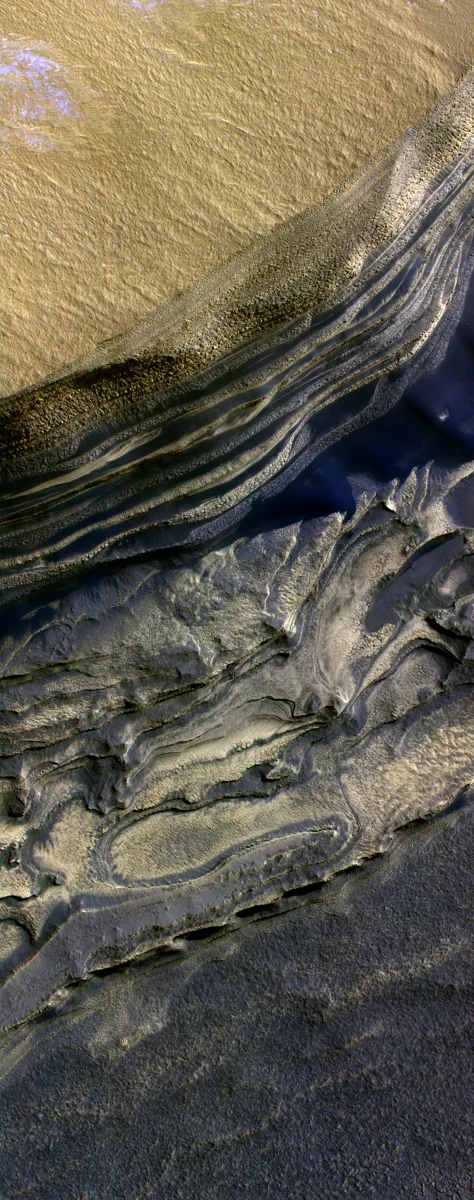
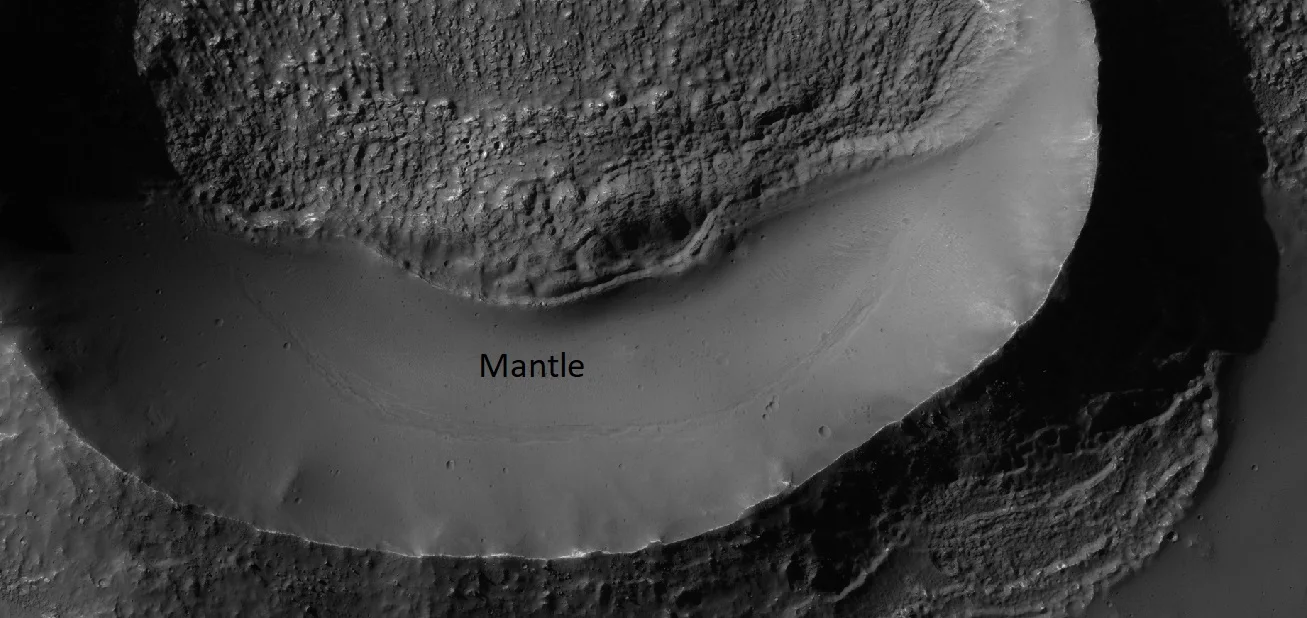
Today, most of Mars’ water is locked as ice. The north polar cap is a bright, exposed sheet of water ice, while the south pole hides water ice beneath a permanent carbon‑dioxide (dry‑ice) layer. Beyond the poles, ice resides in mid‑latitude regions—often within impact craters, steep scarps, and gullies. Remote‑sensing data estimate that more than 5 million km³ of ice exists near the surface, enough to blanket the planet to a depth of about 35 m if it were spread evenly. Some of this ice may be buried deeper, representing a massive subsurface reservoir.
Liquid Water Below the Surface
Although liquid water is unstable at the current surface conditions, several lines of evidence point to its presence underground. In 2018, radar signals from the Mars Reconnaissance Orbiter hinted at a subglacial lake beneath the southern polar ice cap, roughly 1.5 km deep and spanning about 20 km horizontally. Seismic data from NASA’s InSight lander, analyzed in August 2024, suggest a deeper liquid water reservoir at 10–20 km depth beneath the crust. These findings raise the possibility that liquid water, insulated by overlying ice and rock, could persist in isolated pockets.
How Scientists Detect Martian Water
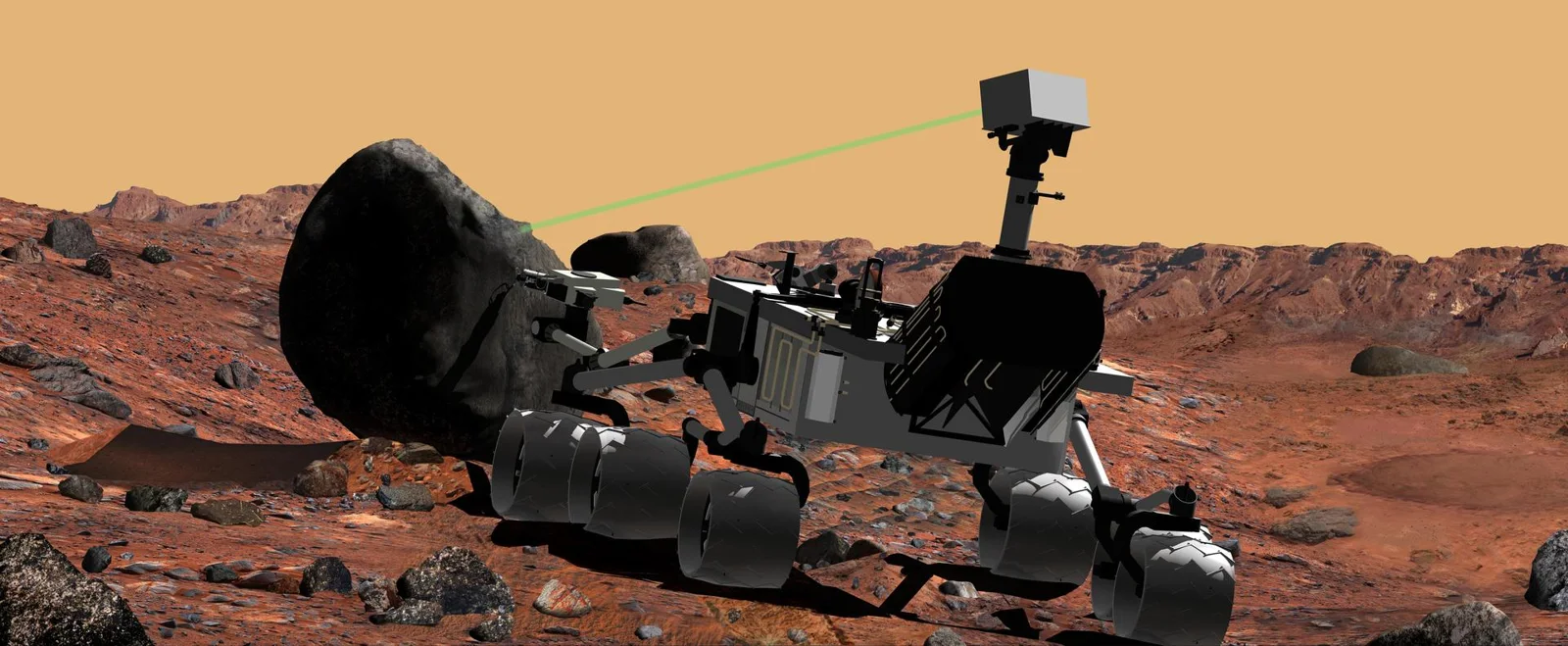
Researchers combine multiple techniques to map water on Mars. Spacecraft imagery reveals surface ice and geomorphic features like gullies. Spectroscopy identifies water‑related minerals and vapor in the thin atmosphere. Ground‑penetrating radar aboard orbiters and rovers probes subsurface layers, while landers such as Phoenix and Curiosity have directly sampled ice in soil. The InSight seismometer records marsquakes, and variations in seismic wave speeds can indicate liquid layers deep underground.
Why Water Matters for Exploration
Understanding where water resides is crucial for two reasons. First, liquid water is a key ingredient for life, making subsurface habitats prime targets in the search for past or present microbes. Second, water can serve as a resource for future human missions—providing drinking water, oxygen, and rocket propellant after electrolysis. NASA’s “Follow the Water” theme guided many missions in the early 2000s, emphasizing the strategic importance of locating and characterizing water for both science and human exploration.
Looking Ahead: Missions and Discoveries
Current missions—including Mars Odyssey, Mars Express, the Mars Reconnaissance Orbiter, and the Curiosity rover—continue to refine our picture of Martian water. Future landers and sample‑return missions aim to drill deeper, possibly reaching the liquid reservoirs hinted at by seismic data. Each new discovery brings us closer to answering whether Mars ever supported life and how we might sustainably live there. And, of course, every drop of water we learn about brings the dream of growing mushrooms on Martian soil a little nearer.
Sources
This article was prepared with AI assistance from the sources listed above and approved by the Mushroom 2 Mars team before publication.