Inside the Red Planet: Core, Mantle and Crust
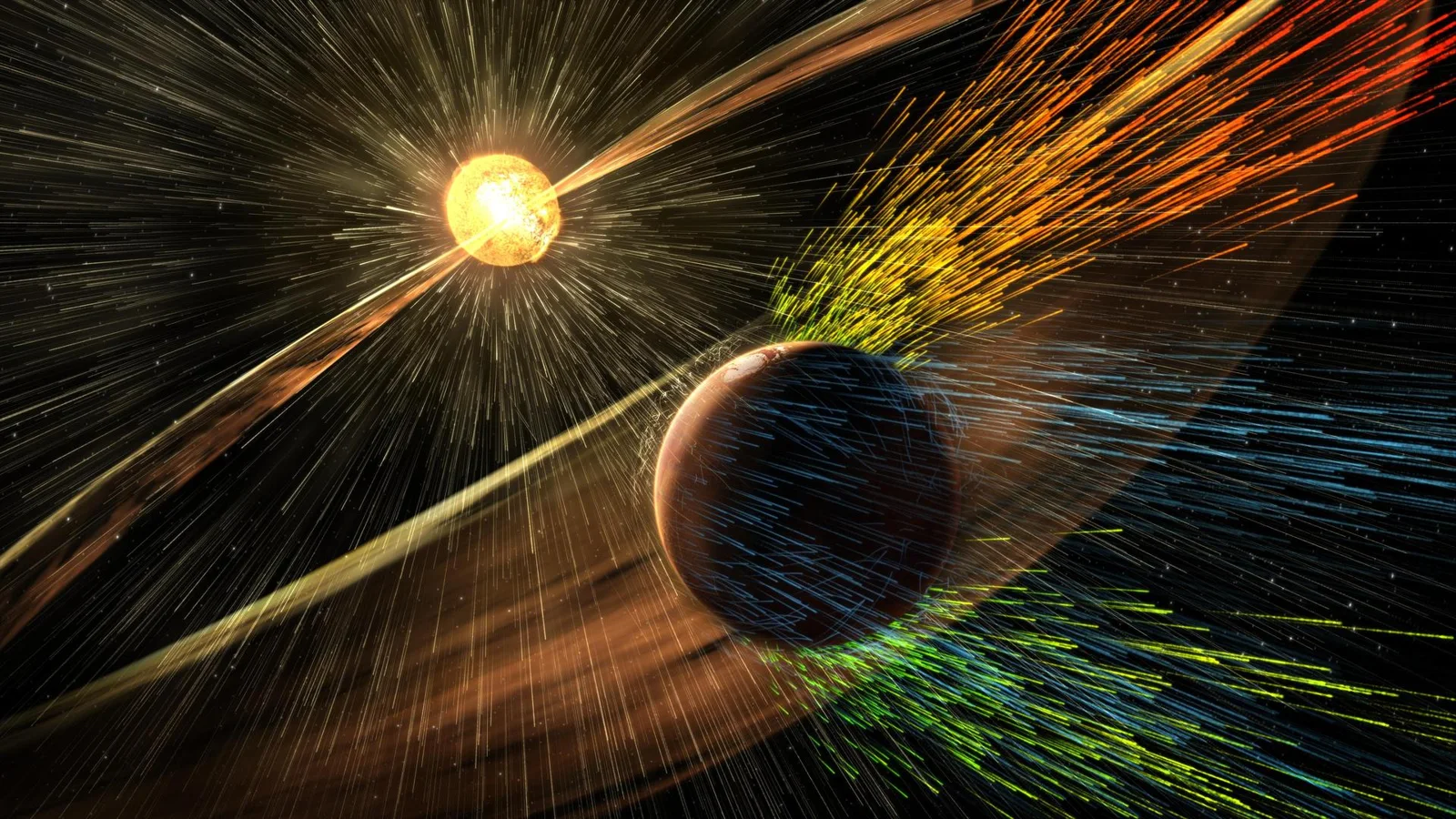
Mars is a differentiated world, meaning it has layers much like Earth. At its center lies a dense core dominated by metallic iron and nickel, with a notable amount of sulfur mixed in. Surrounding the core is a silicate mantle that is unusually rich in iron—about twice the concentration found in Earth’s mantle, according to analyses of Martian meteorites. This iron excess is a key reason the planet looks red; iron oxides coat the surface and scatter sunlight in the familiar rusty hue. Above the mantle sits a relatively thin crust composed of basaltic rocks and a variety of volatile‑rich minerals, including sulfur and chlorine, that are more abundant than in Earth’s crust.
The Most Abundant Elements in Martian Rock
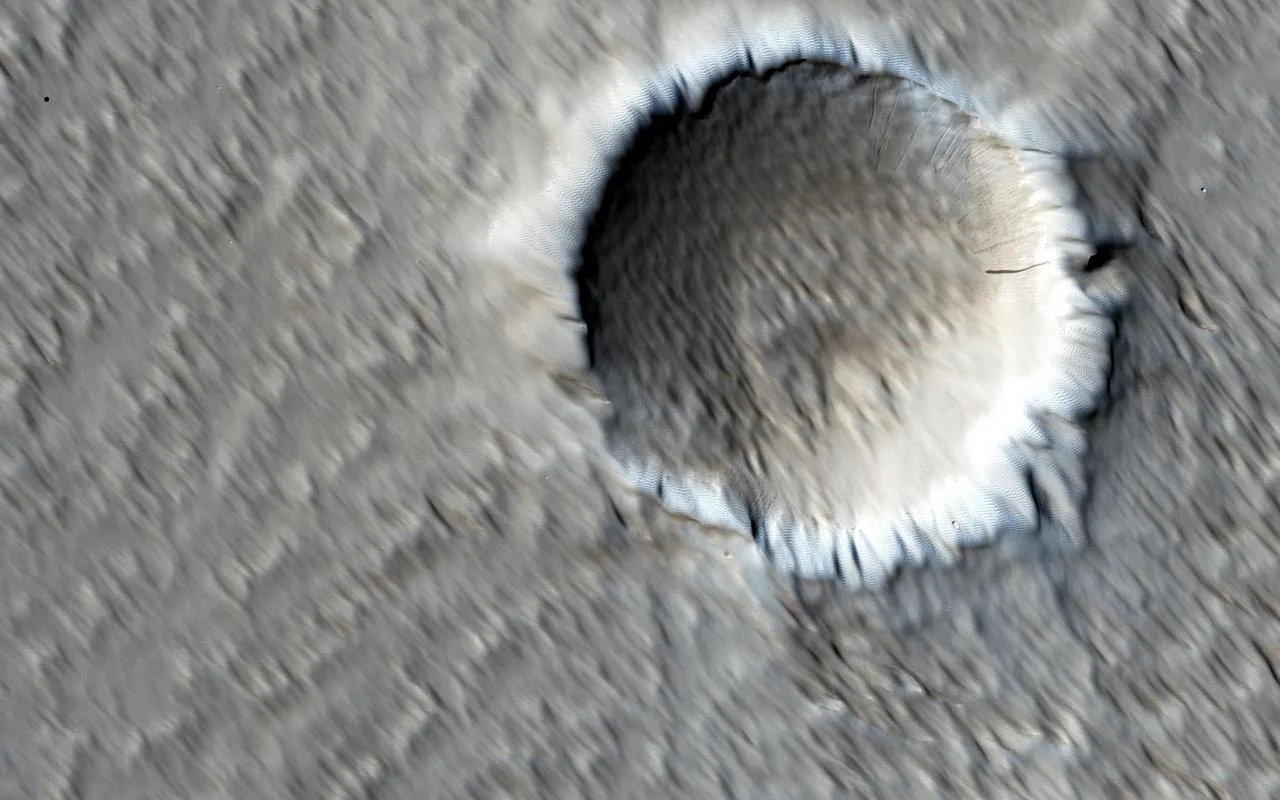
Data from orbiters, landers, and the handful of meteorites that have landed on Earth point to a consistent elemental lineup for the Martian crust. Silicon, oxygen, iron, magnesium, aluminum, calcium and potassium together make up the bulk of the rock‑forming material. These elements are the building blocks of igneous minerals such as feldspar and pyroxene. Less abundant, but still important, are titanium, chromium, manganese, sulfur, phosphorus, sodium and chlorine. Their presence helps scientists interpret the planet’s volcanic history and the chemistry of ancient soils.
Volatiles, Water and the Search for Habitability
Hydrogen on Mars appears mainly as water ice in the polar caps and as hydrated minerals within the regolith. Carbon is stored as atmospheric CO₂, occasional dry‑ice deposits, and in carbonate minerals whose exact abundance remains uncertain. Molecular nitrogen accounts for roughly 2.7 % of the thin Martian atmosphere. Trace organic compounds are scarce, though a small, variable methane signal—about 7 parts per billion during a 2014 spike—has been measured by the Curiosity rover, hinting at possible active processes. In September 2017, Curiosity also detected boron, an element essential for life on Earth, adding another piece to the puzzle of early habitability in regions like Gale Crater.

Primary Rocks: Basalt, Olivine and Pyroxene
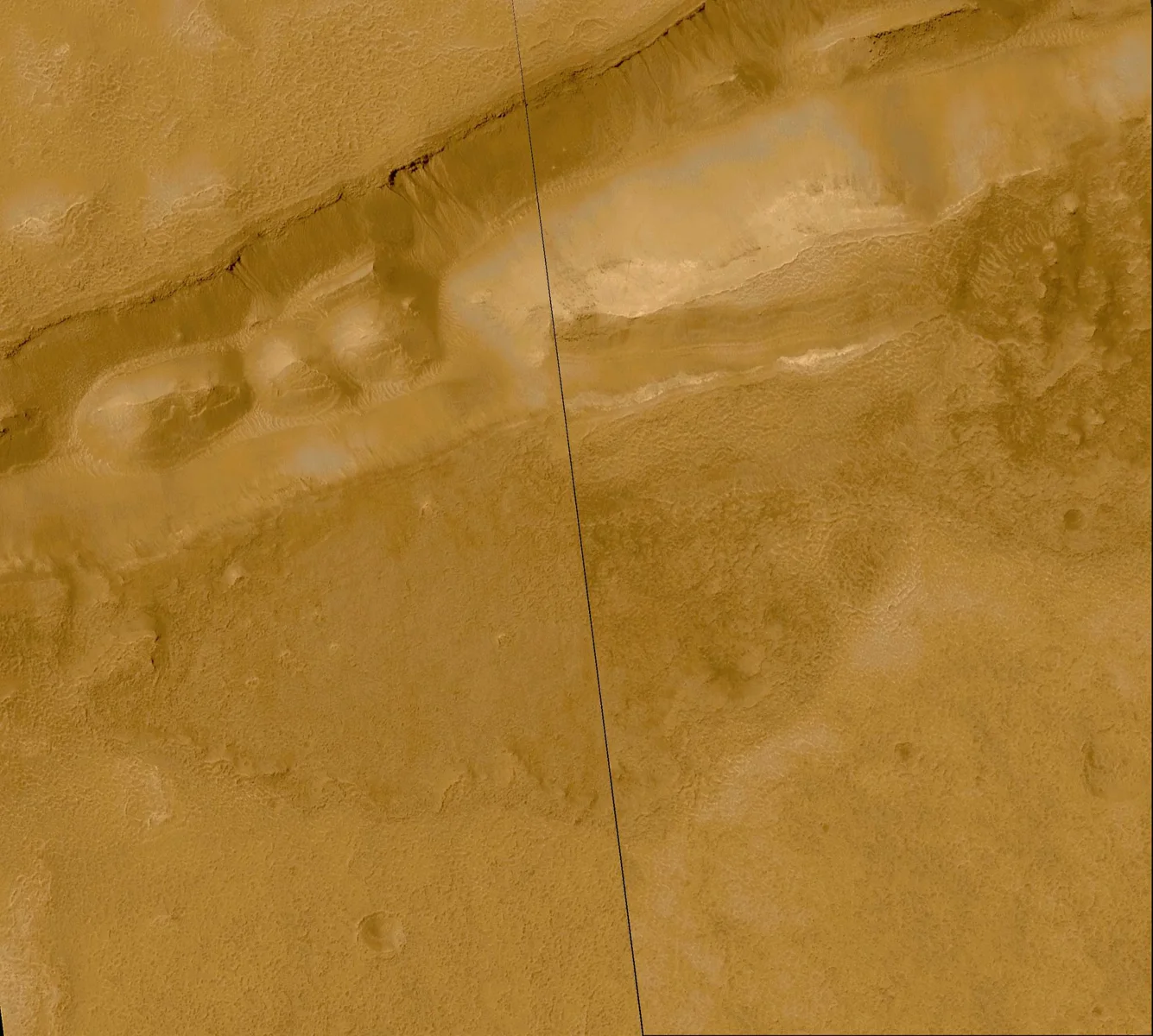
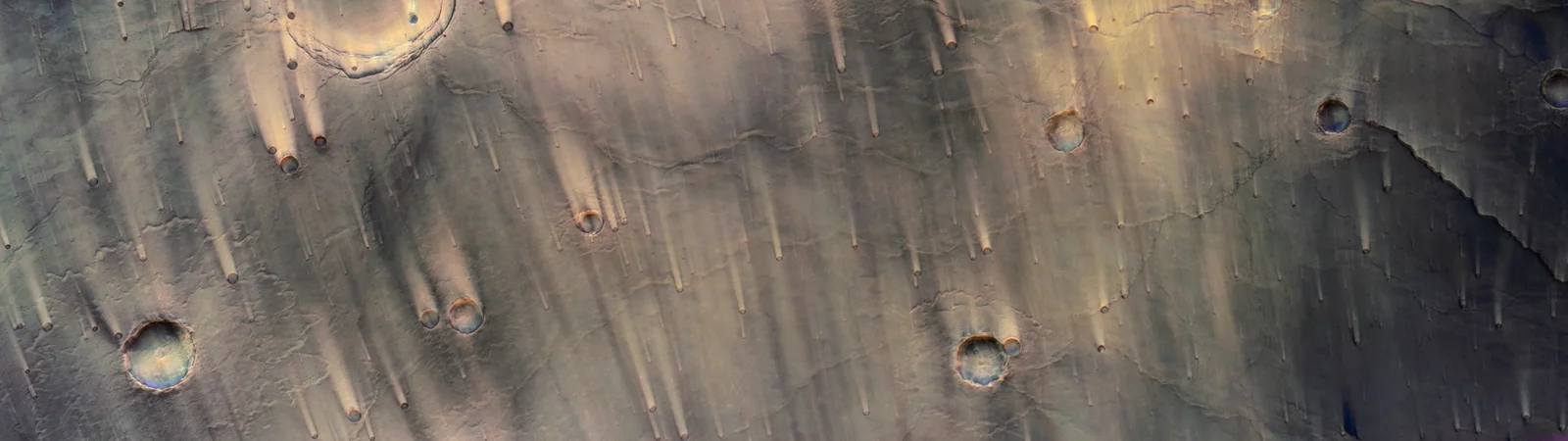
The iconic dark patches on Mars are dominated by mafic minerals—olivine, pyroxene and plagioclase feldspar—that together form basaltic lava flows. Basalt is the same volcanic rock that makes up Earth’s oceanic crust and the lunar maria, but Martian basalts often retain higher iron content. Olivine is widespread, with especially large outcrops in Nili Fossae and Ganges Chasma. Because olivine weathers quickly into clay when liquid water is present, its persistence in these areas suggests that water has been scarce since the rocks formed. Pyroxenes appear in two main varieties: low‑calcium (ortho‑) pyroxene, common in the ancient highlands, and high‑calcium (clino‑) pyroxene, associated with younger volcanic shields.
How We Know What Mars Is Made Of
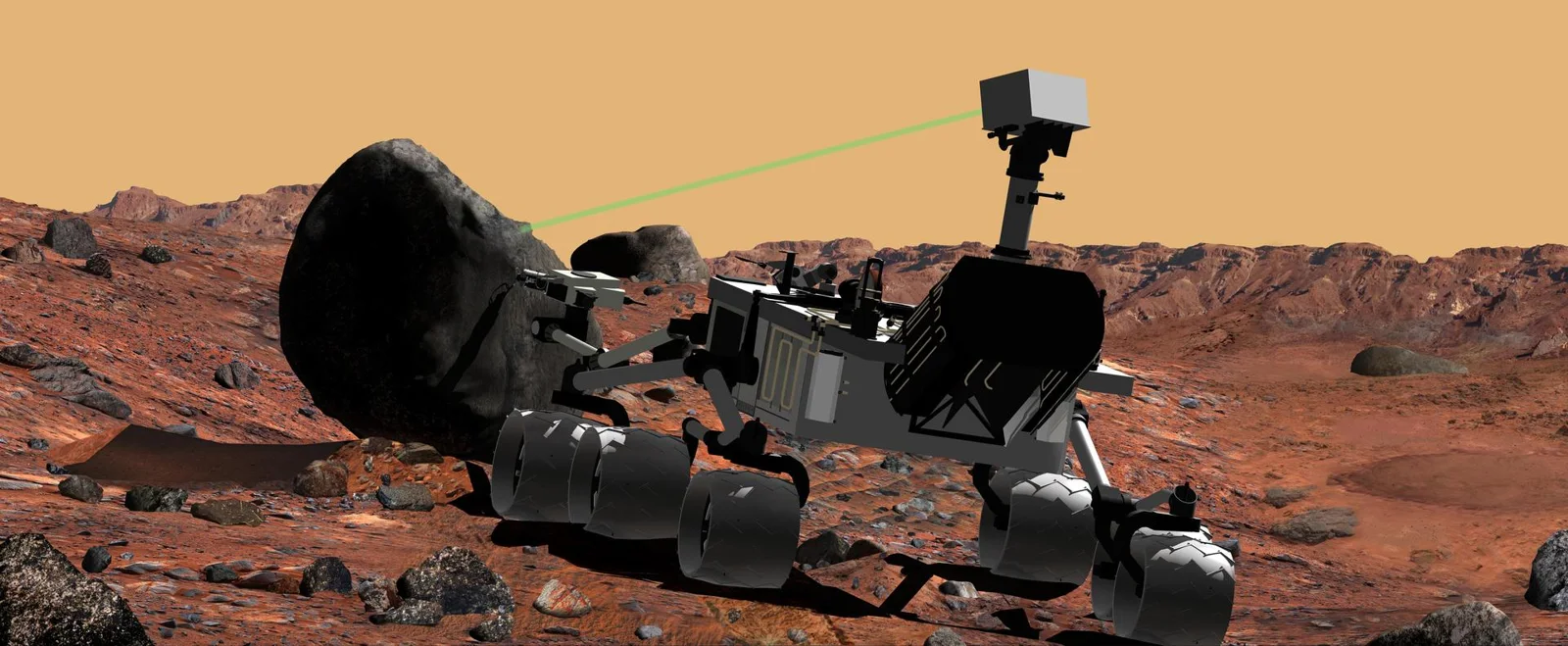
Our picture of Martian composition comes from three complementary sources. First, orbiting spectrometers such as THEMIS on Mars Odyssey, OMEGA on Mars Express and CRISM on the Reconnaissance Orbiter map surface minerals from space. Second, rovers like Curiosity and Perseverance carry instruments—Alpha Particle X‑ray Spectrometers, Mössbauer spectrometers and the CheMin X‑ray diffraction unit—that analyze rocks and soils directly on the ground. Finally, Martian meteorites (the SNC groups: Shergottites, Nakhlites and Chassignites) provide laboratory‑grade samples that reveal interior chemistry unavailable to any current mission.
From Rocks to Future Farming: A Mushroom‑Mars Connection
Understanding Mars’ mineral makeup is more than an academic exercise; it guides how we might grow food on the planet. Basaltic regolith, rich in iron, magnesium and potassium, could be processed into a nutrient‑dense growth medium for fungi. Mushroom cultivators on Earth already use composted basalt rock dust to boost trace minerals, and the same principle could help future crews cultivate edible mycelium under Martian domes. As we keep decoding the Red Planet’s chemistry, each new insight brings us a step closer to turning its rusty dust into a thriving, sustainable kitchen.
Sources
This article was prepared with AI assistance from the sources listed above and approved by the Mushroom 2 Mars team before publication.