Composition of the Martian Air
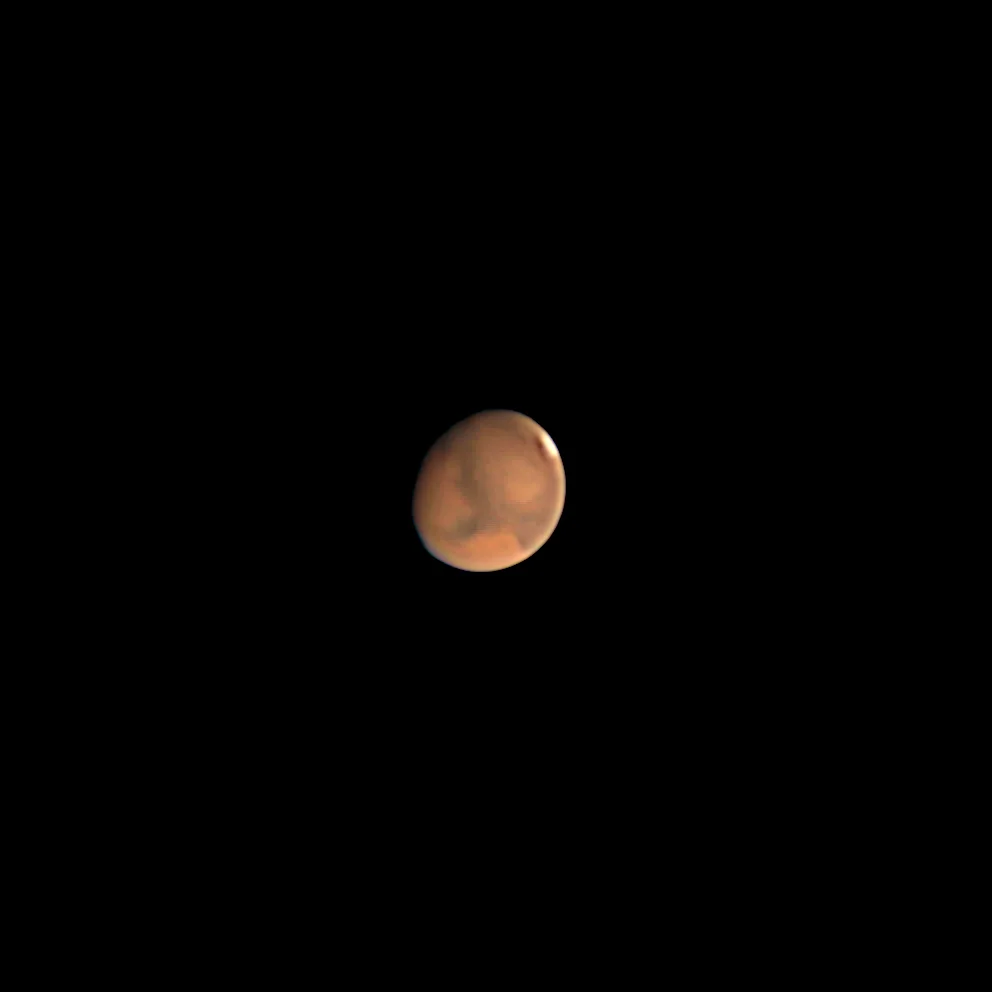
Mars is wrapped in a thin envelope of gases that is dramatically different from Earth’s. The bulk of the atmosphere—about 95%—is carbon dioxide, with nitrogen making up roughly 2.85% and argon about 2%【source1】. Trace amounts of water vapor, oxygen, carbon monoxide, hydrogen and noble gases complete the mix. This composition is why the planet is often called an "oxidized atmosphere": photochemical reactions readily turn organic molecules into CO₂ or CO.
Pressure and Density: A Breath Too Light
At the surface, the average pressure is only about 610 pascals (0.088 psi), roughly 0.6 % of Earth’s sea‑level pressure. Correspondingly, the atmospheric density ranges from 10 to 20 g m⁻³—just 1–2 % of what we experience on Earth. Seasonal swings are noticeable: during the southern winter, carbon dioxide freezes onto the south pole, thinning the air by about a quarter compared with spring and autumn【source1】.
Temperature Regime: Antarctic‑like Cold
Because Mars sits farther from the Sun, it receives less solar energy, giving it a low effective temperature of about 210 K (‑63 °C). The average surface temperature hovers near ‑59 °C, comparable to inland Antarctica, while daily swings can run from ‑75 °C to near 0 °C in some low‑lying areas【source1】. The thin atmosphere provides little thermal inertia, so heat is lost quickly after sunset, and the upper atmosphere stays even colder due to the lack of stratospheric ozone and strong radiative cooling by CO₂.
Dust, Storms, and Atmospheric Dynamics
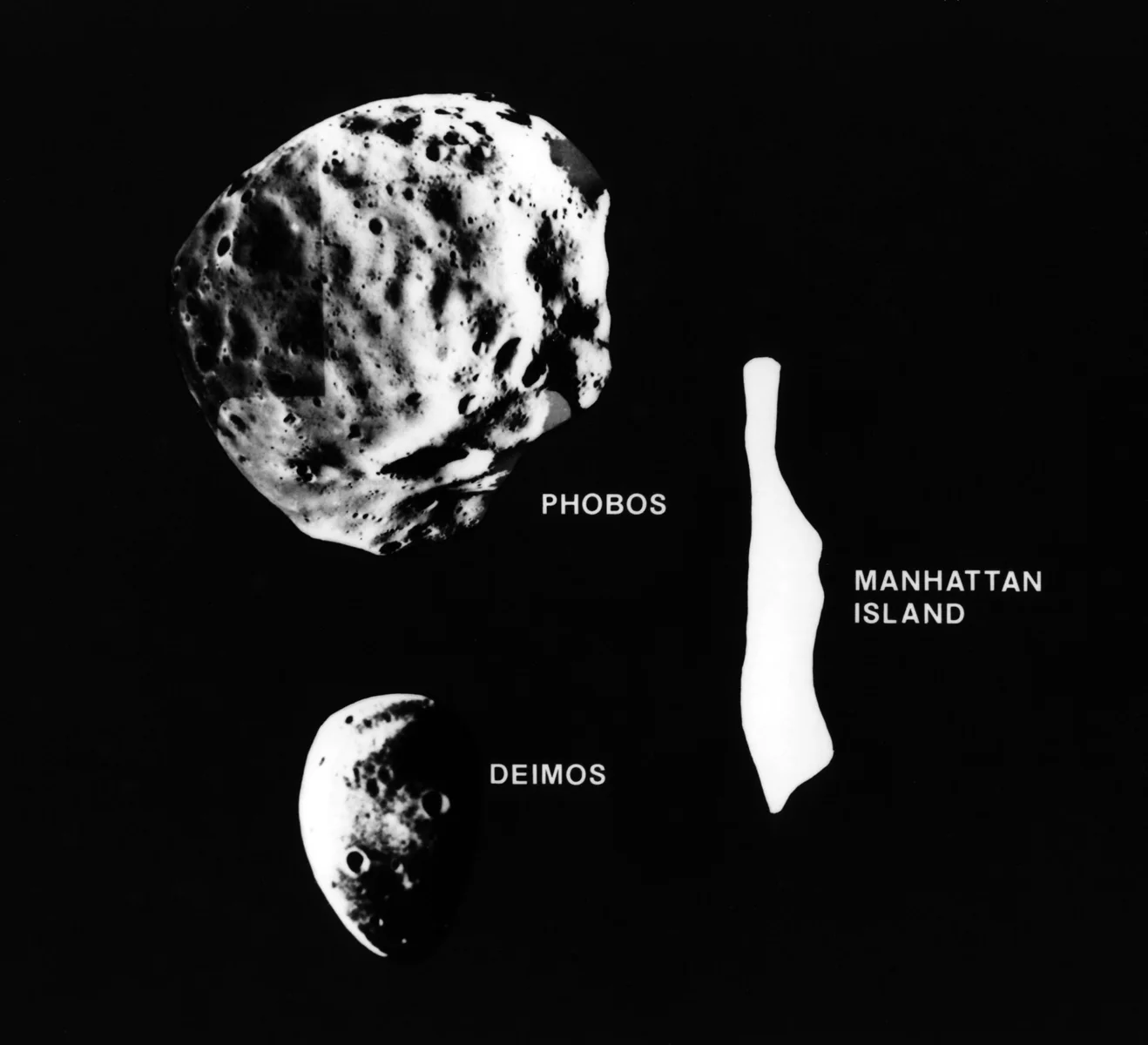
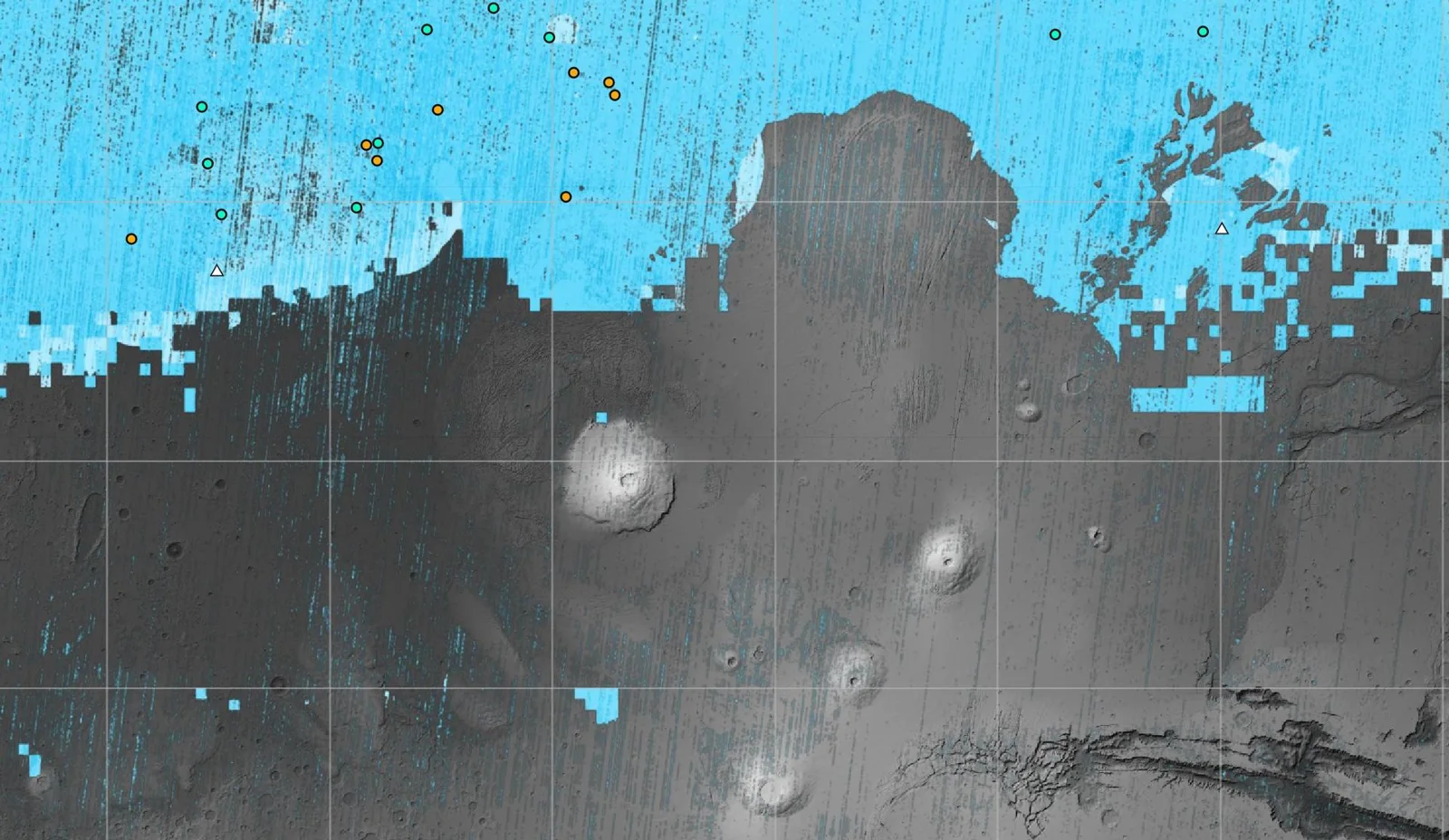
Mars is a dusty world. Small dust devils swirl across the plains daily, and larger regional storms can engulf whole continents. Approximately every 5.5 Earth years, a planet‑encircling dust storm erupts, dimming the planet and challenging rover operations【source1】. The exact trigger for these global events remains an active research area, though some scientists see a loose link to the gravitational pull of Phobos and Deimos, analogous to tidal effects on Earth.
How the Atmosphere Has Changed Over Time
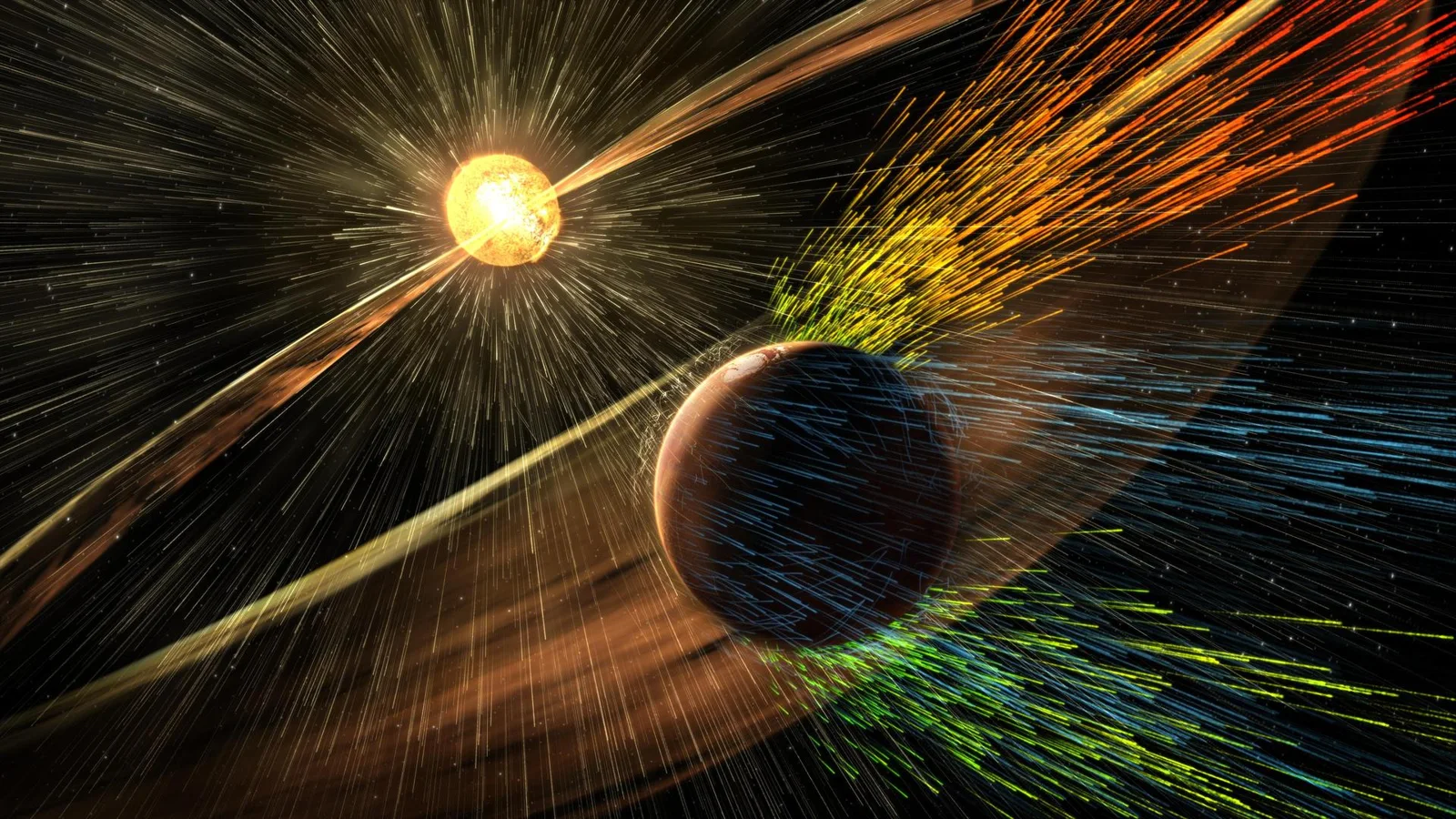
Evidence from isotopic ratios, meteorite studies, and observations by orbiters such as MAVEN indicates that Mars once possessed a much thicker, warmer, and wetter atmosphere. Early in its history, hydrodynamic escape—driven by intense solar ultraviolet radiation—could have stripped away up to 1 bar of CO₂ in just a few million years【source1】. Later, sputtering by solar wind particles likely removed a large fraction of the remaining argon and other heavy gases. Together, these processes have reduced the atmosphere to the thin veil we see today.
Implications for Future Mushroom Farming on Mars
For projects like Mushroom 2 Mars, understanding the current Martian air is crucial. The low pressure and cold temperatures mean that any greenhouse or habitat must provide substantial insulation, pressurization, and temperature control to create a viable environment for fungal growth. While the native CO₂‑rich mix could be a resource for photosynthetic partners in a closed‑loop system, engineers will need to supplement heat and pressure far beyond the natural Martian baseline.
The thin, cold Martian atmosphere challenges life as we know it, but it also offers a unique laboratory for testing how we might grow mushrooms on another world.
Sources
This article was prepared with AI assistance from the sources listed above and approved by the Mushroom 2 Mars team before publication.