The Curiosity Discovery
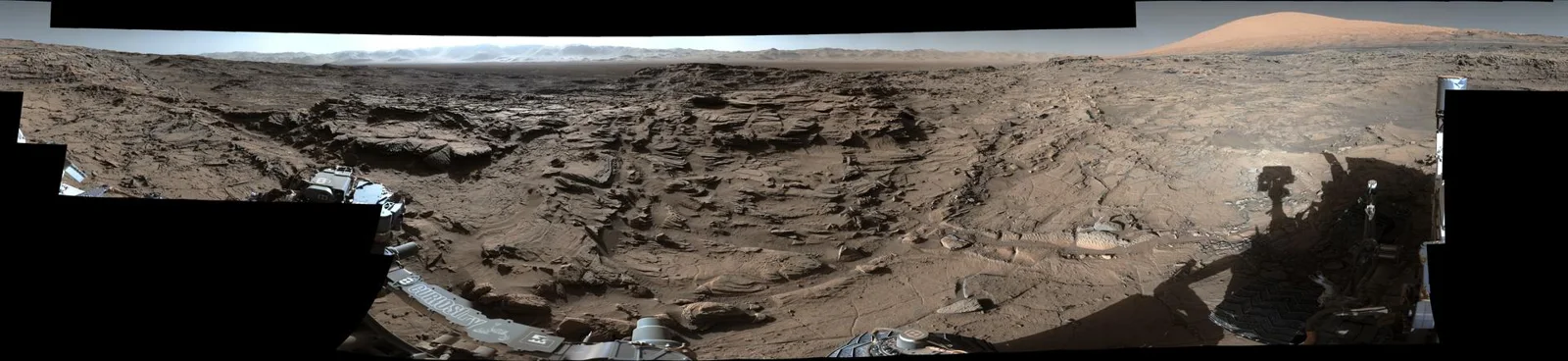
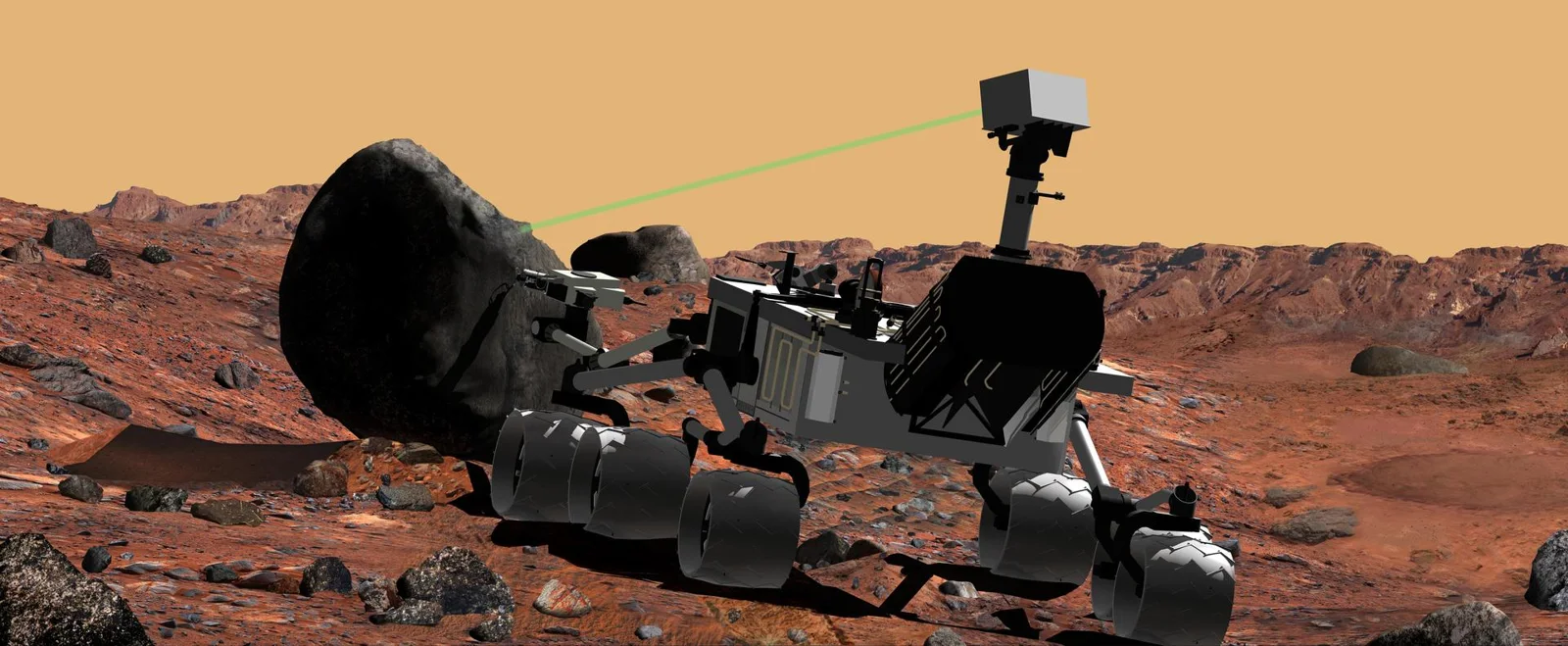
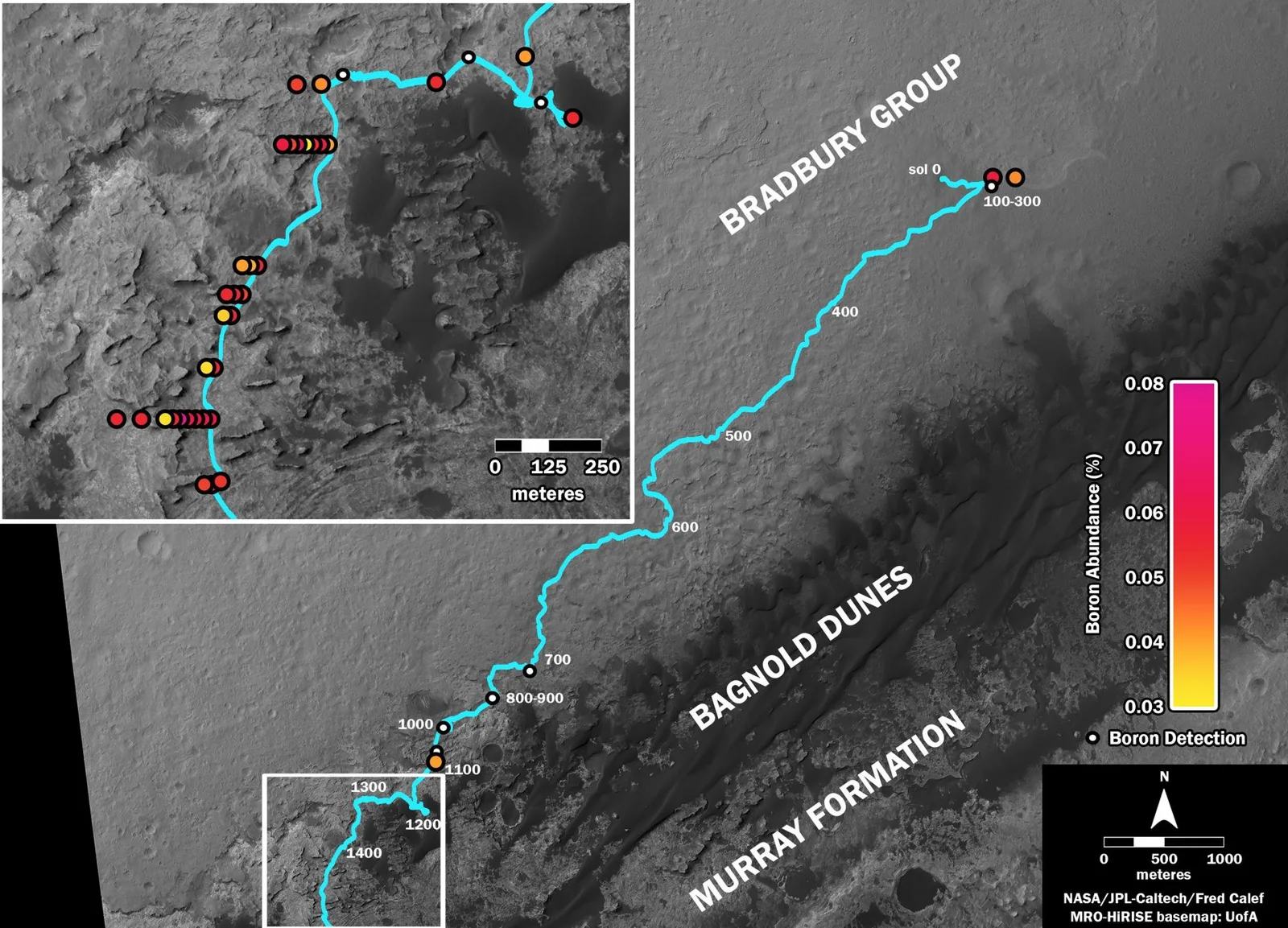
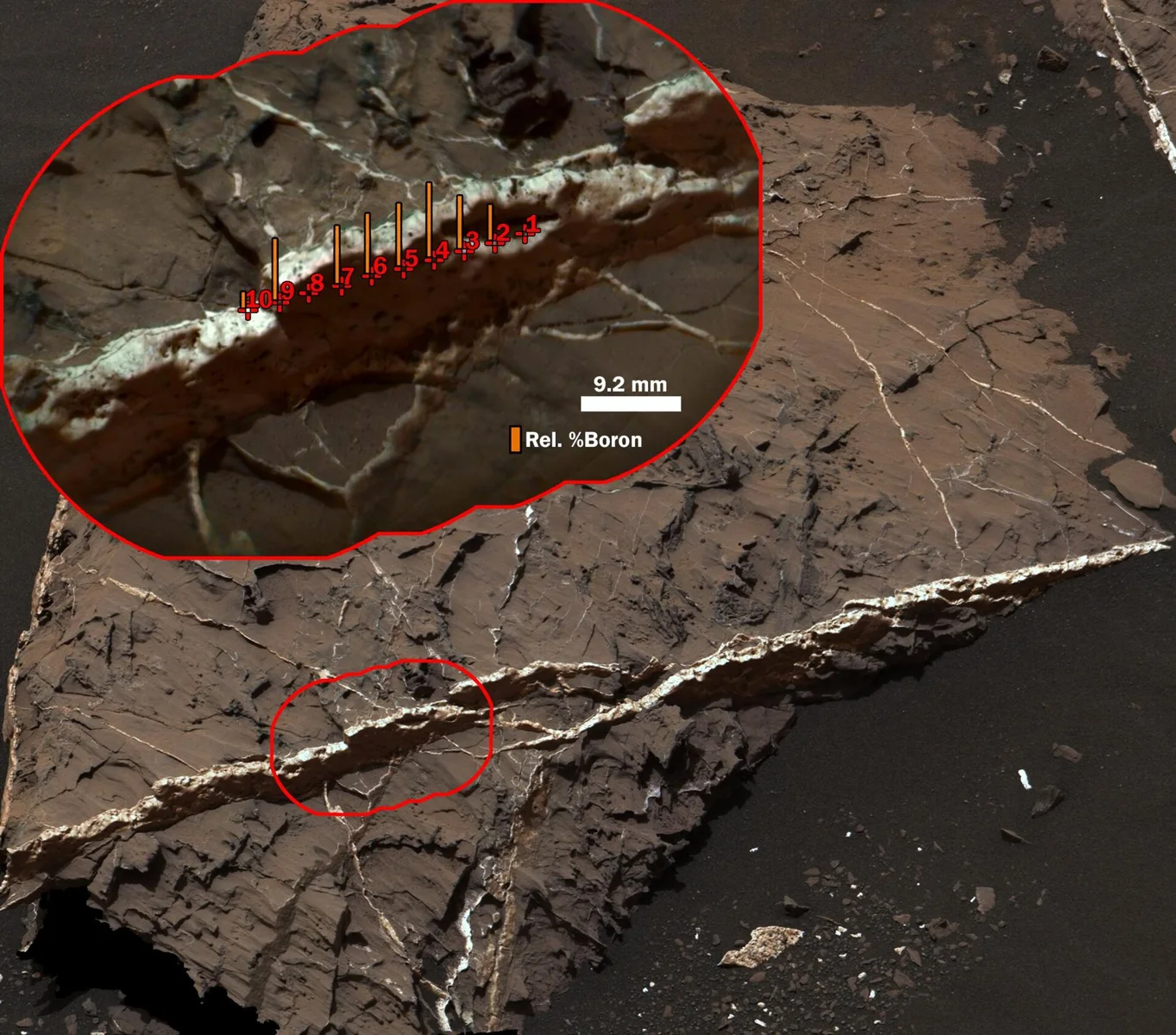
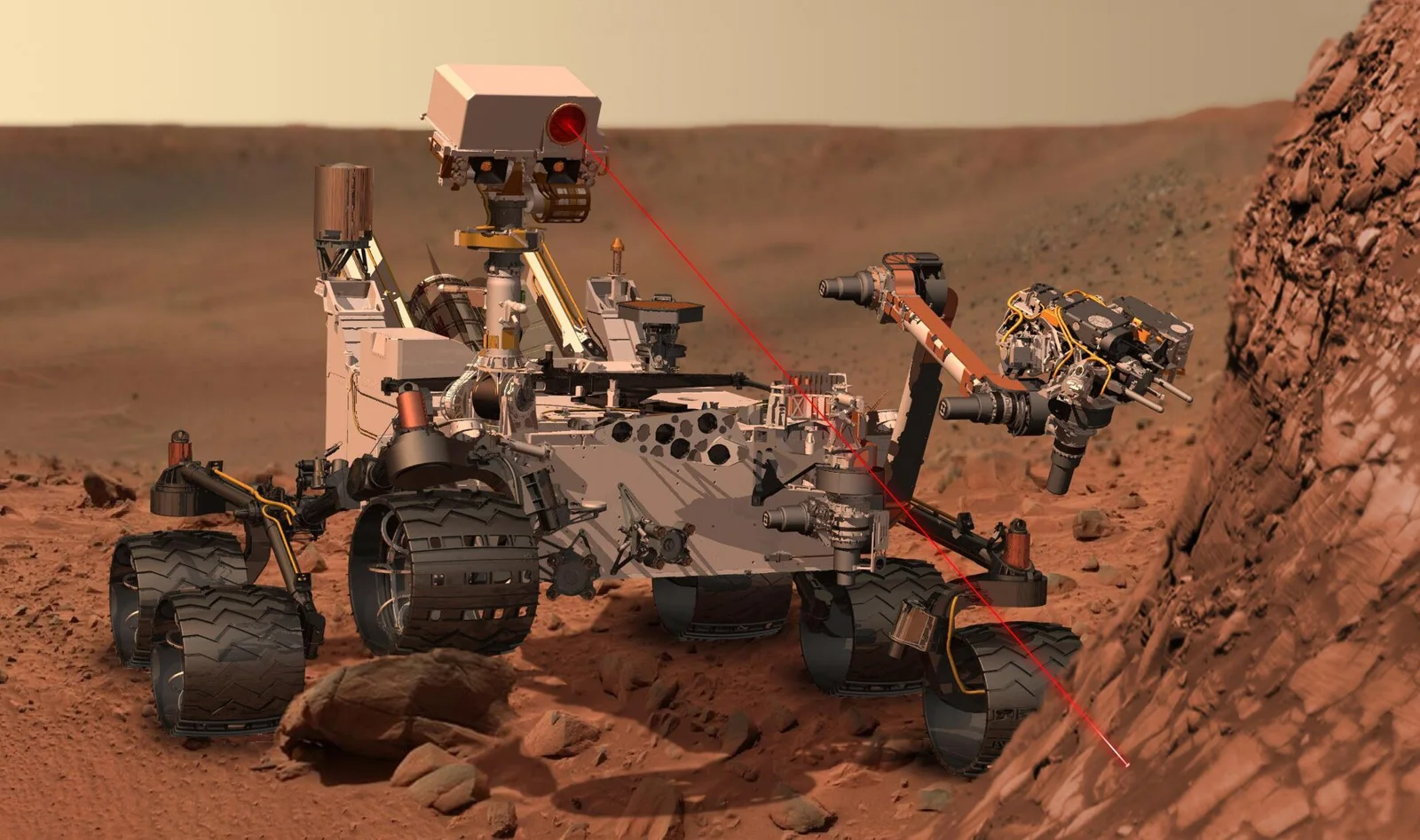
In December 2016 the Curiosity rover reported the first in‑situ detection of boron on Mars. Using its ChemCam laser‑induced breakdown spectrometer, the rover identified boron concentrations of roughly 10–100 ppm in calcium‑sulfate veins across Gale Crater. These veins were found in three geological units – Yellowknife Bay, the Murray mudstone, and the Stimson sandstone near the base of Mt. Sharp. While boron had been noted in Martian meteorites (e.g., Nakhla and Chassigny) since 2013, Curiosity provided the only direct measurement of the element on the planet’s surface.
Why Boron Matters for Habitability
Boron’s presence is significant because laboratory studies suggest it can stabilize ribose, a sugar backbone of RNA. Without boron, ribose rapidly degrades in water, making the formation of RNA‑like molecules difficult. On early Earth, boron‑rich compounds may have helped link simple organic precursors into the first genetic polymers. Therefore, finding boron in ancient Martian groundwater implies that the chemical environment could have supported similar pre‑biotic pathways.
The Geochemical Context: Temperature, pH, and Water
The veins that host boron also record the conditions of the fluids that formed them. Geochemical modeling indicates the groundwater that precipitated the veins had a temperature between 0 °C and 60 °C and a neutral‑to‑alkaline pH. Such conditions are compatible with liquid water that is neither too hot nor too acidic – a classic definition of a potentially habitable environment. The combination of calcium‑sulfate (gypsum) and borate minerals points to evaporative processes that concentrated dissolved ions before they re‑precipitated in fractures.
Competing Scenarios for Boron’s Origin
Scientists have proposed two main hypotheses to explain how boron ended up in the veins.
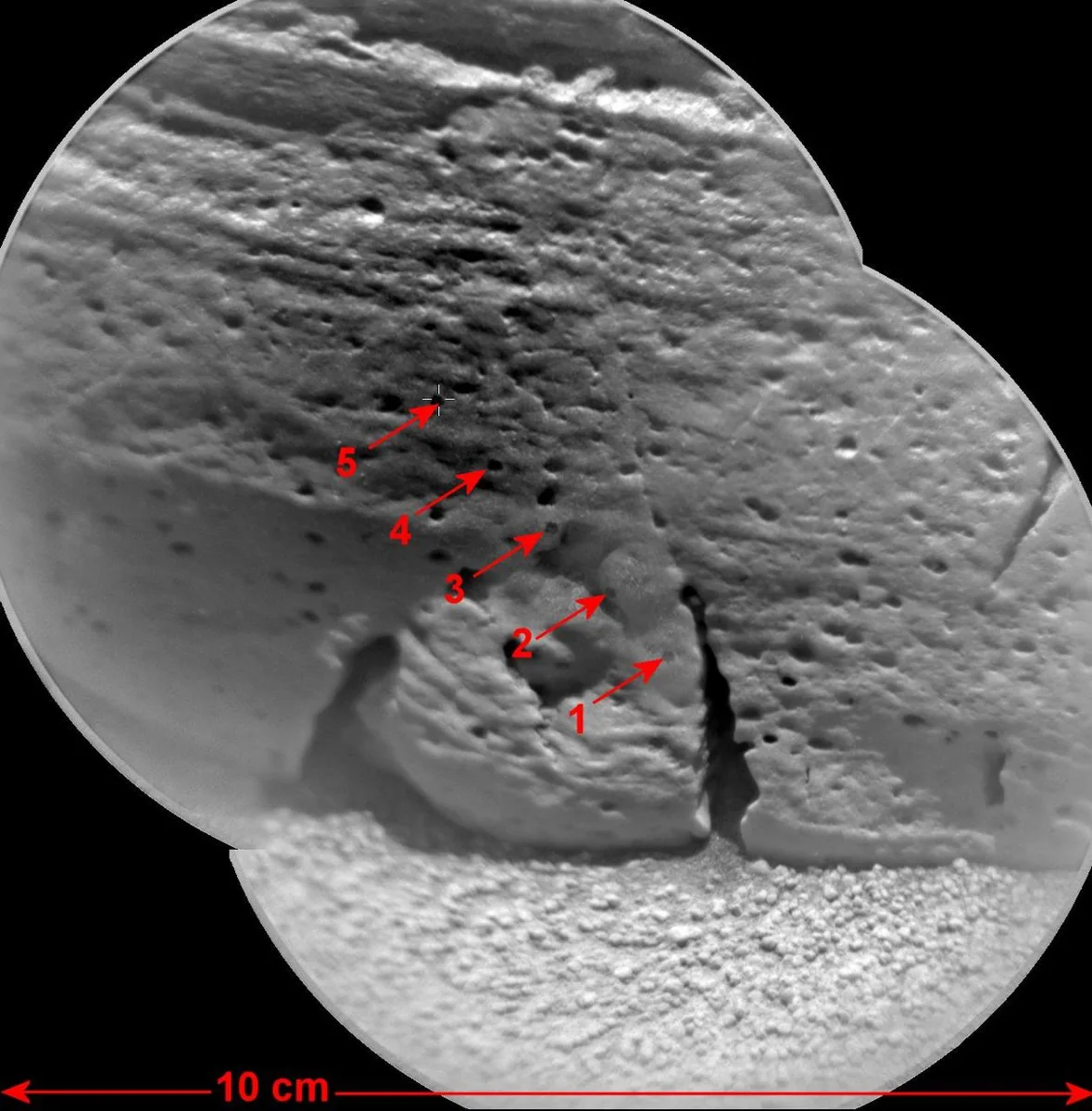
- Hypothesis A suggests that boron dissolved into Gale Lake, became incorporated into clay minerals at the lake floor, and was later released when the lake dried and the rock cracked. Groundwater then mobilized the boron, depositing it together with calcium‑sulfate as the veins we see today.
- Hypothesis B posits that boron remained in solution as the lake evaporated, forming a surface layer of boron‑rich salts. Subsequent fracturing allowed groundwater to dissolve these salts and transport them downward, where they mixed with calcium‑sulfate to create the veins.
A 2017 paper analyzing the mineralogy and spatial distribution of the veins concluded that the evidence leans toward Hypothesis B, though both pathways remain plausible.
Implications for the Search for Life
The detection of boron does not prove life ever existed on Mars, but it strengthens the case for a chemically favorable environment. When combined with other findings – such as ancient lake deposits, clay minerals, and organic molecules – boron adds a piece to the puzzle of Mars’ early habitability. Future missions that can return samples or conduct more detailed in‑situ analysis will be essential to test whether the boron‑rich waters ever hosted living organisms or merely provided a stepping‑stone for pre‑biotic chemistry.
From Mars to Mushroom Farming
At Mushroom 2 Mars we’re inspired by every clue that shows Mars could once have been a wet, chemically active world. Understanding how elements like boron interact with water helps us design robust life‑support systems for growing fungi in Martian habitats, where nutrient recycling and water management will be key.
Sources
This article was prepared with AI assistance from the sources listed above and approved by the Mushroom 2 Mars team before publication.