The Mystery of the Missing Black Holes
Our Milky Way has been forging black holes for billions of years. Estimates suggest more than ten million have formed since the galaxy began, yet astronomers have identified only about seventy of them. This huge discrepancy – often called the "missing black hole" problem – drives a new kind of citizen‑science project that lets anyone with a computer join the search.
How Black Holes Reveal Themselves
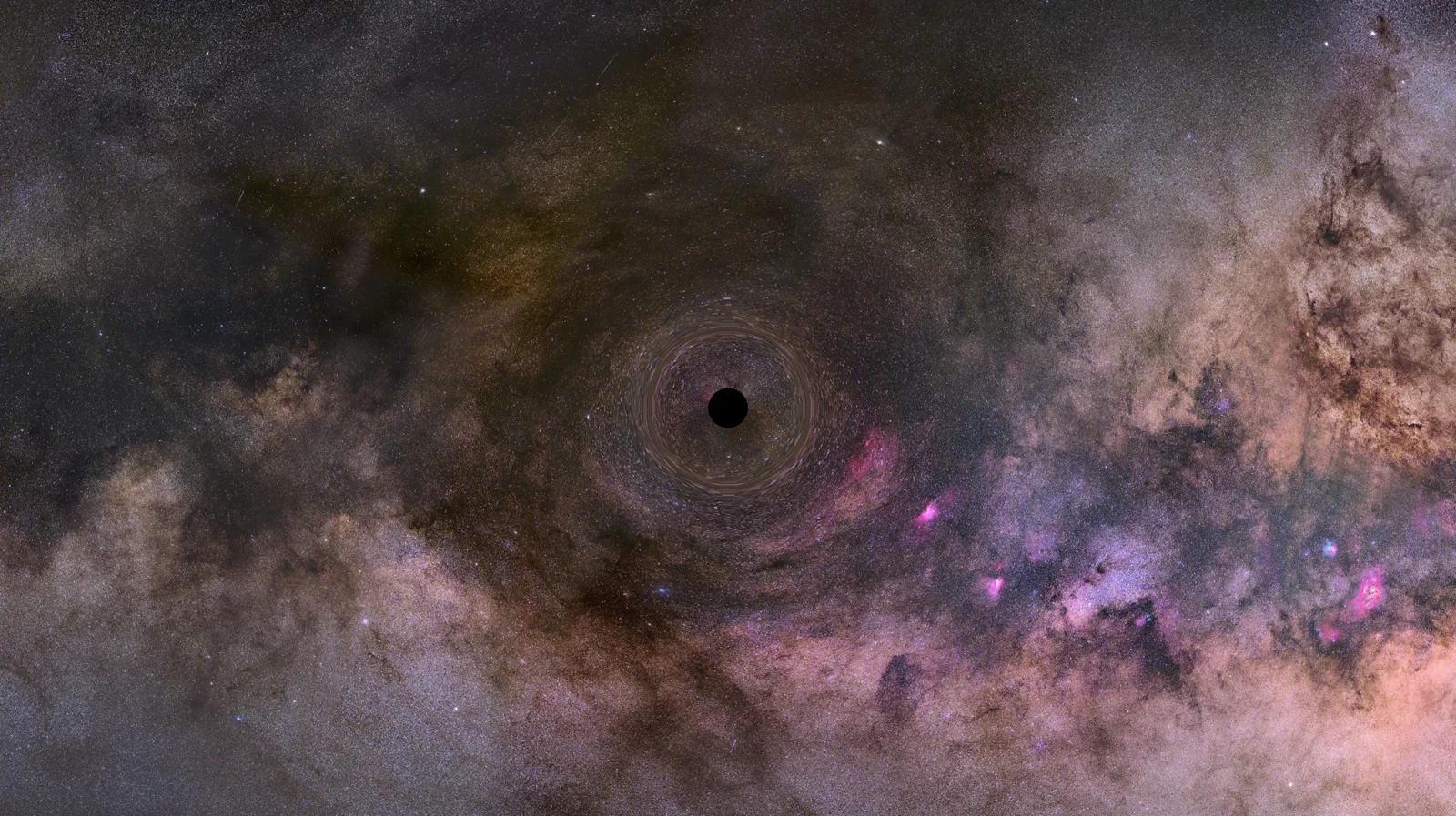
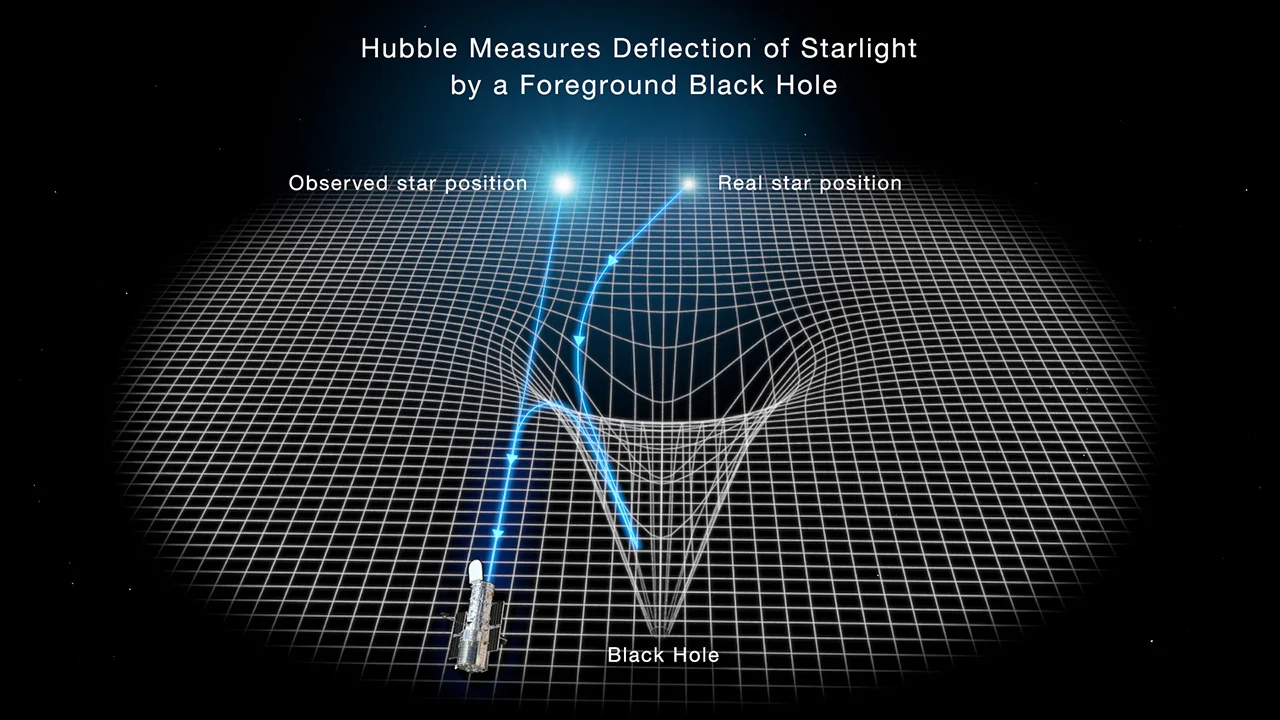
A black hole itself emits no light, but its intense gravity can bend and magnify the light from a nearby star. When a black hole and a companion star orbit each other, and the pair lines up with Earth, the black hole acts like a cosmic magnifying glass. The star’s brightness briefly spikes, a signature that can be captured by space telescopes that monitor stellar light curves.
TESS: A Planet‑Hunting Telescope Turned Black‑Hole Detector
NASA’s Transiting Exoplanet Survey Satellite (TESS) was launched to find exoplanets by measuring tiny dips in starlight as planets transit their hosts. The same continuous brightness measurements are perfect for spotting the opposite effect – a sudden brightening caused by gravitational lensing from a black hole. By repurposing TESS data, the Black Hole Hunters team can scan millions of stars for these rare events.
The Role of Human Volunteers
Automated algorithms perform an initial sweep of the massive TESS dataset, flagging obvious candidates. However, stellar flares and pulsations often fool even sophisticated AI, producing false positives. Human eyes excel at spotting the subtle, regular patterns that indicate a true lensing event. Volunteers view short light‑curve graphs, compare them to example templates, and mark those that match the expected signature. Each graph is examined by several participants, and their combined answers help filter out mistakes.
Success So Far and Future Plans
Since its launch on the Zooniverse platform in October 2021, the project has attracted nearly 23,000 volunteers who have made over 12 million classifications. This crowdsourced shortlist enables professional astronomers to allocate precious telescope time for follow‑up measurements, such as checking whether a star shows a wobble caused by an unseen companion.
The team previously tested the approach with data from the ground‑based SuperWASP survey (2004‑2016) and is now expanding to include observations from ESA’s upcoming Euclid mission and NASA’s Nancy Grace Roman Space Telescope. As more instruments join the effort, the chance of uncovering thousands of hidden black holes grows dramatically.
Why It Matters for Space Exploration
Finding more black holes improves our understanding of stellar evolution, galaxy dynamics, and the distribution of compact objects in the Milky Way. Precise maps of black‑hole locations also inform models of gravitational‑wave sources, which are crucial for future missions that aim to detect ripples in spacetime. In the long run, a better grasp of these extreme objects could influence navigation and safety considerations for deep‑space travel.
Join the Search From Your Home
Participating requires no special training – just a willingness to learn the visual cues of a lensing event. The project provides clear examples, and volunteers can work at their own pace from any internet‑connected device. As one undergraduate participant noted, “I can search for black holes on my laptop from my bedroom and actually contribute to real science.”
“You’ll be narrowing down precisely where we need to point our telescopes next, and you might be the one to discover a black hole.” – Adam McMaster, co‑lead, University of Southampton.
Looking Ahead to the Red Planet
As we map the invisible giants of our own galaxy, the techniques we refine may one day help us detect similar compact objects around other stars – a stepping stone toward understanding the broader cosmos that future Mars explorers will travel through.
Sources
This article was prepared with AI assistance from the sources listed above and approved by the Mushroom 2 Mars team before publication.