A Bold Request From Starbase
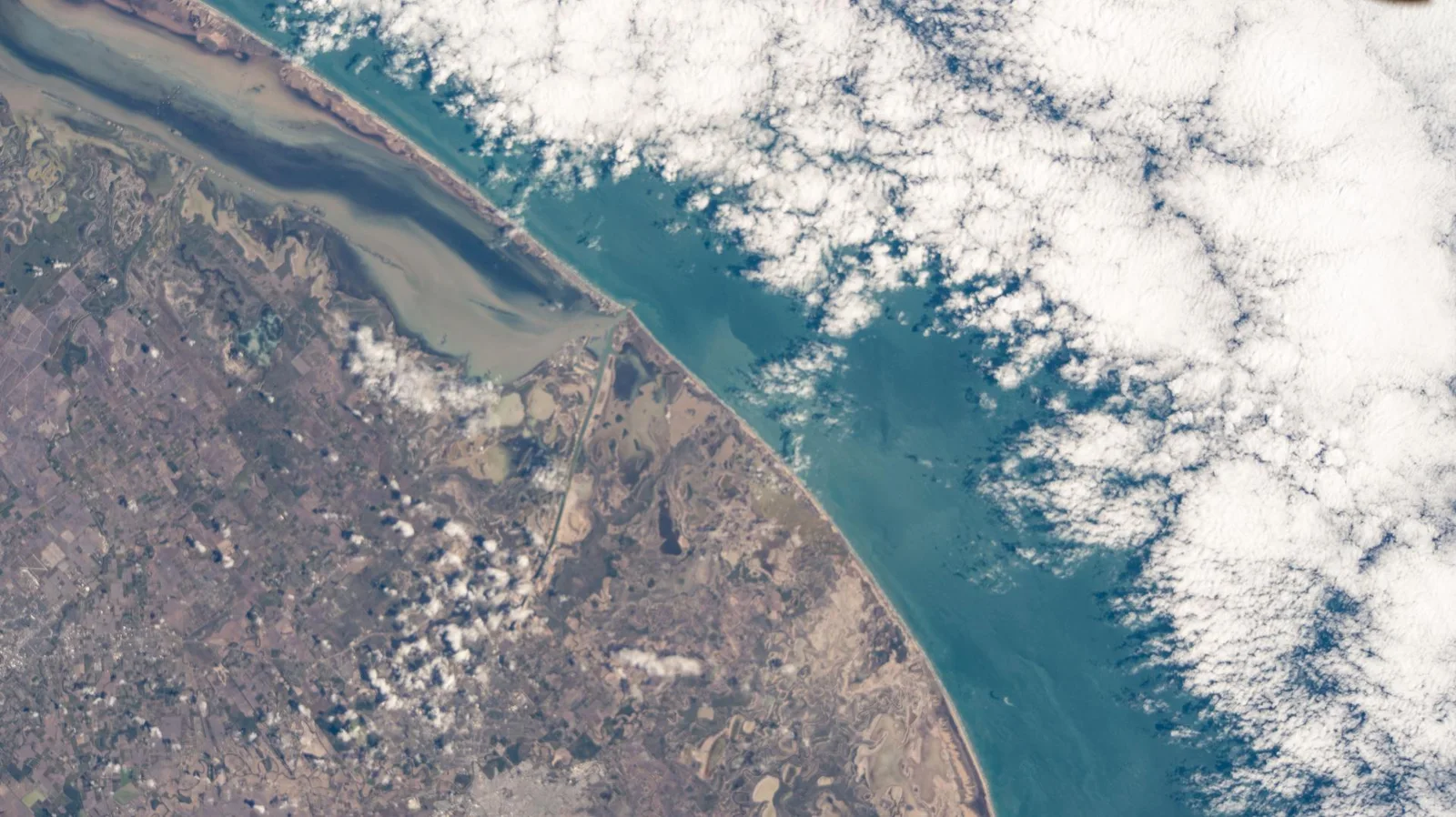
SpaceX has formally asked the U.S. Federal Aviation Administration for permission to conduct as many as 456 Starship launches per year from its Starbase facility near Brownsville, Texas. The current authorization allows just 25 flights annually, so the proposal represents a dramatic increase in launch cadence. The FAA announced on Oct. 14 that it will prepare a Programmatic Environmental Impact Statement, open a public‑scoping period, and hold a series of public meetings to evaluate the request.
How Starship Works and Why Reusability Matters
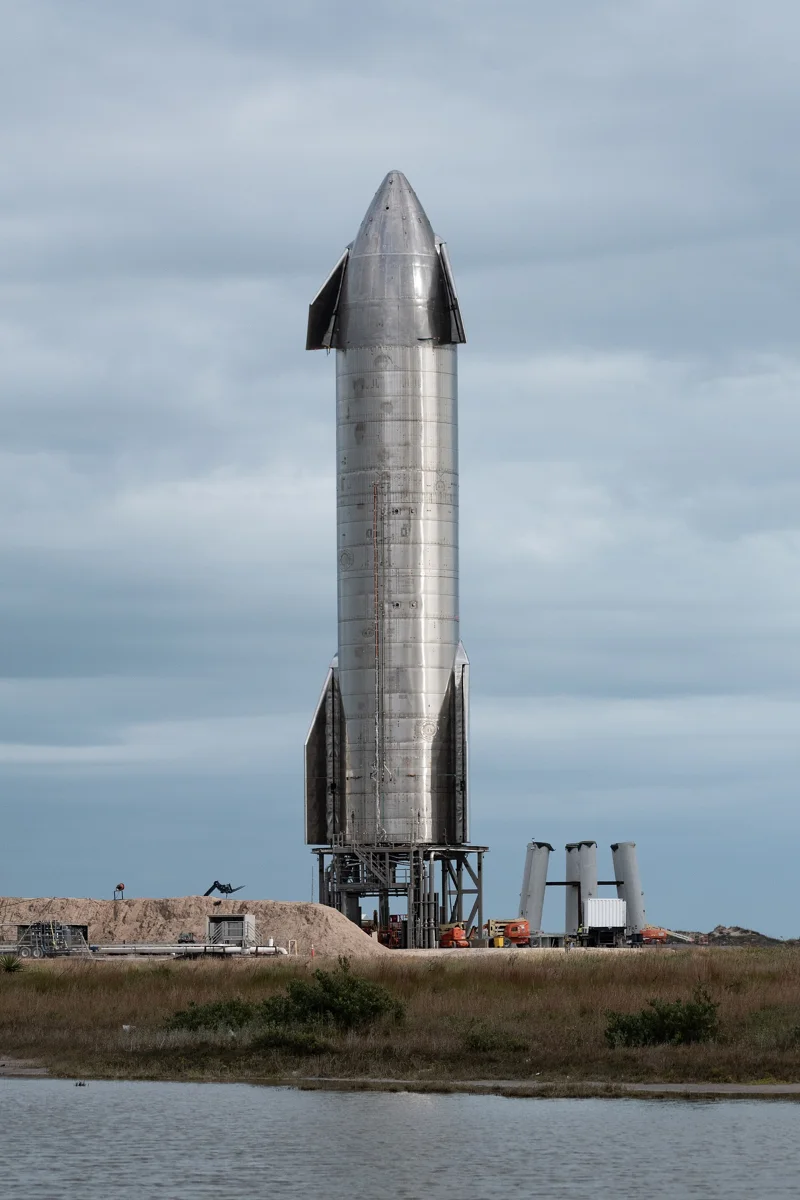
Starship is a two‑stage, fully reusable launch system standing more than 400 feet (122 m) tall. Its lower stage, Super Heavy, provides the initial thrust, while the upper stage—also called Starship—carries payloads to orbit. After liftoff, both stages are designed to return to the launch pad and be caught by the tower’s “chopstick” arms, enabling rapid turnaround. The company’s vision is that this rapid reusability will slash the cost per kilogram to orbit, opening new possibilities for large‑scale satellite constellations and deep‑space missions.
Recent Milestones: From Tests to Operational Flights
To date, Starship has completed 14 test flights, all from the South Texas site. The most notable recent flight, on Sept. 28, marked the rocket’s first orbital mission, delivering 26 Starlink V3 satellites—the inaugural members of a planned broadband network that could eventually host up to 100,000 spacecraft. These early operational flights demonstrate the vehicle’s ability to reach orbit and perform payload deployments, a critical step toward the higher launch frequency the company now seeks.
Phased Launch Cadence: From 100 to 456 Flights
The FAA’s review outlines a two‑phase approach. Phase 1 would allow up to 100 launches and 200 landings per year, with flights possible any day or time. Phase 2, the full proposal, would permit 456 launches and 912 landings annually, but restrict operations to weekdays (Monday‑Friday). Each launch entails two landings—one for Super Heavy and one for the Starship upper stage—so the landing count doubles the launch total.
Expanding the Launch Infrastructure
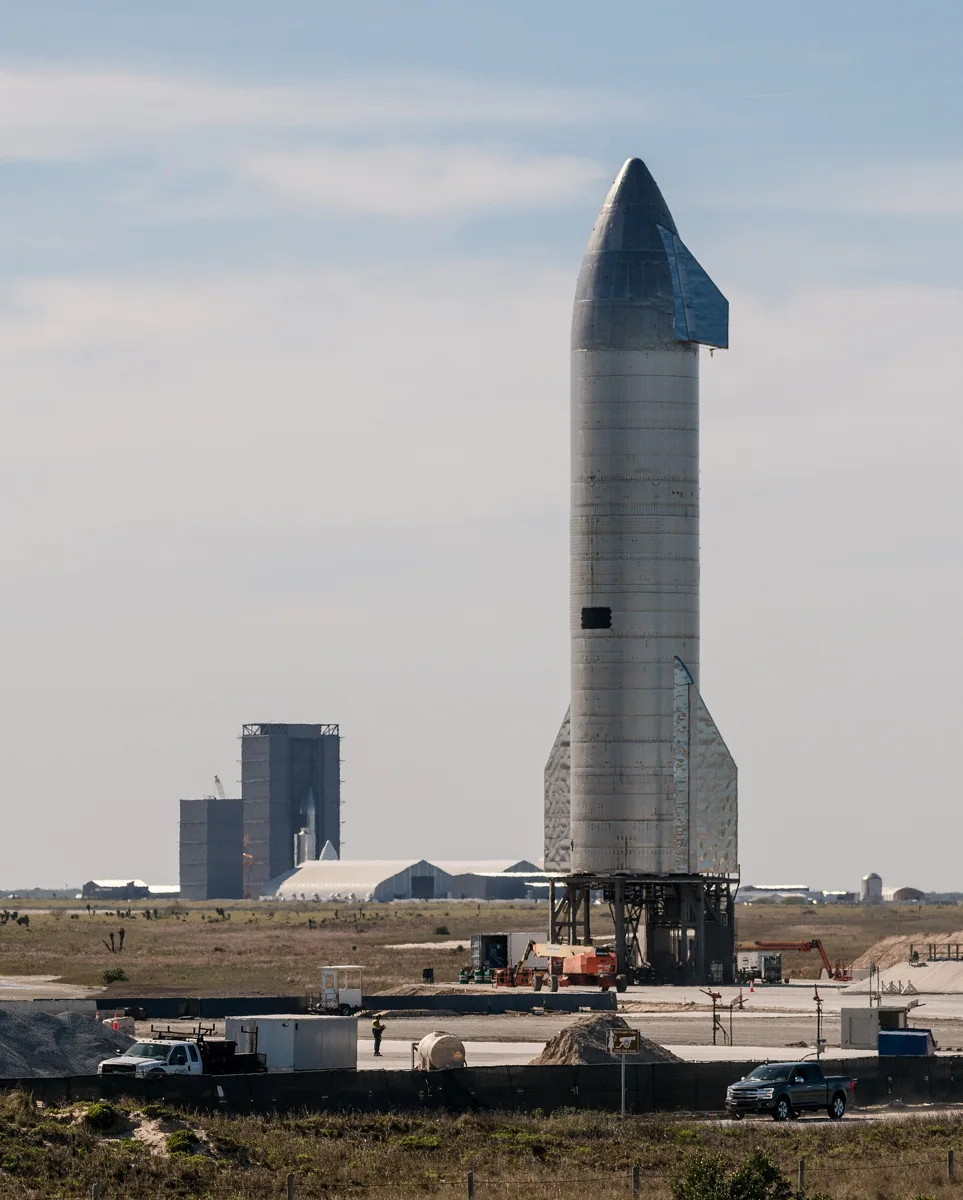
Starbase currently hosts two orbital launch pads, but SpaceX plans to add a third in Texas. The company also intends to build three pads on Florida’s Space Coast and is preparing a $100 billion, 12‑pad complex in Louisiana slated for groundbreaking next year. These additional sites would spread launch activity across the United States, reducing local environmental impact and providing redundancy for the high‑frequency schedule.
Environmental Review and Public Input
The FAA’s Programmatic Environmental Impact Statement will assess potential effects on air quality, noise, wildlife, and local communities. Five public‑scoping meetings are scheduled for November: two in‑person sessions on Nov. 17 at Texas Southmost College, two more on Nov. 19 at the Port Isabel Event & Cultural Center, and a virtual meeting on Nov. 18. Registration is required for all attendees. Community feedback will play a key role in shaping the final decision.
Why the Launch Frequency Matters for Future Missions
Elon Musk has spoken of a long‑term goal of more than 10,000 Starship flights per year by 2030, a figure that would support massive satellite constellations like the proposed Starmind AI megaconstellation, which could eventually host a million satellites. Even at 456 flights per year, the cadence would enable rapid deployment of large networks, reduce the time needed to build infrastructure on the Moon or Mars, and provide a testbed for future deep‑space missions. For a project like Mushroom 2 Mars, such launch capacity could mean more frequent cargo trips to support experimental habitats on the Red Planet.
SpaceX’s ambitious launch schedule, if approved, could accelerate humanity’s steps toward establishing a sustainable presence on Mars, where mushroom cultivation may one day help feed future explorers.
Sources
This article was prepared with AI assistance from the sources listed above and approved by the Mushroom 2 Mars team before publication.