A Bold Launch from Hainan
On 23 July 2020, China lifted off a nearly five‑ton spacecraft from the Wenchang launch complex on Hainan Island. The heavy‑lift Long March 5 rocket carried an orbiter, a lander and the Zhurong rover, together forming the Tianwen‑1 (literally “Questions to Heaven”) probe. This was the first time China sent a complete Mars‑bound system—orbiter, lander and rover—in a single launch, marking a major step for the China National Space Administration (CNSA).
Cruising the Inner Solar System
After leaving Earth, the spacecraft spent about seven months traveling through the inner Solar System. During this cruise it performed four trajectory‑correction burns and an extra maneuver to fine‑tune its heliocentric orbit. The onboard instruments were also checked for health, ensuring everything was ready for the long journey to the Red Planet.
Entering Martian Orbit
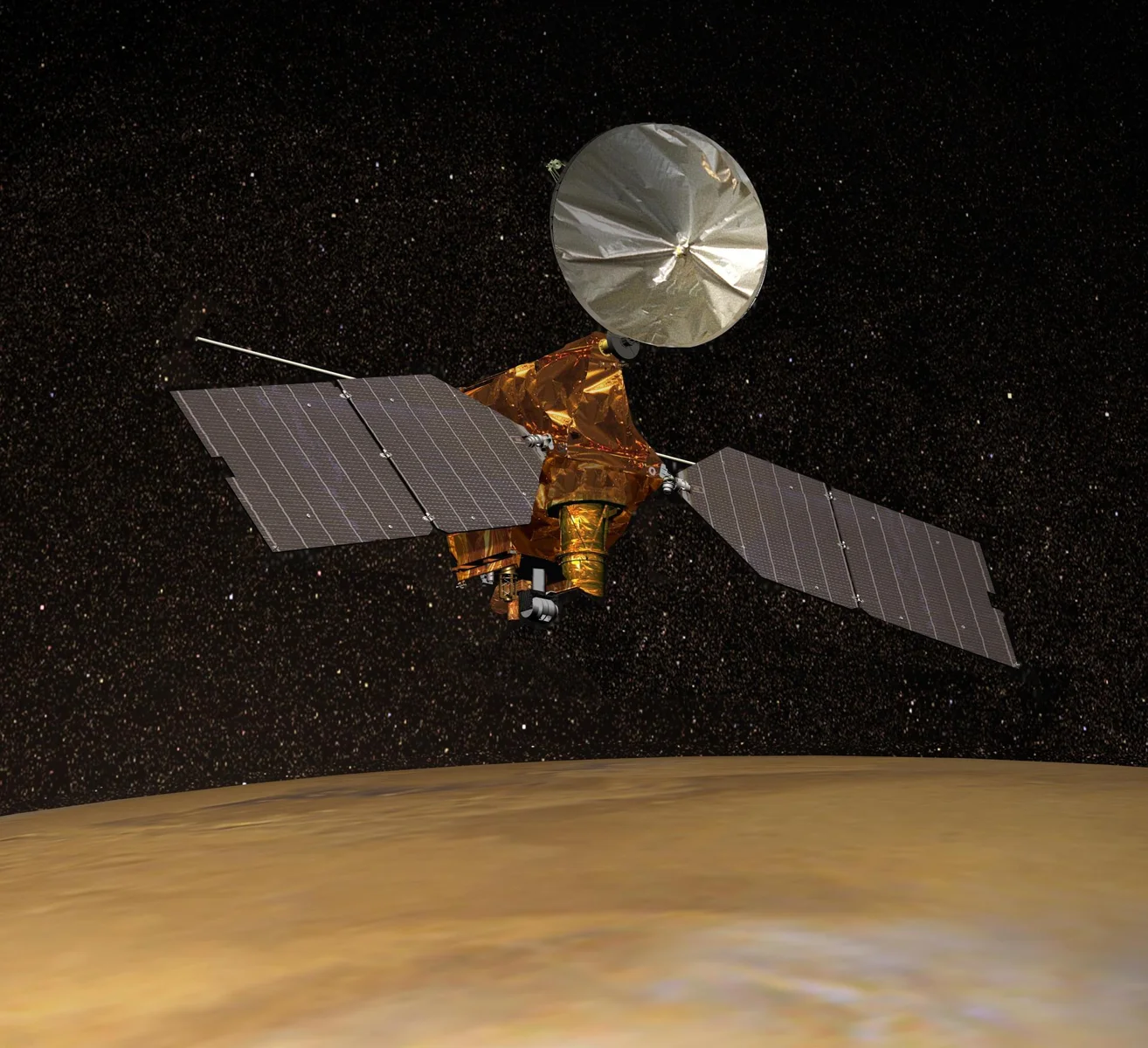
The probe reached Mars on 10 February 2021, slipping into a reconnaissance orbit. Over the next three months the orbiter mapped the planet and surveyed potential landing sites with its suite of 14 scientific instruments. These observations helped scientists understand surface geology, search for signs of water, and characterize the thin Martian atmosphere.
Historic Soft Landing
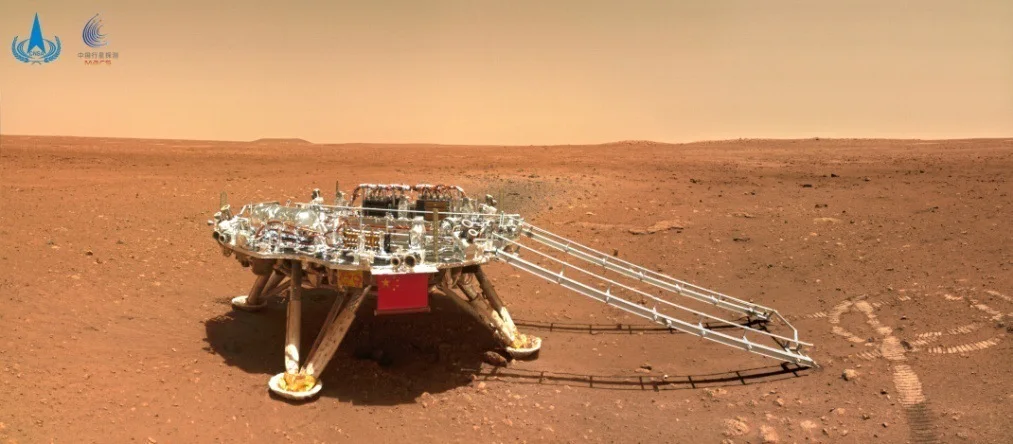
On 14 May 2021 the lander touched down safely in Utopia Planitia, making China the third nation to achieve a soft landing on Mars after the Soviet Union and the United States. The landing was followed by the deployment of the Zhurong rover on 22 May, which rolled down the descent ramp onto the surface. This made China the second country, after the United States, to land and operate a rover on its first attempt.
Zhurong on the Red Soil
Zhurong, named after a mythological fire god, carried a payload of scientific tools designed to study Martian rocks, soil, and the atmosphere. It also released a tiny “smallsat” camera—under one kilogram in mass—making it the lightest artificial object ever placed on Mars. The rover captured audio recordings, becoming the second mission after NASA’s Perseverance to record sound on the Martian surface. Zhurong operated for over a year before losing contact during a scheduled hibernation in 2023.
Engineering Firsts and Cultural Touches
Tianwen‑1 achieved several firsts: it was the heaviest Mars probe launched to date, the first mission to combine orbiter, lander and rover on a maiden attempt, and the first to deploy a selfie‑stick‑style camera in orbit. In early 2022 the orbiter released a second deployable camera (TDC‑2) that photographed the spacecraft itself and even displayed a Chinese flag to celebrate the Lunar New Year.
Looking Ahead
The success of Tianwen‑1 paves the way for China’s planned series of planetary missions, each numbered sequentially in the “Tianwen” series. Future flights aim to deepen our understanding of Mars’ climate history and may eventually support in‑situ resource utilization—an idea that resonates with our own Mushroom 2 Mars project, which imagines cultivating fungi on another world.
The Tianwen‑1 mission showcases how a blend of engineering, science, and cultural inspiration can expand humanity’s reach beyond Earth.
Sources
This article was prepared with AI assistance from the sources listed above and approved by the Mushroom 2 Mars team before publication.