From Planning to Launch: A New Era After Early Setbacks
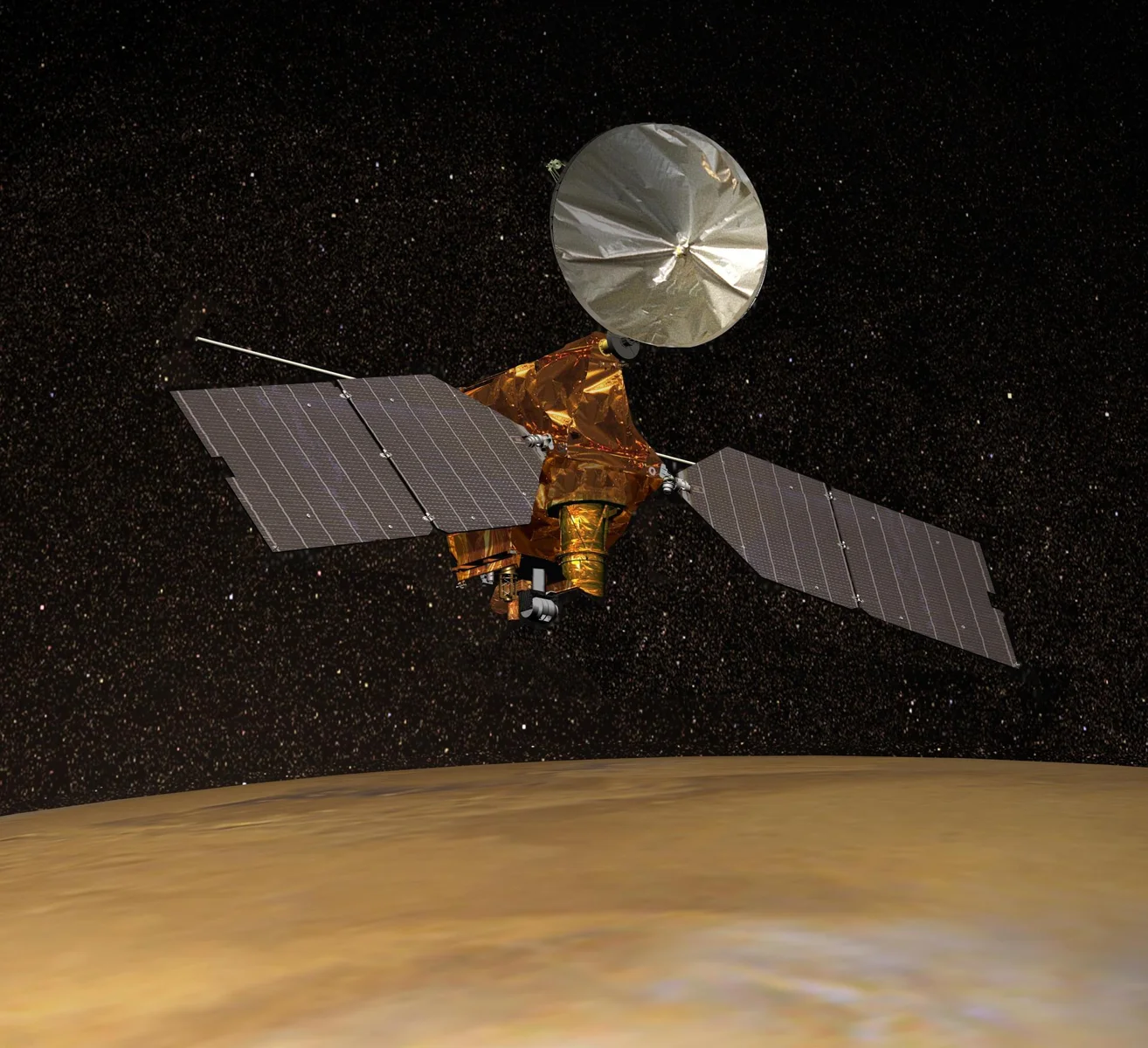
In the late 1990s NASA’s Mars Climate Orbiter and Polar Lander failed, prompting a major program rethink. By October 2000 the agency announced a streamlined “follow the water” strategy, which placed the Mars Reconnaissance Orbiter (MRO) at the heart of the next wave of exploration. Lockheed Martin was selected as the prime builder on 3 October 2001, and by the end of that year all scientific instruments were locked in. The spacecraft arrived at Kennedy Space Center on 30 April 2005, ready for a summer launch.
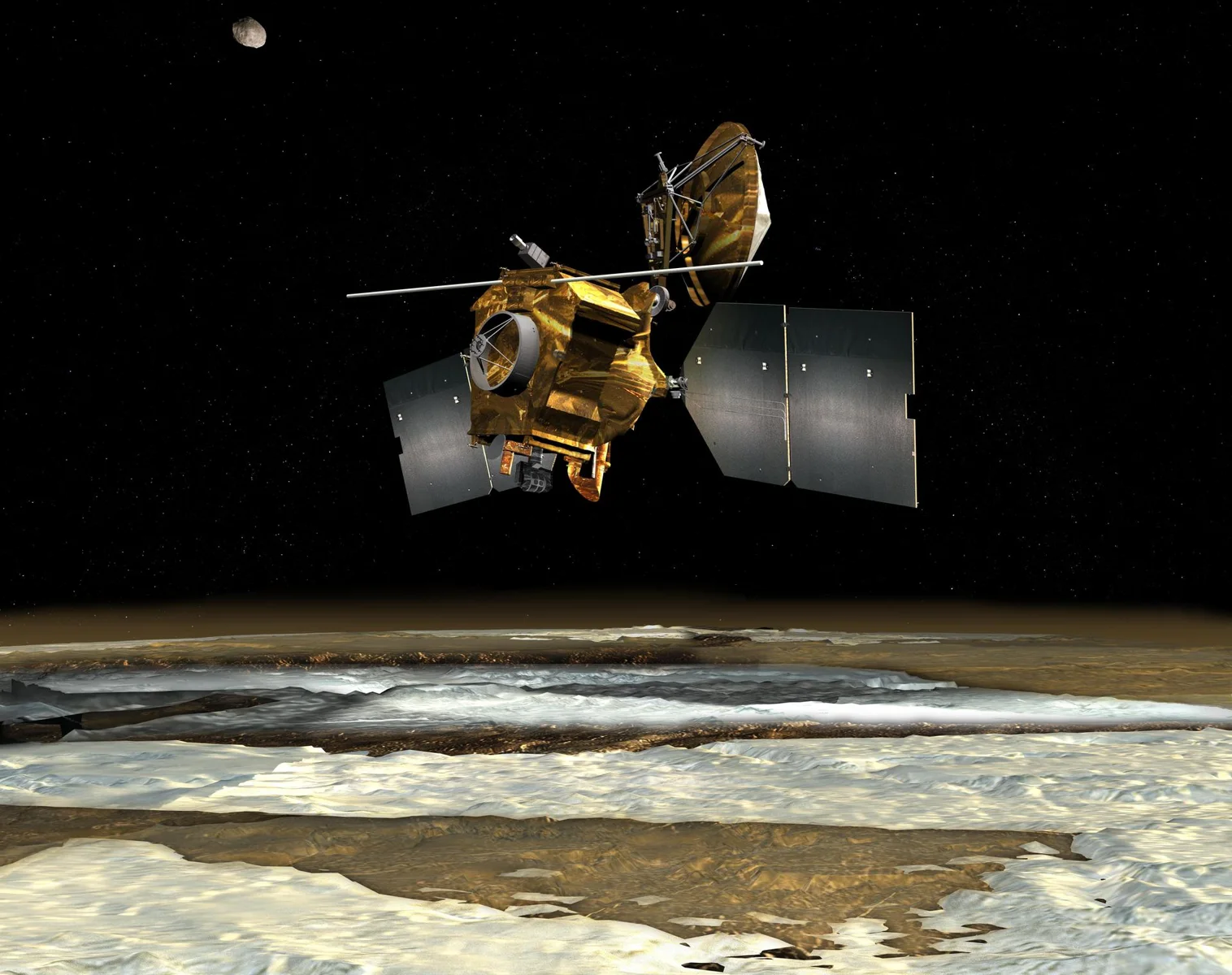
Launch, Cruise, and Precise Orbital Insertion
MRO lifted off on 12 August 2005 aboard an Atlas V‑401 from Cape Canaveral’s SLC‑41. The Centaur upper stage performed a 56‑minute burn that sent the probe on a seven‑and‑a‑half‑month interplanetary cruise. During this leg the team calibrated cameras, spectrometers, and the subsurface radar, while also planning four trajectory‑correction maneuvers. In the end only three were needed, saving roughly 27 kg of fuel for later use.
On 10 March 2006 MRO entered Mars’ sphere of influence, flying over the southern hemisphere at 370–400 km altitude. Six main engines fired for 27 minutes, slowing the craft by about 1 km s⁻¹. The burn was astonishingly accurate—within 0.01 % of the design speed change—requiring only a brief 35‑second supplemental burn. The resulting highly elliptical polar orbit had a 35.5‑hour period, with a periapsis of ~426 km and an apoapsis near 44,500 km.
Aerobraking: Saving Fuel for the Long Haul
Starting 30 March 2006, MRO began a three‑step aerobraking campaign that used Mars’ thin atmosphere to trim the orbit without expending large amounts of propellant. By repeatedly skimming the upper atmosphere, the spacecraft gradually lowered its periapsis, eventually achieving a near‑circular science orbit in November 2006. This maneuver not only conserved fuel but also extended the mission’s potential lifespan.
Scientific and Mission‑Support Objectives
MRO was built to do two things well: advance planetary science and serve as a communications hub for surface assets. Its primary science goals include: - Monitoring present‑day climate, especially atmospheric circulation and seasonal changes. - Searching for water in all forms—present ice, subsurface reservoirs, and ancient flow features. - Mapping geological processes that have shaped the Martian surface.
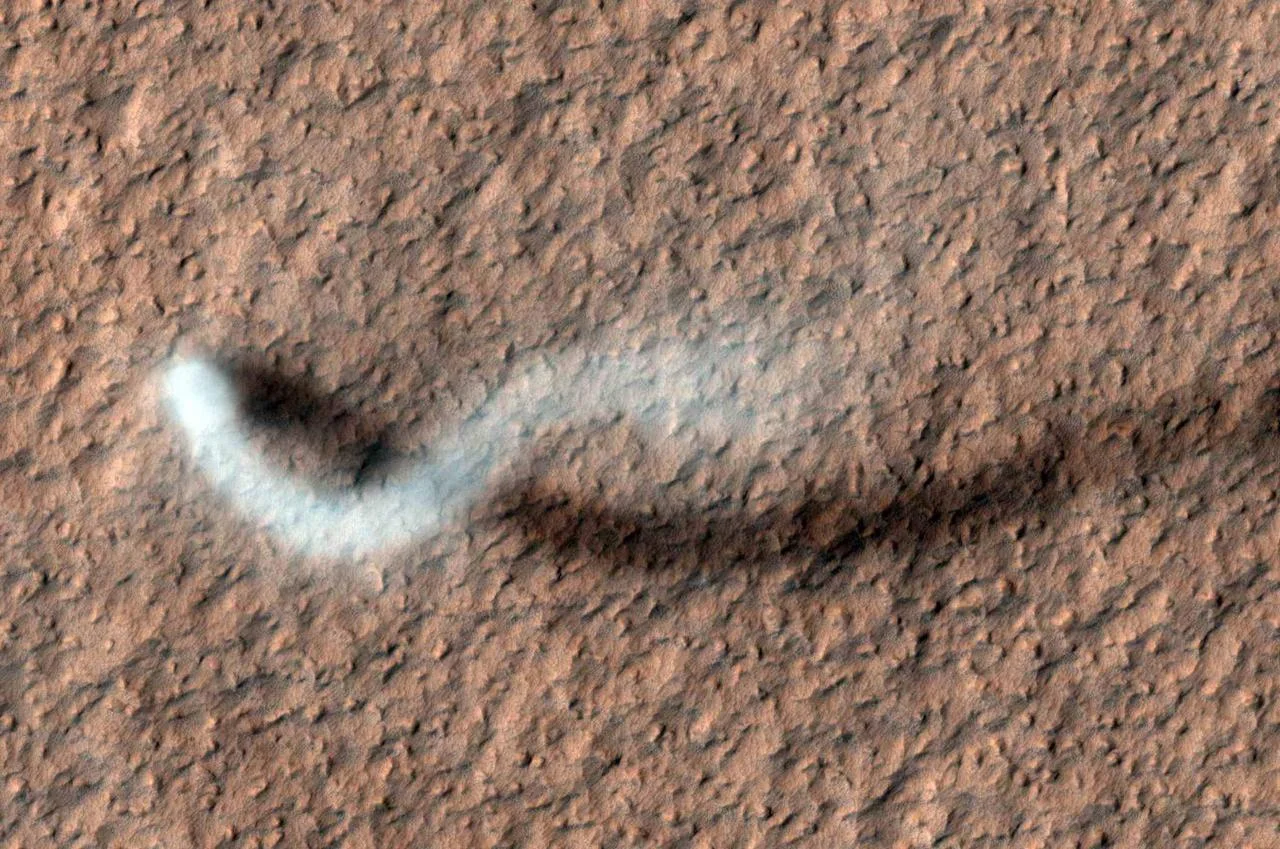
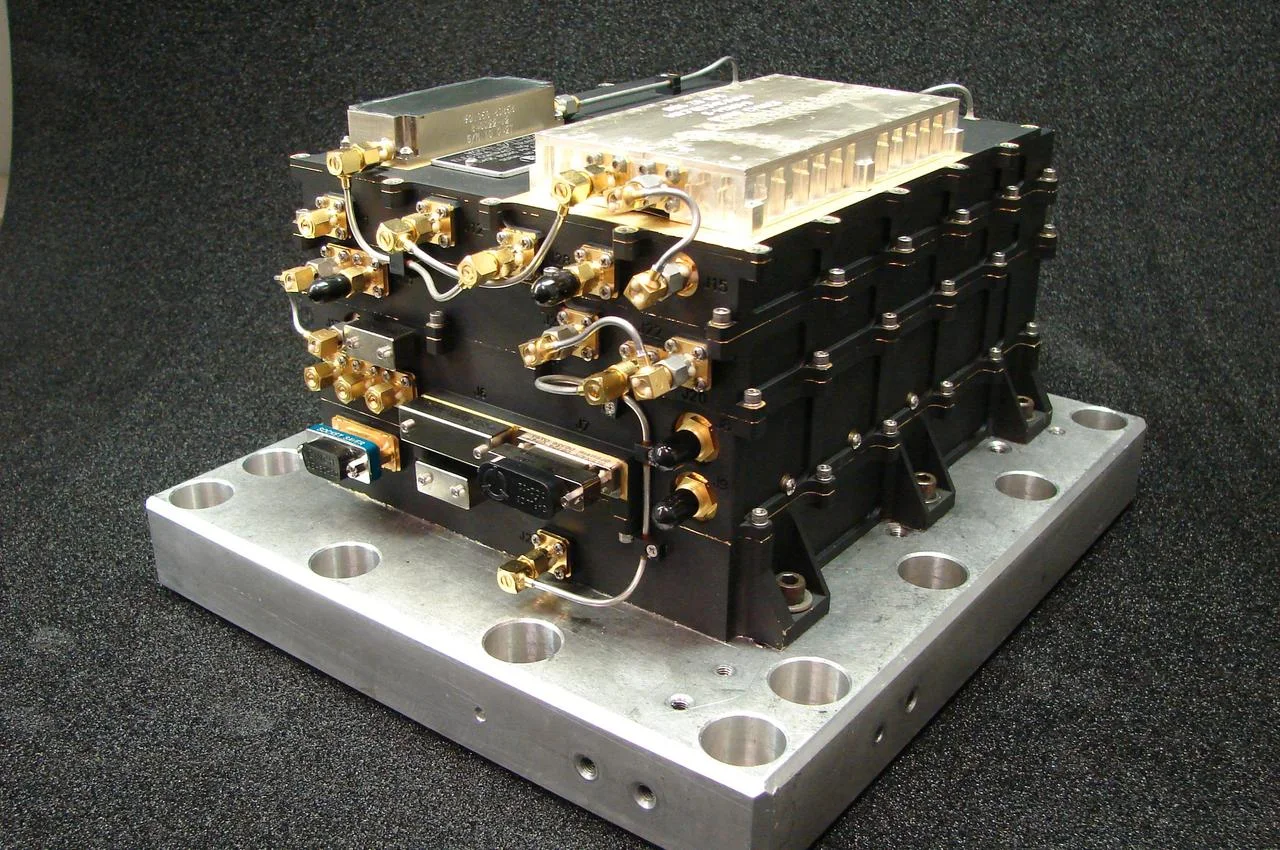
To support other missions, MRO relays data from rovers and landers, scouts safe landing zones, and records entry, descent, and landing (EDL) sequences. The orbiter’s suite of three high‑resolution cameras, two spectrometers, and a subsurface radar has delivered more than 450 terabits of data as of July 2023.
Enabling Landmark Landings
One of MRO’s most visible contributions has been its role in landing site selection. High‑resolution images helped NASA choose safe spots for the Phoenix lander (2008), the Curiosity rover (2012), the InSight lander (2018), and the Perseverance rover (2021). By mapping hazards such as steep slopes, large boulders, and dust‑laden terrains, MRO reduced risk for each of these high‑profile missions.
A Record‑Breaking Longevity
Designed for a primary science phase that ended in November 2008, MRO has far outlived its original expectations. After the primary phase, an extended science phase (2008‑2010) kept the orbiter busy while ground missions were delayed. Since 2010 the spacecraft has moved through a series of extended missions, each lasting two to three years. As of 21 October 2026 the orbiter has been active for 7 329 sols—over 20 years, 7 months, and 11 days—making it the third longest‑operating Mars orbiter after 2001 Mars Odyssey and Mars Express. Its high‑speed data‑relay capability remains critical, and NASA plans to keep it operational into the late 2020s.
Legacy and Future Impact
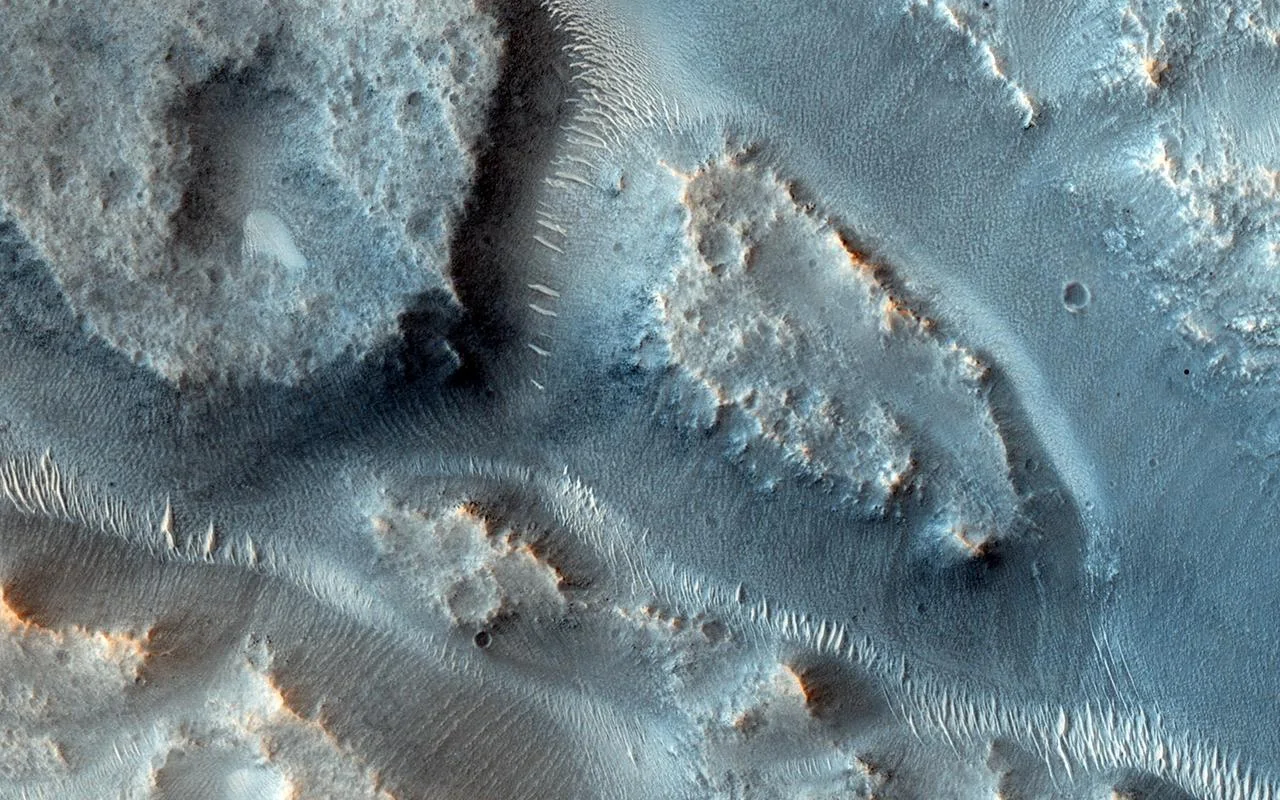
MRO’s wealth of data continues to shape scientific understanding of Mars. The discovery of pure water ice in previously unknown craters and the ongoing detection of seasonal surface flows have reinforced the idea that water was once abundant and may still exist in hidden reservoirs. Moreover, the orbiter’s detailed climate records are essential for modeling future human missions, including concepts for sustainable habitats that could one day grow mushrooms on Martian soil—an imaginative link to the Mushroom 2 Mars project.
The Mars Reconnaissance Orbiter stands as a testament to careful engineering, adaptable mission planning, and the power of a single spacecraft to serve both science and exploration for decades beyond its design life.
Sources
This article was prepared with AI assistance from the sources listed above and approved by the Mushroom 2 Mars team before publication.