From Earth to the Red Planet
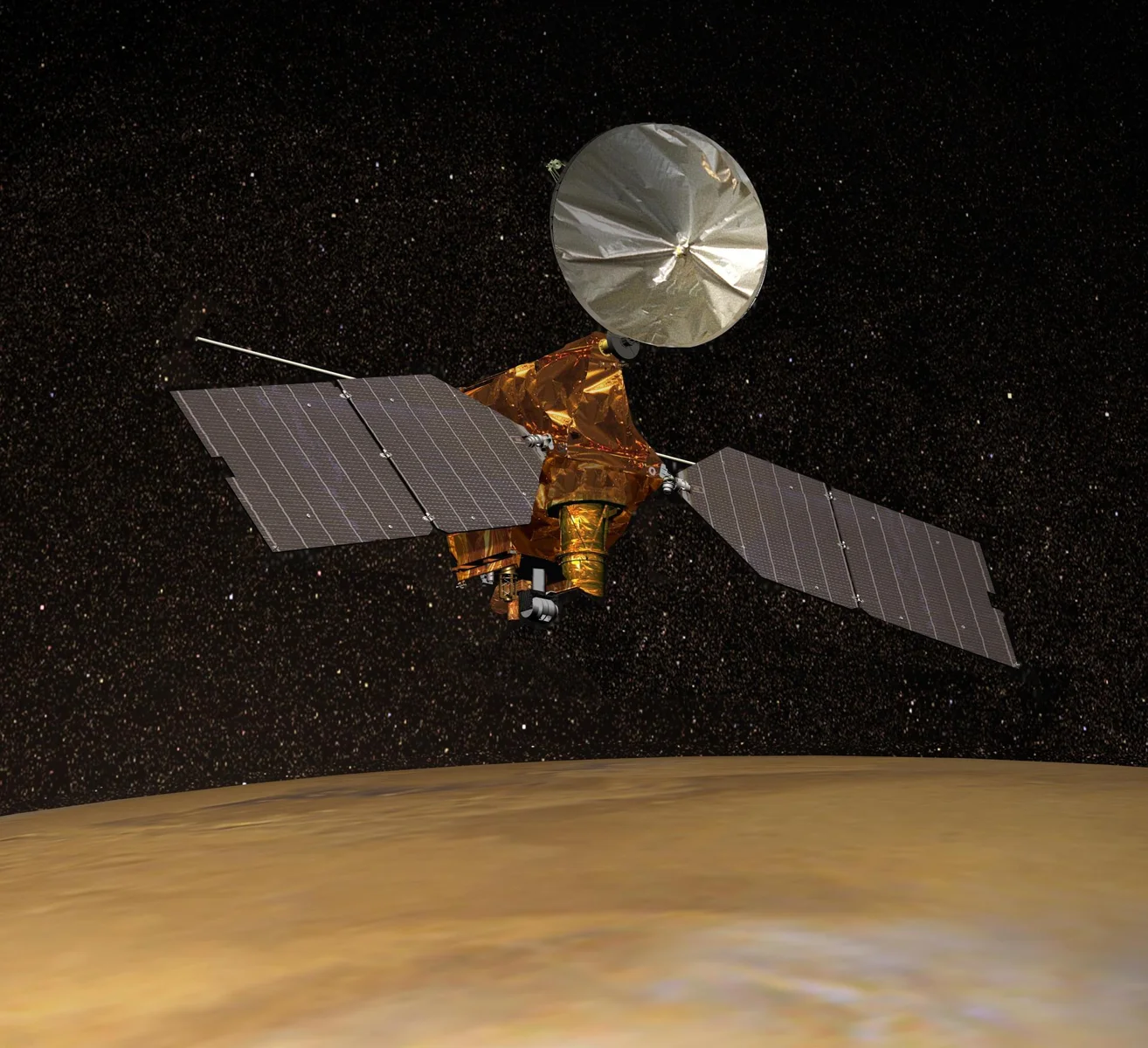
MAVEN (Mars Atmosphere and Volatile Evolution) lifted off on an Atlas V rocket from Cape Canaveral on 18 November 2013. After a seven‑month cruise it entered Mars orbit on 22 September 2014, settling into an elliptical path that ranged from roughly 6,200 km at its highest point to just 150 km above the surface at its lowest. The spacecraft’s primary goal was simple yet profound: to measure how the planet’s upper atmosphere and ionosphere lose gases to space, and to use those measurements to infer how Mars’ climate has changed over billions of years.
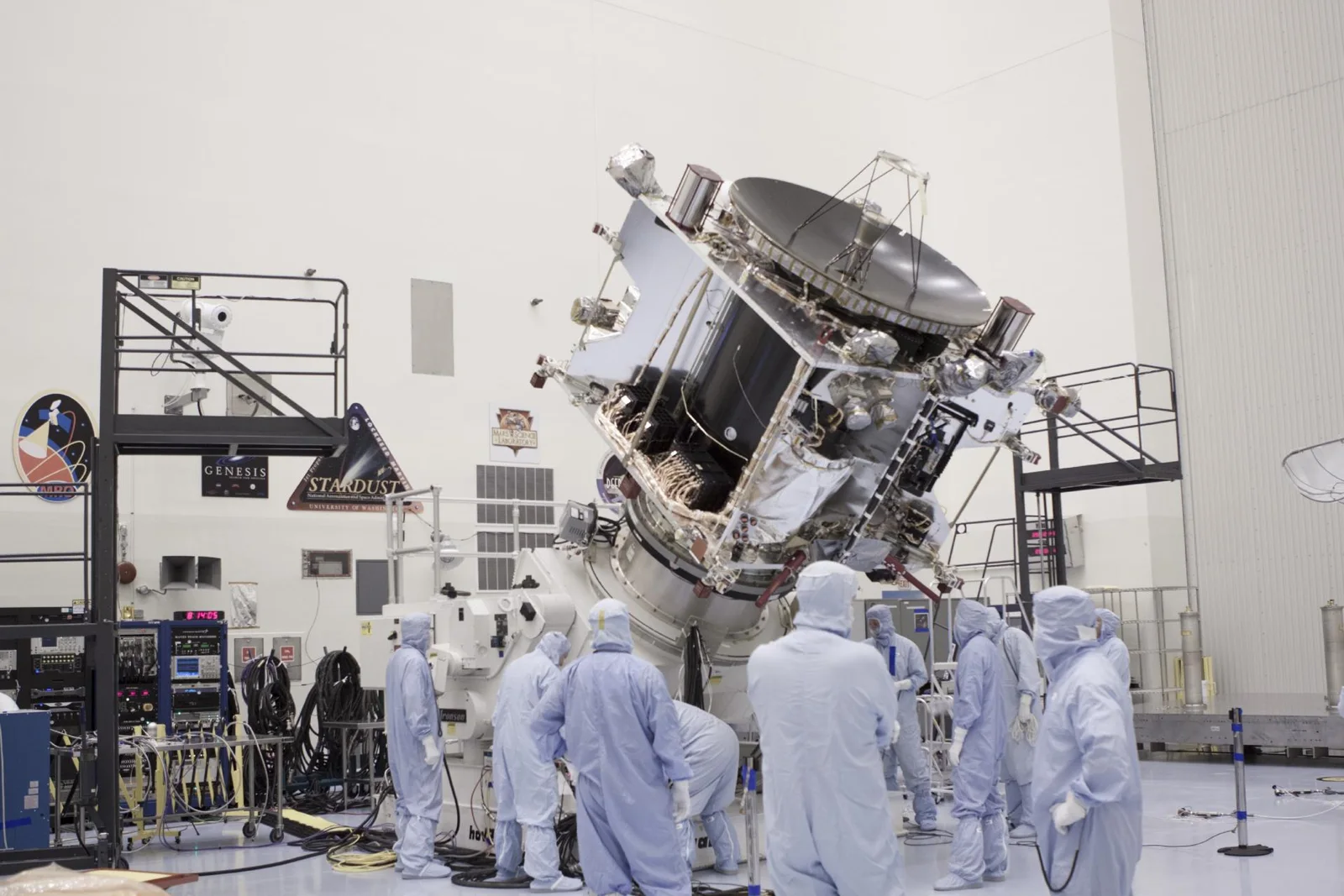
Why the Atmosphere Matters
Scientists know that ancient Mars once supported liquid water, as evidenced by dry river valleys and water‑forming minerals. To keep water liquid, a planet needs a thick, warm atmosphere. MAVEN’s instruments quantified the rate at which solar wind strips away volatile gases, revealing that Mars has likely lost about 99 % of its original atmosphere. By tracking the composition and structure of the upper atmosphere, the mission helped researchers back‑track through the planet’s geological record to estimate how much gas escaped over time.
Mission Milestones and Challenges
After commissioning in November 2014, MAVEN began its primary science phase, which was originally planned for one Martian year (about 687 Earth days). The spacecraft survived a close encounter with comet Siding Spring in October 2014, performing a protective maneuver while still gathering valuable data on cometary gases and dust. Its orbit was later lowered through a two‑month aerobraking campaign in early 2019, improving communication links for later rovers such as Perseverance.
The mission’s timeline also includes several unscheduled events: a maneuver in March 2017 to avoid a potential collision with Phobos, and the discovery of inertial measurement unit (IMU) failures in late 2021 that threatened orbital stability. Despite these hurdles, MAVEN continued operating well beyond its original one‑year plan, completing a full Martian year of observations in October 2016 and receiving extensions that kept it active through September 2018.
Leadership and Funding
The mission was proposed in 2006 as part of NASA’s Mars Scout Program and selected for development in 2008. Shannon Curry of the University of California, Berkeley took over as principal investigator in August 2021, succeeding Bruce Jakosky of the University of Colorado Boulder, who led the project from its inception until 2021. The total cost of building, launching, and operating MAVEN through its two‑year prime mission was about $582.5 million.
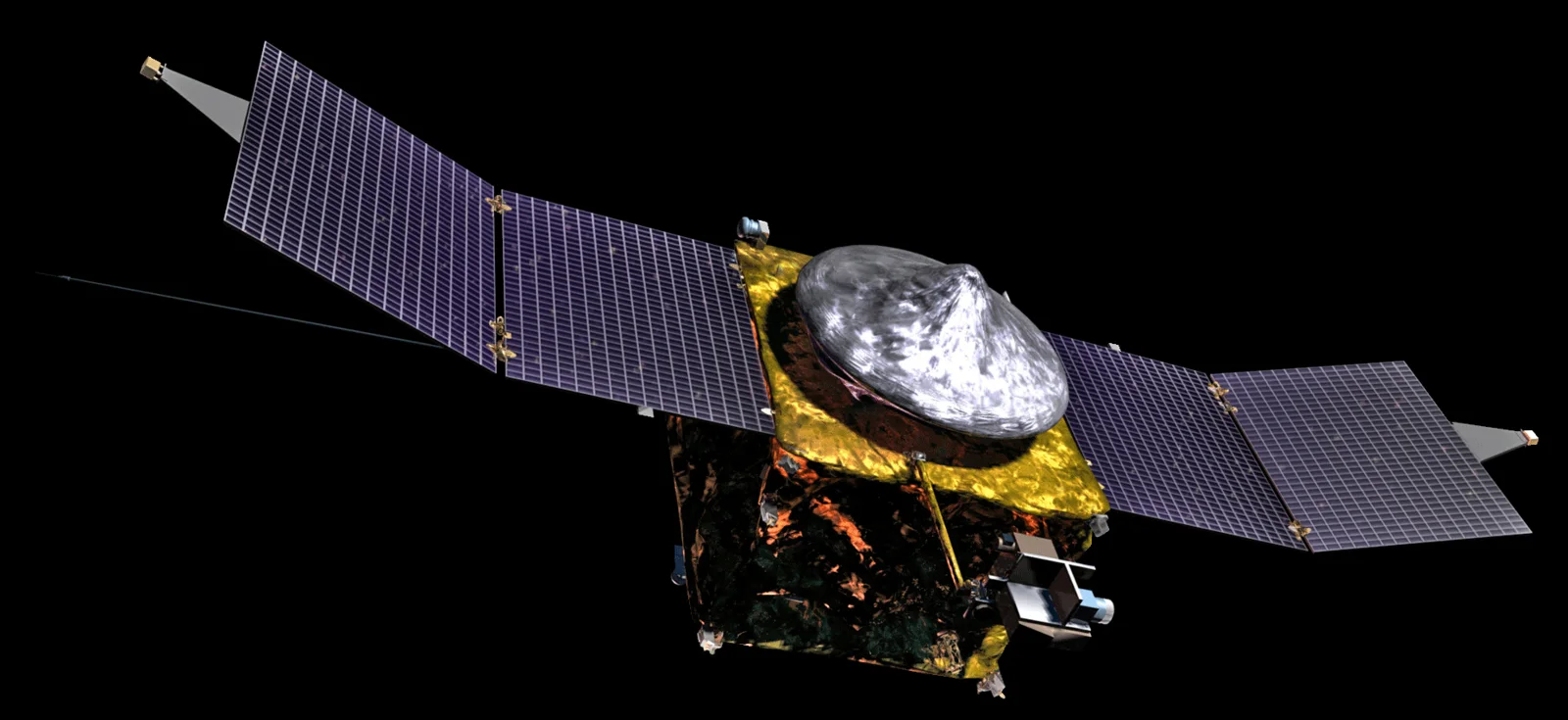
End of an Era
Contact with MAVEN was lost on 6 December 2025. NASA’s Deep Space Network attempted recovery for several weeks, but by January 2026 the spacecraft remained silent. A review board convened in February 2026 concluded that the probe was likely unrecoverable, and on 3 June 2026 NASA formally declared the mission concluded. While MAVEN is now inactive, its data continue to be analyzed, offering fresh insights into atmospheric escape processes that are relevant not only to Mars but also to exoplanet studies.
What MAVEN Means for Future Exploration
MAVEN’s findings reshape our understanding of how a planet can transition from a potentially habitable world to the barren landscape we see today. By quantifying atmospheric loss, the mission informs models that predict the long‑term habitability of other worlds and guides the design of future missions that might attempt to replenish or protect a thin Martian atmosphere. For enthusiasts of mushroom‑based terraforming concepts, MAVEN’s data provide a scientific backdrop for imagining how engineered ecosystems could someday thrive under a restored Martian sky.
In short, MAVEN turned a silent, thin atmosphere into a story of loss, change, and the enduring quest to understand our planetary neighbor.
Sources
This article was prepared with AI assistance from the sources listed above and approved by the Mushroom 2 Mars team before publication.