Part of the guide: Mycology: A Complete Guide to Fungi, Cultivation, and Safety
Sacred Mycelium: Early Texts and the Question of Fungi
Ancient legal and ritual texts often mention food categories, yet mushrooms appear only sporadically. In the Hebrew Bible, the term "kiddush ha‑ma'aseh" (sanctified food) lists grain‑based offerings but omits fungi, leading later rabbinic scholars to treat mushrooms as "non‑kosher" by default because they cannot be clearly identified as plant or animal (Mishnah, Tractate Kiddushin). The Talmud (Sanhedrin 59b) records a debate about whether wild mushrooms are permissible, concluding that without reliable identification they should be avoided. This cautious stance reflects a broader principle in Jewish law: "safek d'oraita l'chumra" – when in doubt about a biblical command, act stringently.
Buddhist and Hindu Perspectives: Purity, Compassion, and Seasonal Rules
In many Buddhist monastic codes (Vinaya), monks may eat only what is offered by lay supporters. Historically, wild mushrooms were rarely presented because they were considered impure or unclean due to their hidden growth. Some Mahayana commentaries advise avoiding mushrooms during Vassa (the rains retreat), when the forest is most fertile, to reduce the risk of ingesting poisonous species.
Hindu dietary law (the Ahimsa principle) promotes vegetarianism, yet regional texts differ on fungi. The Manusmriti (circa 2nd‑century BCE) lists "madhuka" (a term sometimes interpreted as mushroom) among foods that may be eaten by certain castes but discouraged for Brahmins, who are expected to consume only "sattvic" (pure) foods. In South Indian temple cuisine, mushrooms are rarely featured, reflecting a cultural bias rather than a theological prohibition.
Islamic Jurisprudence: From the Qur'an to Contemporary Fatwas
The Qur'an does not explicitly mention mushrooms, but classical fiqh (jurisprudence) addresses them under the category of "ghayr mawhūb" (non‑permitted) when the species cannot be reliably identified. Prominent scholars such as Imam al‑Ghazzālī (11th century) wrote that mushrooms are "makruh" (disliked) because they grow without visible roots, making their nature ambiguous. Modern fatwas in several Muslim‑majority countries continue this cautious approach, permitting cultivated, clearly identified edible mushrooms while advising against foraging without expert guidance.
Indigenous North‑American Traditions: Spiritual Gifts and Taboo
Many Native American nations hold mushrooms in a dual role: as sacred allies in vision quests and as potential sources of danger. The Ojibwe word "giizis" (moon) is linked to certain bolete species used in ceremonial contexts, whereas the Cherokee traditionally avoided all wild fungi, fearing the "spirit of the forest" could be offended. Ethnobotanical surveys (e.g., the 1995 Journal of Ethnobiology study) show that these taboos were less about toxicity and more about maintaining respectful relationships with the land.
European Medieval Regulations: Guilds, Markets, and Moral Anxiety
During the Middle Ages, European towns enacted market ordinances that regulated mushroom sales. In 13th‑century Bologna, a city decree required sellers to display a "mushroom badge" proving the fungi were cultivated in controlled gardens, not foraged from forests where poisonous varieties grew. This reflects a growing awareness of mushroom toxicity and an early form of consumer protection.
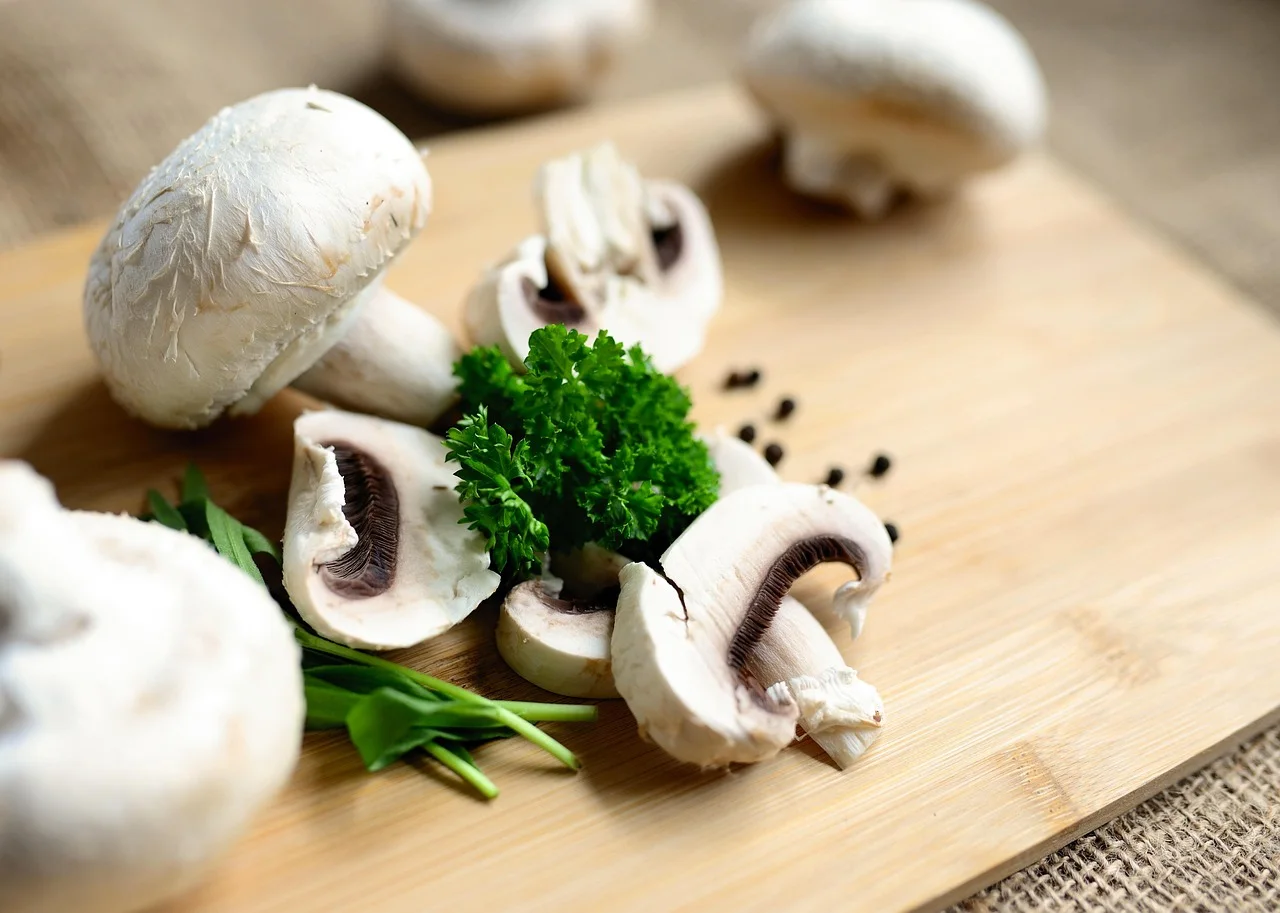
The Catholic Church also influenced attitudes. While some monastic gardens cultivated Agaricus bisporus (the common button mushroom) for nutrition, sermons occasionally warned that "the hidden fruit of the earth may bring hidden sin", equating unknown mushrooms with moral temptation. Such rhetoric reinforced a cultural wariness that persisted into the early modern period.
Modern Secular Shifts: From Taboo to Trend
In the 20th century, scientific mycology clarified which species are safe, leading many formerly taboo cultures to embrace mushrooms as a culinary staple. However, remnants of older prohibitions linger. For example, some Jewish communities still avoid wild mushrooms during Passover, citing uncertainty about leavening, while certain Muslim households continue to prefer farm‑grown varieties.
The transition from suspicion to acceptance illustrates how legal and religious frameworks can evolve alongside scientific knowledge. Today, global cuisine celebrates mushrooms in dishes ranging from Italian risotto to Japanese shiitake broth, yet the historical layers of regulation remain a fascinating backdrop.
Understanding the interplay between dietary law and mushroom consumption reveals a common thread: the need for reliable identification. Whether guided by scripture, tradition, or modern science, societies have tended to err on the side of caution when the nature of a fungus is unclear. As we look toward future habitats—perhaps even cultivating mushrooms on Martian soil—this legacy of careful stewardship may guide sustainable food practices beyond Earth.
Sources
- Mishnah, Tractate Kiddushin
- Vinaya Pitaka – Buddhist Monastic Code
- Manusmriti translation
- Imam al‑Ghazzālī on food purity
- Journal of Ethnobiology 1995 mushroom study
This article was prepared with AI assistance from the sources listed above and approved by the Mushroom 2 Mars team before publication.