Part of the guide: Mycology: A Complete Guide to Fungi, Cultivation, and Safety
The Mushroom as a Trickster in Highland Tales
In many Highland stories, the mushroom is portrayed as a clever trickster that outwits humans. One well‑known example is the tale of the Fairy Ring of Glenfinnan, where a wandering traveler steps into a perfect circle of mushrooms and is whisked away to the realm of the sìth (fairies). The story warns listeners that curiosity can lead to unexpected consequences, a theme echoed in other Celtic traditions where fairy rings serve as portals to other worlds.
The trickster motif reflects the unpredictable nature of fungi—appearing overnight, spreading silently, and sometimes turning a pleasant meadow into a mysterious, otherworldly space.
Mushrooms as Moral Guardians
Another recurring motif is the mushroom as a guardian of moral order. In the legend of the Haggis‑Mushroom of Skye, a humble shepherd discovers a glowing toadstool that glows brighter when he tells the truth and dims when he lies. The mushroom’s light guides him through a dark mountain pass, rewarding honesty.
Folklorists note that such stories use the mushroom’s natural bioluminescence (seen in some Mycena species) as a metaphor for inner virtue, teaching children the value of truthfulness.
The Healing Mushroom Myth
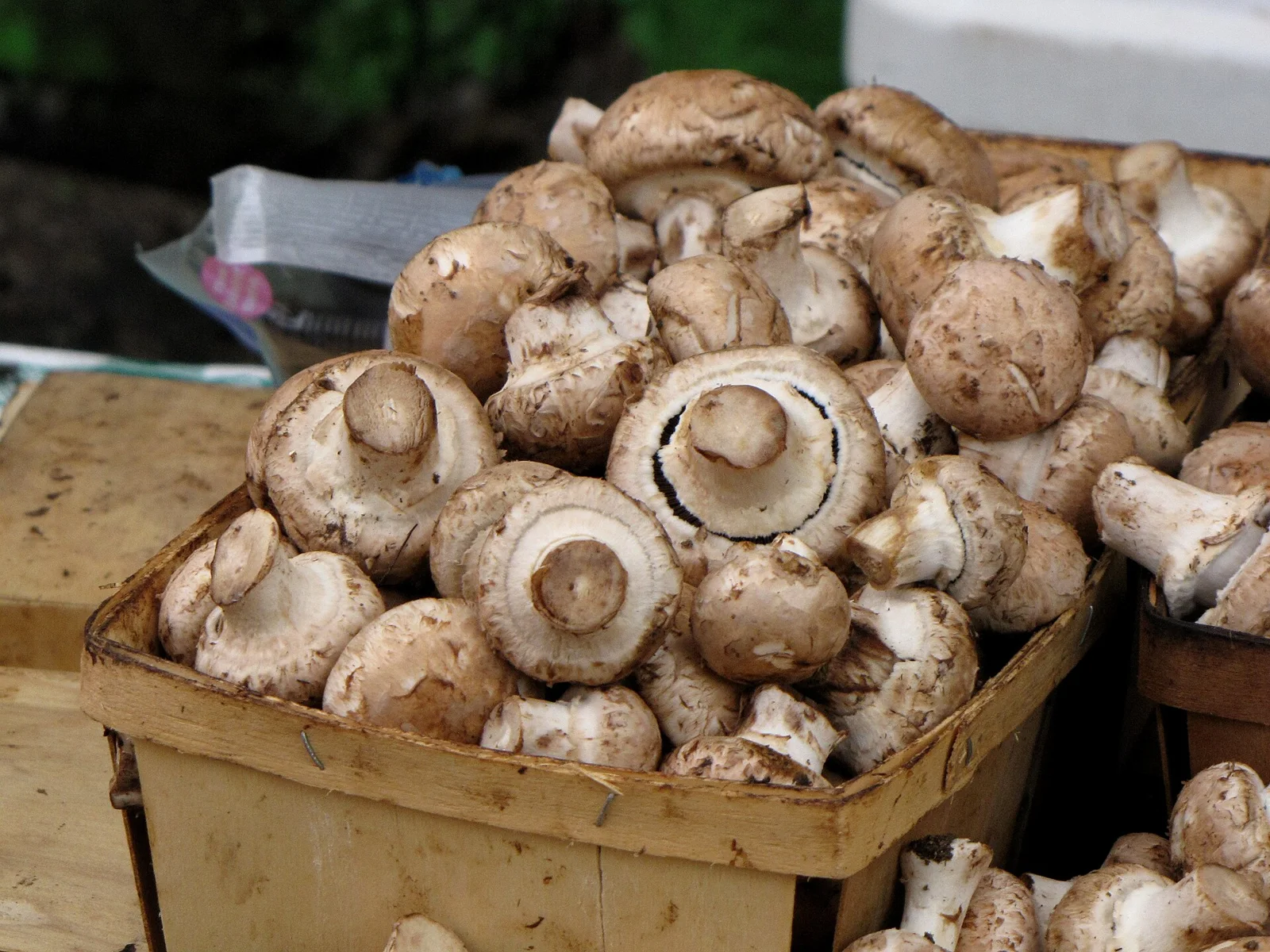
Highland folklore also links mushrooms to healing, though always with caution. The “Moorland Mushroom Healer” tale tells of a wise old woman who gathers Agaricus caps to brew a soothing broth for a wounded warrior. The narrative emphasizes that the remedy works only when the mushroom is properly identified and prepared, underscoring the community’s long‑standing respect for expert knowledge.
Modern mycologists echo this sentiment, reminding us that while certain mushrooms contain beneficial compounds, safe identification and cooking are essential.
The Mushroom as a Symbol of Community
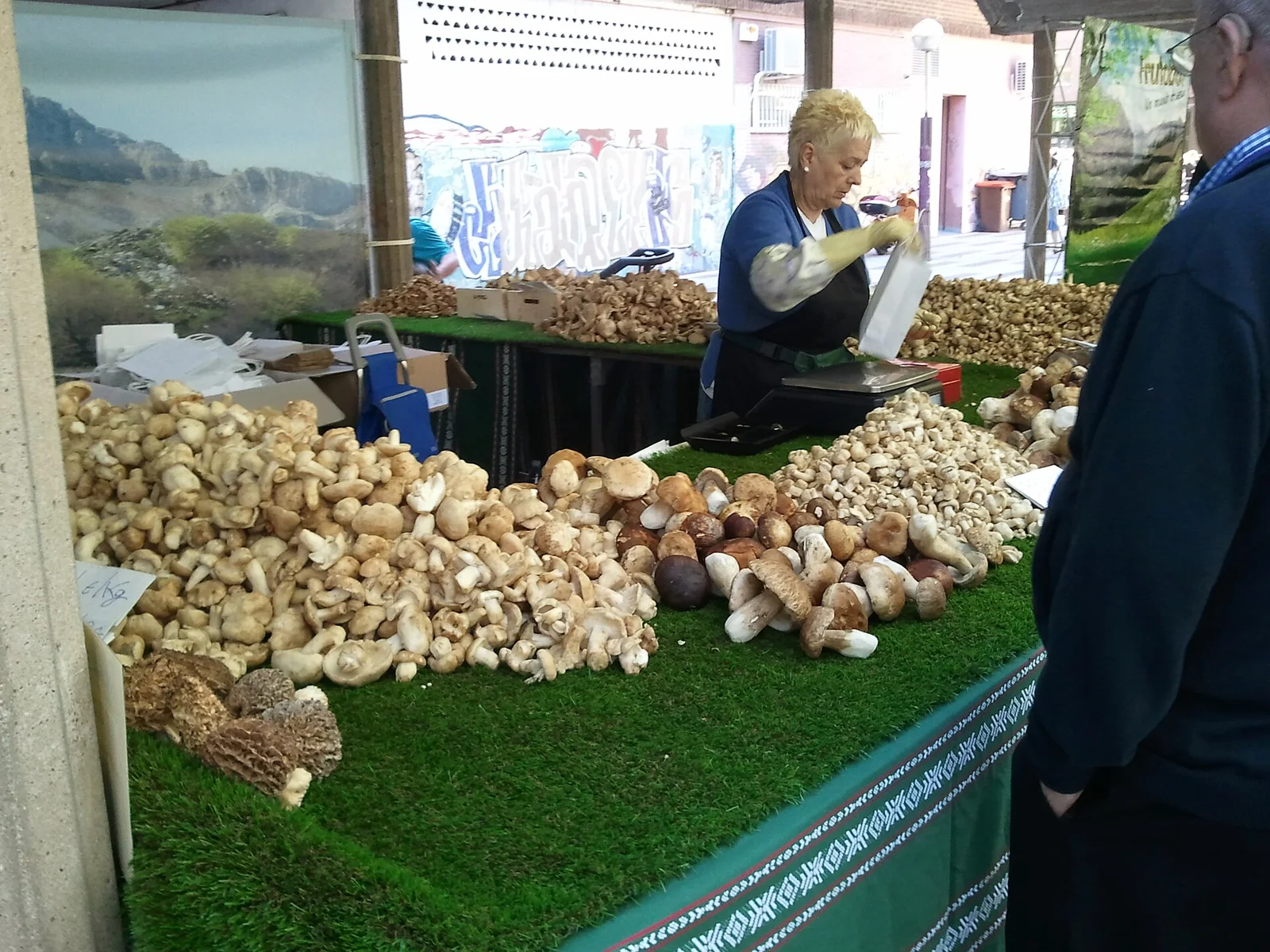
In communal gatherings, mushrooms often symbolize shared bounty. The story of the Great Mushroom Feast of Loch Lomond recounts villagers pooling wild‑collected Pleurotus (oyster mushrooms) for a winter banquet. The tale celebrates cooperation and the idea that collective effort transforms a modest foraged find into a feast fit for a clan.
This reflects historic Highland practices where seasonal mushroom foraging was a social activity, strengthening bonds and ensuring food security.
Warning Tales: The Dangerous Amanita
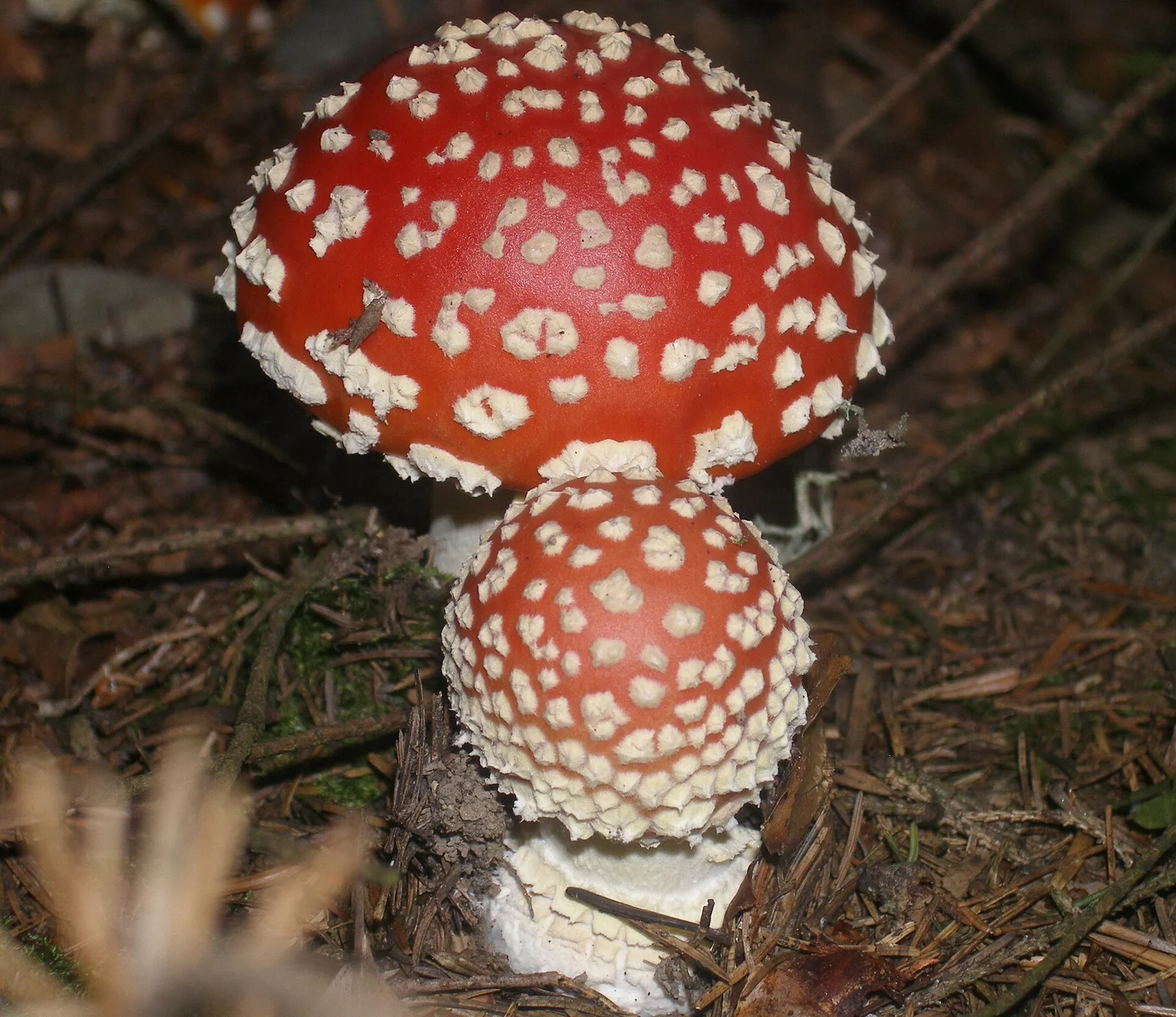
Not all mushroom stories are benign. The cautionary legend of the Red‑Cap Witch of the Cairngorms warns of a bright red mushroom that lures children into the woods. In the tale, the mushroom is a disguised Amanita muscaria, whose alluring color masks toxicity. The narrative ends with the children being rescued by a shepherd who knows how to recognize the dangerous species.
Such warnings serve a practical purpose—teaching listeners, especially the young, to respect expert identification and avoid consuming unknown fungi.
From Folklore to Modern Mars Dreams
These Highland narratives show how mushrooms have long occupied a space between the ordinary and the magical. Today, the same sense of wonder inspires projects like Mushroom 2 Mars, which imagines cultivating fungi on the Red Planet as a sustainable food source. By honoring the stories that once taught caution, community, and curiosity, we can carry the cultural legacy of mushrooms from the misty hills of Scotland to the dusty plains of Mars.
Sources
- Folklore of the Scottish Highlands
- Mushrooms in Celtic Mythology
- Amanita muscaria in Scottish Legends
This article was prepared with AI assistance from the sources listed above and approved by the Mushroom 2 Mars team before publication.