Part of the guide: Mycology: A Complete Guide to Fungi, Cultivation, and Safety
Sacred Spots and Mushroom Avoidance
In many remote hamlets of the Nepalese and Bhutanese highlands, certain forest clearings are considered sacred. Elders teach children that picking mushrooms in these spots can anger local spirits, known locally as lha in Bhutan or bhoot in Nepal. The belief is that the spirits protect the forest’s balance; disturbing the fungi may bring misfortune to the household, such as a failed harvest or illness. Anthropologists have recorded similar protective taboos in other Himalayan cultures, noting that they help preserve biodiversity by limiting foraging pressure in ecologically sensitive zones (Bennett 2022).
Colorful Omens: Red Caps and Bad Luck
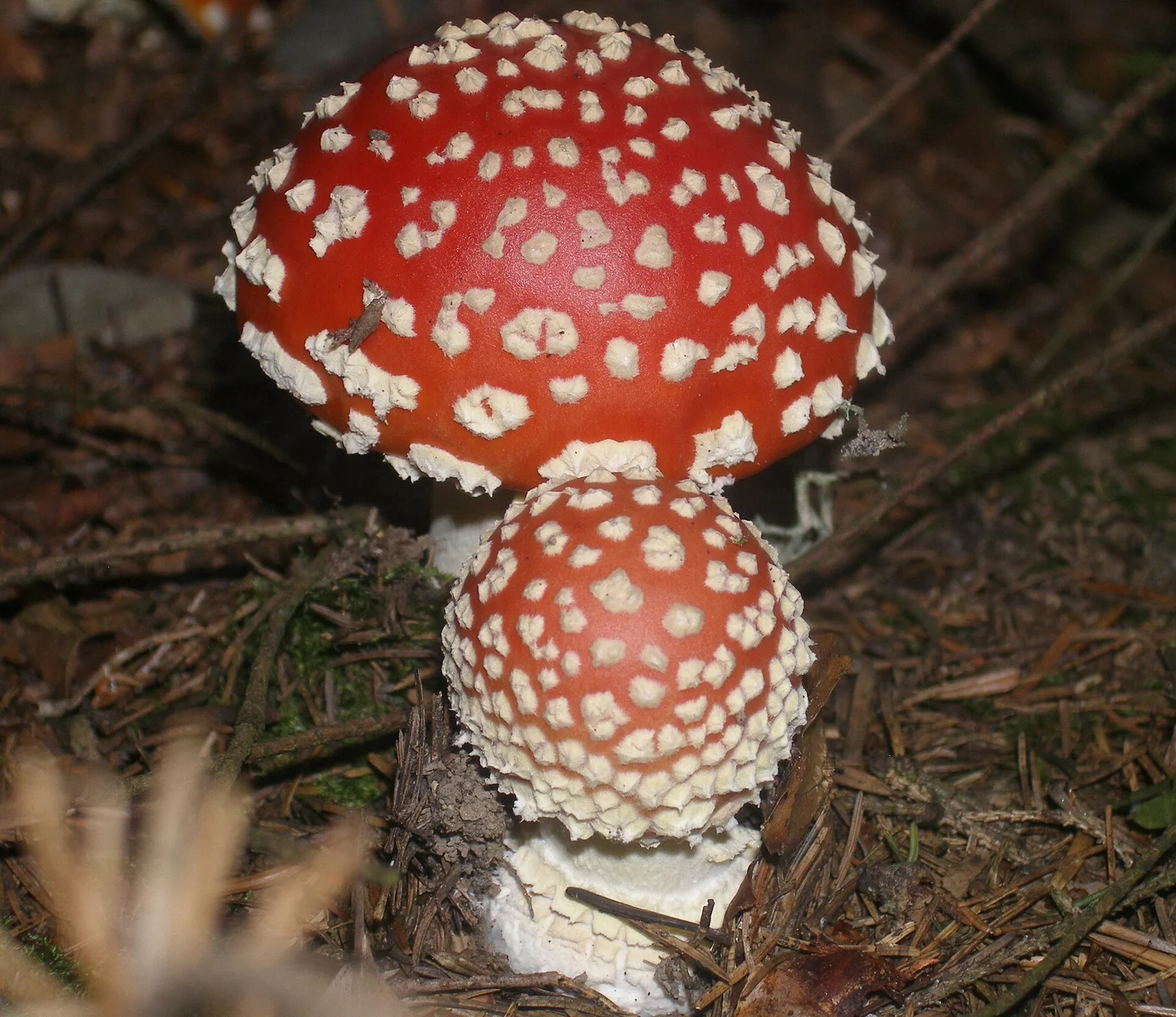
A recurring motif in village folklore is the red‑capped mushroom. While scientifically many Amanita species display bright hues, locals often interpret a sudden appearance of red caps after a storm as a warning. According to a 2021 field study in the Langtang region, villagers associate these mushrooms with the arrival of a heavy snowfall or a landslide, urging families to secure livestock and store extra food. The omen is not a guarantee of disaster but serves as a communal cue to prepare for harsh weather.
The “Talking” Mushroom Tale
One of the most vivid stories comes from the Bumthang valley in Bhutan, where an elderly monk once told a tale of a talking mushroom. The legend says a traveler who ignored a warning sign and ate a wild mushroom later dreamed of the fungus speaking, pleading for its life and promising a curse if the act was repeated. The moral—respect the forest and its unseen voices—reinforces caution when foraging. Scholars note that such narratives function as oral safety nets, embedding practical advice within memorable myth (Khandu 2020).
Protective Charms and Rituals
Before a mushroom‑gathering expedition, some families perform a small ritual: they sprinkle a pinch of salt around the base of a tree and whisper a short prayer to the forest deity. This act is believed to “purify” the forager’s intentions, ensuring that only harmless, edible fungi are found. The practice mirrors broader Himalayan customs of offering torma (ritual cakes) to spirits before entering sacred groves. While the ritual does not guarantee safety, it provides psychological comfort and reinforces community cohesion (Rinchen 2019).
Taboo Species and Social Consequences
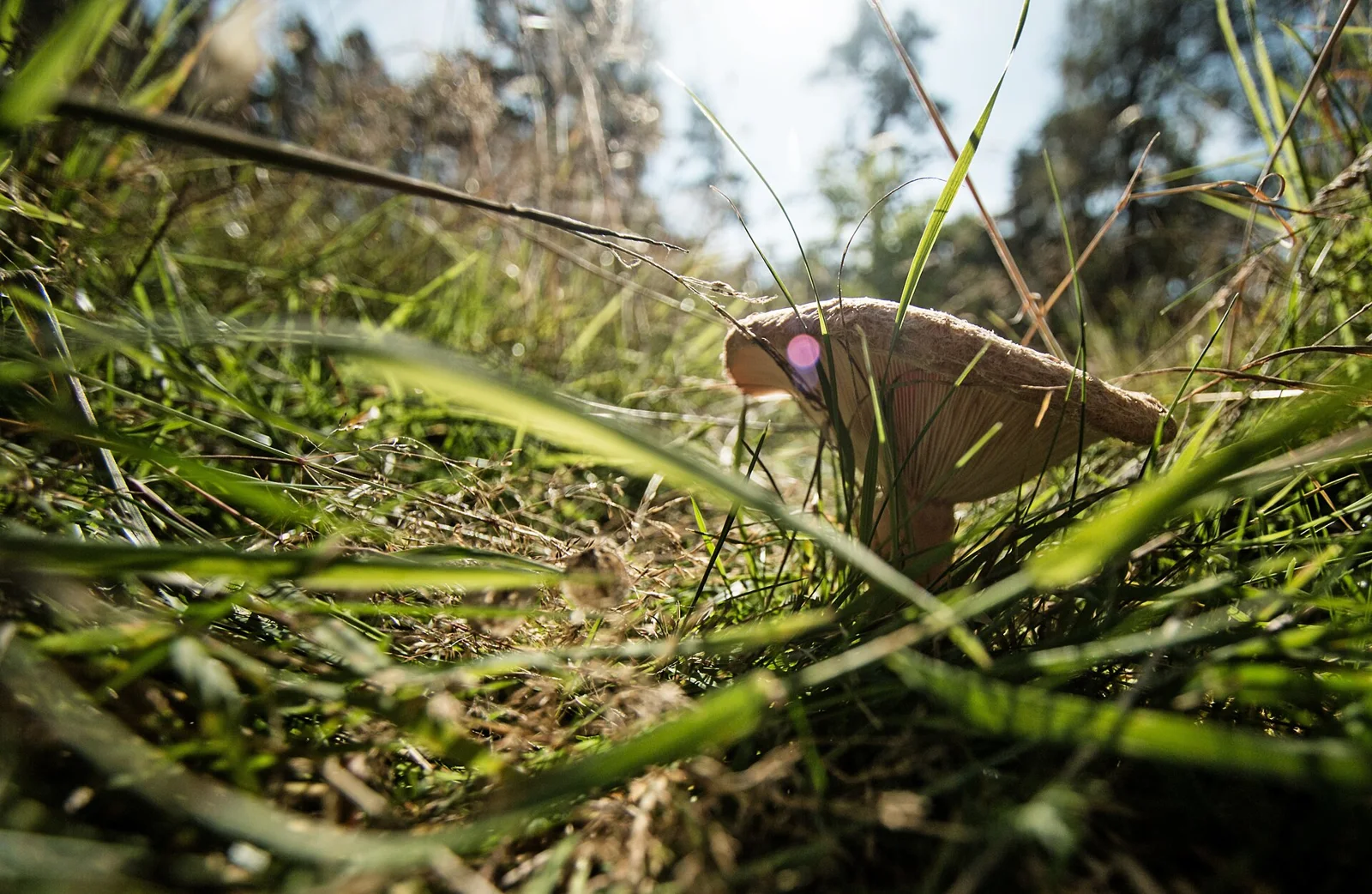
Certain species are outright taboo. In the Khumbu region, the bright orange Lactarius mushroom is thought to attract malevolent spirits if consumed. Villagers who are caught eating it may face social sanctions, ranging from public admonishment to temporary exclusion from communal meals. These sanctions act as a deterrent, reducing the risk of accidental poisoning, as many brightly colored fungi in the Himalayas are indeed toxic (Gurung 2023).
Seasonal Superstitions and Harvest Timing
The timing of mushroom collection is also governed by superstition. Harvesting before the full moon is discouraged in several villages because it is believed that moonlight weakens the protective aura around fungi, making them more likely to cause stomach upset. Conversely, gathering after a new moon is thought to bring good luck and a bountiful yield. While there is no scientific link between lunar phases and mushroom toxicity, the pattern aligns with traditional agricultural calendars that coordinate planting, harvesting, and foraging activities (Sherpa 2022).
From Folklore to Modern Conservation
These superstitions, while rooted in myth, have practical side effects. By limiting when and where people collect mushrooms, they inadvertently protect vulnerable fungal populations and maintain forest health. Conservationists working in the region now collaborate with local elders, integrating traditional knowledge into formal protection plans. The result is a hybrid approach that respects cultural heritage while promoting sustainable foraging practices (International Mycological Society 2024).
Even on the red planet, the stories we tell about mushrooms could guide future growers to respect their new Martian habitats.
Sources
- Fungal Folklore in the Nepalese Highlands
- Spiritual Practices and Forest Conservation in Bhutan
- Ethnobotanical Survey of Khumbu Region
This article was prepared with AI assistance from the sources listed above and approved by the Mushroom 2 Mars team before publication.