Part of the guide: Mycology: A Complete Guide to Fungi, Cultivation, and Safety
The Secret Language of Basque Mushroom Names
Basque speakers have a surprisingly detailed vocabulary for wild fungi, reflecting centuries of close observation. Common edible species are called txakurrin (the “little dog”), arrain (meaning “fish” for the slippery texture of certain chanterelles), and garrapatea for the robust porcini. These names often hint at texture, taste, or the environment where the mushroom appears, and they differ from the standard Spanish terms used elsewhere in the Iberian Peninsula. According to the Basque linguistic study Euskal Hizkuntza (2022), the specificity of these names helped rural families identify safe mushrooms long before modern field guides were available.
Mythic Origins: Mushrooms as Fairy Homes
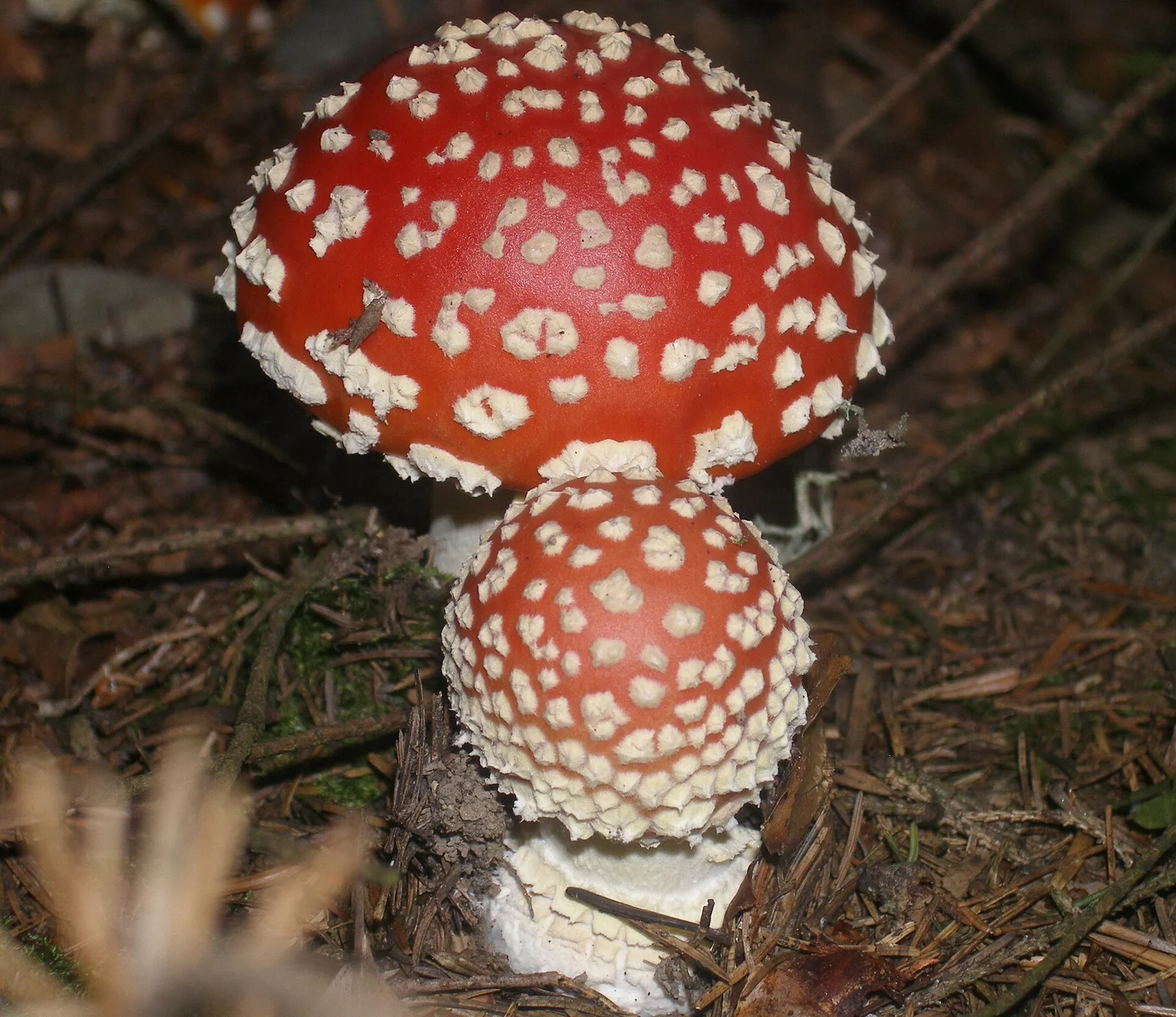
One of the most enduring Basque legends tells that mushrooms are the dwellings of lamiak, tiny water sprites who guard streams and springs. The story goes that a wandering shepherd once followed a ring of amanita caps that glowed at dusk, only to discover a hidden grotto where the lamiak sang. In gratitude for his respect, they gifted him a small pouch of dried mushrooms that never spoiled. This tale, recorded in the oral anthology Mitologia Vasca (2019), explains why many Basque families still leave a few caps untouched as an offering to the forest spirits during mushroom foraging trips.
Seasonal Rituals and the “Mushroom Feast”
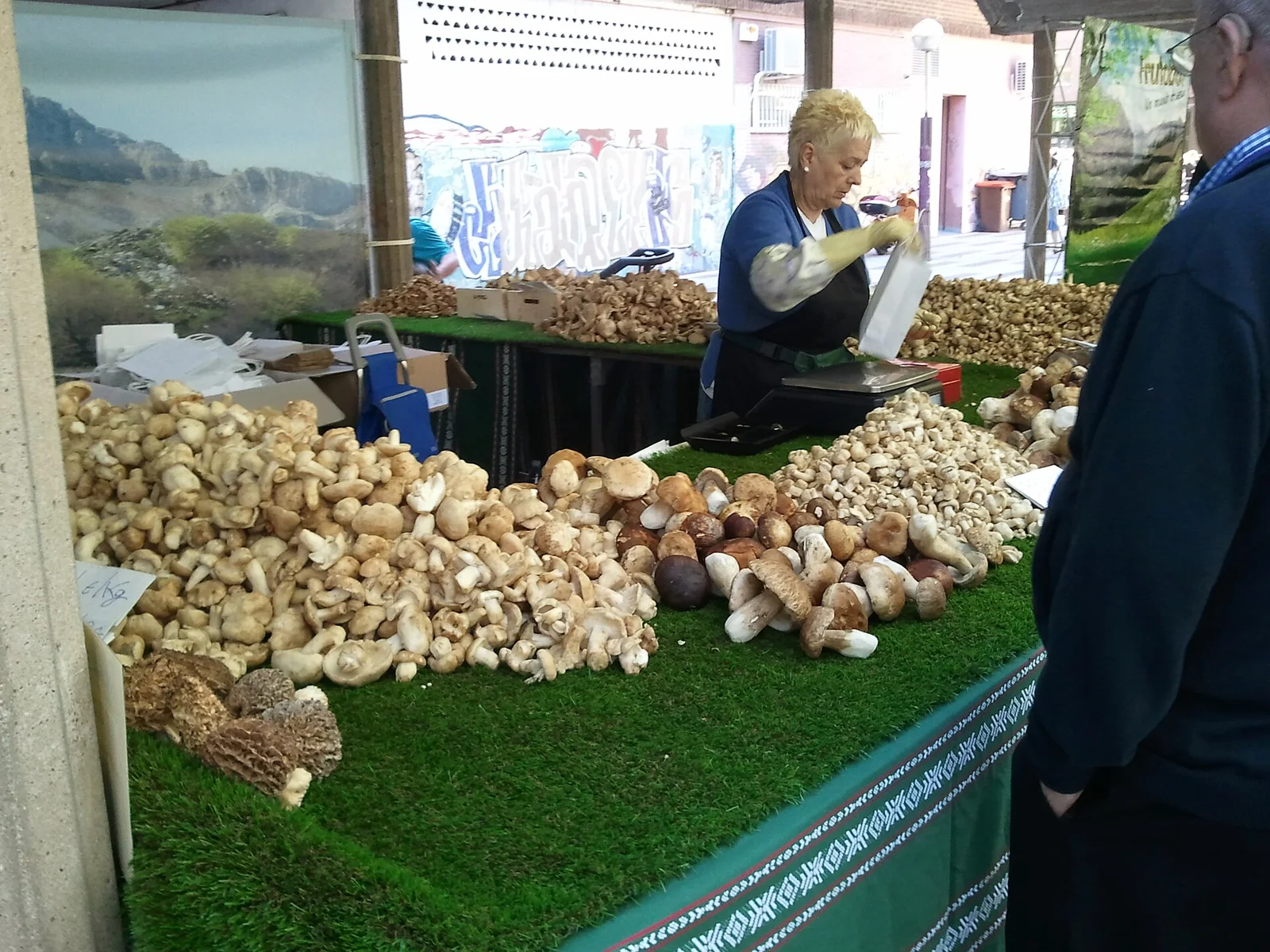
Every autumn, villages in the valleys of Navarre and Gipuzkoa hold a Mushroom Feast (Mushroom Eguna), a communal gathering that blends culinary tradition with folklore. Participants bring freshly harvested fungi to a communal fire, where a local storyteller recounts the origins of each species. The event often includes a ceremonial “first bite” taken by the eldest villager, a gesture meant to honor the forest’s generosity and to ensure a bountiful harvest for the next year. Ethnographic research by the University of the Basque Country (2021) notes that these gatherings reinforce community bonds and preserve oral histories that might otherwise be lost.
Protective Charms and Superstitions
Basque folklore is peppered with protective charms aimed at preventing mushroom poisoning. A common practice involves sprinkling a pinch of sea salt on the caps before cooking, believed to ward off the mischievous basajaun—the forest guardian who sometimes leads hunters astray. Another superstition warns against picking mushrooms on a rainy night; the belief is that the basajaun hides poisonous fungi in the mist to test a forager’s respect for nature. While modern mycologists stress proper identification, these customs illustrate how cultural memory has historically served as a safety net for rural foragers.
Artistic Depictions: Mushrooms in Basque Art and Song
Mushrooms appear not only in stories but also in visual art and music. The 19th‑century painter Juan de Álava included detailed mushroom clusters in his landscapes of the Pyrenees, using them to symbolize hidden wealth beneath the forest floor. In contemporary Basque folk songs (bertsolaritza), verses often reference “the red caps that rise like sunrise over the oak,” a poetic nod to amanita muscaria. These artistic expressions preserve the symbolic weight mushrooms hold in the regional imagination.
From Folklore to Modern Conservation
Today, Basque environmental groups draw on these ancient narratives to promote sustainable mushroom harvesting. By framing the forest as a living community of spirits, they encourage respectful foraging practices that protect both rare species and the cultural heritage tied to them. A 2023 initiative by Euskal Gaur uses storytelling workshops in schools, teaching children the traditional names and legends while emphasizing the ecological importance of fungi. This blend of myth and science helps ensure that the Basque mushroom folklore remains a living tradition rather than a static relic.
Even as we dream of sending mushrooms to Mars, the Basque stories remind us that every new frontier begins with a deep respect for the humble fungi that have fed and inspired humans for centuries.
Sources
- Euskal Hizkuntza: Basque Language Vocabulary for Fungi
- Mitologia Vasca – Oral Anthology of Basque Myths
- University of the Basque Country – Ethnographic Study of Autumn Mushroom Feasts
- Juan de Álava – Paintings of the Pyrenees
- Euskal Gaur – Sustainable Mushroom Harvesting Initiative
This article was prepared with AI assistance from the sources listed above and approved by the Mushroom 2 Mars team before publication.