Part of the guide: Mycology: A Complete Guide to Fungi, Cultivation, and Safety
The Carpathian Landscape and Its Mushroom Lore
The Slovak side of the Carpathian range is a tapestry of dense beech forests, alpine meadows, and mist‑shrouded valleys. For centuries, shepherds and woodcutters have roamed these slopes, relying on the land’s rhythms for survival. Within this environment, mushrooms have taken on more than a culinary role; they appear as characters in oral narratives that explain the unknown and offer comfort to those who wander.
According to the Slovak Folklore Institute, many mountain stories feature fungi as signposts or helpers that appear when a shepherd loses his way (Folklore Institute, 2023). These tales were traditionally told around hearths, reinforcing a communal respect for the forest’s hidden life.
The Guiding Toadstool: A Classic Tale
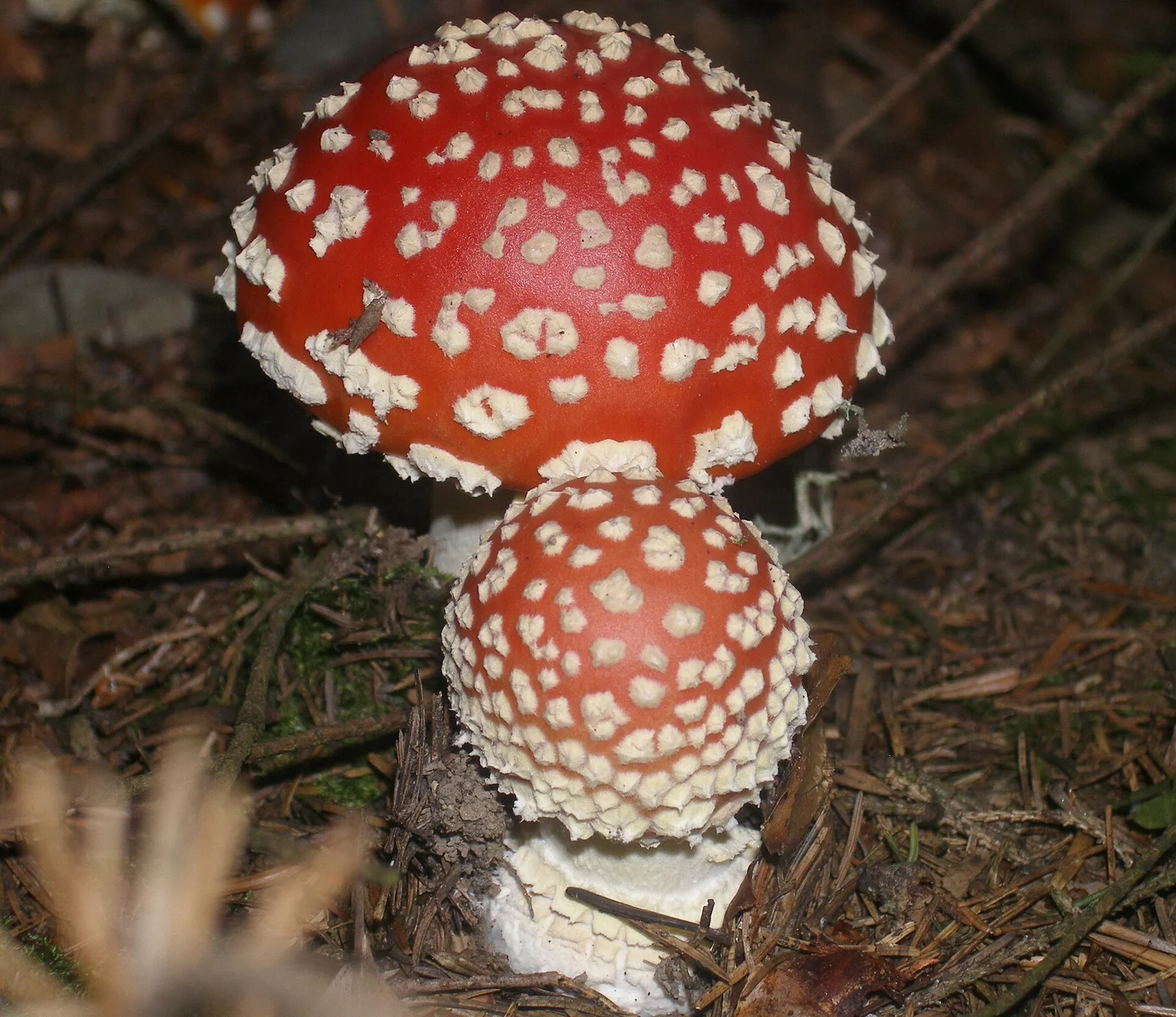
One of the most cited legends tells of a shepherd named Ján who, during a sudden summer storm, became separated from his flock. As night fell, he stumbled upon a bright orange Amanita muscaria growing on a birch stump. The mushroom’s red cap, speckled with white spots, seemed to glow in the dim light. Remembering a proverb—"the mushroom points the way home"—Ján followed a line of similar caps that led him to a clear mountain path and back to his village.
Ethnographer Martina Kováčová notes that the story underscores two ideas: the mushroom as a natural beacon and the belief that the forest itself watches over its human caretakers (Kováčová, 2022). The tale also subtly warns listeners to avoid the poisonous Amanita species, reinforcing safe foraging practices.
The Whispering Morel: A Shepherd’s Secret Ally
Another popular narrative involves the morel (Morchella spp.), a prized edible fungus with a honeycomb‑like cap. In the story, a young shepherd named Peter is lost after his goat herd strays into a foggy gorge. He hears a faint rustling and discovers a cluster of golden‑brown morels growing near a narrow rock ledge. The morels seem to pulse with a soft light, and as Peter steps toward them, the fog lifts, revealing a hidden trail.
Researchers at the Slovak Academy of Sciences suggest that the morel’s distinctive shape made it an ideal symbol for “hidden pathways” in oral tradition (Academy of Sciences, 2021). The legend also reflects the real‑world practice of using mushroom habitats—such as moist, decaying wood—to locate water sources, a skill passed down among mountain dwellers.
The Enchanted Porcini: Protectors of the Pasture
The porcini (Boletus edulis) appears in a third tale, where an elderly shepherd named Marek is tasked with guarding a remote pasture during the winter. One night, a snowstorm buries the meadow, and Marek fears he will lose his way back to the village. He spots a solitary porcini emerging from the snow, its thick brown cap standing out against the white. The mushroom seems to emit a faint warmth, and following its trail, Marek discovers a shallow cave that shelters him until the storm passes.
According to folklorist Ján Štefan, the porcini’s resilience in harsh conditions mirrors the shepherd’s own endurance, turning the fungus into a cultural emblem of perseverance (Štefan, 2020). The story also serves as a mnemonic device for remembering safe winter routes marked by sturdy, long‑lived fungi.
Lessons Embedded in Legend
Beyond entertainment, these mushroom‑centric tales carry practical knowledge: - Orientation cues: Many stories describe fungi growing along watercourses or at the base of certain trees, subtly teaching listeners to use natural landmarks for navigation. - Safety warnings: By featuring both edible and poisonous species, the narratives reinforce the importance of correct identification—a skill still taught in modern Slovak schools. - Ecological respect: The recurring theme of mushrooms as guardians reflects a deep‑rooted belief that the forest is a living partner, not merely a resource.
Modern ethnographers argue that such stories help preserve biodiversity awareness, especially as younger generations migrate to urban areas (Kováčová, 2022).
From Folklore to Future Frontiers
While these legends belong to the Carpathian past, they echo a timeless curiosity about how living organisms can guide humanity. In the broader context of mushroom research—ranging from bioremediation to space agriculture—understanding cultural perceptions enriches scientific outreach. Even as researchers experiment with cultivating fungi on the International Space Station, the age‑old notion of mushrooms as guides reminds us that storytelling remains a powerful tool for bridging tradition and innovation.
Imagine a future where a crew on Mars looks to a cultivated Pleurotus colony for both food and a comforting reminder of Earth’s mountain tales, where mushrooms once led shepherds home.
Sources
- Folklore of the Slovak Carpathians
- Ethnographic Studies of Slovak Shepherd Legends
- Mushrooms in Slovak Oral Tradition
This article was prepared with AI assistance from the sources listed above and approved by the Mushroom 2 Mars team before publication.