A Historic First for Mars Exploration
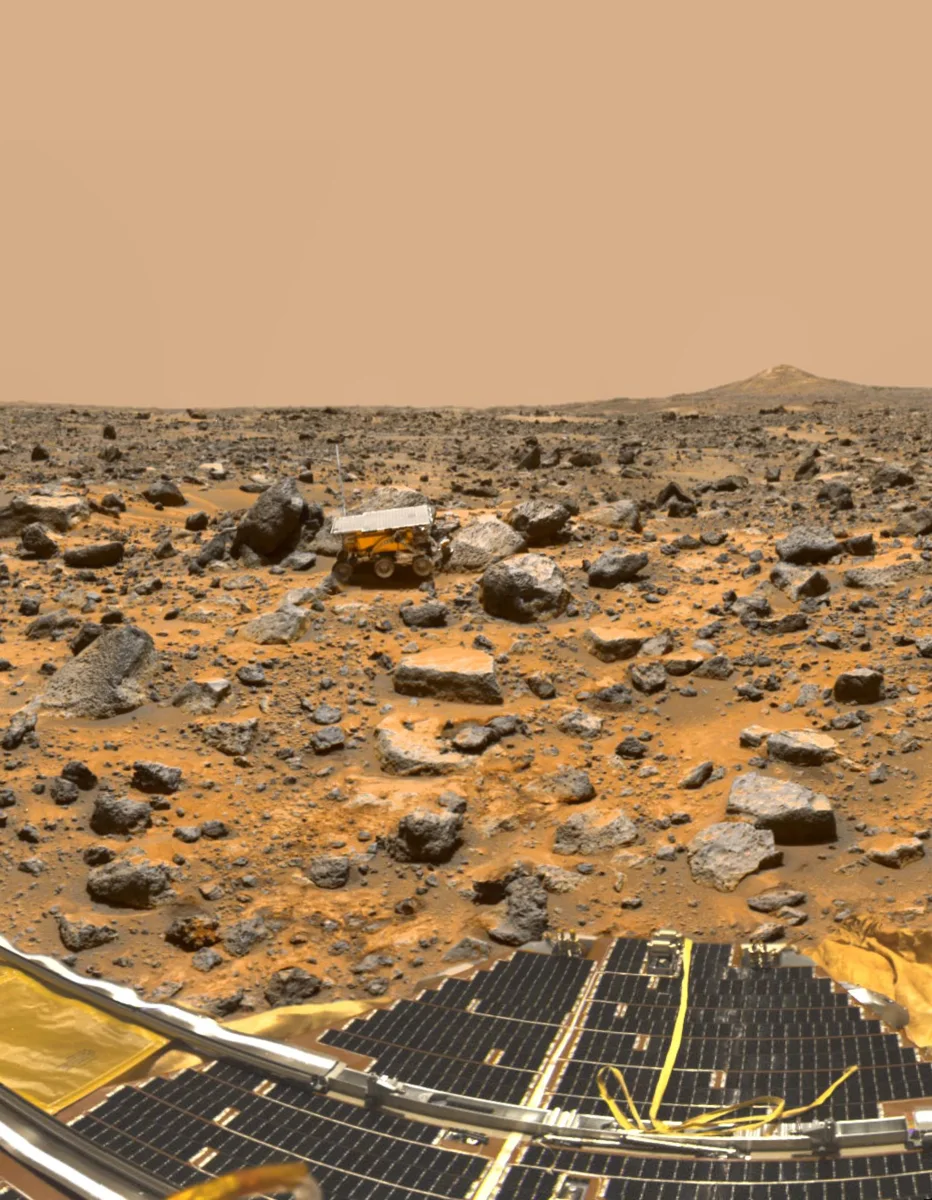
In July 1997, NASA’s Mars Pathfinder touched down in the ancient floodplain of Ares Vallis, part of the Chryse Planitia region on the Red Planet. The lander, later named the Carl Sagan Memorial Station, carried a tiny, 10.6‑kg (23‑lb) rover called Sojourner—the first mobile robot to operate beyond the Earth‑Moon system. The mission, managed by JPL’s Tony Spear, ran until early 1998, delivering the first close‑up images and rock analyses from a rover on another world.
Low‑Cost, High‑Impact Design
Pathfinder was the second NASA Discovery Program project, built around the mantra “cheaper, faster, better.” Development took just three years, and the total cost—including launch and operations—was about $280 million, a fraction of the Viking missions that cost over $3 billion in 1997 dollars. The mission demonstrated that a modest budget could still achieve valuable science, using innovative techniques like an airbag‑mediated touchdown and automated obstacle avoidance, later refined for the Mars Exploration Rover missions.
Science Instruments on the Lander
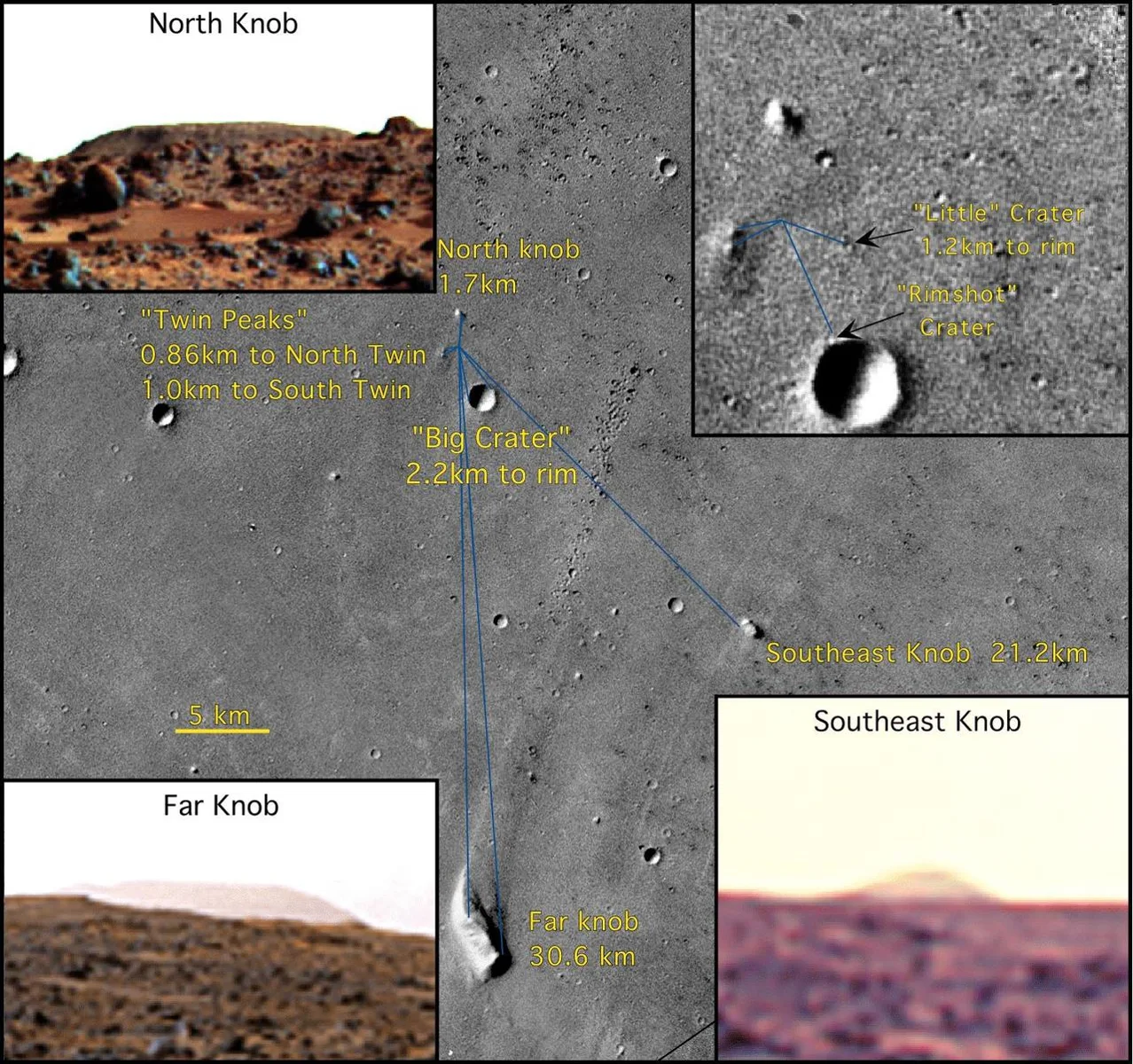
The lander hosted several instruments to study the Martian environment: - Imager for Mars Pathfinder (IMP): a stereoscopic camera on an extendable pole, equipped with filters for surface and atmospheric imaging. - Atmospheric Structure Instrument/Meteorology Package (ASI/MET): recorded pressure, temperature, and wind speeds, using three windsocks mounted at different heights. These data helped characterize the thin Martian atmosphere at the landing site.
Sojourner’s Suite of Tools
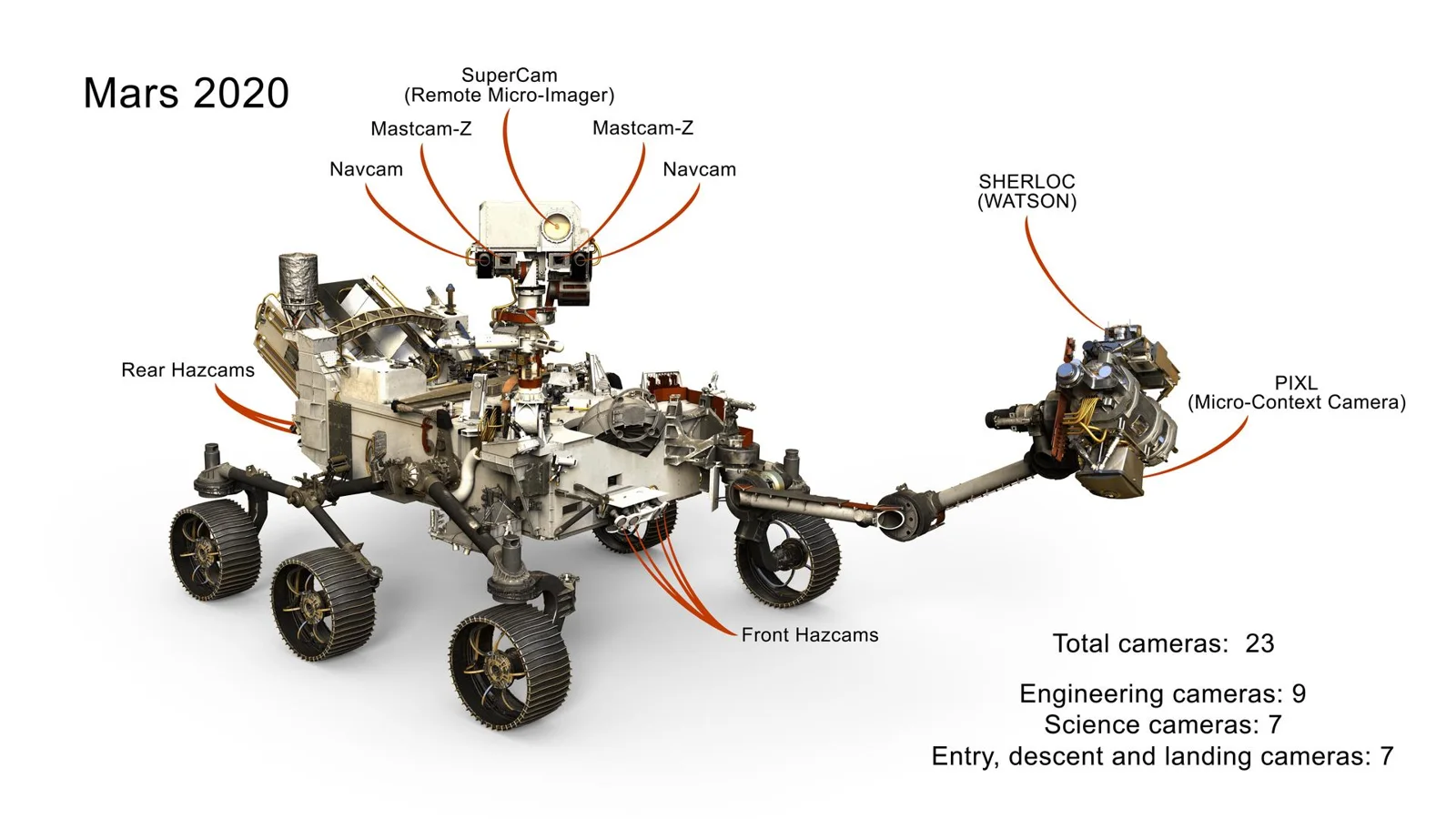
Sojourner’s scientific payload was compact but powerful: - Alpha‑Particle X‑ray Spectrometer (APXS): measured elemental composition of rocks and soil. - Three CCD cameras: two monochrome navigation cameras with laser stripe projectors for hazard detection, and a rear color camera for imaging the APXS target and rover tracks. The cameras could resolve objects as small as 0.6 cm from a distance of 0.65 m, and employed compression algorithms to transmit images back to Earth. These instruments allowed scientists to investigate geology from millimeter to hundreds‑of‑meter scales, probing the evolutionary history of the Martian surface.
Legacy and Lessons Learned
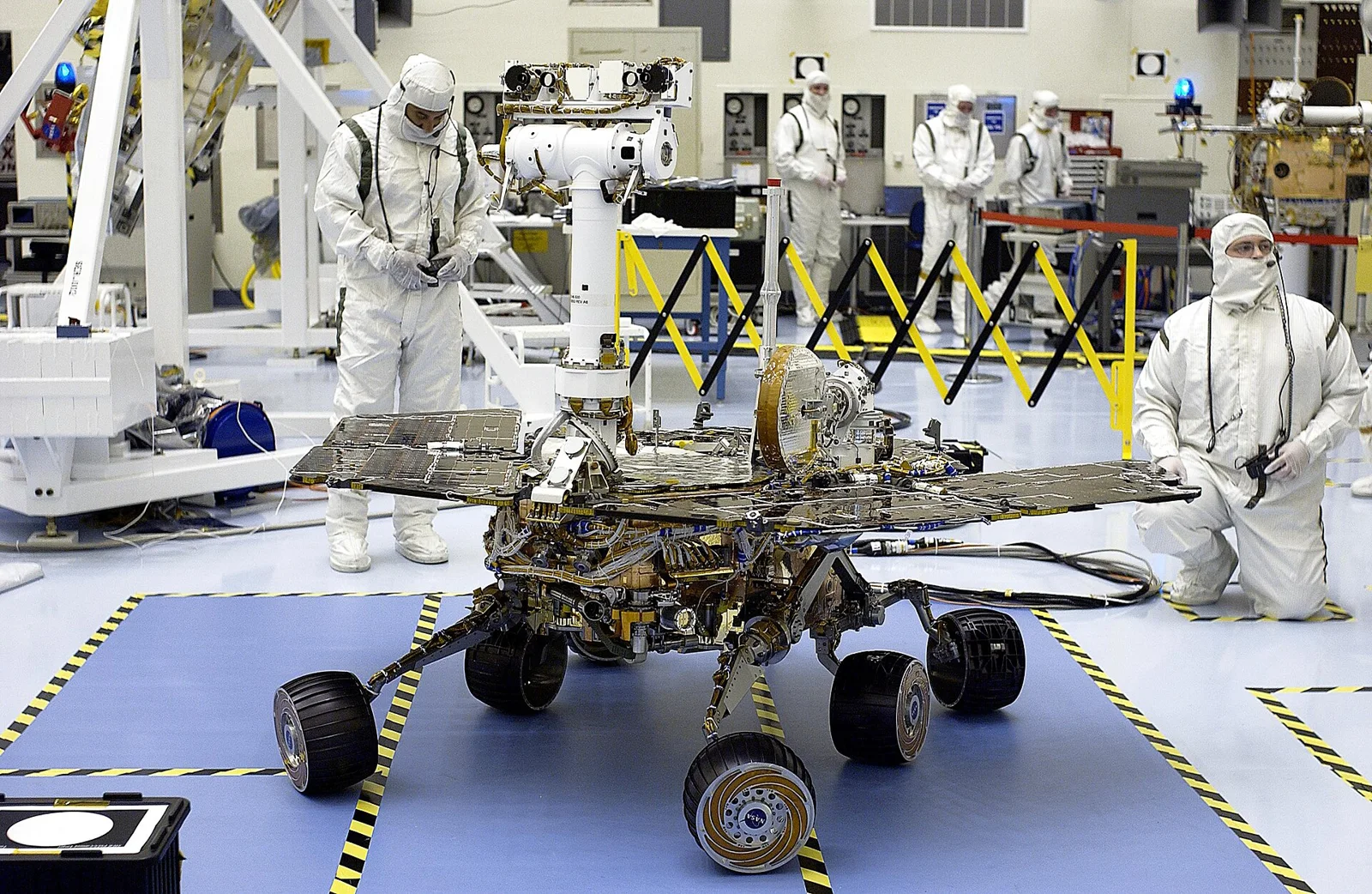
Pathfinder proved that low‑cost planetary missions could succeed, influencing later projects such as the 2004 Spirit and Opportunity rovers and the 2012 Curiosity rover. Its airbag landing system and autonomous navigation techniques became standard practice, reducing risk for future landings. The mission also rekindled public excitement about Mars, showing that even a modest rover could capture iconic images and deliver real scientific data.
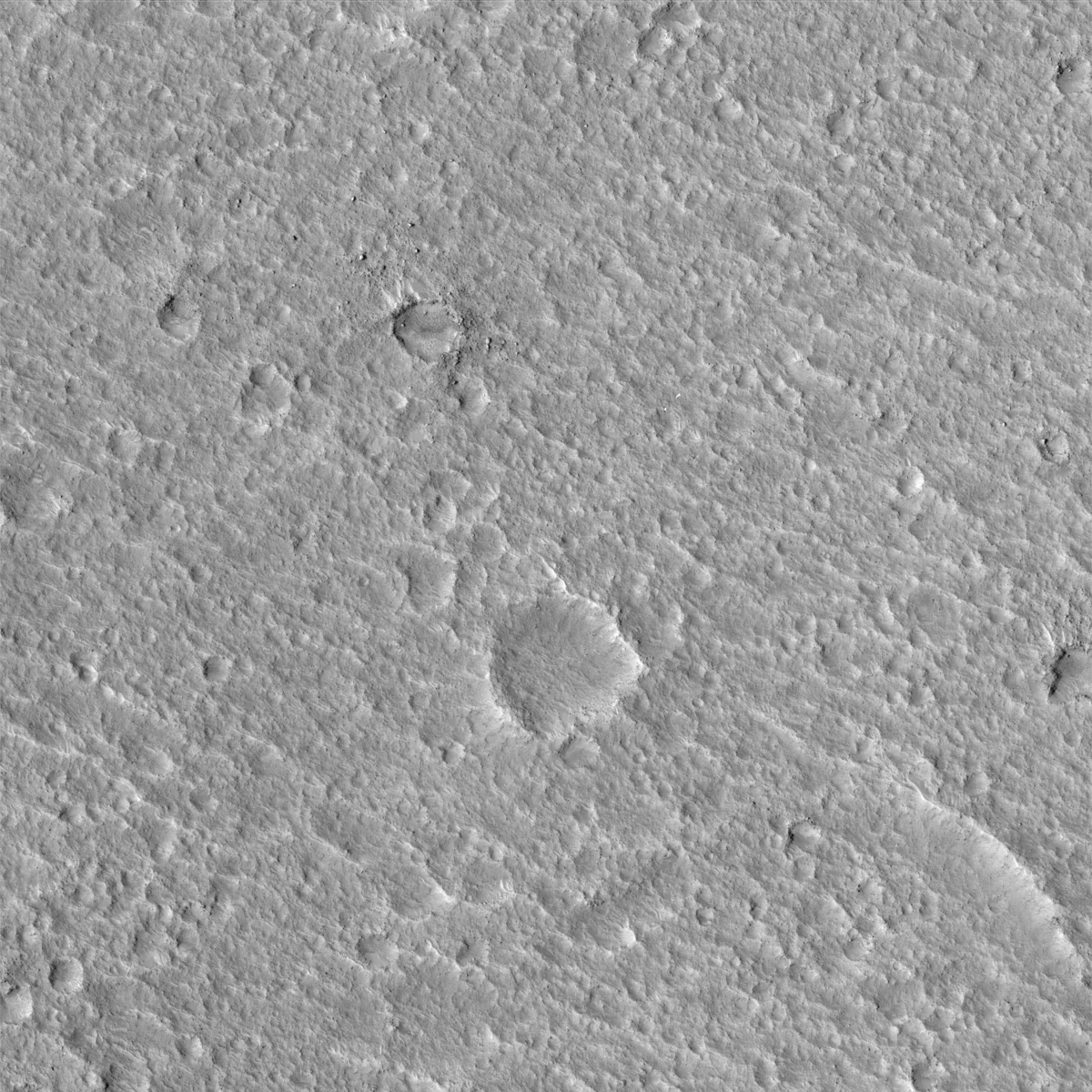
Connecting to Mushroom 2 Mars
Just as Pathfinder showed that small, affordable hardware can thrive on Mars, Mushroom 2 Mars aims to use lightweight, low‑cost bioreactors to grow fungi in the Martian environment—building on the spirit of exploration that Pathfinder pioneered.
Sources
This article was prepared with AI assistance from the sources listed above and approved by the Mushroom 2 Mars team before publication.