The First Wheels on the Red Planet
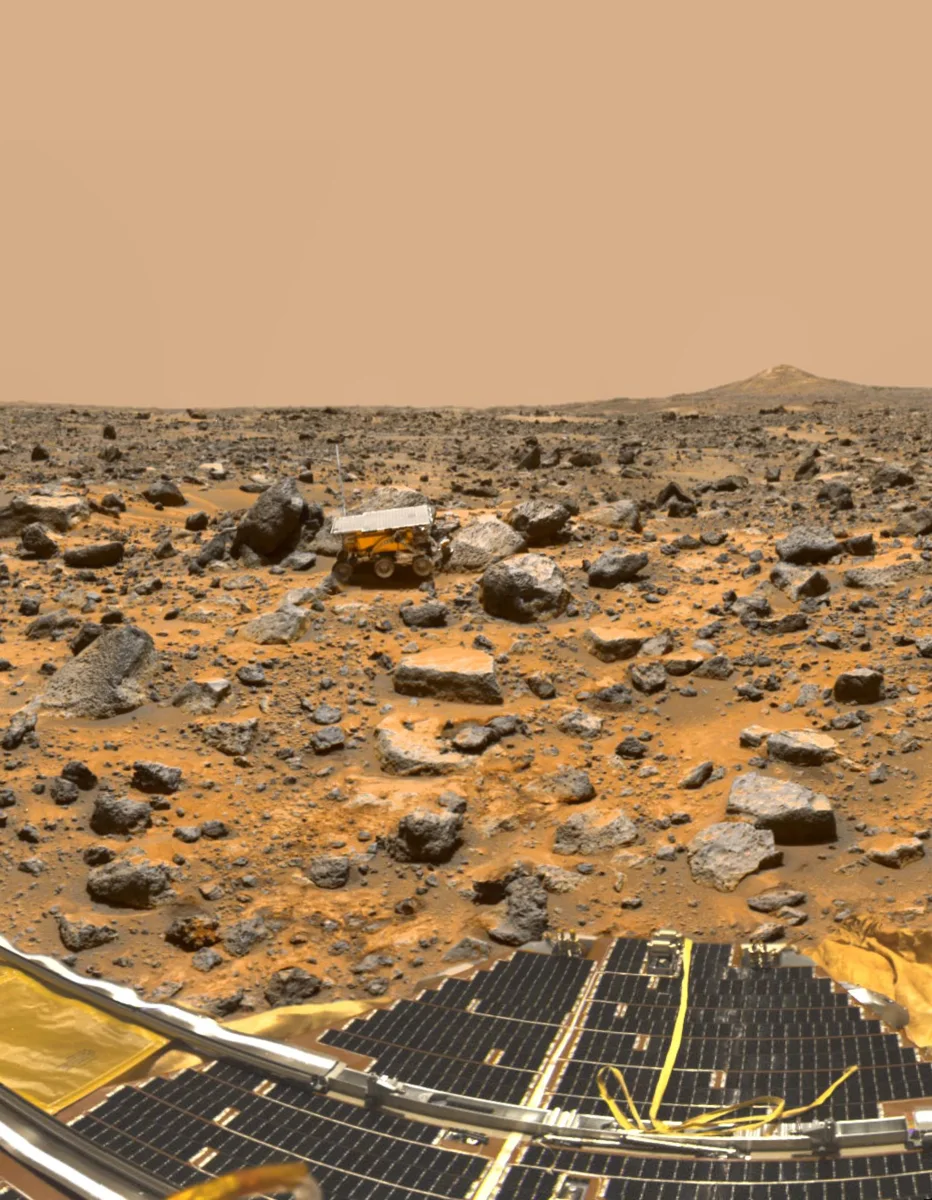
The adventure began in 1997 when NASA’s Sojourner rover, part of the Mars Pathfinder mission, touched down on a dusty plain. Though its journey covered just over 100 meters, Sojourner proved that a small, remote‑controlled vehicle could survive the harsh Martian environment and send back valuable images and data. It relied on the Pathfinder lander for communication, a setup that would evolve dramatically in later missions.
Spirit and Opportunity: The Twin Explorers
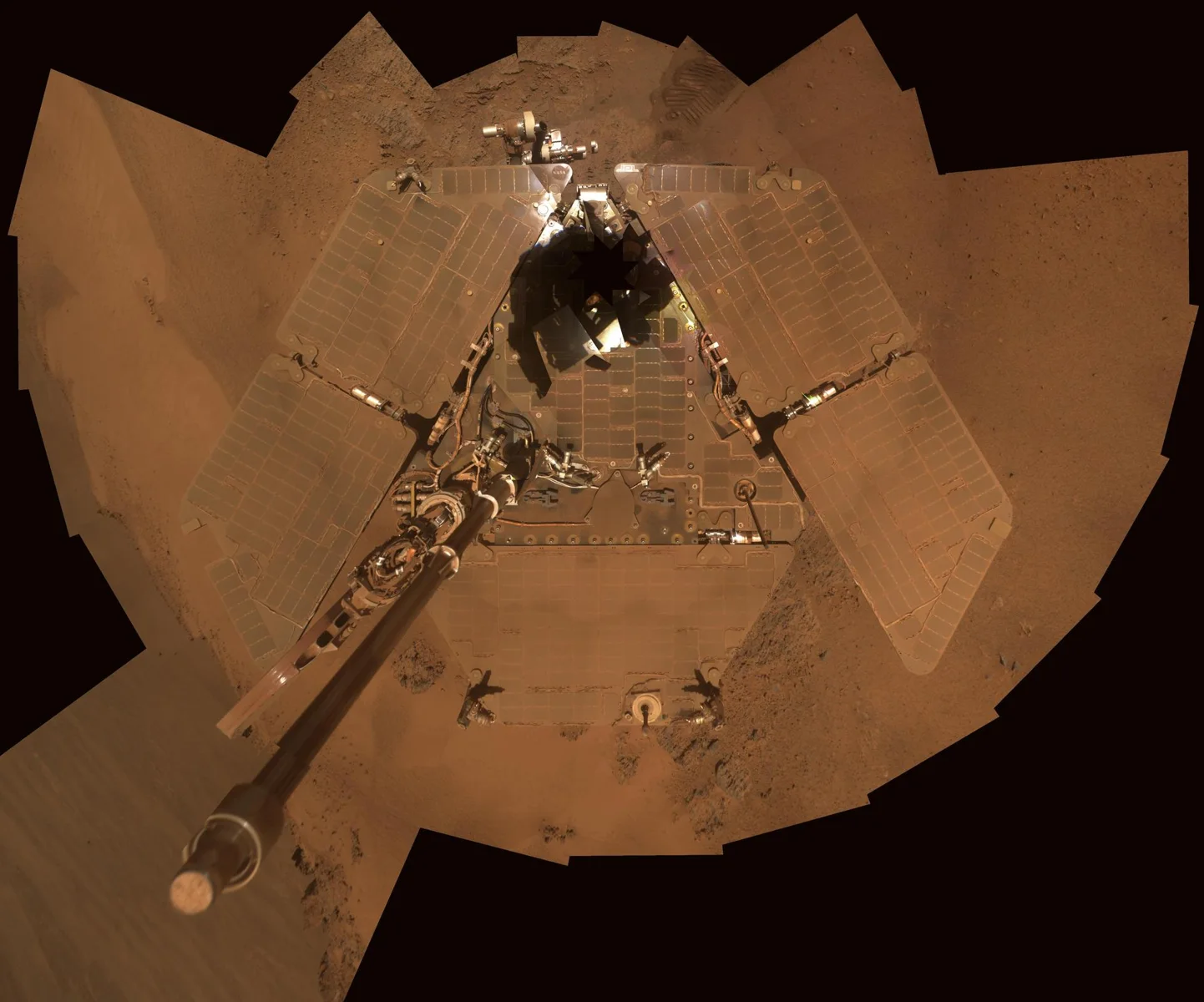
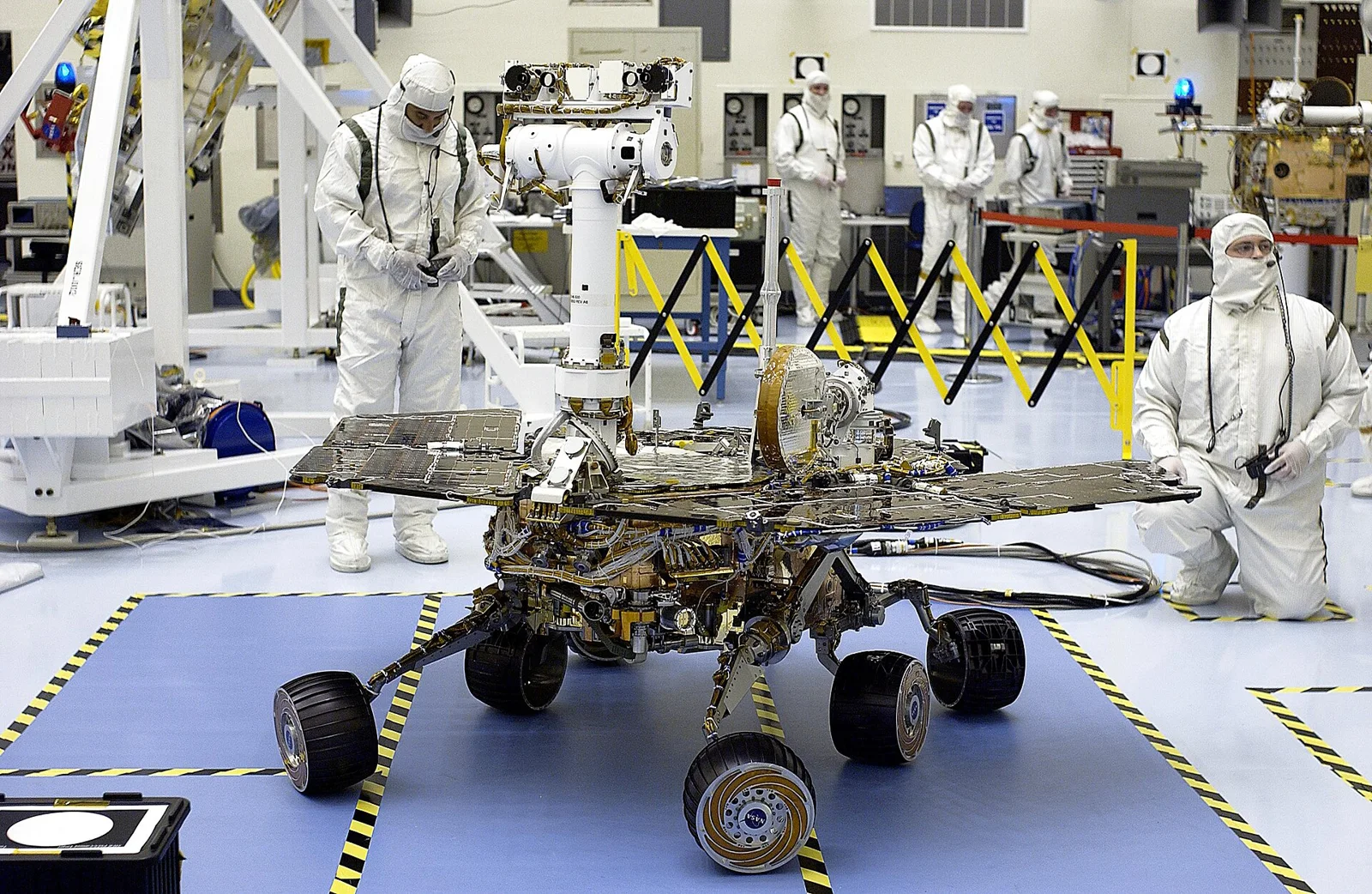
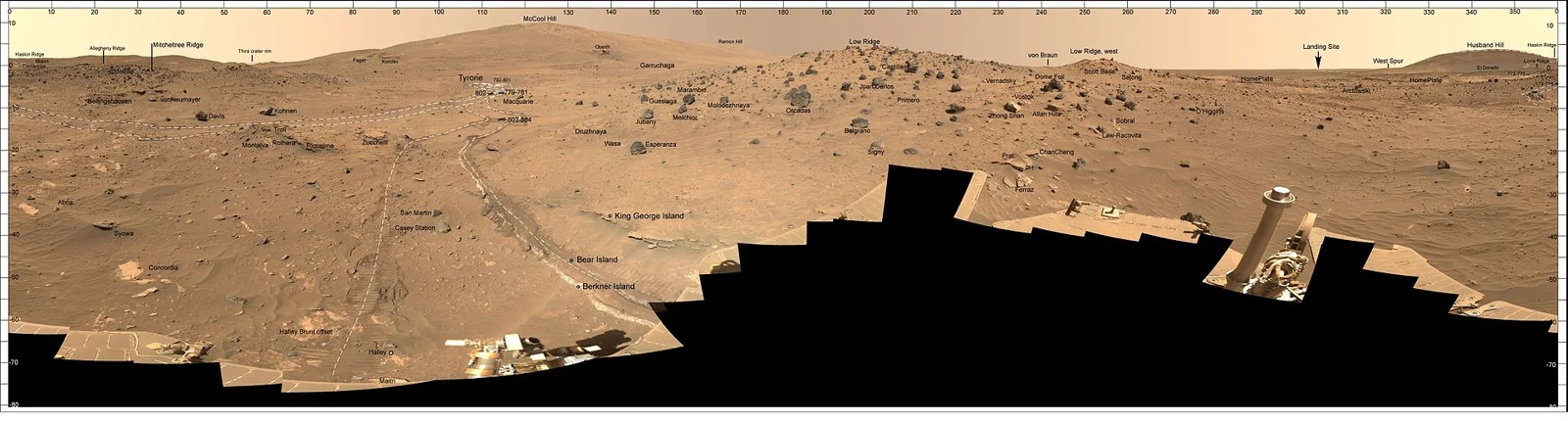
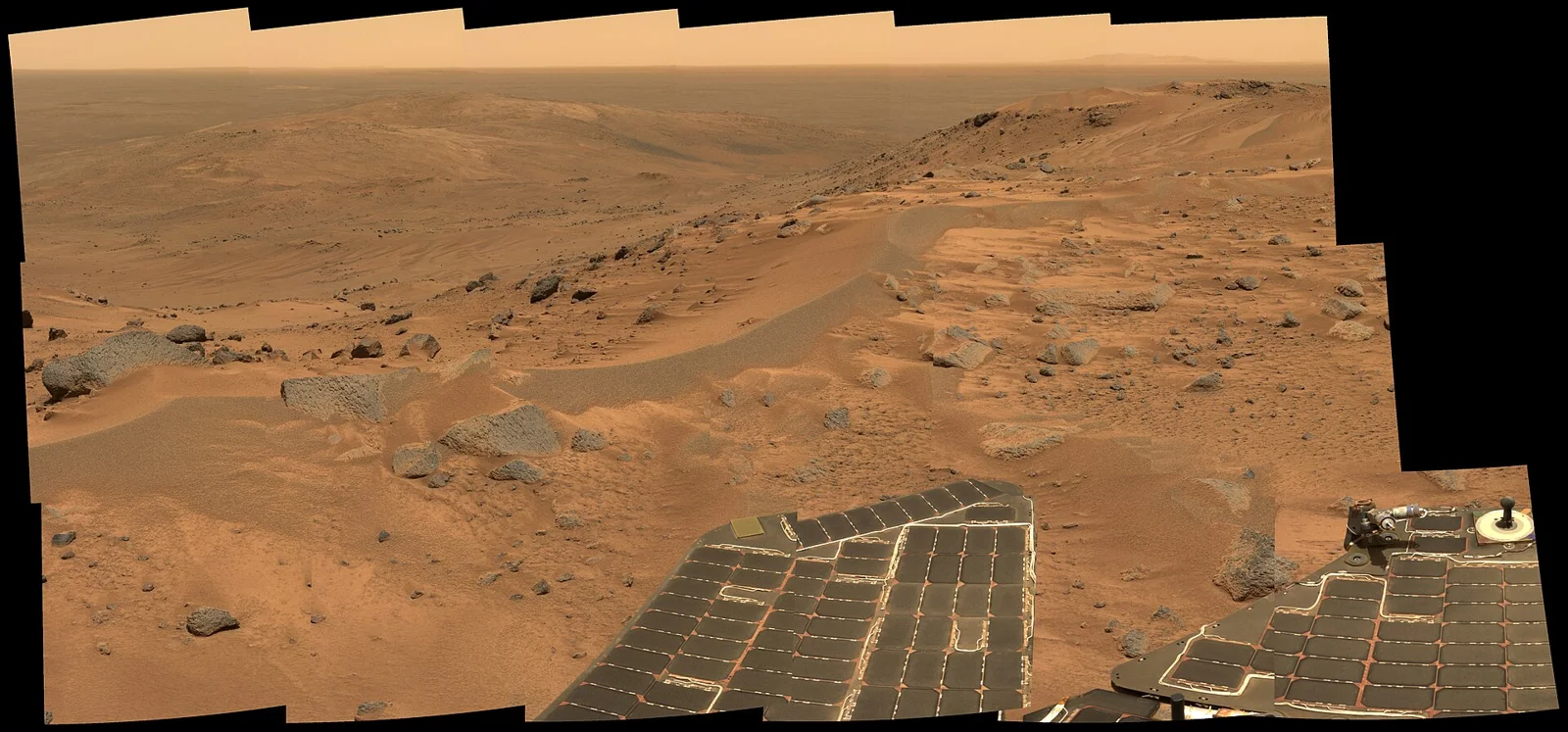
Launched in 2003, the twin rovers Spirit (MER‑A) and Opportunity (MER‑B) arrived on Mars in early 2004. Designed for a 90‑day mission, both far outlived expectations. Spirit trekked 7.73 km before its wheels became stuck in soft sand, while Opportunity set a longevity record, traveling 45.16 km over nearly 15 Earth years before a planet‑wide dust storm cut off its solar power. Their successes demonstrated that solar‑powered rovers could endure years of Martian seasons, providing a template for future designs.
Curiosity: A Mobile Laboratory
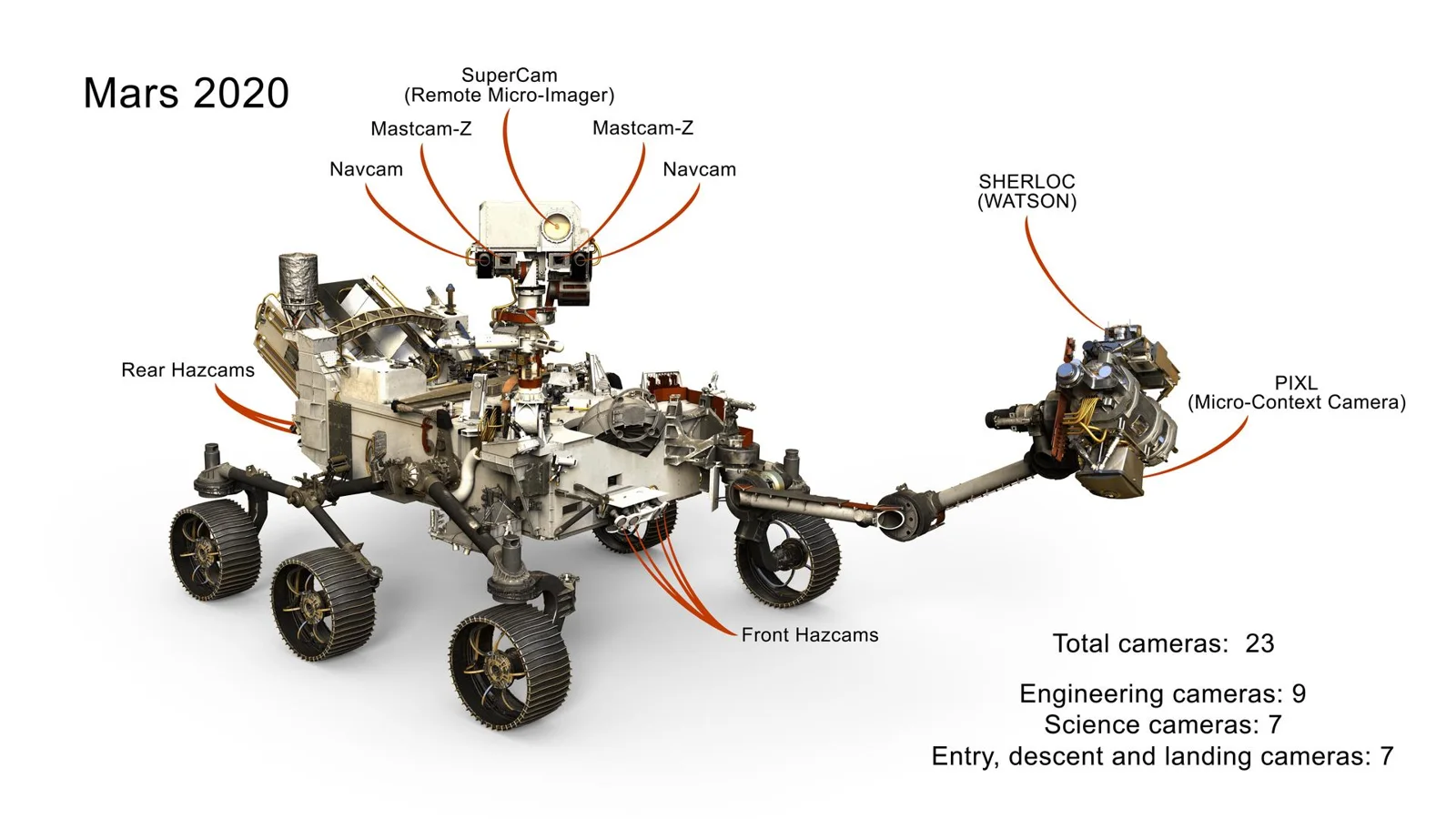
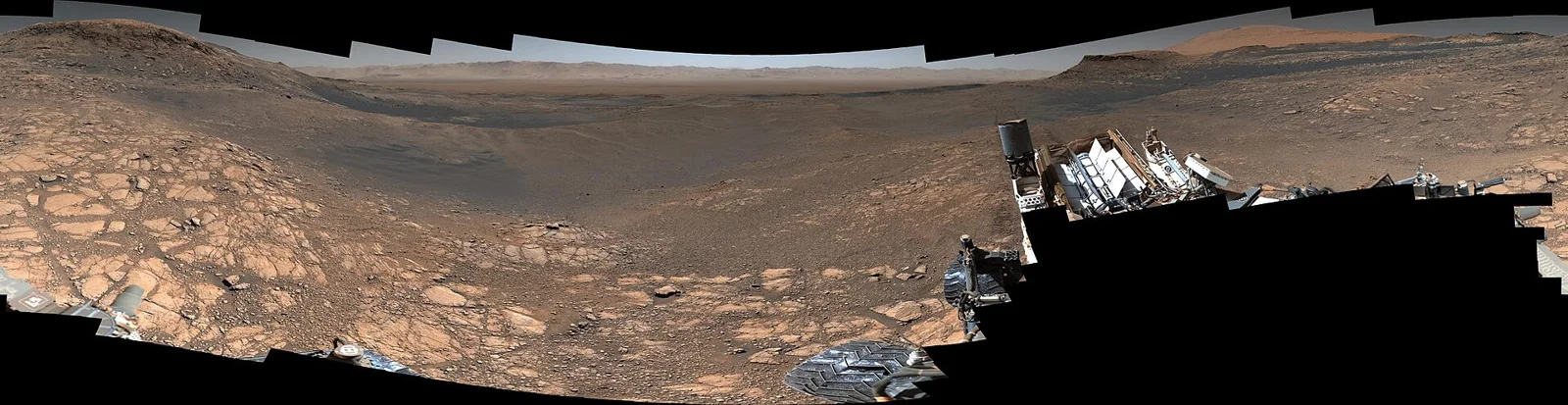
NASA’s Curiosity rover landed in Gale Crater on August 6, 2012, after a dramatic entry, descent, and landing sequence. Built on a larger, nuclear‑powered platform, Curiosity carries a suite of scientific instruments capable of analyzing rocks, soil, and atmospheric gases. Its ongoing mission includes searching for ancient habitability, studying fluvio‑lacustrine deposits, and measuring organic carbon—key steps toward understanding whether life ever arose on Mars.
Perseverance and Ingenuity: The Next Generation
Following Curiosity’s blueprint, Perseverance touched down on February 18, 2021, in the Jezero Crater, a former lakebed. In addition to its sophisticated payload, Perseverance carried the Ingenuity helicopter, the first powered aircraft to fly on another planet. While Ingenuity’s flights have concluded, Perseverance continues to collect core samples for a future return mission, marking a crucial step toward bringing Martian material back to Earth.
Zhurong: China’s First Rover on Mars
May 14, 2021, saw the successful landing of China’s Zhurong rover, part of the Tianwen‑1 mission. Operating in the Utopia Planitia region, Zhurong was designed for a 90‑sol mission but managed nearly a year of activity, traveling almost 2 km before dust accumulation on its solar panels forced a shutdown. Its achievements highlight the growing international interest in Mars exploration and the technical challenges of operating solar‑powered rovers in dusty conditions.
Future Rovers: From ExoMars to Swarm Concepts
Looking ahead, ESA’s ExoMars rover, Rosalind Franklin, is slated for launch no earlier than 2028 after delays caused by geopolitical factors. Meanwhile, innovative concepts like NASA’s Tumbleweed rover propose swarms of small, wind‑driven units that could cover large areas quickly. India’s ISRO also aims to field a rover as part of a 2030 lander mission, underscoring a global push toward more versatile and collaborative exploration.
What Rovers Teach Us About Growing Mushrooms on Mars
The engineering lessons from decades of rover missions—robust power systems, autonomous navigation, and resilience to dust—directly inform the design of future mushroom‑cultivation habitats on Mars. By leveraging solar and nuclear power, and employing remote monitoring similar to rover telemetry, we can envision thriving fungal farms that help sustain human crews on the Red Planet.
Sources
This article was prepared with AI assistance from the sources listed above and approved by the Mushroom 2 Mars team before publication.