A Bold Arrival in Gusev Crater
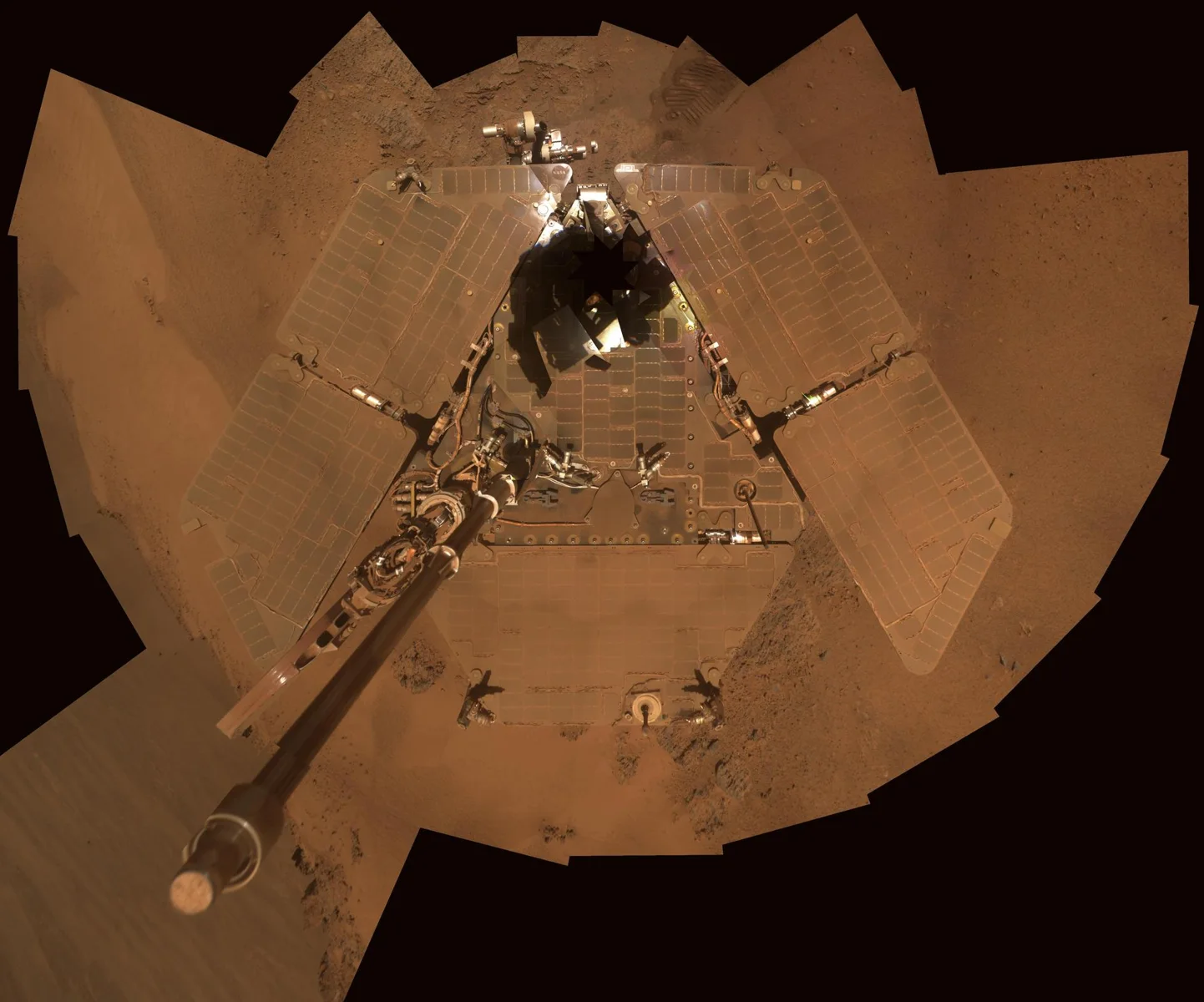
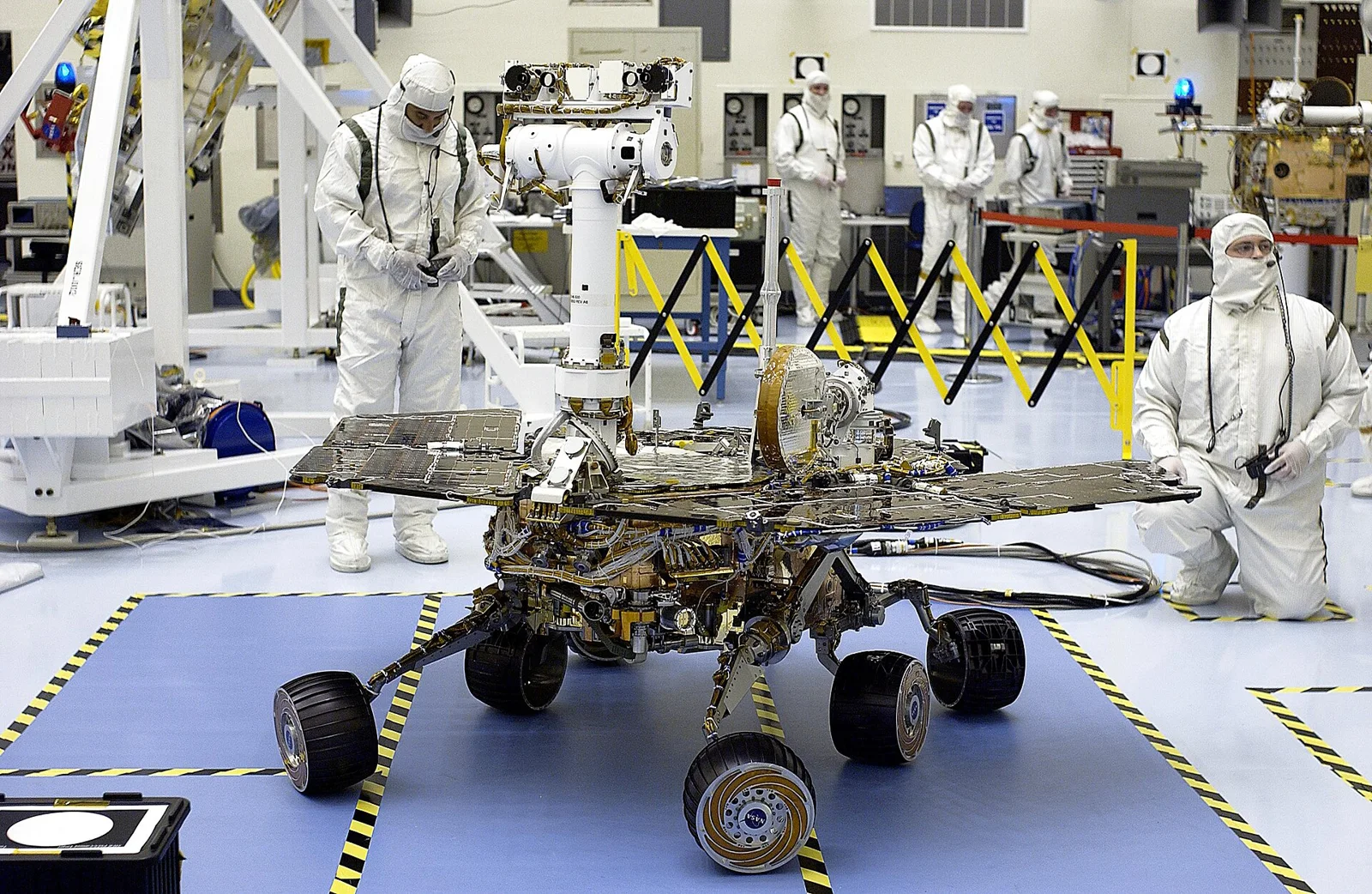
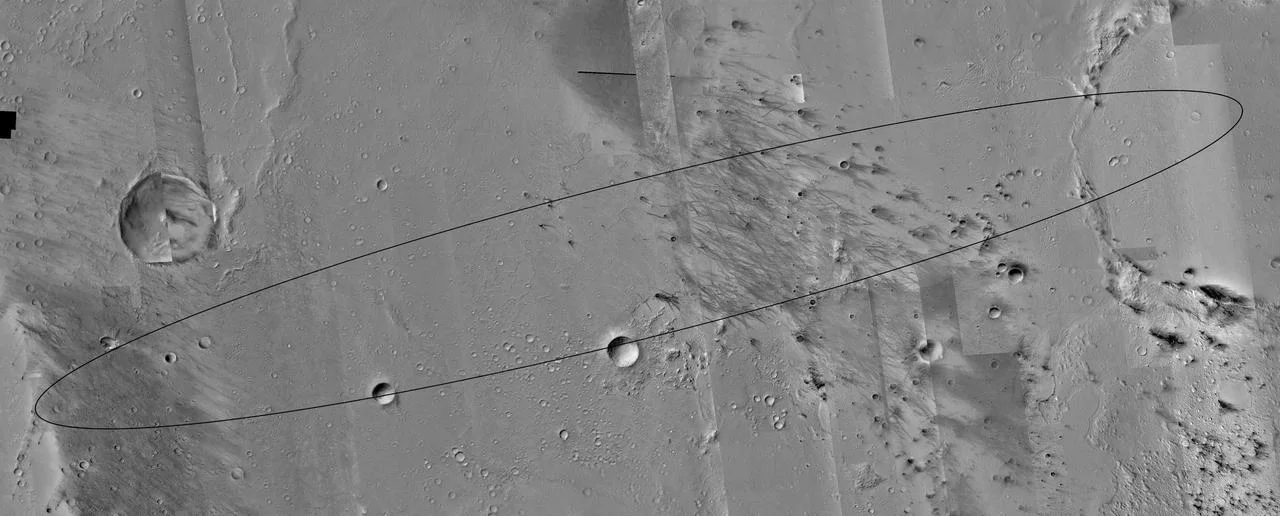
On January 4, 2004, NASA’s Spirit rover touched down in the ancient impact basin of Gusev Crater at 04:35 UTC. The landing followed a student‑chosen name‑contest and marked the start of a 90‑sol prime mission designed to scout for water‑related minerals. Though the mission was slated for just three months, Spirit’s solar panels benefited from occasional dust‑clearing events, giving it more power than engineers had planned.
Driving Far Beyond the Plan
Spirit was built to travel about 600 m, yet over six Earth years it logged 7.73 km of traverses—more than twelve times the original target. This extensive driving let the rover examine a variety of rock outcrops, from basaltic sands to layered sedimentary formations. Each stop yielded high‑resolution images and spectrometer data that helped scientists piece together the crater’s geological history.
Hunting for Water’s Signature
The rover’s primary scientific goal was to identify minerals that form in the presence of liquid water. Using its panoramic camera, Mössbauer spectrometer, and rock‑abrasion tool, Spirit detected iron‑bearing carbonates and silica‑rich deposits—clues that suggest water once altered the local rocks. These findings supported the broader Mars Exploration Program aim of assessing past habitability.
The Sand Trap and a Stationary Science Platform
In May 2009, after five years of exploration, Spirit became lodged in soft sand at an angle that reduced solar exposure. Engineers ran simulations on Earth and attempted a series of “extrication drives,” but the rover remained stuck. Rather than abandon the site, NASA repurposed Spirit as a stationary science platform, continuing to use its instruments to study the surrounding terrain until the last signal on March 22, 2010 (sol 2208).
End of Communications and Legacy
After the final transmission, JPL kept trying to re‑establish contact for over a year. When attempts ceased on May 24, 2011, NASA declared the mission complete. Spirit’s longevity—lasting 20 times its planned lifetime—provided a wealth of data on Martian geology, dust dynamics, and solar‑power management, informing later missions such as Curiosity and Perseverance.
What Spirit Teaches Us About Future Martian Farming
The rover’s extended stay in Gusev demonstrated that even a stalled vehicle can serve scientific purposes, a concept relevant to future habitats and mushroom‑cultivation experiments on Mars. By monitoring local soil chemistry and radiation levels from a fixed spot, Spirit showed how long‑term observations can guide sustainable life‑support strategies for crews heading to the Red Planet.
Sources
This article was prepared with AI assistance from the sources listed above and approved by the Mushroom 2 Mars team before publication.