From Concept to Reality
The idea of a helicopter on Mars began in 2012 when JPL director Charles Elachi visited the lab’s Autonomous Systems Division, which had already been studying lightweight flight concepts. By early 2015 NASA approved funding for a full‑scale prototype, nicknamed the “risk reduction” vehicle. Over the next few years, engineers from JPL, AeroVironment, NASA’s Ames and Langley research centers, and industry partners such as Lockheed Martin and Qualcomm refined the design. In 2014 a conceptual paper outlined a scout helicopter that could accompany a rover, and by mid‑2016 a $15 million request kept the project moving forward.
Building a Martian‑Ready Machine
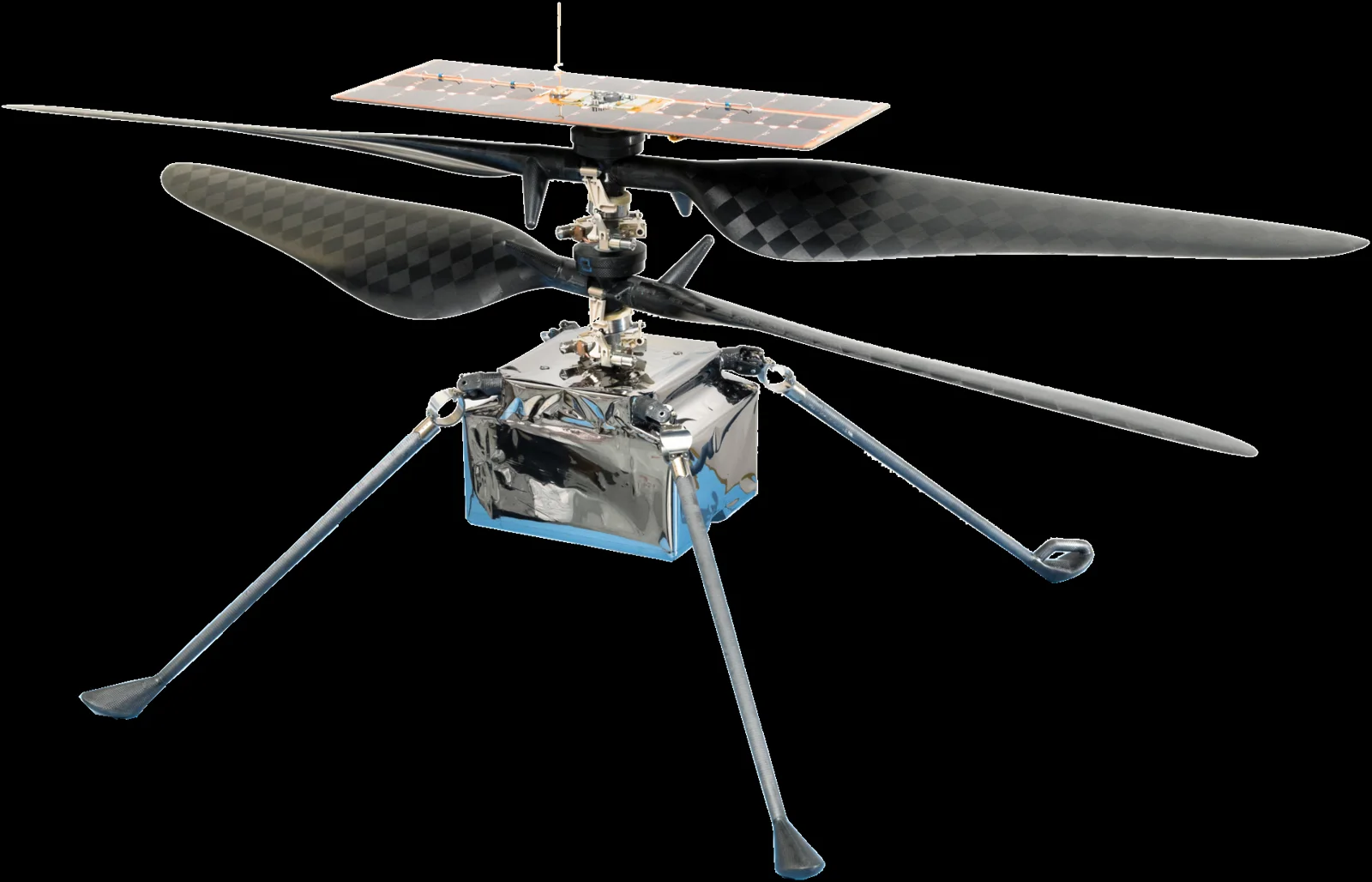
Testing Ingenuity on Earth required recreating the thin Martian atmosphere—about 0.6 % of Earth’s sea‑level pressure, comparable to conditions at 34 km altitude. Engineers used a large vacuum chamber filled with carbon dioxide and a “wind‑wall” of nearly 900 fans to simulate wind. To mimic Mars’ lower gravity (38 % of Earth’s), a harness lifted 62 % of the vehicle’s weight during flight tests. These rigorous trials proved that a rotor system spinning at roughly 2,400 rpm could generate enough lift in such rarefied air.
Naming the Scout
In April 2020 a high‑school student, Vaneeza Rupani, won NASA’s “Name the Rover” contest with the name Ingenuity. The nickname “Ginny” soon appeared alongside the rover’s affectionate moniker “Percy.” The engineering testbed that flew on Earth was called Earth Copter, and an unofficial nickname for the prototype was “Terry.”
From the Ground to the Sky
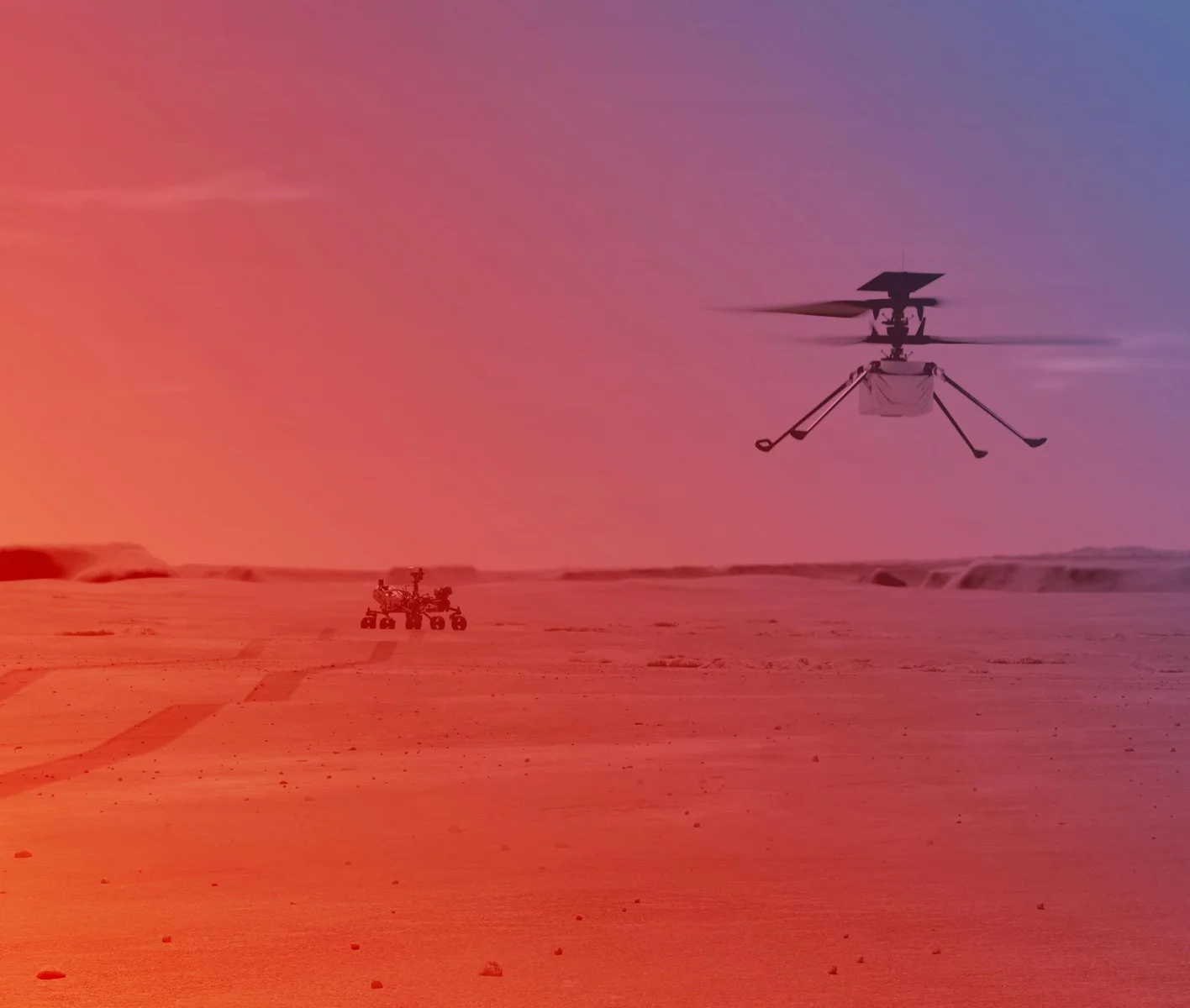
Ingenuity rode to Mars attached to the underside of the Perseverance rover, landing on 18 February 2021 at the Octavia E. Butler site near the western rim of Jezero Crater. Because radio signals take several minutes to travel between Earth and Mars, the helicopter could not be piloted in real time. Instead, engineers at JPL uploaded autonomous flight plans that the craft executed on its own.
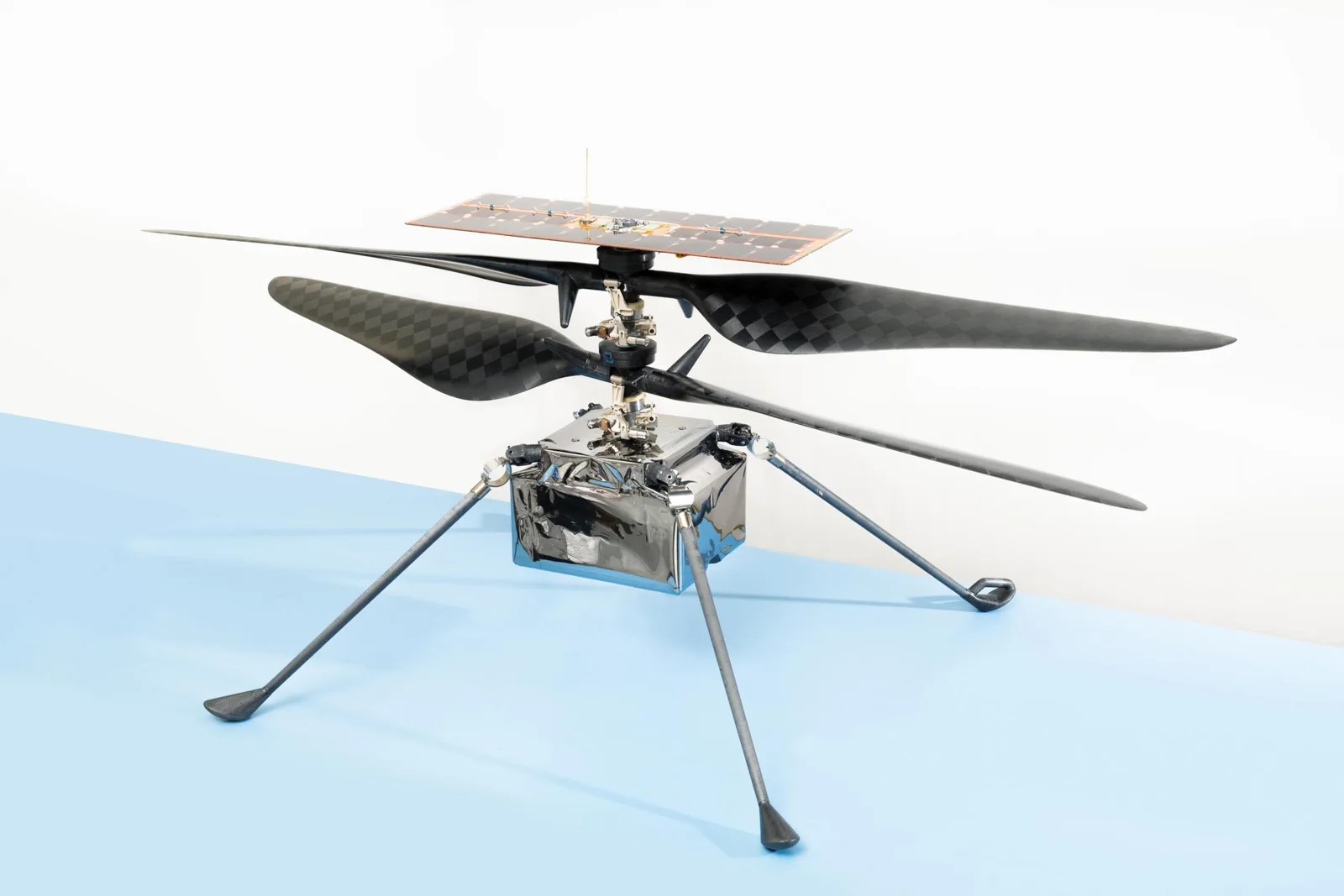
The first flight on 19 April 2021 lasted about 39 seconds, reaching an altitude of roughly 3 meters. This historic hop proved that powered, controlled flight is possible in an atmosphere only about 1 % as dense as Earth’s. The original plan called for five demonstration flights over 30 sols, each no longer than 90 seconds.
An Unexpected Workhorse
Ingenuity far outlasted its demo phase. Over nearly three Earth years, the tiny rotorcraft completed 72 flights, accumulating 2 hours 8 minutes 48 seconds of airtime and covering more than 17 kilometers. Its missions evolved from simple hover tests to scouting ahead for Perseverance, mapping terrain, and testing navigation algorithms. Engineers found that aerial scouting could help future rovers travel up to three times farther per sol, though Perseverance’s own AutoNav system later reduced that advantage.
The helicopter’s resilience was remarkable. It endured dust storms, temperature swings from –90 °C to +20 °C, and the wear of repeated take‑offs and landings on rugged basalt. The operational flights demonstrated new flight‑envelope limits, such as higher altitudes and longer durations, providing valuable data for future aerial explorers.
The Final Flight and Legacy
On 18 January 2024, Ingenuity’s 72nd flight ended abruptly when its rotor blades broke on landing, grounding the craft permanently. Post‑mission analysis indicated that the navigation system struggled over featureless terrain, leading to a hard touchdown. NASA announced the end of the mission a week later, noting that the helicopter had far exceeded its original expectations.
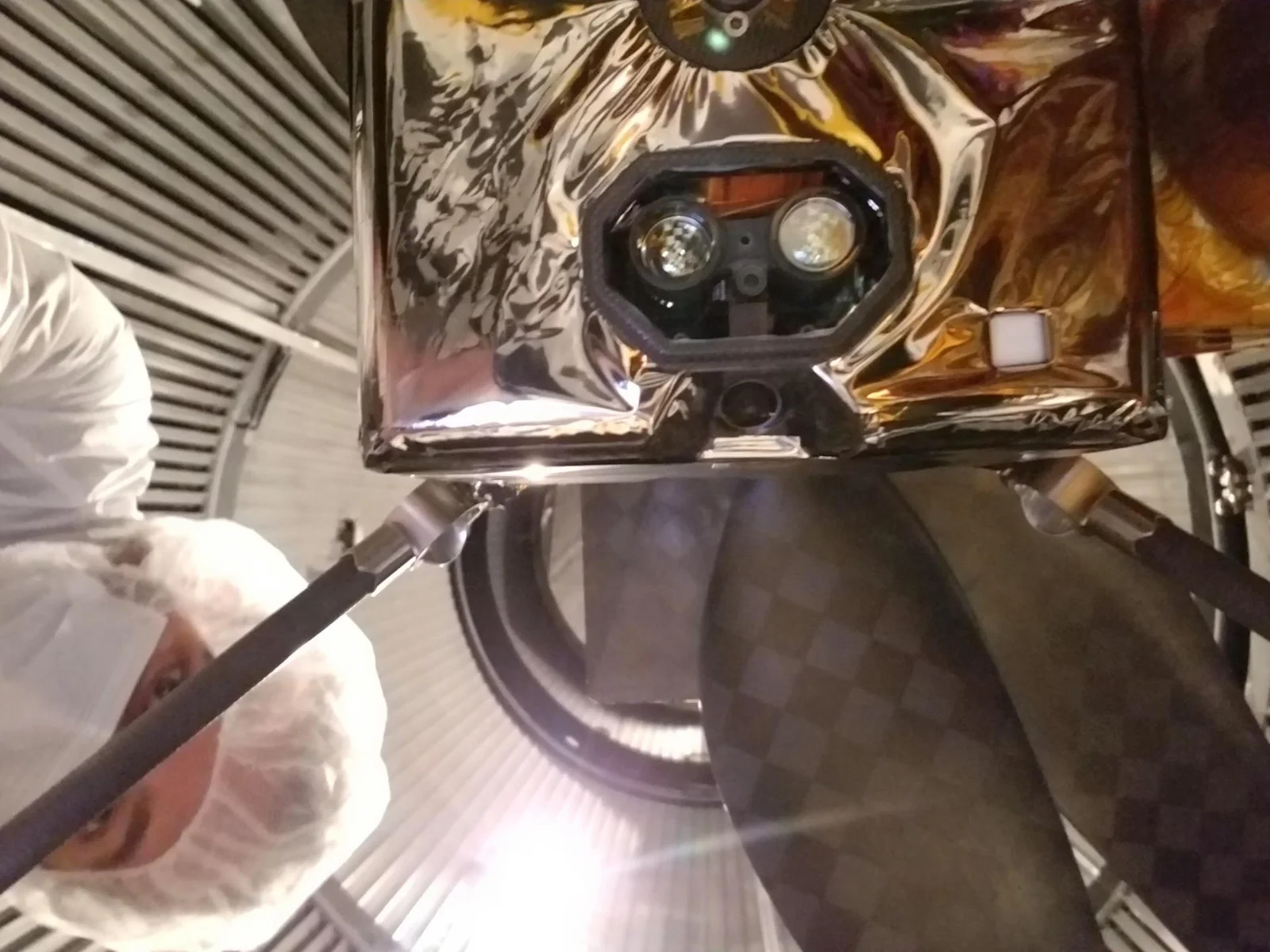
Ingenuity’s legacy is already shaping the next generation of planetary aircraft. Its success proved that lightweight, autonomous helicopters can operate on worlds with thin atmospheres, opening the door for similar scouts on future Mars missions, as well as on moons like Titan where a denser atmosphere could allow even larger flyers. The data gathered will inform design choices for propulsion, power management, and autonomous navigation in extraterrestrial environments.
Looking Ahead: From Ginny to the Red‑Planet Skies
As the Mushroom 2 Mars community imagines cultivating fungi under Martian conditions, Ingenuity reminds us that even the most delicate machines can thrive on the Red Planet. Aerial scouting could one day help locate ideal sites for mushroom habitats, bringing us a step closer to a truly interplanetary farm.
Sources
This article was prepared with AI assistance from the sources listed above and approved by the Mushroom 2 Mars team before publication.