Part of the guide: Mycology: A Complete Guide to Fungi, Cultivation, and Safety
Mulch: Nature’s Insulating Blanket
Mulch is one of the simplest ways to buffer temperature swings in a mushroom bed. A 5‑10 cm layer of straw, shredded leaves, or pine needles can keep the substrate several degrees warmer on cold nights and cooler during hot afternoons. According to the University of Minnesota Extension, organic mulches also retain moisture, which helps maintain the high humidity mushrooms need (University of Minnesota, 2023). When applying mulch, spread it evenly and avoid compacting it, as air pockets improve insulation.
Shade Cloths for Summer Heat
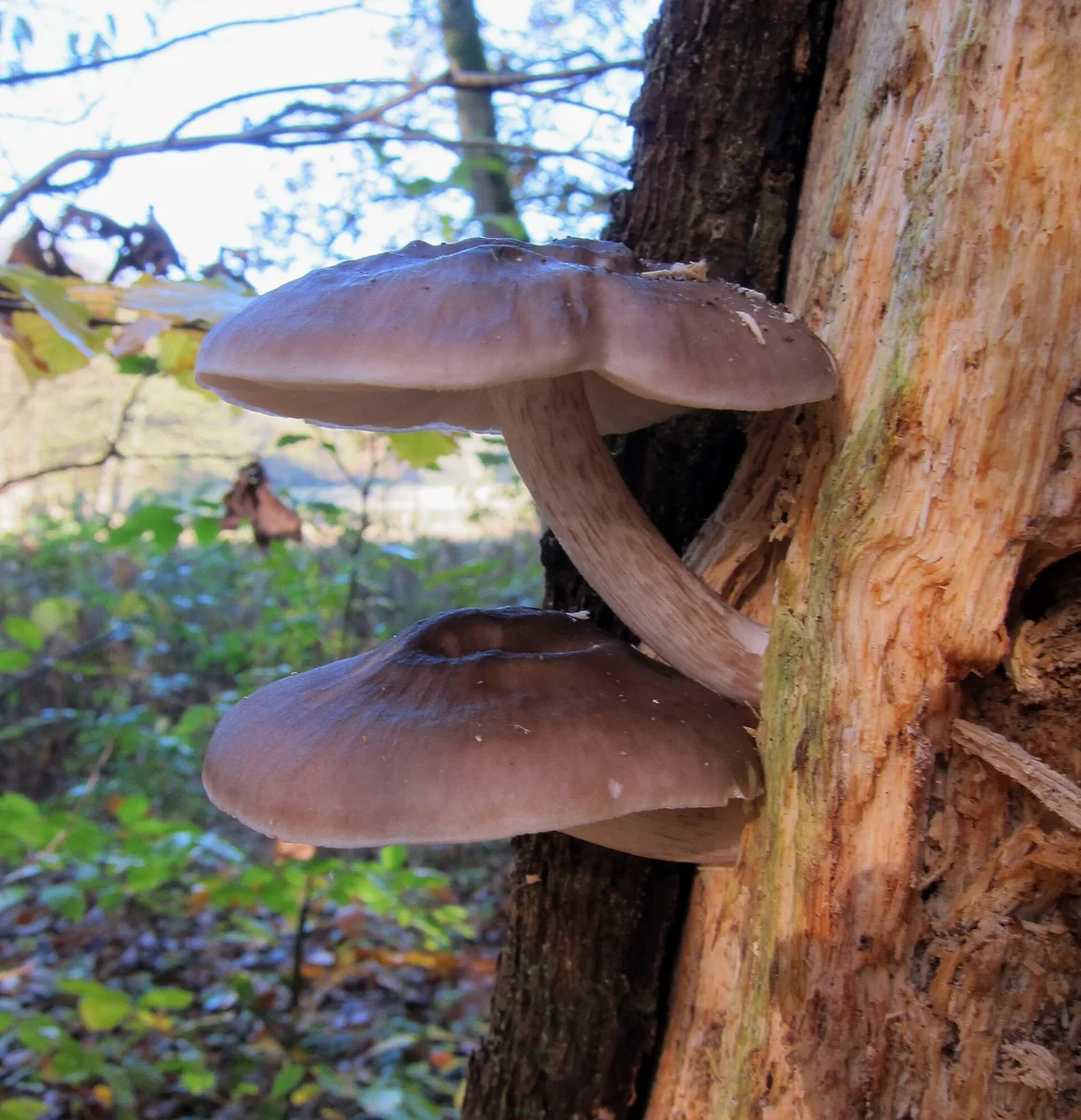
Shade cloths reduce direct solar radiation, preventing the substrate from overheating. A 30‑50 % shade cloth is often sufficient for most temperate‑zone species such as Pleurotus ostreatus (oyster mushroom) and Agaricus bisporus (button mushroom). The Cornell Small Farms Program notes that positioning the cloth 30‑45 cm above the beds allows airflow while still cutting peak temperatures by 5‑8 °C (Cornell, 2022). Secure the cloth with garden stakes or ropes, and adjust the height seasonally to balance light and heat.
Windbreaks to Guard Against Temperature Drops
Cold winds can plunge substrate temperatures and dry out the surface, slowing mycelial growth. Simple windbreaks—rows of tall shrubs, bamboo fencing, or even stacked pallets—create a micro‑climate that moderates temperature fluctuations. The Royal Horticultural Society recommends a windbreak at least twice the height of the tallest mushroom bed and placed upwind of prevailing breezes (RHS, 2021). For portable setups, attach a lightweight fabric panel to a frame that can be moved as wind directions change.
Water‑Based Thermal Regulation
Water has a high specific heat capacity, making it an effective temperature stabilizer. Placing shallow trays of water around the mushroom beds absorbs heat during the day and releases it slowly at night. A study from the Finnish University of Agriculture found that a 2‑liter water tray placed 30 cm from a Pleurotus bed reduced nightly temperature drops by up to 3 °C (Finnish University of Agriculture, 2020). Refresh the water daily to prevent stagnation and mosquito breeding.
Seasonal Coverings: Frost Cloths and Row Covers
In early spring or late autumn, frost cloths (lightweight, breathable fabrics) can protect beds from sudden freezes. Row covers made of spun‑bonded polypropylene act like mini‑greenhouses, trapping heat while still allowing air exchange. The USDA Forest Service advises checking the cloth daily for condensation buildup, which can promote mold growth if left unchecked (USDA, 2022).
Timing and Species Selection
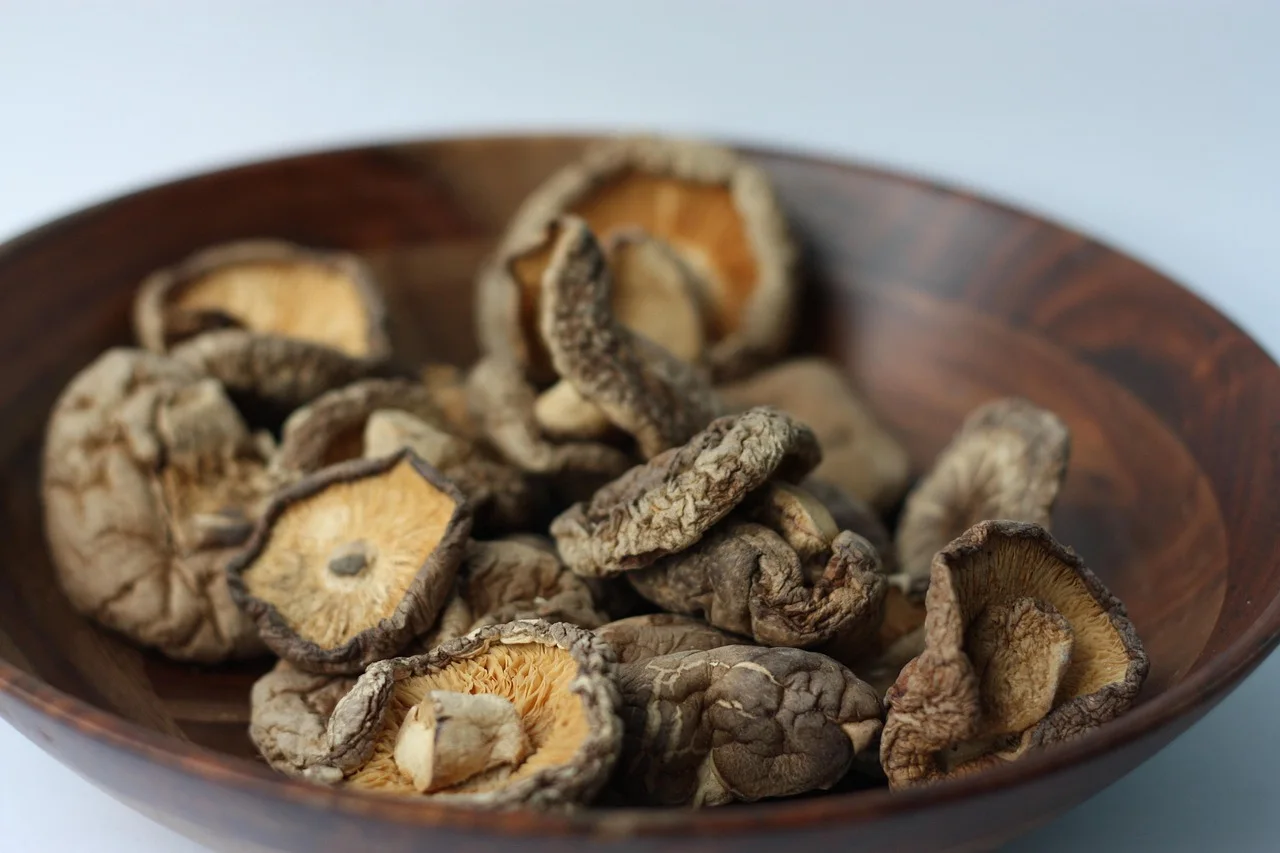
Even with temperature hacks, choosing species suited to your climate eases management. King oyster (Pleurotus eryngii) tolerates cooler temperatures down to 10 °C, while shiitake (Lentinula edodes) prefers the milder range of 12‑24 °C. Align planting dates with expected temperature windows, and use the low‑tech methods above to smooth out any residual extremes.
Bringing It All Together on Mars
By combining mulch, shade cloths, windbreaks, and water trays, growers can create a resilient outdoor mushroom garden that thrives across seasons—an approach that could one day help sustain future mushroom farms on the Red Planet.
Sources
- Mulching for Mushroom Cultivation
- Shade Cloth Use in Small Farm Production
- Windbreak Design Guidelines
- Thermal Regulation with Water in Mushroom Beds
- Frost Protection for Outdoor Crops
- Species Temperature Ranges for Edible Mushrooms
This article was prepared with AI assistance from the sources listed above and approved by the Mushroom 2 Mars team before publication.