Origins and Cultural Significance
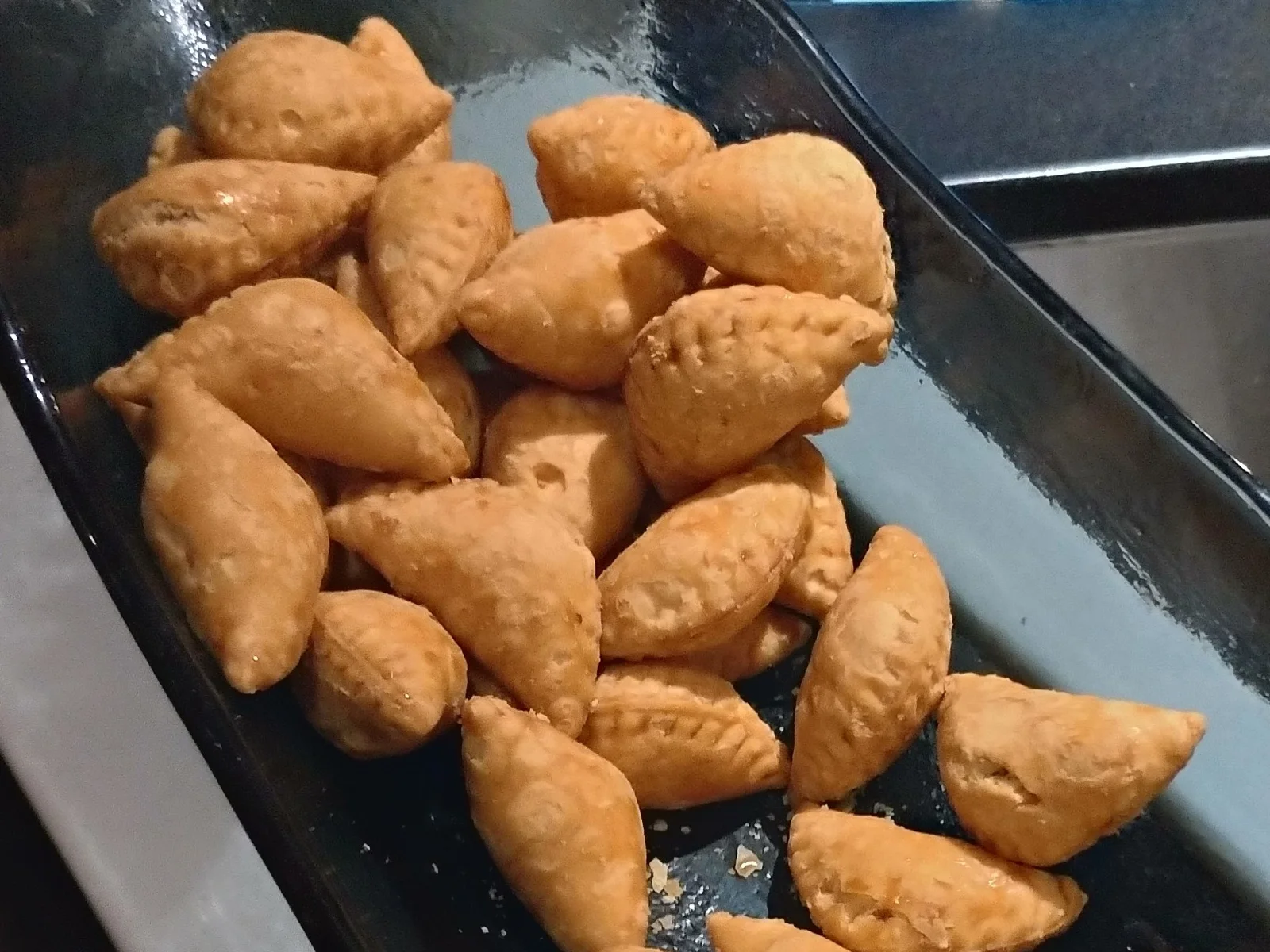
Yau gok, sometimes written as jau gok, are small, crescent‑shaped pastries that trace their roots to Guangdong province in southern China. The name reflects the shape (角, meaning “corner” or “horn”) rather than the cooking method, distinguishing them from the more familiar steamed dumplings called jiaozi. In Cantonese households, these treats appear most often during the Lunar New Year, when families gather to share foods that symbolize prosperity and good fortune. Over the decades, the pastry has traveled with Cantonese diaspora communities, becoming a festive staple in Hong Kong, Malaysia, and other regions with strong Cantonese influence.
The Dough: A Glutinous Rice Base
The outer wrapper is made from a simple glutinous rice dough. Combine short‑grain glutinous rice flour with warm water, mixing until a smooth, pliable ball forms. Let the dough rest for about 15 minutes; this relaxation period makes it easier to roll thinly without tearing. When ready, divide the dough into small portions—roughly the size of a walnut—and roll each piece into a thin circle, about 8 cm in diameter. The dough should be translucent but sturdy enough to hold the filling without breaking during frying.
Savory Version: Haam Gok Zai
Typical Fillings
The savory Yau gok, known locally as haam gok zai, traditionally includes diced pork, sliced Chinese sausage (lap cheong), and chopped dried black mushrooms (shiitake). The mushrooms add umami depth and a pleasant chew, complementing the richness of the meat. Season the mixture with soy sauce, a splash of oyster sauce, a pinch of five‑spice powder, and a drizzle of sesame oil. Stir‑fry briefly to meld flavors, then let the filling cool before stuffing the dough.
Assembly and Cooking
Place a spoonful of the cooled filling onto the center of each dough circle. Gently fold the dough over the filling, pinching the edges together to form a tight crescent. Heat a wok or deep‑fat pan with enough oil to reach a depth of about 2 cm, then bring the temperature to medium‑high (around 180 °C/350 °F). Fry the pastries in batches, turning once, until they turn golden‑brown and develop a crisp exterior—typically 3–4 minutes per side. Drain on paper towels before serving.
Sweet Version: Tim Gok Zai
Classic Sweet Filling
The sweet counterpart, tim gok zai, is popular among vegetarians because it contains no animal products. The filling combines roasted peanuts, white sesame seeds, and finely shredded dried coconut, all tossed with granulated sugar. For added texture, some cooks toast the peanuts and sesame seeds lightly before mixing. The resulting blend is sweet, nutty, and slightly fragrant.
Frying Method
The dough preparation mirrors the savory version. After placing the sweet filling on each dough circle, seal the edges to create a neat crescent. Because the sweet filling does not contain moisture, the pastries tend to stay crispier after frying. Deep‑fry at the same temperature as the savory version, watching closely to prevent the sugar from caramelizing too quickly. Once golden, remove and let them cool on a rack; the pastries will become crunchy as they reach room temperature.
Tips for Perfect Yau Gok
- Dough handling: If the dough feels too sticky, dust the work surface lightly with additional glutinous rice flour. If it cracks, a few drops of water can restore elasticity.
- Oil temperature: Use a thermometer or test with a small piece of dough; it should sizzle immediately but not burn.
- Batch cooking: Avoid overcrowding the pan, which can lower oil temperature and result in soggy pastries.
- Storage: Once cooled, store Yau gok in an airtight container. They retain crispness for up to two days; re‑heat briefly in a hot oven (150 °C) to revive crunch.
Bringing Yau Gok to a Martian Kitchen
While the traditional recipe relies on deep‑fat frying, future off‑world habitats could adapt the dough for low‑gravity ovens, using convection heat to achieve a similar crisp texture. The use of glutinous rice flour and plant‑based fillings aligns well with sustainable food cycles envisioned for long‑duration space missions, making Yau gok a tasty cultural bridge between Earth and Mars.
Sources
Only eat mushrooms you bought from a trusted seller or grew yourself. Never eat a wild mushroom unless an expert has identified it. Cook mushrooms thoroughly and check ingredients for allergies.
This article was prepared with AI assistance from the sources listed above and approved by the Mushroom 2 Mars team before publication.