Part of the guide: Mycology: A Complete Guide to Fungi, Cultivation, and Safety
Taxonomic twists and a bright name
Ganoderma lucidus belongs to the genus Ganoderma, a group first defined by Petter Karsten in 1881. The name combines the Greek words ganos (brightness) and derma (skin), reflecting the glossy surface of many species, with the Latin lucidum meaning "clear" or "bright." Over the centuries the genus has been reshuffled repeatedly; early classifications placed the fungus under Boletus and later Polyporus. Modern molecular studies show that what was once called G. lucidum actually spans several genetic lineages, some of which are more closely related to North American species like G. tsugae than to the Asian “reishi” commonly sold in health shops. This taxonomic chaos explains why many products label their contents as G. lucidum even when the fungus is a different, but visually similar, species.
What the mushroom looks like
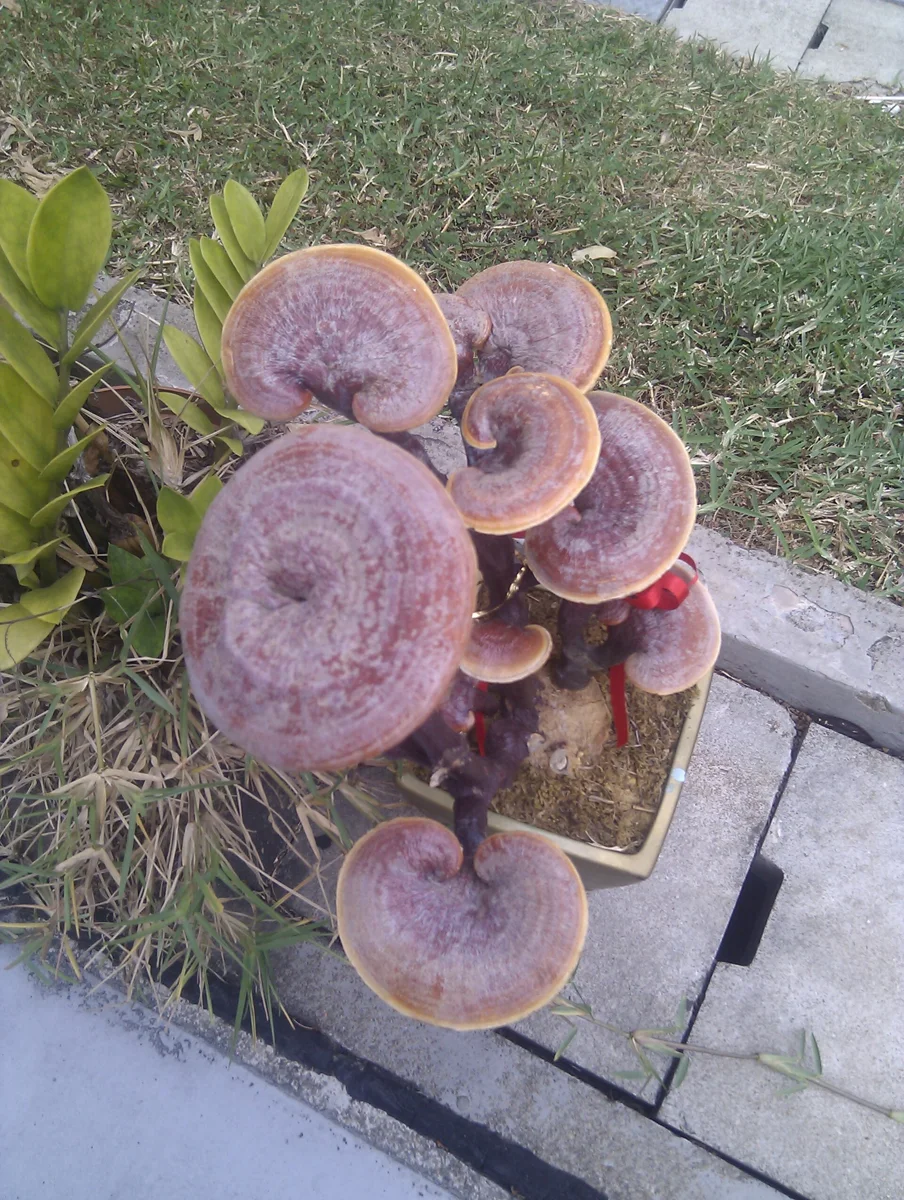
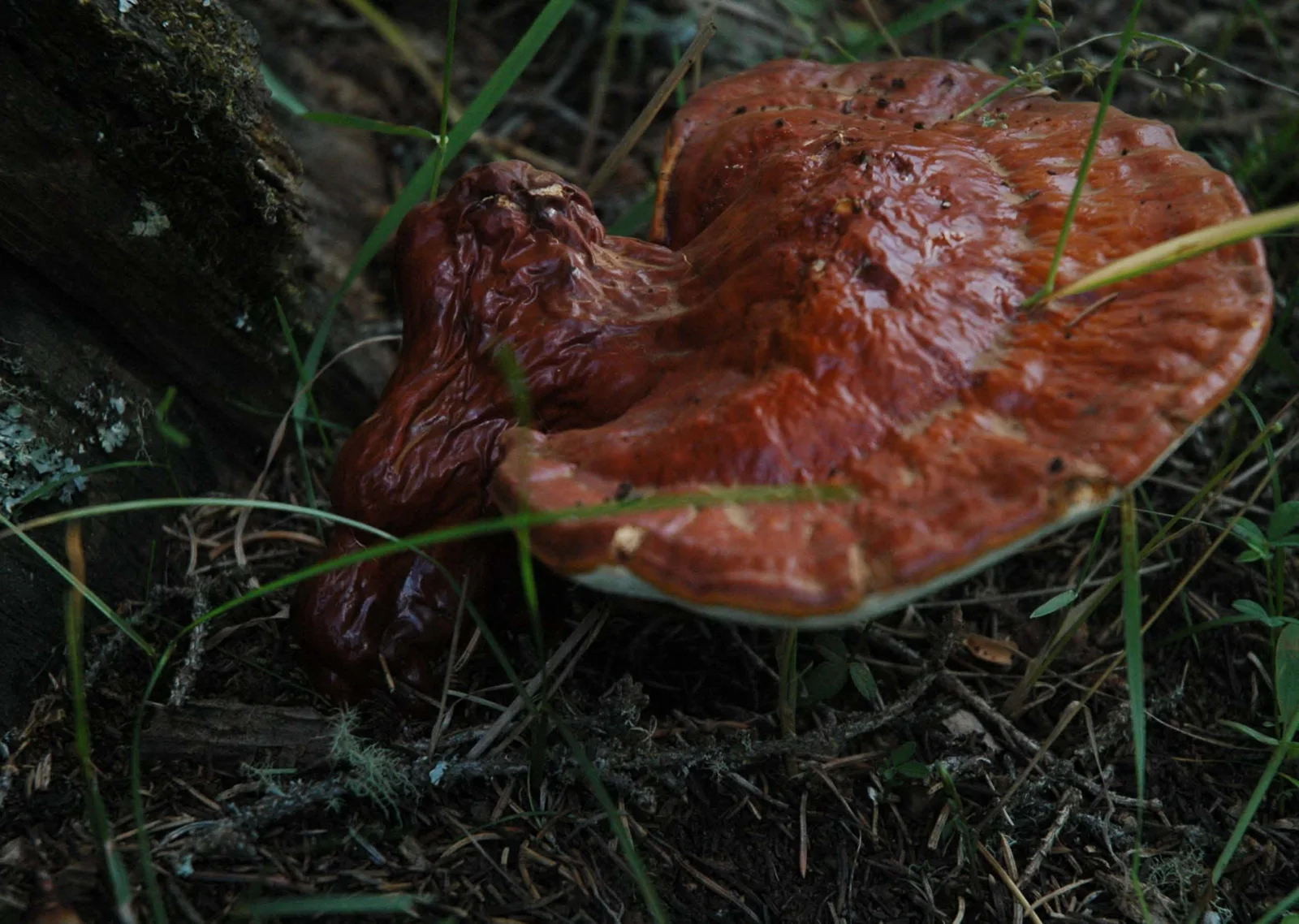
The fruiting body of reishi is unmistakable: a fan‑shaped cap that can reach up to 35 cm (14 in) across, with a thick, often russet‑brown stalk that is about one‑and‑a‑half times the cap’s diameter. The surface is lacquered, ranging from deep red to purple‑brown, and the pores on the underside are tiny—about four to five per millimetre. Inside, the flesh (or context) appears pink‑buff to cinnamon‑buff and is corky rather than fleshy. Spores are brown, measuring roughly 8–12 µm long and 5–9 µm wide. These physical traits, especially the shiny cuticle, help field mycologists differentiate reishi from other bracket fungi.
Where it lives in the wild
Although the species is most famous in East Asian folklore, G. lucidum has a surprisingly broad natural range. It thrives in tropical and subtropical rainforests across Asia, Africa, and parts of the United States. In the wild it prefers decaying hardwoods—especially plum and oak stumps—but can also be found on introduced trees in temperate zones such as California and Utah, where human activity likely helped it establish. The fungus plays a role in forest ecology by breaking down lignin and cellulose, returning nutrients to the soil. Interestingly, it is a favorite food of the North American pleasing fungus beetle (Megalodacne fasciata), which feeds on the tough, woody tissue.
Growing reishi in the lab and farm
Commercial cultivation of reishi is a major industry in Japan, Korea, and China, where intensive methods produce the dense, woody brackets used for teas and extracts. A 2020 study demonstrated that the fungus can be grown on a variety of agricultural side‑streams, though it fruits best on hardwoods such as oak or plum. Softwoods like pine contain compounds that inhibit fruiting, but recent research shows G. lucidum can still delignify pine (Pinus sylvestris) while preserving carbohydrates, opening the door to using softwood waste in future production cycles. Cultivation typically involves inoculating sterilized logs or sawdust blocks with mycelium, maintaining high humidity, and allowing the mycelium to colonize for several months before fruiting is triggered by temperature shifts.
Uses beyond the kitchen
Reishi is famously inedible when dried—its texture is rock‑hard and its flavor extremely bitter. Most consumers encounter it as a tea made by steeping thin slices of the dried bracket in hot water. While traditional Asian medicine has long praised reishi for various health‑related claims, systematic clinical research remains limited. Reviews note that current evidence does not support treating cardiovascular disease, diabetes, or other conditions with reishi extracts, and the mushroom can interact with certain medications. Because of these safety considerations, it is best treated as a cultural or culinary curiosity rather than a proven therapeutic.
Cultural footprints and modern confusion
The glossy, red‑brown brackets have been symbols of longevity and spiritual potency in Chinese, Japanese, and Korean cultures for centuries. In Chinese folklore the mushroom is called "lingzhi" and is associated with immortality; in Japan it is known as "reishi" and appears on temple roofs and artwork. However, the commercial market often mixes species: many products labeled "reishi" actually contain Ganoderma sichuanense or Ganoderma sinense, which are genetically distinct from true G. lucidum. This mislabeling extends to "grow‑your‑own" kits and tissue cultures sold online, complicating both scientific study and consumer expectations.
Looking ahead: mushrooms on other worlds
As researchers explore sustainable food sources for long‑duration space missions, the hardy, wood‑degrading abilities of Ganoderma lucidum make it a candidate for closed‑loop bioprocessing—perhaps even one day helping to grow a fungal garden on the Red Planet.
Sources
This article is for general information only and is not medical advice. Do not use it to diagnose or treat any condition; talk to a doctor about health questions.
This article was prepared with AI assistance from the sources listed above and approved by the Mushroom 2 Mars team before publication.