Part of the guide: Mycology: A Complete Guide to Fungi, Cultivation, and Safety
A distinctive look on birch bark
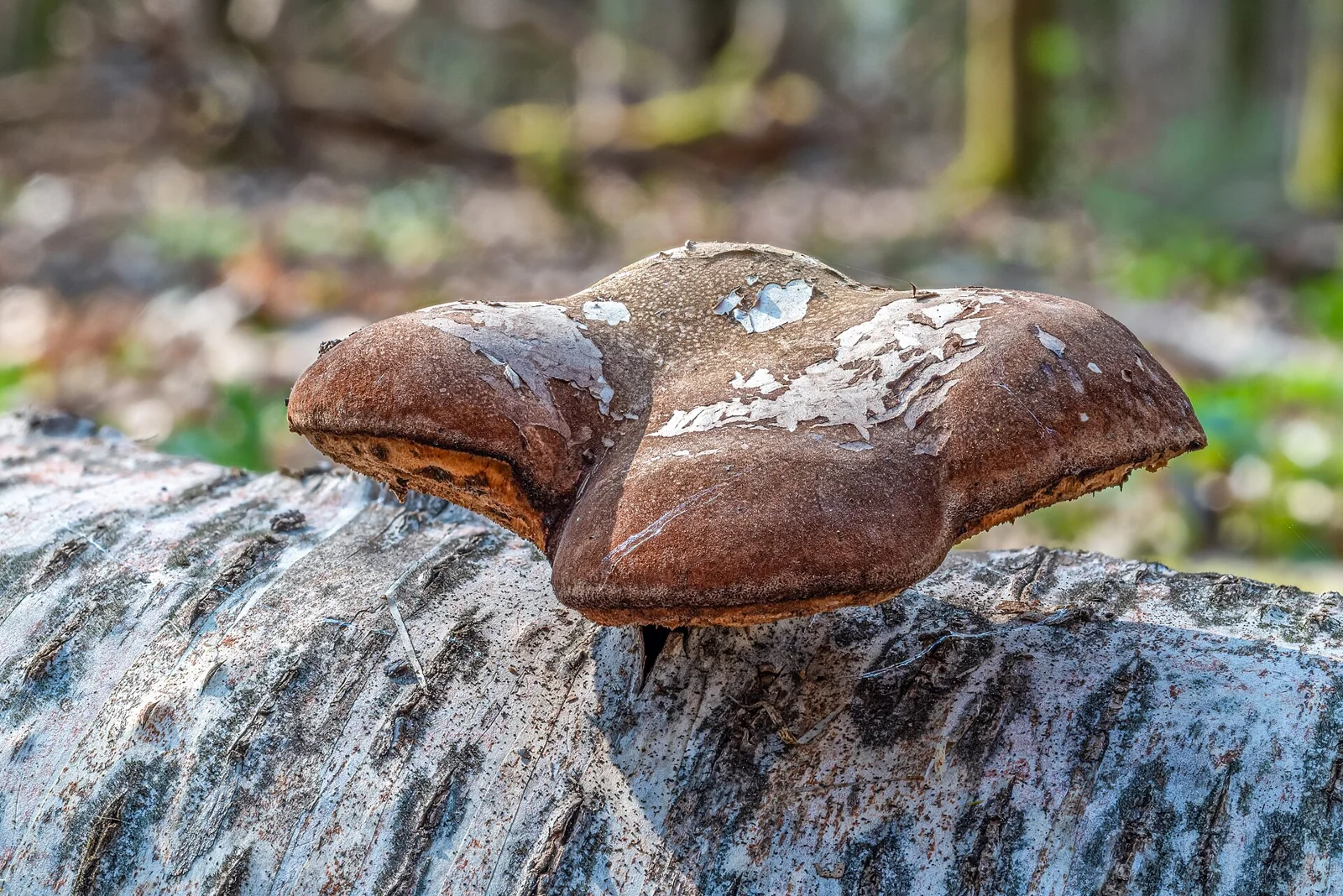
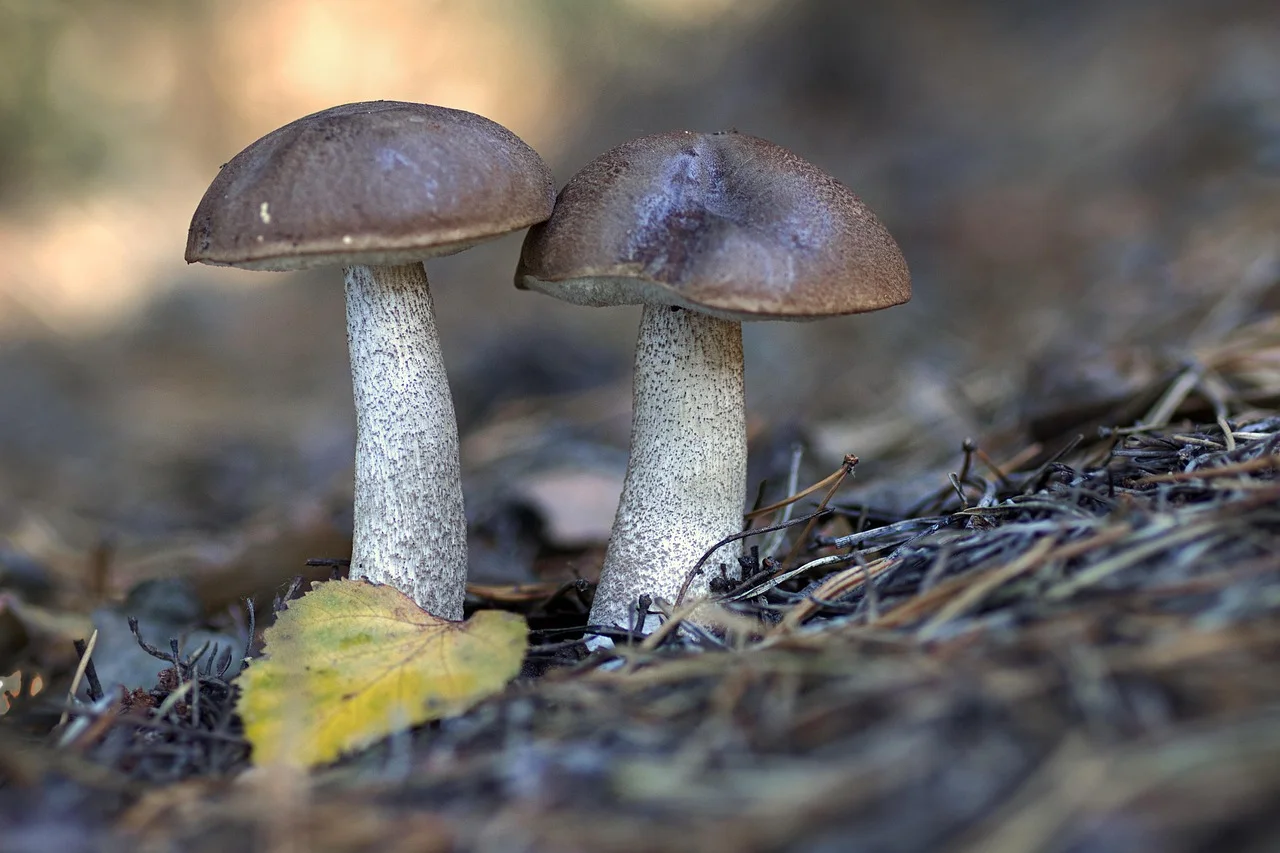
Fomitopsis betulina, often called the birch bracket or razor‑strop fungus, appears as pale, smooth‑grayish brown shelves that cling tightly to birch bark. The underside is creamy white and covered with thousands of tiny pores that release spores. Young fruit bodies feel rubbery, becoming cork‑like as they age. When the fungus decays wood, the mycelium gives off a faint green‑apple scent, a clue that can help seasoned foragers confirm identification. Remember, wild specimens are regarded as inedible except possibly when very young, and should never be eaten without expert verification.
Taxonomy and naming history
First described in 1788 by Jean Bulliard as Boletus betulinus, the species was moved to Piptoporus by Petter Karsten in 1881. Molecular studies in the 2010s showed a closer relationship to the genus Fomitopsis, prompting a reclassification in 2016. The specific epithet betulina simply references its birch hosts (genus Betula). Common names—birch polypore, birch bracket, razor‑strop—reflect both its habitat and its historic use as a polishing cloth for razor edges.
Life cycle and mating system
Unlike many mushrooms that rely on a tetrapolar mating system involving two separate genetic loci, F. betulina uses a bipolar system. Each individual carries a single mating‑type gene with many allelic variants; in Britain, at least 33 different types have been recorded. A spore or monokaryotic cell can only fuse with a partner that has a different allele, ensuring genetic diversity. This system also explains why a single birch tree often hosts just one fungal individual, though occasionally several coexist, creating visible lines of antagonism when their mycelia meet.
Habitat, distribution, and ecological role
The fungus is a brown‑rot specialist, found only on birch species such as Betula pendula, B. pubescens, B. papyrifera, and B. obscura. Its range spans the Northern Hemisphere—North America, Europe, and Asia. It typically colonises weakened or wounded trees, entering through small cracks and remaining dormant until stressors like fire, drought, or competition weaken the host. Over time the fungus breaks down cellulose, turning the wood brown and brittle, eventually contributing to the tree’s death.
F. betulina also supports a surprisingly diverse micro‑fauna. A study of more than 2,600 fruit bodies in eastern Canada recorded 257 arthropod species, including 172 insects and 59 mites, that use the fungus for food or shelter. Caterpillars of the fungus moth Nemaxera betulinella feed on it, and beetles such as Aporotritoma pulchra have been observed on the brackets, though the fungus is not a primary food source for most insects.
Traditional and modern uses
Historically, the velvety underside of the bracket was prized as a strop for sharpening razors—hence the nickname “razor‑strop.” Naturalists also used it as a mounting medium for insect collections and as tinder for fire‑starting. Some cultures employed the fungus as a mild anesthetic, though scientific validation of this use is limited.
In contemporary research, F. betulina attracts interest for its chemical constituents. The fruit body contains phenolic acids, indole compounds, sterols, and triterpenes such as betulin and betulinic acid. One compound, agaric acid, has shown toxicity toward the parasitic whipworm Trichuris trichiura in laboratory assays. The fungus was even found among the belongings of Ötzi the Iceman, a 5,300‑year‑old mummy, leading to speculation that it may have been used as a laxative, though definitive proof remains elusive.
Cultivation prospects for space habitats
While the birch bracket is a necrotrophic parasite of trees, its robust mycelium and ability to thrive on woody substrates suggest potential for controlled‑environment cultivation. Researchers investigating closed‑loop life‑support systems for long‑duration missions have noted that fungi capable of breaking down lignocellulose could help recycle plant waste on spacecraft or Martian habitats. By providing a substrate such as shredded birch wood chips, F. betulina could be grown in bioreactors to produce biomass for research, bio‑materials, or even as a source of valuable secondary metabolites.
Safe handling and identification tips
Because F. betulina is considered inedible, it should never be collected for culinary purposes. Foragers interested in studying the species should: - Verify the host tree is a birch. - Check the smooth gray‑brown cap and creamy‑white, pore‑lined underside. - Note the rubbery texture that becomes corky with age. - Avoid any specimen that shows signs of other fungal colonisation, such as a yellowish surface from Hypocrea pulmonata. If there is any doubt, consult a local mycological society or a qualified expert before handling the fungus.
Fomitopsis betulina reminds us how a single species can intertwine biology, culture, and future technology—perhaps even as a component of sustainable mushroom production on the Red Planet.
Sources
This article is for general information only and is not medical advice. Do not use it to diagnose or treat any condition; talk to a doctor about health questions.
This article was prepared with AI assistance from the sources listed above and approved by the Mushroom 2 Mars team before publication.