Part of the guide: Mycology: A Complete Guide to Fungi, Cultivation, and Safety
What the hygroscopic earthstar looks like
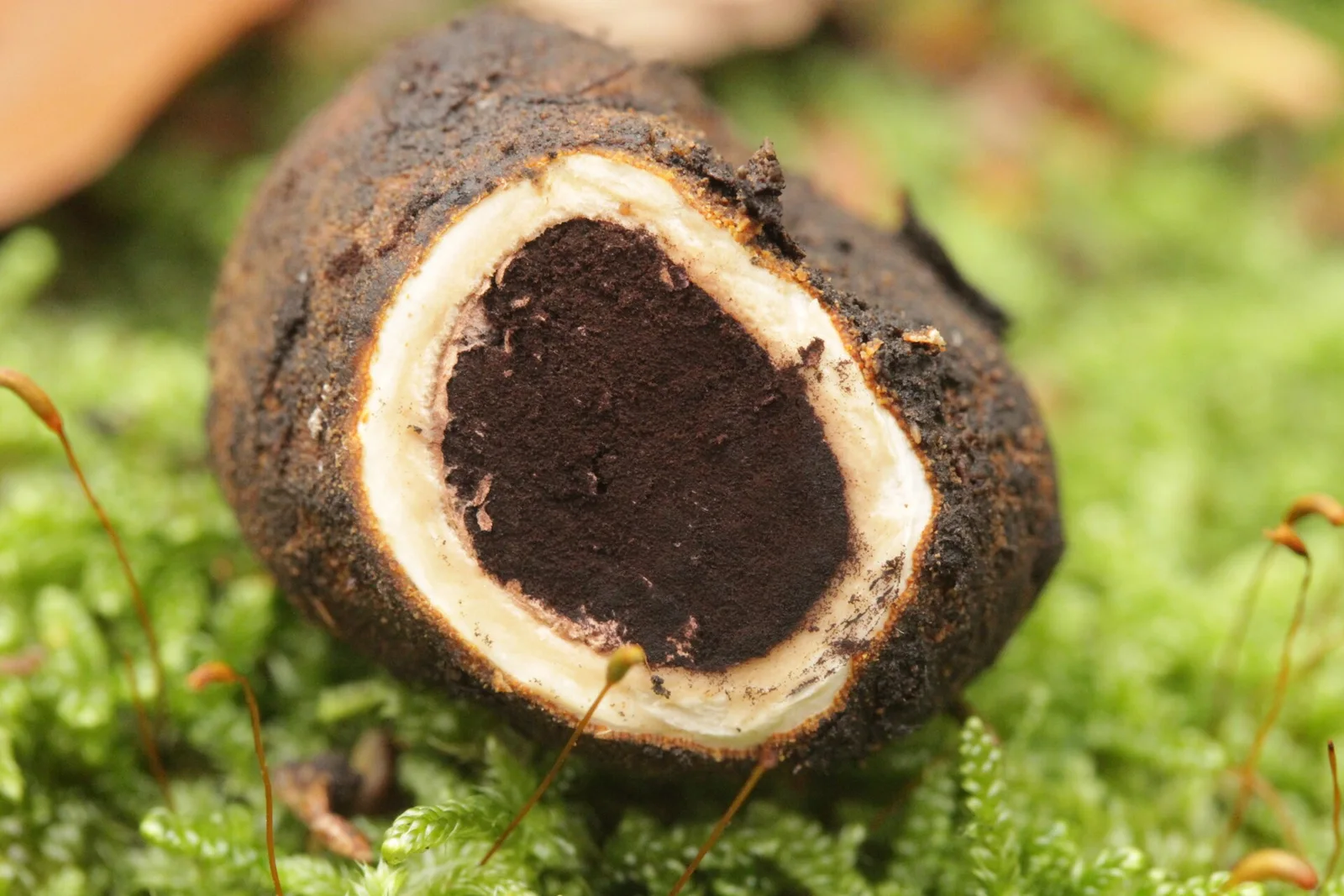
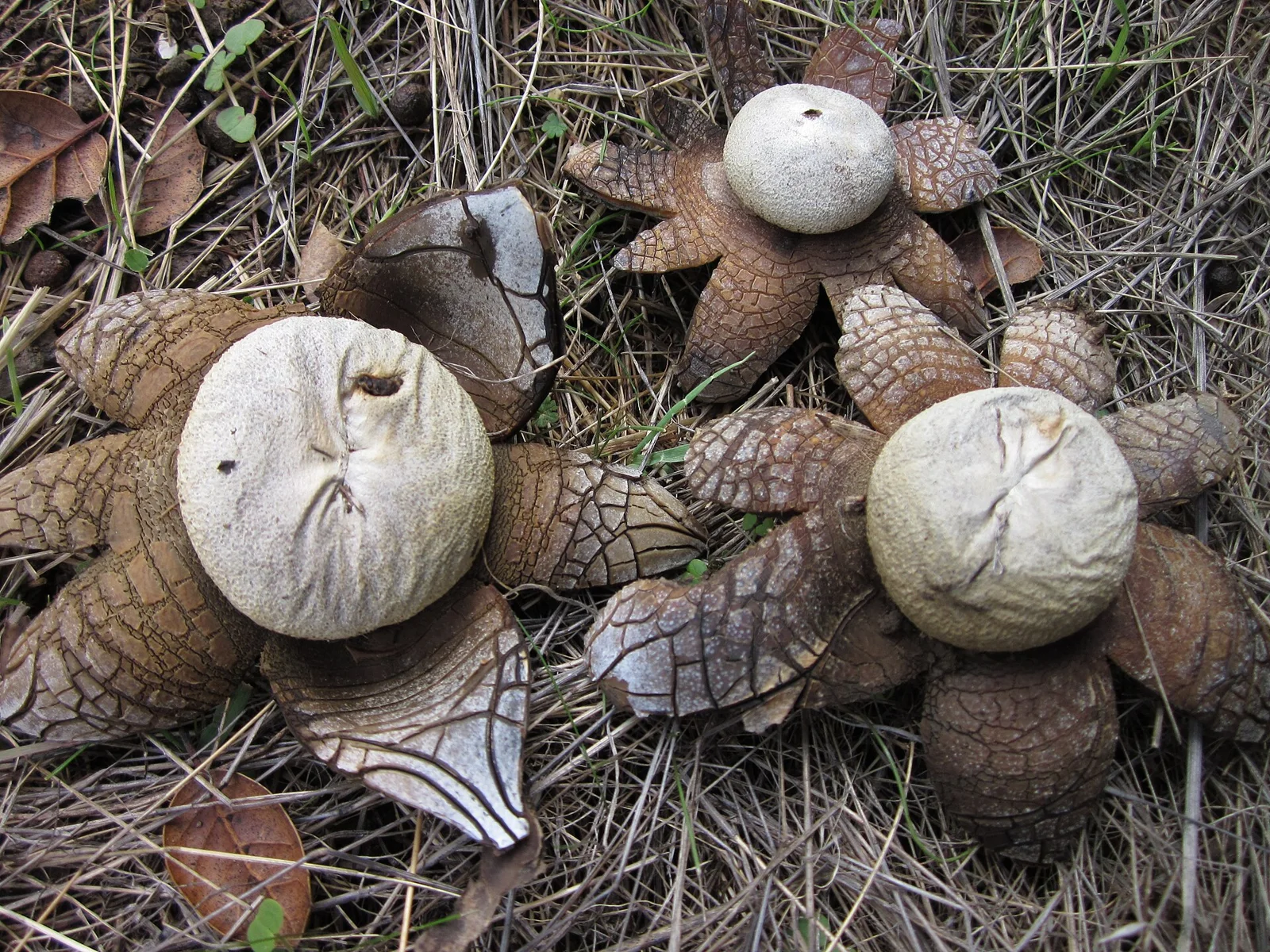
Astraeus hygrometricus begins life as a round, unopened puffball. As it matures, the outer skin tears apart into a star‑shaped array of rays that can open and close like a tiny barometer. The rays have a cracked texture, while the inner spore sac is pale brown and smooth, ending in a small slit at the top. When the spores are still immature the gleba – the spore‑bearing tissue – appears white, turning brown and powdery as the spores ripen. The spores themselves are reddish‑brown, roughly spherical and about 8–11 µm across, covered with fine warts.
A tangled taxonomic history
The species was first recorded in the early 19th century under the name Geastrum hygrometricus. Later, differences in microscopic features – such as larger, branched capillitium threads and the absence of true hymenial layers – prompted mycologist Andrew P. Morgan to propose a new genus, Astraeus, in the 1880s. While some later authors resisted the change, most modern taxonomic databases now accept Astraeus as distinct from true earthstars (Geastrum). Recent DNA work has further split what was once thought to be a single worldwide species into several region‑specific lineages, including newly described Asian species like A. asiaticus and A. odoratus and North American relatives such as A. morganii and A. smithii.
Where it lives and how it partners with trees
The false earthstar is an ectomycorrhizal fungus, forming a symbiotic network with the roots of various trees, especially those thriving in sandy soils. This partnership helps trees absorb water and nutrients while the fungus receives carbohydrates. Although earlier literature described the species as cosmopolitan, current understanding limits A. hygrometricus to southern Europe, with related Astraeus species spread across temperate and tropical zones worldwide.
Chemical treasures inside the fruit body
Laboratory analyses have identified several bioactive compounds in the fruiting bodies of A. hygrometricus. While the exact health implications are still under investigation, these molecules contribute to the mushroom’s traditional use in some Asian cuisines. It is important to note that North American field guides often list the fungus as inedible, a caution that reflects taxonomic confusion rather than a universal safety verdict. Consumers should rely on expert identification and regional guidelines before considering it for food.
Culinary notes from Asia
In parts of South and Southeast Asia, the hygroscopic earthstar is harvested and incorporated into dishes after thorough cooking. Recipes typically involve cleaning the fruit bodies, slicing them thinly, and stir‑frying with aromatics such as garlic, ginger, and soy sauce. Cooking temperatures should reach at least 75 °C (165 °F) to ensure any heat‑sensitive compounds are broken down. Because the mushroom is not commonly foraged in the West, it is advisable to obtain it from reputable suppliers rather than from the wild, where misidentification can be dangerous.
Looking ahead: from earth to Mars
Understanding the biology of Astraeus hygrometricus—its moisture‑responsive opening, mycorrhizal habits, and resilience in sandy substrates—offers valuable clues for designing fungal life‑support systems in future Martian habitats.
Sources
This article is for general information only and is not medical advice. Do not use it to diagnose or treat any condition; talk to a doctor about health questions.
This article was prepared with AI assistance from the sources listed above and approved by the Mushroom 2 Mars team before publication.