Part of the guide: Mycology: A Complete Guide to Fungi, Cultivation, and Safety
Understanding Lion’s Mane and Its Active Compounds
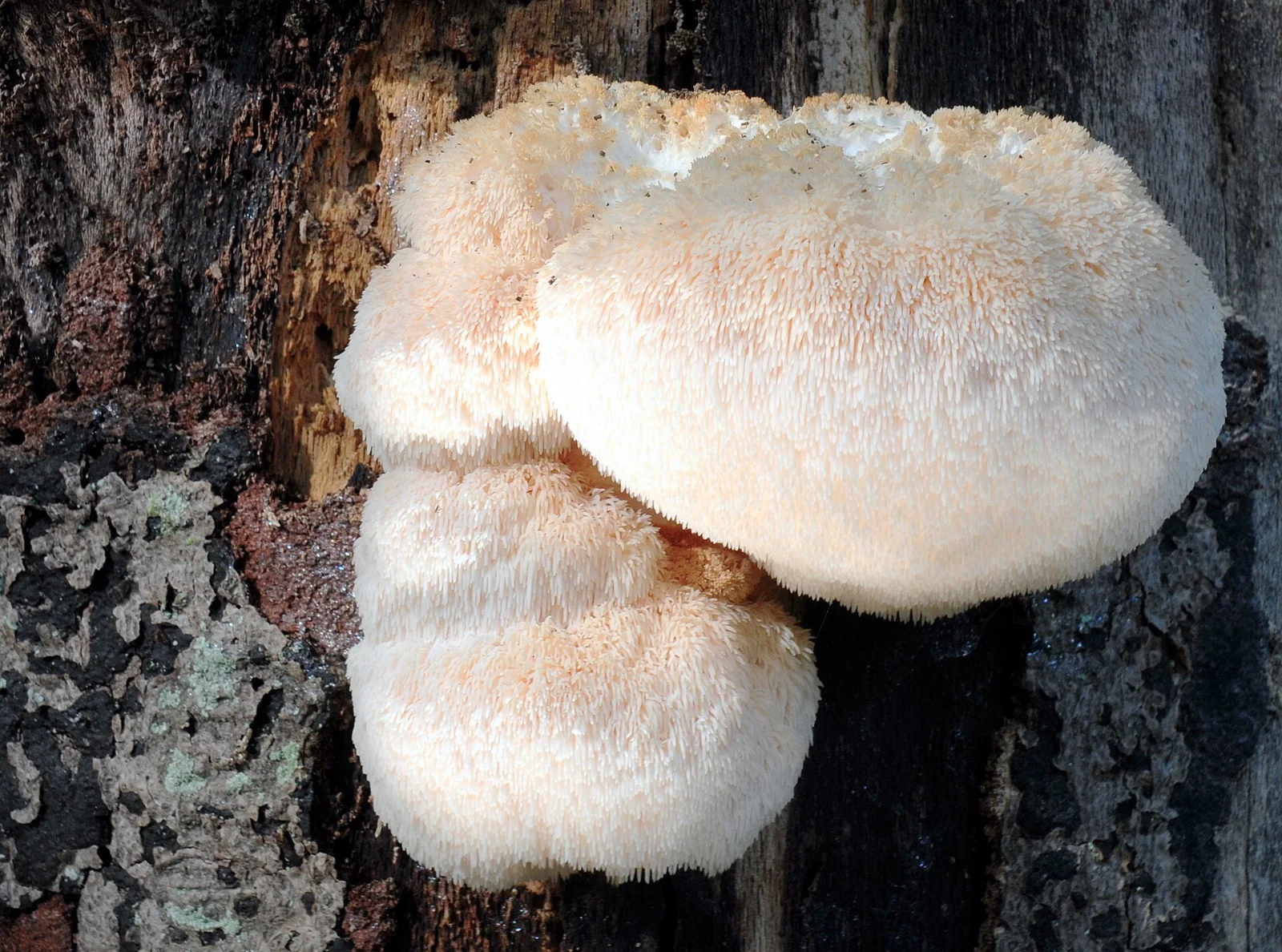
Lion’s mane (Hericium erinaceus) is a shaggy white fungus that has attracted scientific interest because it contains unique proteins called hericenones and erinacines. These compounds are thought to stimulate nerve growth factor (NGF), a protein that supports the growth and survival of neurons. While the idea of a “brain‑boosting” mushroom is appealing, the evidence comes from controlled human studies that vary in size, duration, and outcome measures.
Cognitive Function and Memory
A 2022 double‑blind, placebo‑controlled trial in Japan enrolled 60 adults aged 50‑80 with mild cognitive complaints. Participants took 1,000 mg of lion’s mane extract daily for 16 weeks. The study reported modest improvements in a standardized memory test compared with placebo, though the effect size was small and the authors noted that longer follow‑up is needed to confirm durability of the benefit. A 2023 pilot study in the United States with 30 healthy young adults used a similar dosage for 12 weeks and found no statistically significant change in working memory, suggesting that baseline cognitive status may influence responsiveness.
Mood and Anxiety
Two recent small‑scale trials have examined mood outcomes. In a 2021 crossover study of 24 university students experiencing exam‑related stress, a 4‑week course of 500 mg lion’s mane extract reduced self‑reported anxiety scores compared with placebo. The authors cautioned that the sample was limited and that a placebo effect cannot be ruled out. A later 2024 open‑label study of 40 adults with mild depressive symptoms reported decreased scores on the Beck Depression Inventory after 8 weeks of 1,200 mg daily, but the lack of a control group makes it difficult to attribute changes solely to the mushroom.
Gut Health and the Microbiome
Emerging research suggests a link between lion’s mane and intestinal health. A 2023 randomized trial involving 45 participants with functional dyspepsia gave 1,000 mg of lion’s mane powder for 4 weeks. Participants reported reduced bloating and improved stool consistency, and stool analyses showed a modest increase in beneficial Bifidobacterium species. While promising, the study’s short duration and reliance on self‑reported symptoms mean conclusions about long‑term gut benefits remain tentative.
Safety Profile and Side Effects
Across the trials mentioned, lion’s mane was generally well tolerated. The most common adverse events were mild gastrointestinal complaints such as occasional nausea or abdominal discomfort, reported in less than 5 % of participants. No serious adverse events were linked to the mushroom in any of the published human studies to date. However, researchers stress that people with mushroom allergies or those on immunosuppressive medication should consult a healthcare professional before adding lion’s mane supplements.
Practical Takeaways for Readers
- Dosage matters: Most human studies used 500‑1,200 mg of standardized extract daily; whole‑food powders often contain lower concentrations of the active compounds.
- Expect modest effects: Improvements in memory or mood, when observed, are typically small and may be more noticeable in individuals with mild baseline deficits.
- Consistency is key: Benefits were reported after several weeks of daily intake, not after a single dose.
- Choose reputable products: Look for extracts that specify the amount of hericenones/erinacines and have third‑party testing for contaminants.
- Consult professionals: Especially if you have health conditions, are pregnant, or take prescription medications.
Looking Ahead: What Researchers Want to Know
Future studies aim to address current gaps: larger sample sizes, longer intervention periods, and direct comparison of whole‑food versus isolated extracts. Researchers are also exploring whether lion’s mane can support nerve regeneration after injury, a question that could have implications for neurodegenerative disease management. Until those data are available, the mushroom remains an intriguing supplement with a solid safety record but limited, modestly proven benefits.
And as we continue to explore how fungi can sustain life beyond Earth, the same compounds that may support human brain health could one day help astronauts cultivate resilient crops on the Red Planet.
Sources
- Effect of Hericium erinaceus on Cognitive Function in Older Adults: A Randomized Controlled Trial
- Lion’s Mane Supplement Reduces Anxiety in Young Adults: A Crossover Study
- Impact of Lion’s Mane on Functional Dyspepsia Symptoms and Gut Microbiota
This article is for general information only and is not medical advice. Do not use it to diagnose or treat any condition; talk to a doctor about health questions.
This article was prepared with AI assistance from the sources listed above and approved by the Mushroom 2 Mars team before publication.