Part of the guide: Mycology: A Complete Guide to Fungi, Cultivation, and Safety
What is chaga?
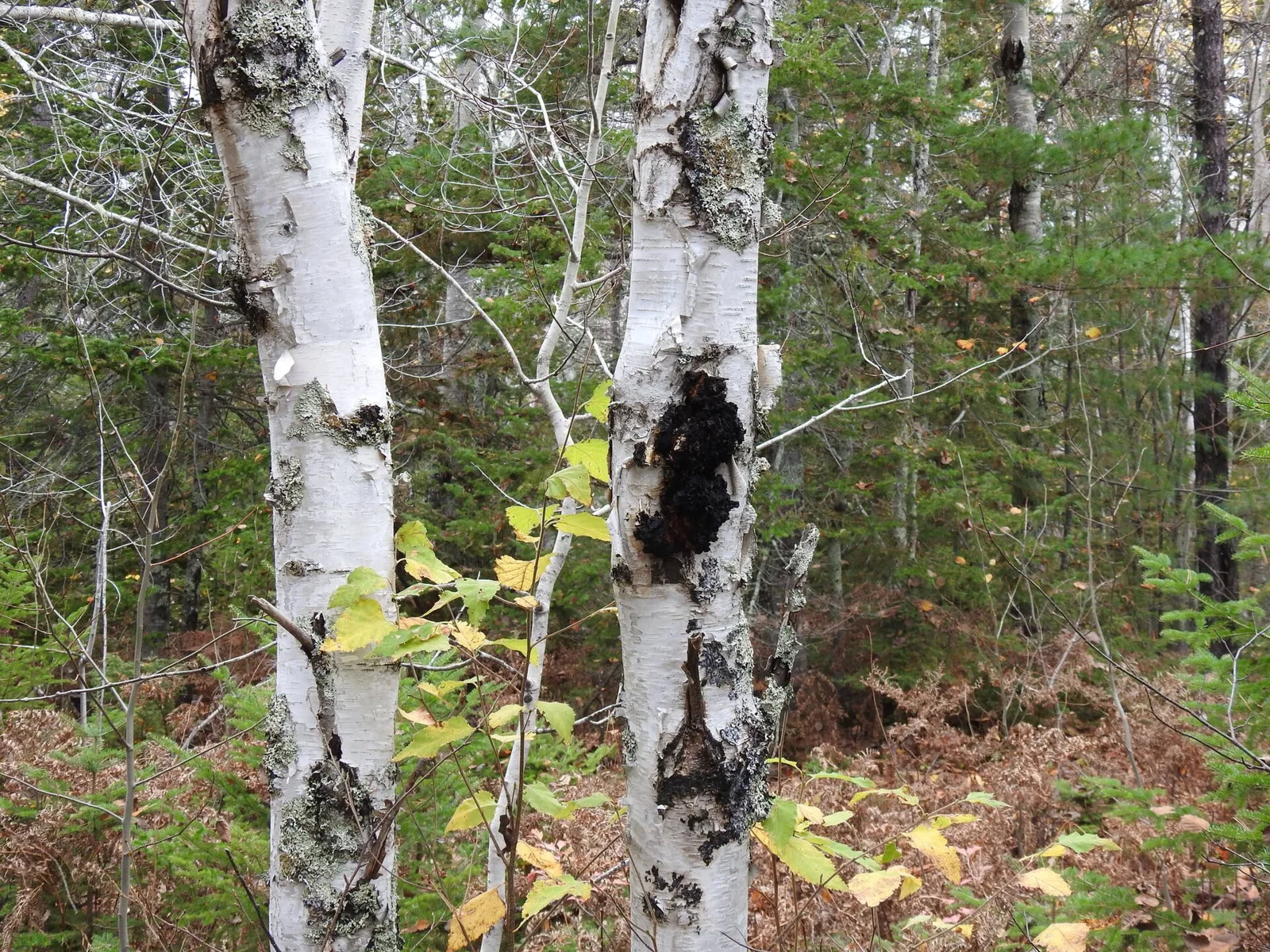
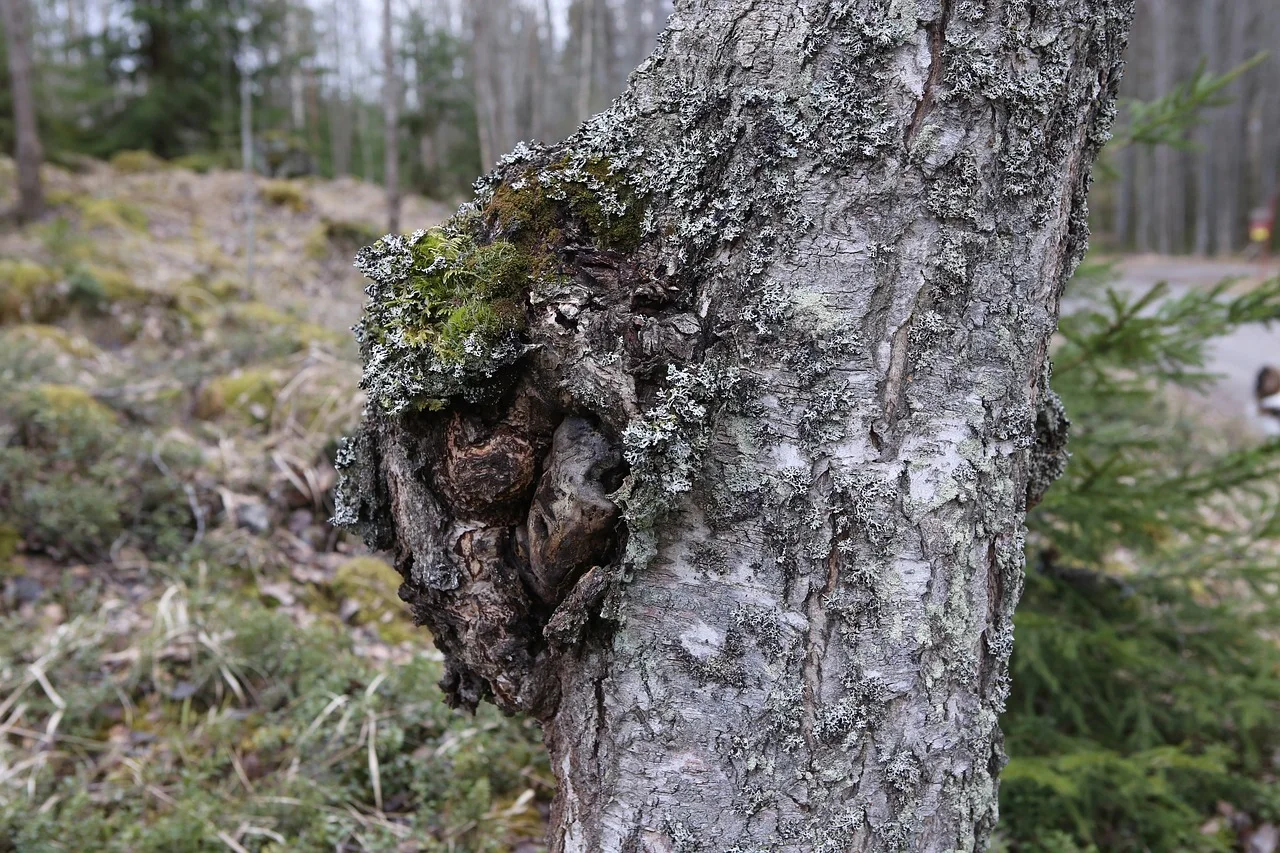
Inonetus obliquus, commonly called chaga, is a fungus that belongs to the family Hymenochaetaceae. Rather than producing a typical mushroom cap, it forms a hard, irregularly shaped black mass on the trunks of birch and other trees. This mass is a sclerotium – a dense aggregation of mycelium that is rich in melanin, giving it a charcoal‑like appearance. The true fruiting bodies develop hidden under the bark and are rarely seen.
How chaga infects trees
Chaga spores enter a tree through wounds, especially poorly healed branch stubs. Inside, the fungus causes a white heart rot that slowly degrades the heartwood while the tree remains alive for many years – sometimes up to eight decades. During this phase only the sterile black conk is produced. When the host (or a large part of it) dies, the fungus switches to its sexual stage, forming whitish‑to‑brown fruiting bodies beneath the bark that release basidiospores to start new infections.
Where chaga grows
The fungus is most common in the Circumboreal Region of the Northern Hemisphere, thriving in birch‑dominated forests. Although birch (Betula spp.) is its preferred host, chaga has also been recorded on alder, beech, and poplar trees. Its distribution follows the range of these host species across northern Europe, Asia, and North America.
Chemical makeup and safety notes
Chaga’s dark sclerotium contains several notable compounds: - High‑molecular‑weight polysaccharides such as β‑D‑glucans. - A lanostane‑type triterpenoid fraction that includes betulin, betulinic acid, lanosterol, lupeol, and related molecules. - Phenolic acids (vanillic, protocatechuic, syringic, caffeic) and flavonoids (quercetin, rutin, kaempferol). - A very high concentration of oxalates – up to 11,200 mg per 100 g of dry material – one of the highest levels reported in any organism.
Because of the oxalate content, prolonged or excessive consumption of chaga preparations can pose a risk of kidney stone formation in susceptible individuals. Current research does not provide conclusive evidence of safety or efficacy for the health claims often made in commercial supplements, and product quality can vary widely.
Traditional and modern uses
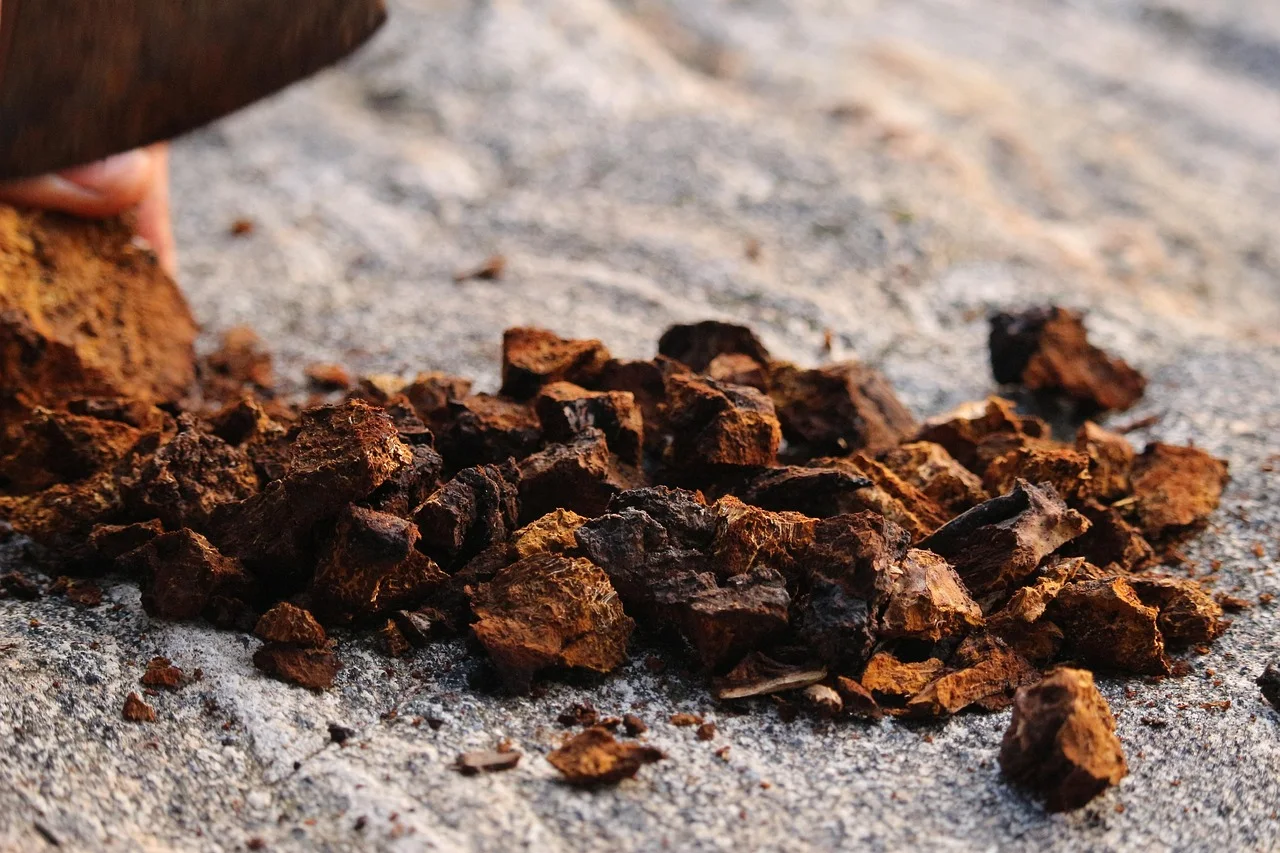
Historically, Indigenous peoples such as the Potawatomi have used chaga (called shkitagen) as a fire‑keeping tinder; the fungal matrix can hold a small ember for an extended period. In Russia, China, and Japan, the fungus is grated into a fine powder and brewed as a tea‑like beverage that tastes reminiscent of strong herbal tea. The typical preparation involves simmering chunks of the black mass in water for an hour or more, then straining the liquid. The same chunks can be reused several times to extract additional compounds.
When preparing chaga at home, keep these safety tips in mind: - Use only commercially sourced chaga that has been properly identified and dried; never use wild‑picked material unless you are an expert in fungal identification. - Limit the number of daily servings and avoid long‑term daily consumption, especially if you have a history of kidney stones. - If you experience any adverse reaction, discontinue use and consult a healthcare professional.
Cultivation challenges
Scientists have attempted to grow chaga on laboratory media such as potato dextrose agar. While growth is possible, the cultivated fungus produces a markedly different profile of metabolites, notably a reduced amount of lanosterol and other triterpenes. These differences suggest that the unique chemical signature of wild chaga is tied to its symbiotic relationship with living trees, making large‑scale cultivation for supplement production difficult.
Connecting chaga to the stars
The resilient nature of chaga – thriving for decades within living trees and surviving harsh northern climates – makes it an inspiring model for future biotechnologies, including the idea of cultivating robust fungi on Martian habitats as part of sustainable life‑support systems.
Sources
This article is for general information only and is not medical advice. Do not use it to diagnose or treat any condition; talk to a doctor about health questions.
This article was prepared with AI assistance from the sources listed above and approved by the Mushroom 2 Mars team before publication.