Part of the guide: Mycology: A Complete Guide to Fungi, Cultivation, and Safety
Ancient Roots and Early Records
Shiitake (Lentinula edodes) are native to East Asia and parts of Southeast Asia. The first written account of their cultivation appears in a 1209 Song‑dynasty record from Longquan County, China. Japanese growers later refined the practice, publishing a detailed guide in 1796. Today, shiitake account for roughly a quarter of global mushroom production, making them one of the most widely farmed fungi.
Taxonomy and Naming
Originally described as Agaricus edodes by Miles Joseph Berkeley in 1877, the species was reassigned to the genus Lentinula in 1976. The Japanese name shiitake (椎茸) combines shii – the Castanopsis tree that supplies the logs for traditional cultivation – with take, meaning mushroom. The Latin epithet edodes simply means “edible.” Over the years the mushroom has accumulated many synonyms, reflecting its complex taxonomic history.
Natural Habitat and Preferred Wood
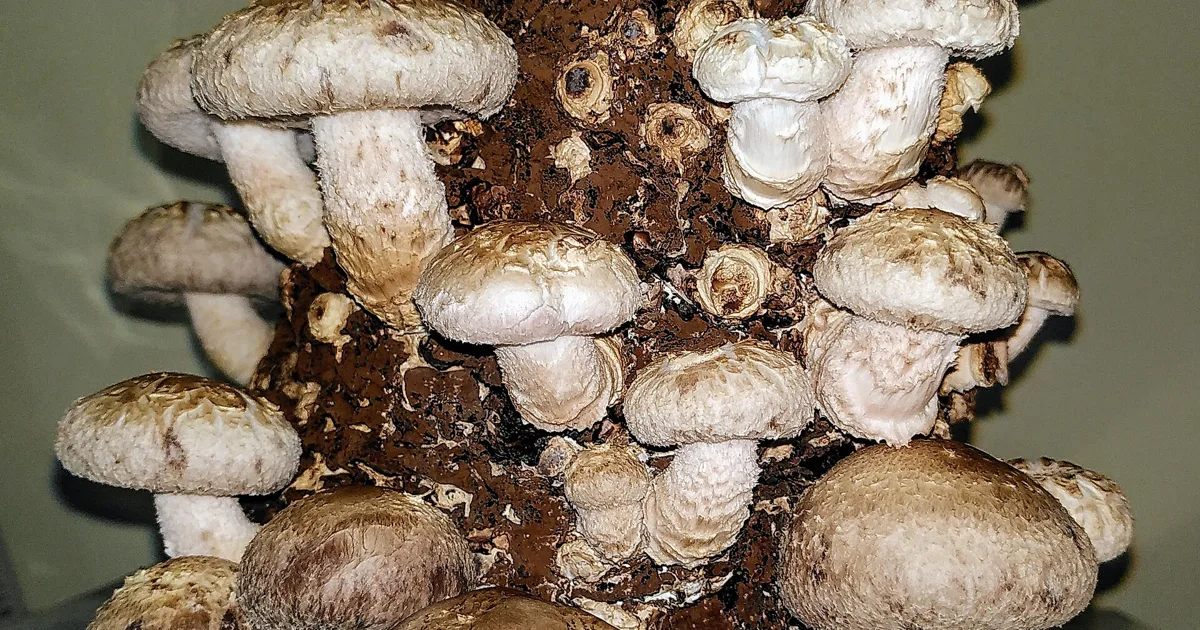
In the wild, shiitake grow in clusters on decaying hardwoods. Preferred hosts include Castanopsis (shii), oak, chestnut, maple, beech, sweetgum, poplar, and mulberry. Warm, moist climates of Southeast Asia provide the ideal environment, but the fungus can adapt to a range of temperate forests when suitable dead wood is present.
Modern Cultivation Techniques
Commercial growers mimic the mushroom’s natural setting by using either hardwood logs (often oak) or sterilized saw‑dust‑based substrates. Logs are inoculated with shiitake spawn and kept in shaded, humid conditions to encourage mycelial colonization. Once the mycelium fully penetrates the wood, fruiting is triggered by a brief drop in temperature and a burst of fresh air. This method, derived from centuries‑old Japanese practices, now supports large‑scale production in the United States, Europe, and beyond.
Nutrition and Health Insights
A 100‑gram serving of raw shiitake is about 90 % water, 7 % carbohydrates, 2 % protein, and less than 1 % fat, delivering roughly 34 calories. The mushrooms provide B‑vitamins (especially niacin and riboflavin) and minerals such as copper and selenium. Like other fungi, shiitake synthesize vitamin D₂ when exposed to UVB light, offering a plant‑based source of this nutrient. Research suggests that certain polysaccharides, notably lentinan, may influence immune function, but studies are preliminary and do not establish clinical benefits.
Safety Note: Shiitake Dermatitis
A small number of people experience a rash known as “shiitake dermatitis” after eating raw or undercooked shiitake. The reaction appears about a day after consumption, can be aggravated by sunlight, and typically resolves within three weeks. Thorough cooking deactivates the responsible compound, making fully cooked shiitake safe for most diners.
Culinary Applications
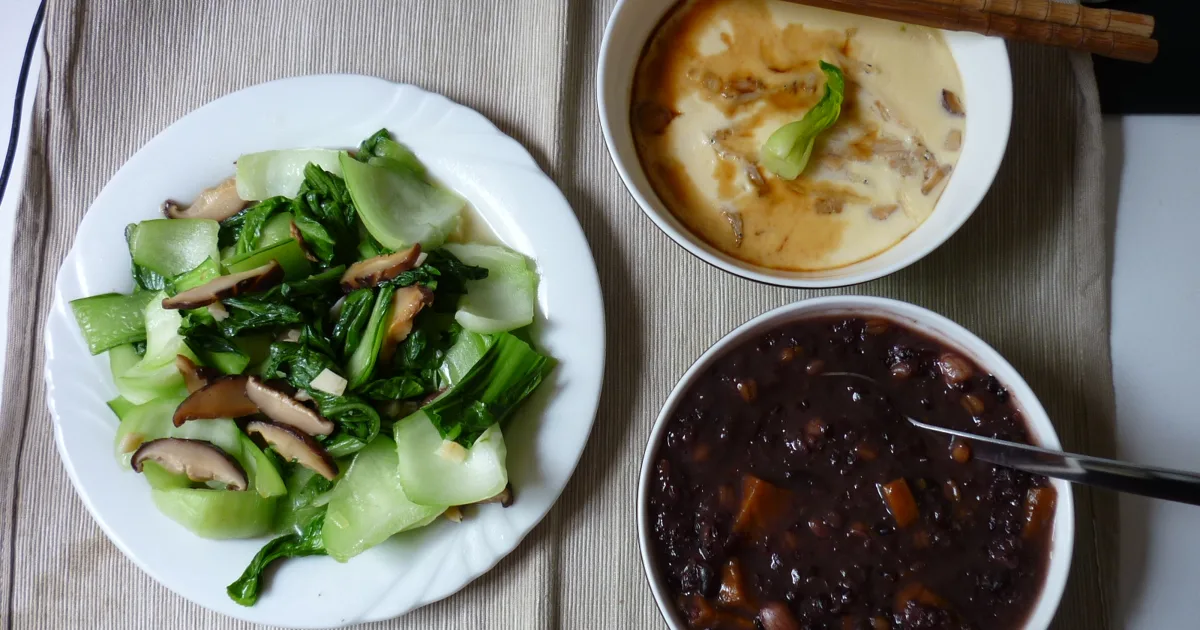
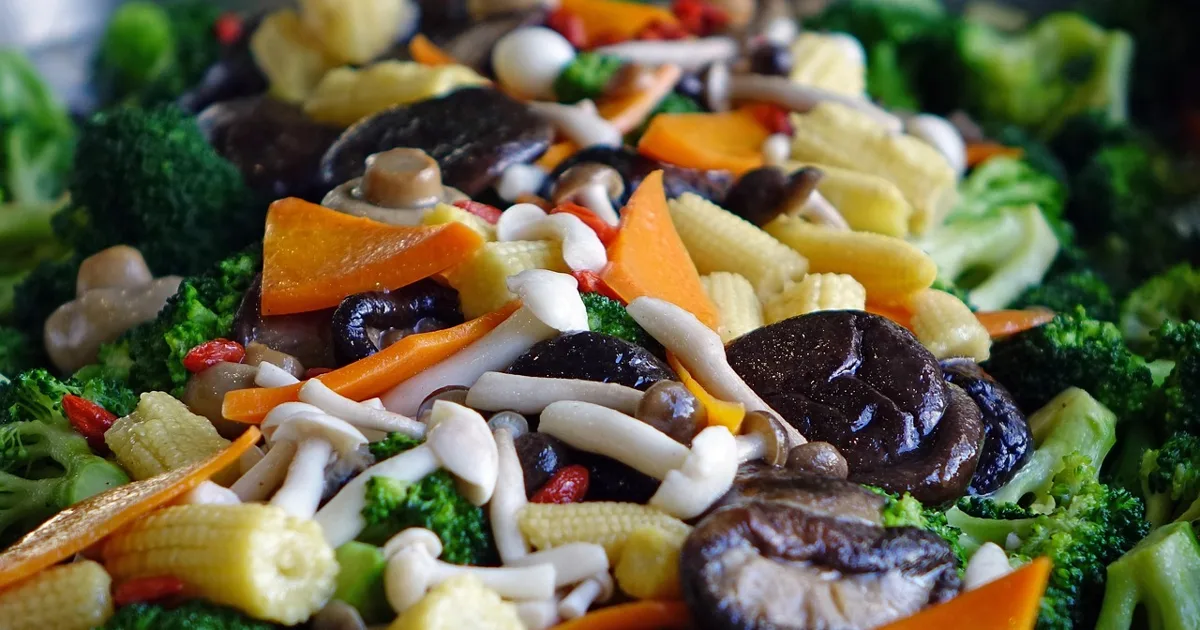
Shiitake shine in both fresh and dried forms. In Chinese cuisine they enrich soups, braises, and vegetable stir‑fries such as Buddha’s delight. Japanese kitchens feature them in miso soup, vegetarian dashi, and simmered dishes. Two prized varieties are the “winter mushroom” (dōnggū/冬菇) and the “flower mushroom” (huāgū/花菇), the latter prized for its cracked, decorative cap. Below is a simple vegan shiitake stir‑fry that showcases their umami flavor.
Simple Vegan Shiitake Stir‑Fry
Ingredients - 200 g fresh shiitake, stems trimmed and caps sliced - 1 tablespoon sesame oil - 2 cloves garlic, minced - 1 teaspoon grated ginger - 1 bell pepper, thinly sliced - 2 tablespoons soy sauce - 1 tablespoon rice‑vinegar - 1 teaspoon maple syrup - 1 tablespoon toasted sesame seeds - Fresh cilantro for garnish
Steps 1. Heat sesame oil in a wok over medium‑high heat. 2. Add garlic and ginger; sauté 30 seconds until fragrant. 3. Toss in shiitake slices; stir‑fry 4–5 minutes until they begin to brown. 4. Add bell pepper and continue cooking 2 minutes. 5. Stir in soy sauce, vinegar, and maple syrup; cook another minute. 6. Remove from heat, sprinkle with sesame seeds and cilantro, and serve over rice or noodles.
Cooking shiitake thoroughly eliminates the rare dermatitis risk and unlocks their deep, savory taste.
From Earth to Mars
As the Mushroom 2 Mars project explores sustainable food production beyond Earth, shiitake’s low‑resource cultivation and high nutritional value make them a promising candidate for future Martian farms.
Sources
This article is for general information only and is not medical advice. Do not use it to diagnose or treat any condition; talk to a doctor about health questions.
This article was prepared with AI assistance from the sources listed above and approved by the Mushroom 2 Mars team before publication.