Part of the guide: Mycology: A Complete Guide to Fungi, Cultivation, and Safety
A Subterranean Surprise: What Is Elaphomyces granulatus?
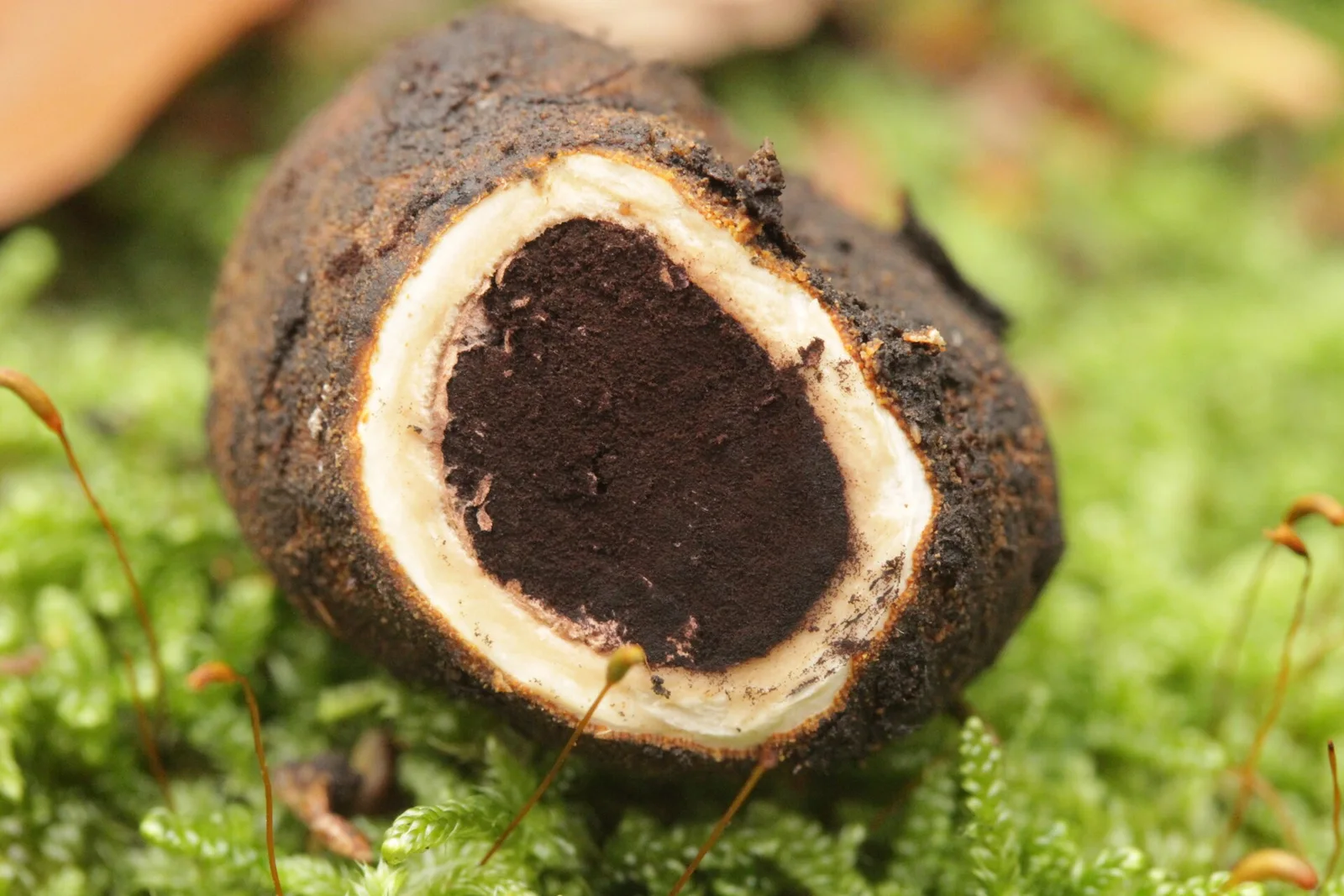
Elaphomyces granulatus belongs to the Elaphomyces genus, a group of hypogeous (underground) fungi often likened to truffles. Unlike the prized culinary truffles of Europe, E. granulatus is primarily known for its ecological role and cultural uses rather than as a food item. The fruiting bodies develop beneath the soil surface, taking on a roughly round or kidney‑shaped form. Their outer skin, called the peridium, is ochre‑colored and studded with tiny, pointed bumps, while the interior tissue remains white. Microscopic examination reveals spores that are spiny or warty, a feature that makes them hard to separate from close relatives such as E. asperulus.
Global Footprint: Where Does It Grow?
The species has a broad, almost cosmopolitan distribution. It has been recorded across North America, much of Europe, northern Asia, and even as far south as Chile. This wide range reflects its ability to associate with a variety of forest trees, forming ectomycorrhizal partnerships that help trees acquire nutrients while the fungus receives carbohydrates. Because the fruiting bodies stay underground, they are rarely seen unless disturbed by soil movement or animal activity.
Traditional Medicine: From Mexico to 19th‑Century Europe
Historical records show that Elaphomyces granulatus has been used in several medicinal traditions. In Mexico, indigenous practitioners employed the fungus as a galactagogue—a substance believed to promote milk production in nursing mothers—and to help reduce bleeding. Similar uses appear in early English medical texts, where the fungus was recommended for stimulating lactation and as a remedy for stroke symptoms. Folk lore also described it as an aphrodisiac, though modern research has not confirmed any pharmacological basis for these claims.
Ritual Connections: The Great World and Psychedelic Partners
Beyond its therapeutic reputation, E. granulatus holds a place in ritual contexts. In certain Mexican ceremonies, it is referred to as "el gran mundo" (the great world) and is consumed alongside Psilocybe mushrooms—known locally as "mujercita" (little woman)—and Tolypocladium ophioglossoides, called "hombrecito" (little man). The trio is believed to create a symbolic narrative of cosmic balance, with each fungus representing a different aspect of the natural world. While the exact physiological effects of E. granulatus in these mixtures are not well documented, the practice underscores the cultural importance of fungi in spiritual traditions.
Scientific Interest: Spore Morphology and Ecology
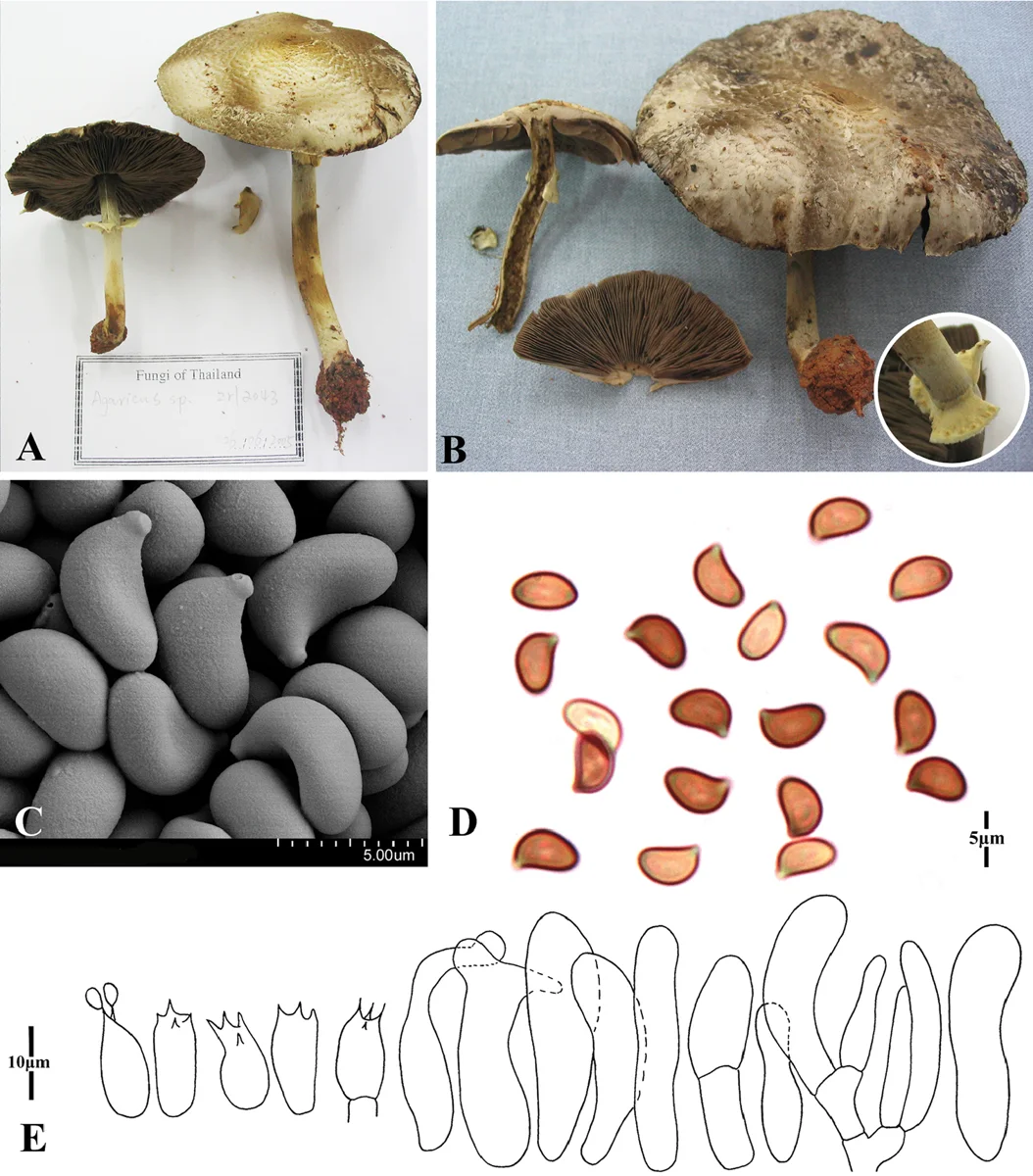
Researchers studying forest ecosystems pay close attention to E. granulatus because of its role in nutrient cycling. The spiny, warty spores are adapted for dispersal by soil‑dwelling animals such as rodents and insects, which dig up the fruiting bodies and transport the spores to new locations. Molecular analyses have helped clarify its relationship to other Elaphomyces species, highlighting subtle differences in spore ornamentation that are critical for accurate identification.
Safety and Foraging: Why It’s Not a Culinary Choice
Although E. granulatus resembles edible truffles in appearance, it is not considered a food fungus. There is no record of it being safely consumed, and its traditional uses focus on medicinal or ritual purposes rather than nutrition. Foragers are strongly advised to avoid eating wild‑picked mushrooms without expert verification, as many underground fungi can be easily confused with toxic look‑alikes. Consulting a qualified mycologist is essential before handling any hypogeous species.
From Forest Floor to Future Frontiers
The hidden world of Elaphomyces granulatus reminds us that even the most modest‑looking organisms can have rich cultural histories and ecological significance. As we explore sustainable ways to grow fungi in controlled environments—whether for research, medicine, or future space habitats—understanding species like E. granulatus provides valuable insight into underground fungal life cycles. Who knows? One day, the same principles that allow this fungus to thrive beneath Earth’s forests might help us cultivate beneficial microbes on the Martian surface.
Sources
This article is for general information only and is not medical advice. Do not use it to diagnose or treat any condition; talk to a doctor about health questions.
This article was prepared with AI assistance from the sources listed above and approved by the Mushroom 2 Mars team before publication.