A Tiny Moon with a Big Reputation
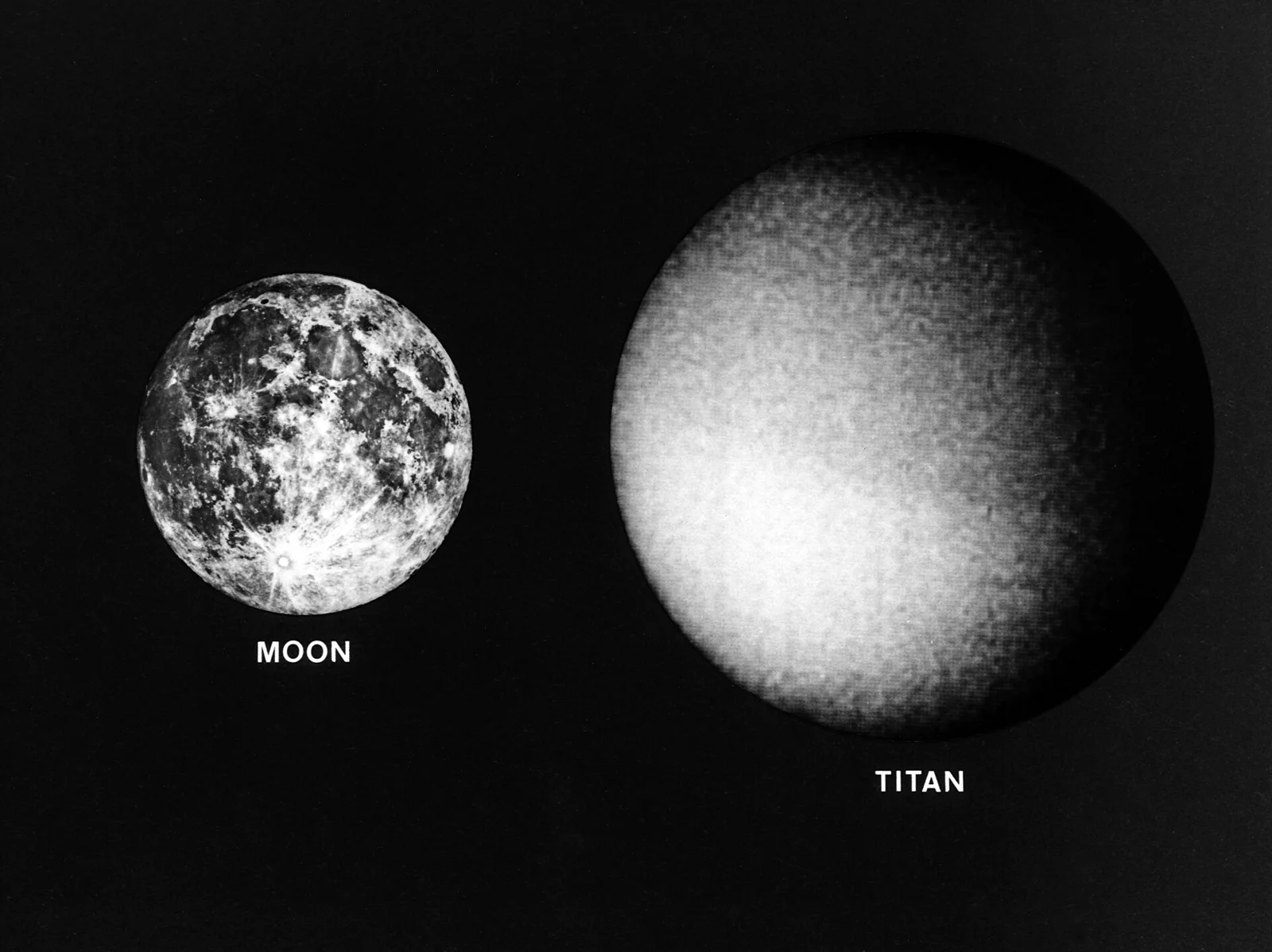
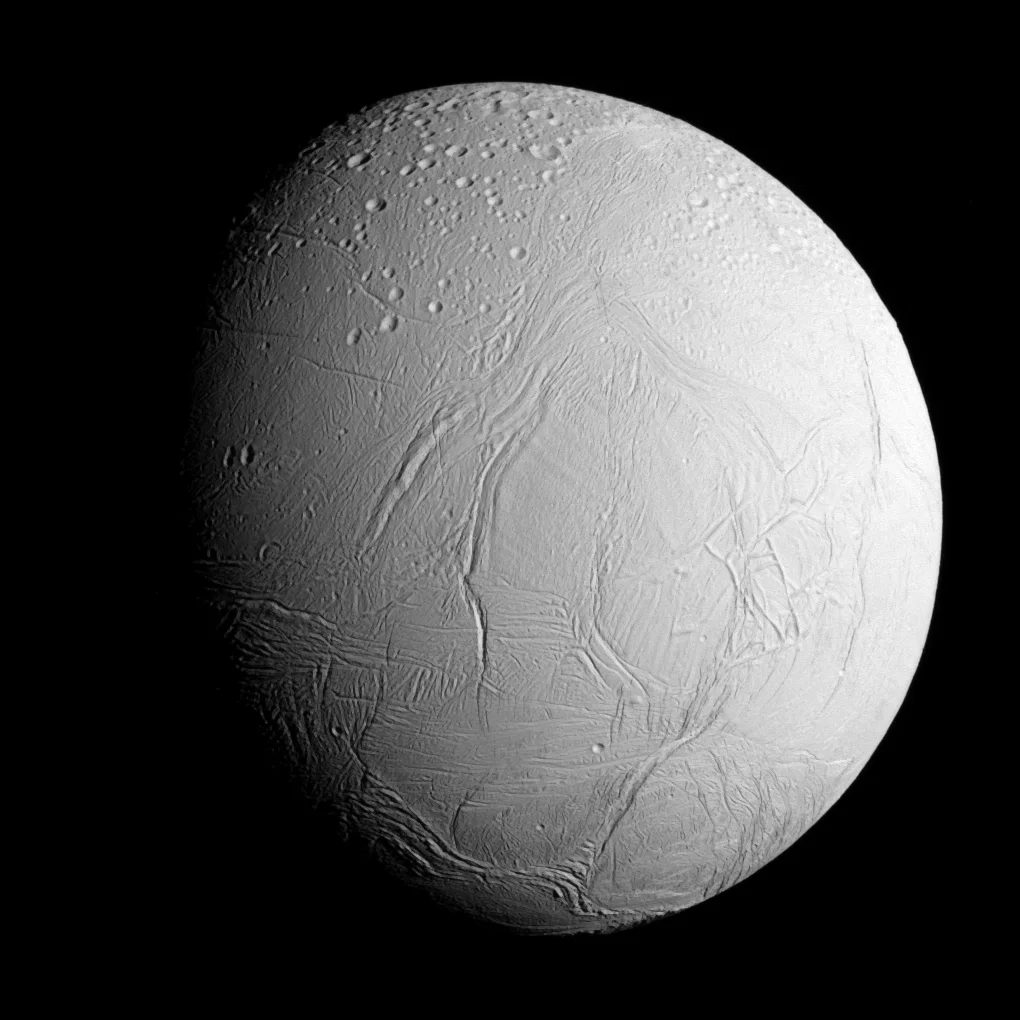
Enceladus may be only about 500 km (310 mi) across – roughly one‑tenth the diameter of Titan – but its bright, snow‑covered surface makes it one of the most reflective objects in the Solar System. At noon the surface temperature barely climbs above 75 K (‑198 °C), a stark contrast to the warmer, darker worlds we see elsewhere. Despite its modest size, the moon displays a surprising mix of ancient cratered terrain and fresh, tectonically deformed regions, hinting at a dynamic interior.
From Herschel’s Sketch to Cassini’s Close‑ups
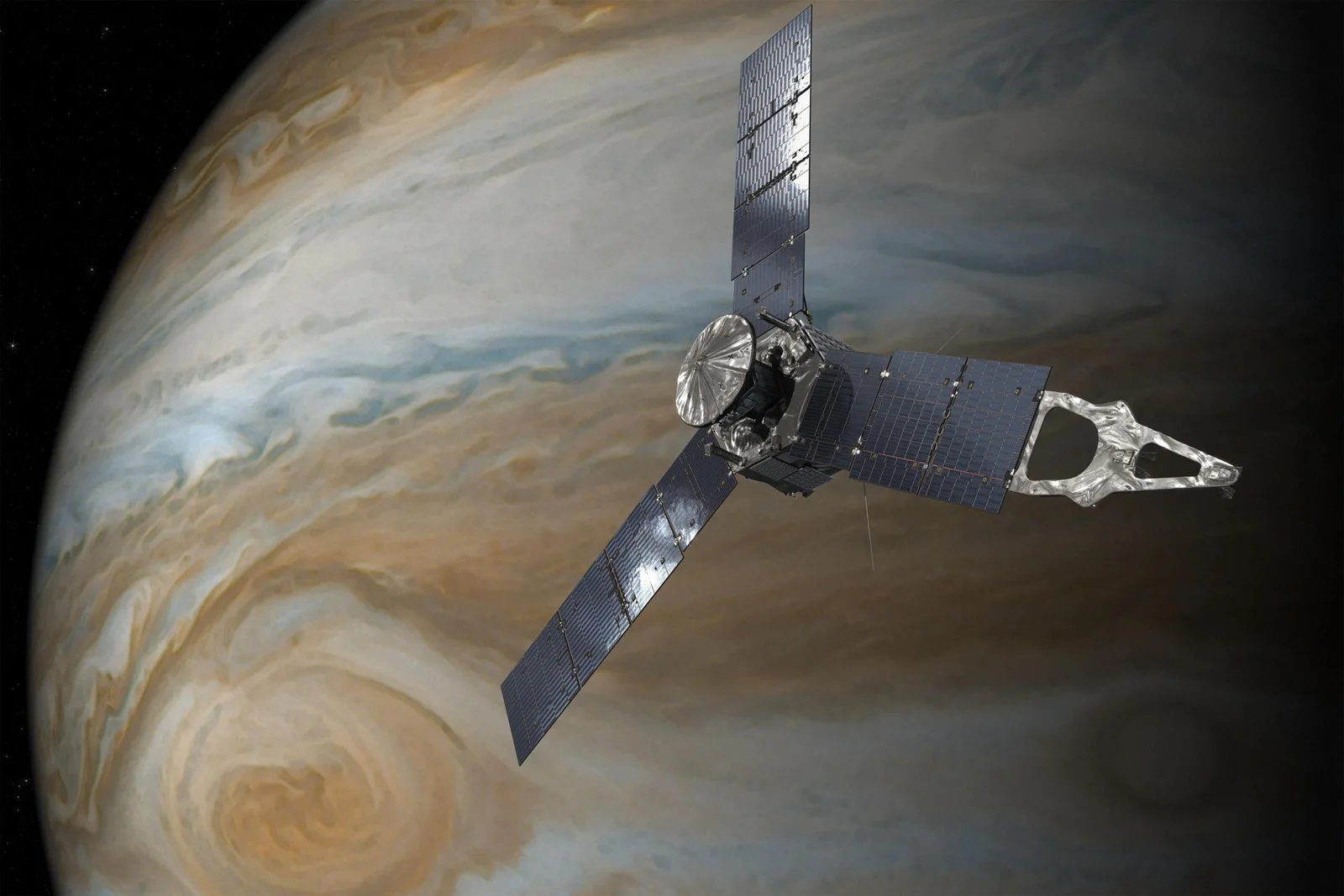
William Herschel first spotted Enceladus on 28 August 1789 using the era’s largest telescope. For more than a century the moon was a faint dot, its faint magnitude (+11.7) and proximity to Saturn’s glare keeping it out of reach for most observers. The Voyager flybys of 1980‑81 offered the first close images, but it was NASA’s Cassini mission, beginning in 2005, that revealed Enceladus’s most remarkable features: active geysers near the south pole and a massive subsurface ocean.
Cryovolcanoes and the E‑Ring Connection
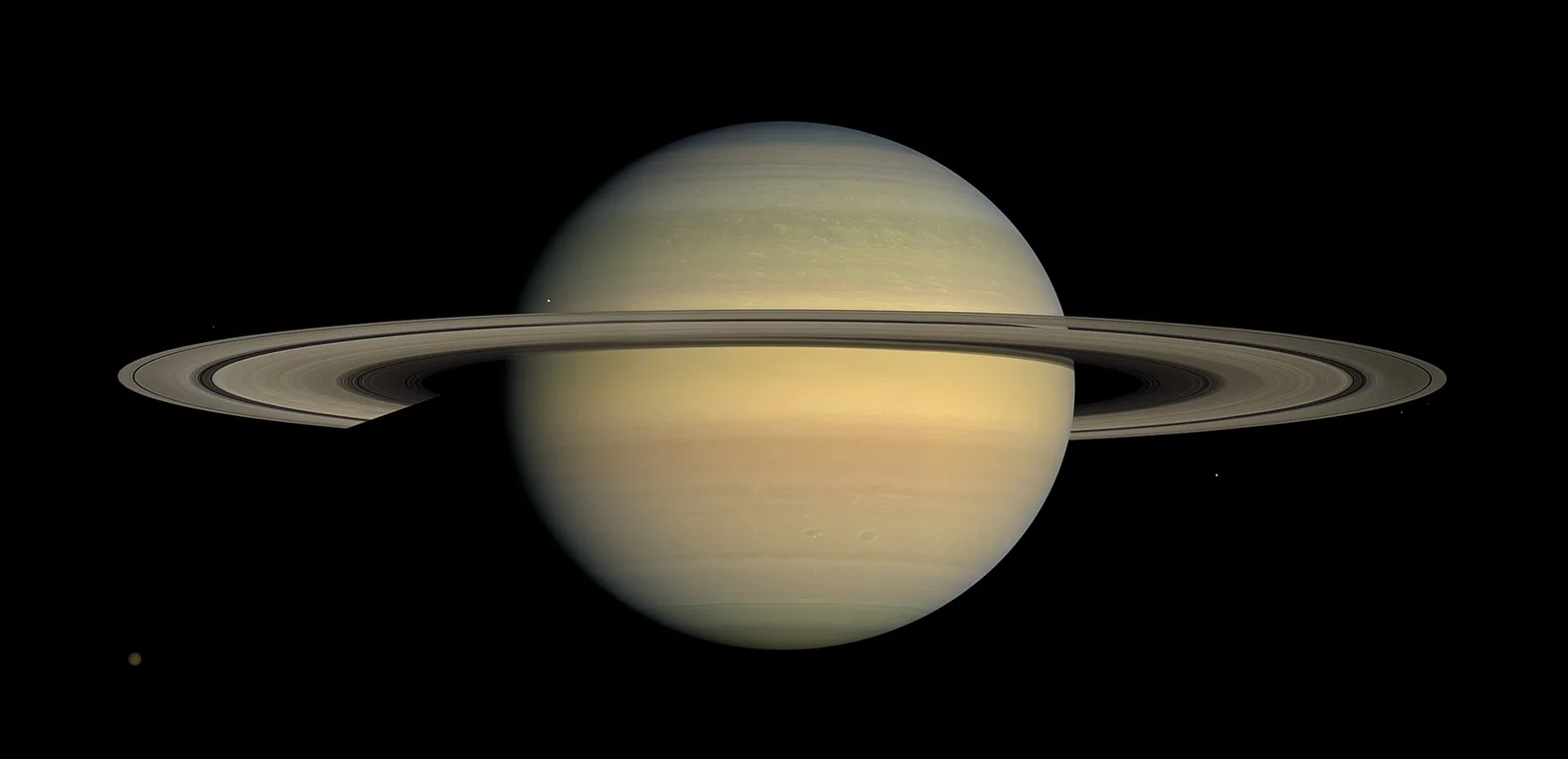
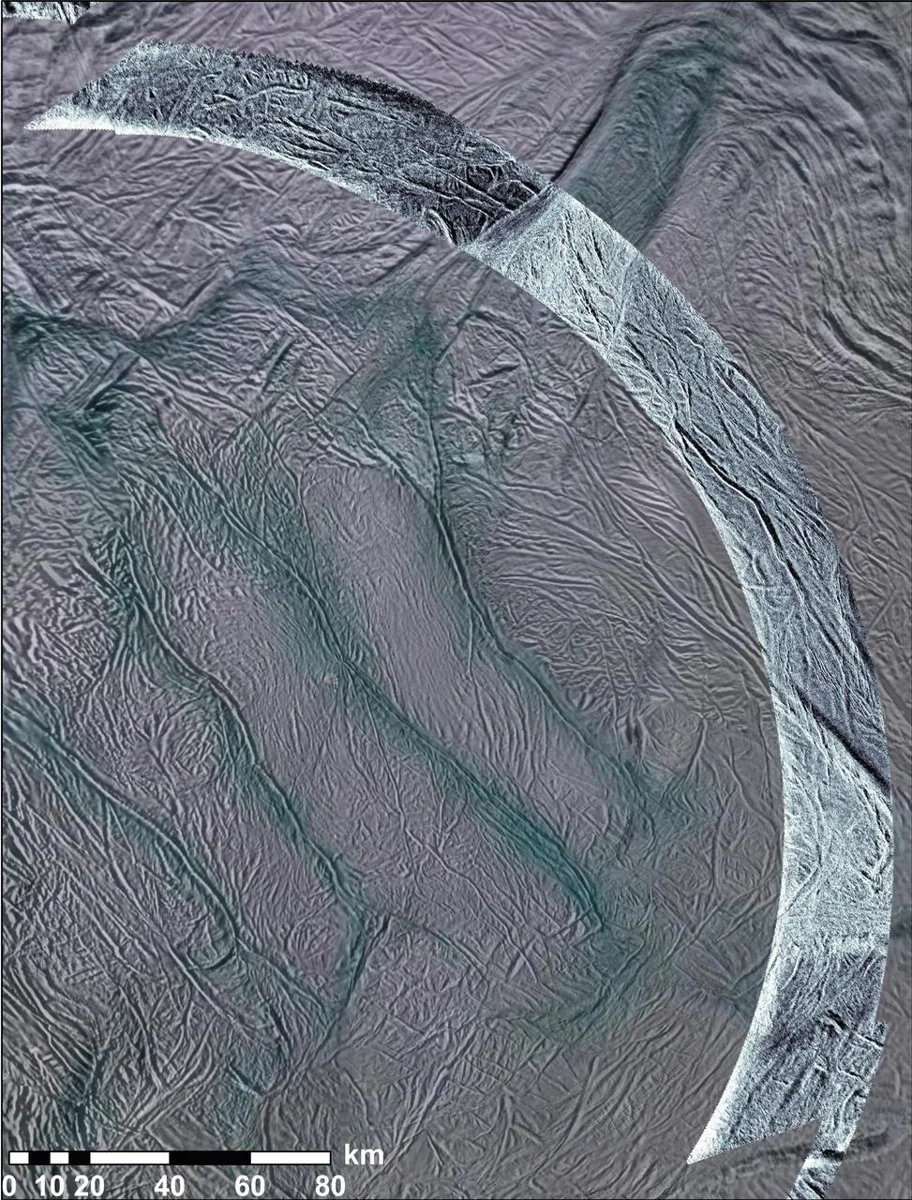
Cassini identified over 100 geysers spewing water vapor, molecular hydrogen, sodium‑chloride crystals and icy particles from fissures called “tiger stripes.” The jets eject roughly 200 kg (440 lb) of material each second. Some of this spray falls back as fresh snow, building layers several hundred metres thick; the rest escapes into space and replenishes Saturn’s outermost E ring. The composition of the plumes—rich in water and organics—resembles that of cometary material, according to NASA analyses.
A Hidden Ocean Beneath the Ice
In 2014 Cassini’s instruments detected signatures of a global, salty ocean beneath the icy crust, estimated to be about 10 km (6 mi) deep. Subsequent modeling has supported the presence of this liquid layer, kept warm by tidal heating. The moon’s 2:1 orbital resonance with Dione forces a slight eccentricity (0.0047) in Enceladus’s orbit. As the moon flexes under Saturn’s gravity, internal friction generates heat—enough to power the observed cryovolcanism and maintain liquid water beneath the surface.
Chemistry, Hydrothermal Activity, and the Search for Life
Cassini’s plume samples revealed hydrogen, methane, and a suite of organic compounds, suggesting hydrothermal reactions at the ocean floor. Scientists note that on Earth, similar hydrothermal vents host microbial life that thrives without sunlight, using chemical energy instead. While the exact pathways on Enceladus remain under study, the combination of liquid water, heat, and organic chemistry makes the moon a compelling candidate for habitability, as highlighted in several NASA reports.
Observing Enceladus from Earth
Even with modern equipment, spotting Enceladus is challenging. Its faintness and closeness to Saturn’s bright rings mean that the best viewing windows occur during Saturnian equinoxes, when the rings appear edge‑on and cast less glare. Amateur astronomers with telescopes of at least 10‑inch aperture can occasionally track its rapid 32.9‑hour orbit, watching it complete a full circuit in a single night.
Why Enceladus Matters for Future Exploration
Enceladus offers a natural laboratory for studying ocean worlds beyond Earth. The ease with which its plumes vent material into space provides a unique opportunity for remote sampling—future missions could fly through the jets and return pristine oceanic samples without landing. Understanding how tidal heating sustains liquid water on such a small body also informs models of other icy moons, like Europa and Ganymede, and guides the search for life elsewhere in the cosmos.
As we continue to explore the icy frontiers of our Solar System, the lessons learned from Enceladus may one day help us grow mushrooms in extraterrestrial habitats, perhaps even on the red planet.
Sources
This article was prepared with AI assistance from the sources listed above and approved by the Mushroom 2 Mars team before publication.