A Century‑Old Vortex in Jupiter’s Atmosphere
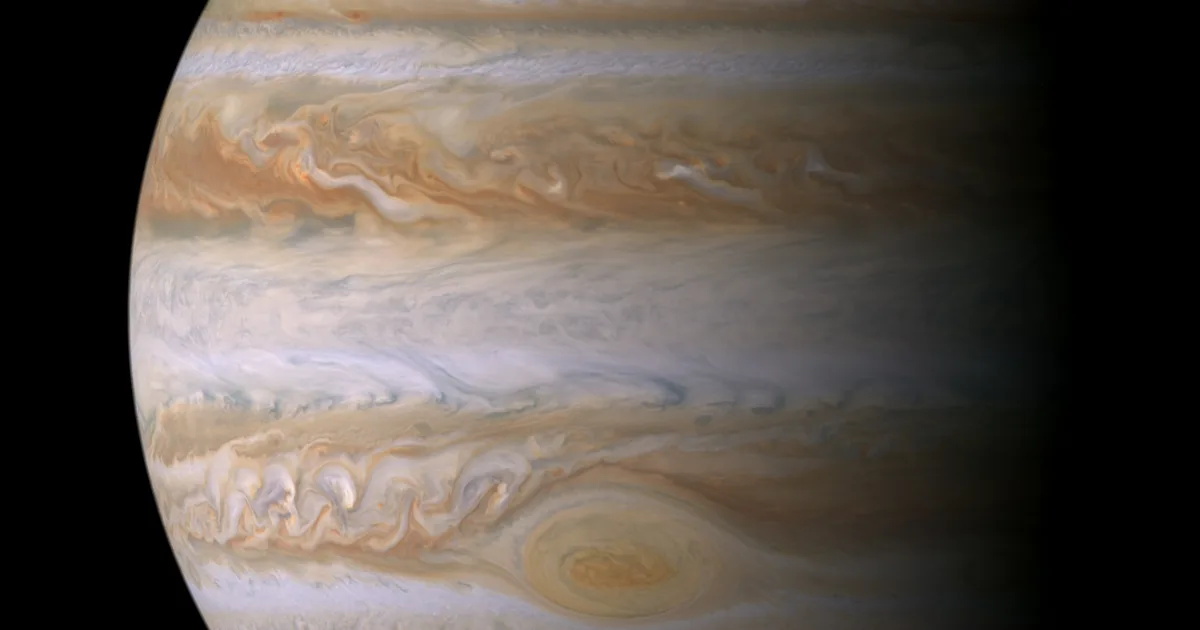
The Great Red Spot (GRS) is a massive, high‑pressure anticyclone that has roiled the southern equatorial belt of Jupiter for at least 150 years of continuous observation. Its oval shape stretches roughly 20,000 km across—about twice Earth’s diameter—producing wind speeds that can top 496 km/h (308 mph). The storm’s deep orange hue comes from a “sunburn” effect: ultraviolet sunlight breaks apart high‑altitude chemicals, creating reddish pigments that coat the cloud tops.
Early Sightings and the Mystery of the First Spot
The first recorded mention of a Jovian spot dates to May 1664, when Robert Hooke noted a dark feature, though modern scholars think he was looking at a different belt or even a moon’s shadow. Giovanni Cassini later described a “permanent spot” that reappeared in the same place from 1665 to 1713, rotating roughly every 9 h 56 min. Because the 17th‑century observations are separated by a 48‑year gap and the spot’s motion differed from today’s GRS, a 2024 study concluded the historic feature was likely a separate storm that vanished before the modern GRS formed.
Voyager’s First Close‑up and the Spot’s Size
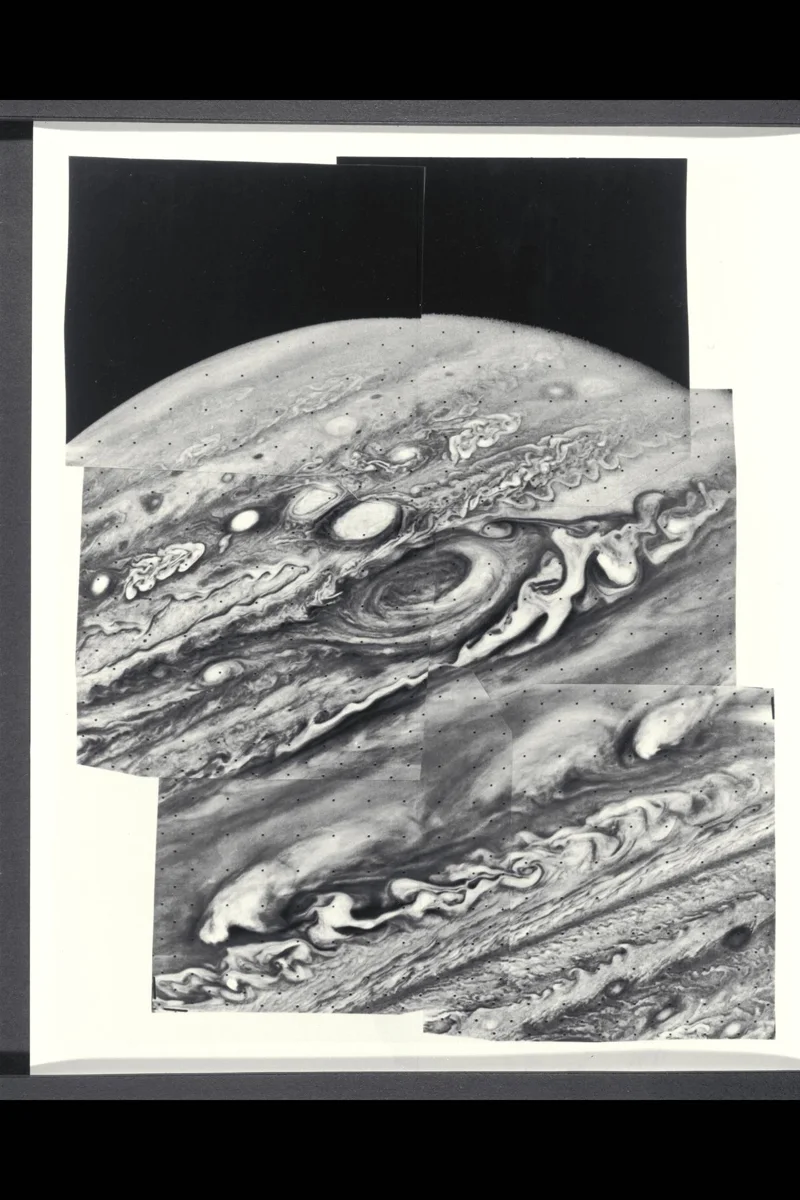
On 25 February 1979, Voyager 1 flew within 9.2 million km of Jupiter and sent back the first detailed images of the GRS. The pictures revealed cloud structures as small as 160 km, and the storm’s major axis measured about 40,000 km—roughly three Earth diameters. That size made the GRS the most recognizable mark in the night sky, easily spotted by amateur telescopes.
Shrinking, Flaking, and Ongoing Change
Since the early 2000s, the GRS has been steadily shrinking. By 2004 its length was about half of the 19th‑century maximum, and projections suggest it could become more circular around 2040 if the trend continues. In 2019, astronomers observed “flaking” along the storm’s edge, where fragments peeled away and dissipated. Some scientists warned the vortex might vanish within decades, but others argue the visible cloud cover can fluctuate without destroying the underlying vortex. Interactions with nearby cyclones—such as the smaller Oval BA, which turned reddish after merging three white ovals in 2000—may explain the flaking events.
Juno’s Close Encounters and What We’re Learning
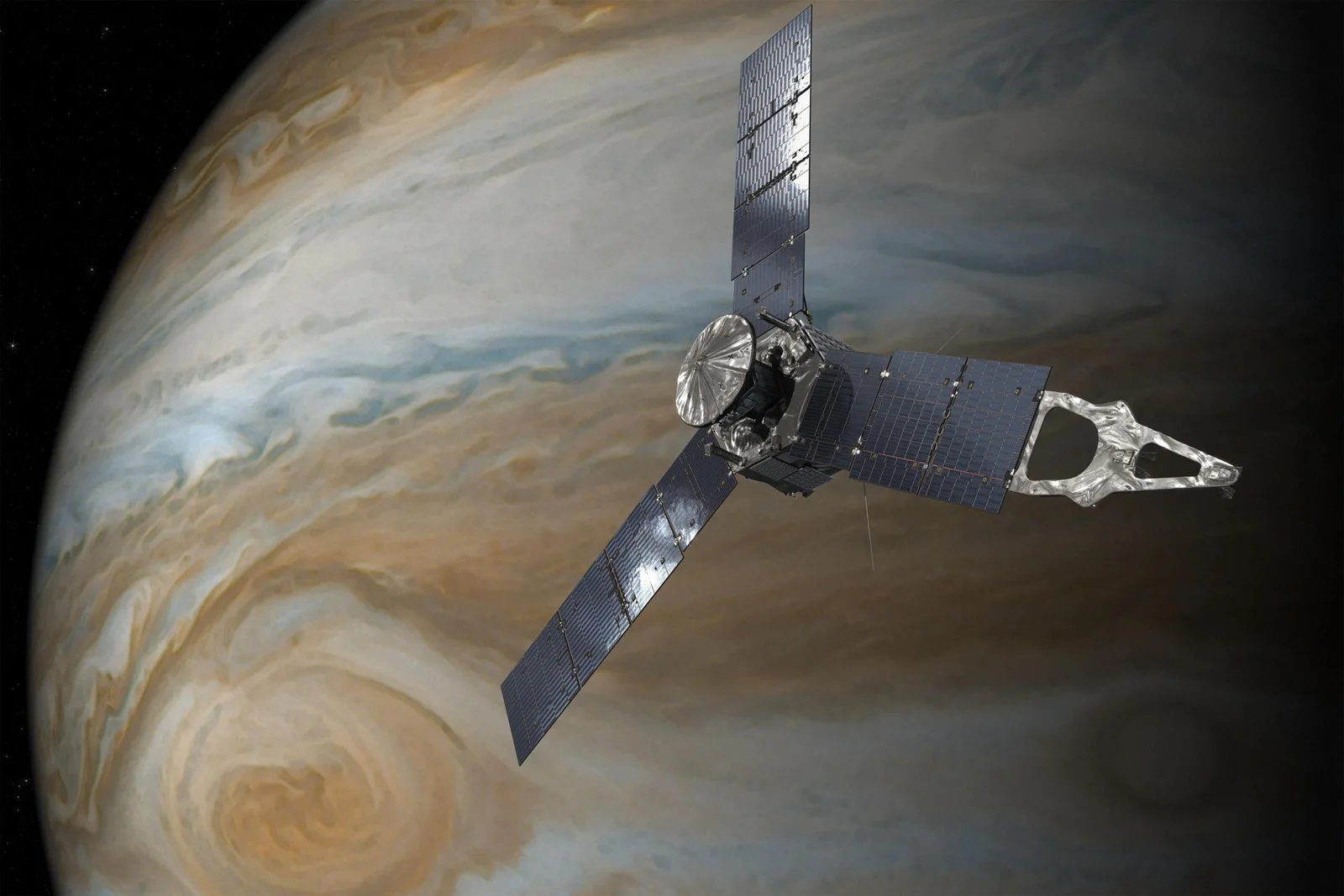
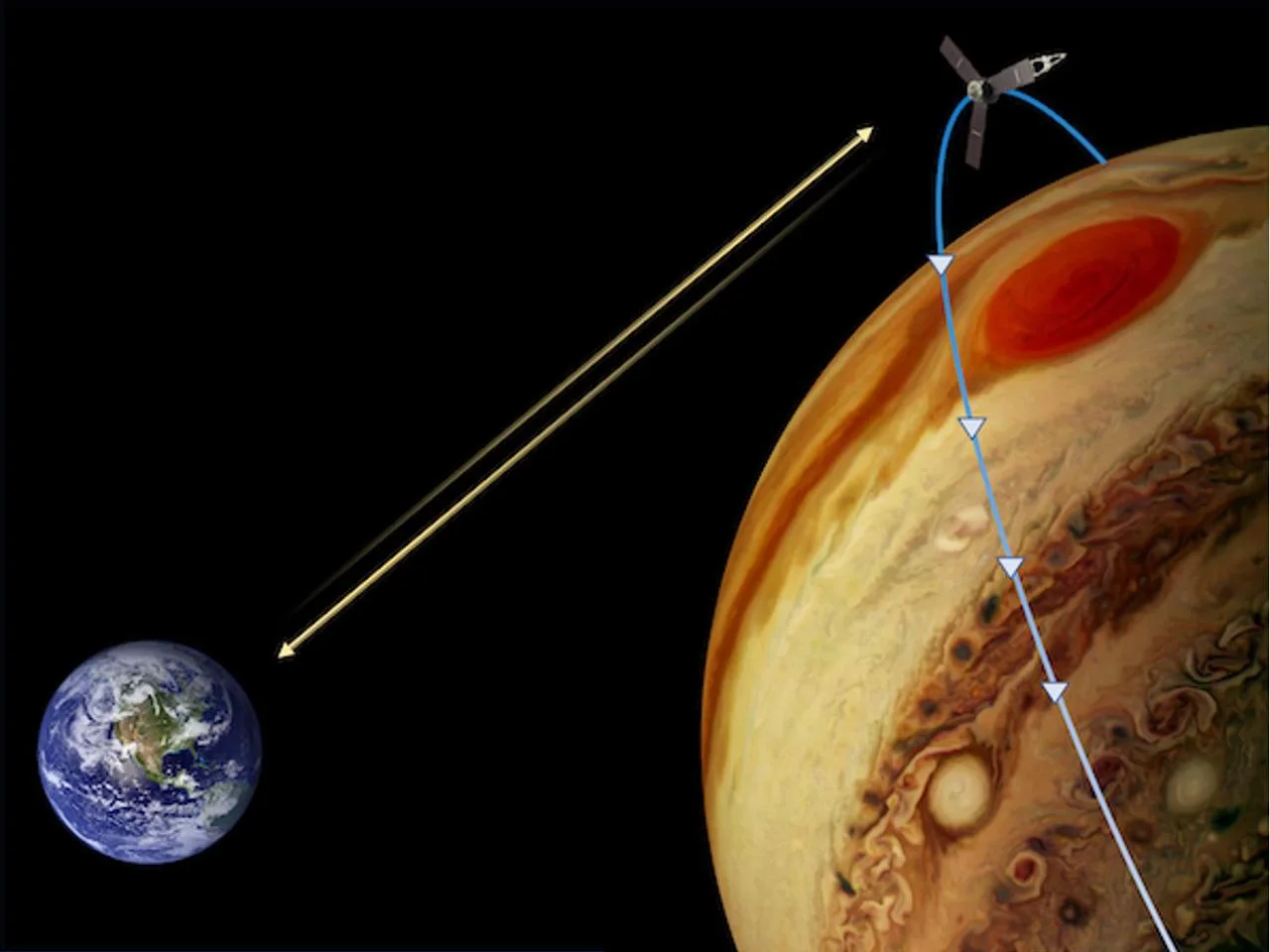
NASA’s Juno spacecraft entered Jupiter’s polar orbit in 2016 and passed directly over the GRS on 11 July 2017, coming within 8,000 km of the storm’s cloud tops. Juno’s suite of instruments has been measuring the composition, temperature, and dynamics of the vortex, revealing that the reddish color likely involves complex chemistry between ammonia, phosphine, and sunlight‑driven reactions. Continued observations are helping researchers test whether the GRS is gradually winding down or simply reshaping itself.
Why the Great Red Spot Matters
Studying the GRS gives scientists a natural laboratory for extreme atmospheric physics—high‑speed winds, long‑lived vortices, and deep‑layer chemistry that cannot be reproduced on Earth. Insights from Jupiter’s storm inform models of weather on other giant planets, exoplanets, and even the early Earth. For the Mushroom 2 Mars community, the GRS reminds us that planetary atmospheres can host massive, persistent systems, a factor to consider when planning future habitats on Mars or other worlds.
The Great Red Spot continues to swirl, a vivid reminder that even the most colossal storms can evolve over human timescales.
Sources
This article was prepared with AI assistance from the sources listed above and approved by the Mushroom 2 Mars team before publication.