A Colossal World of Gas and Gravity
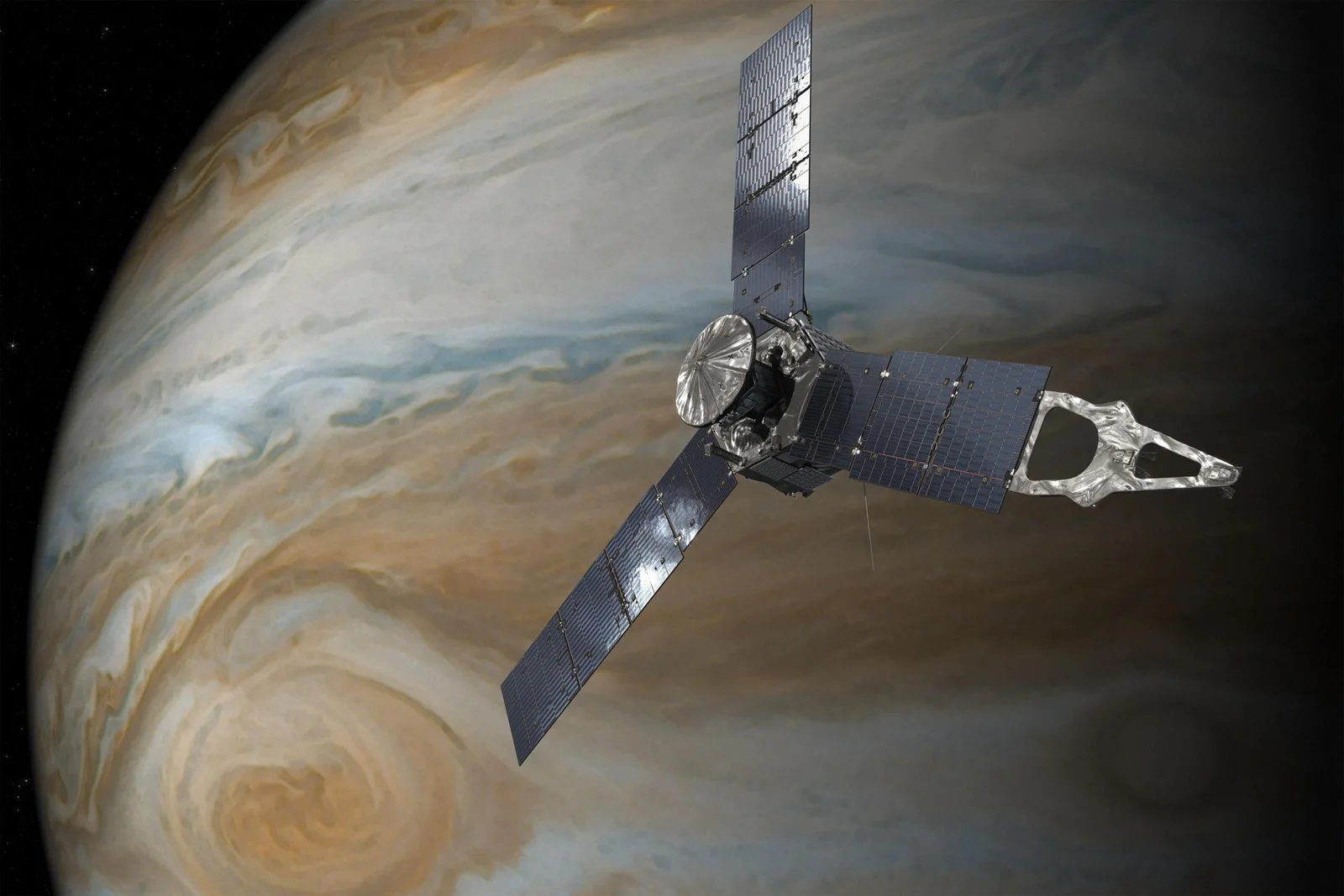
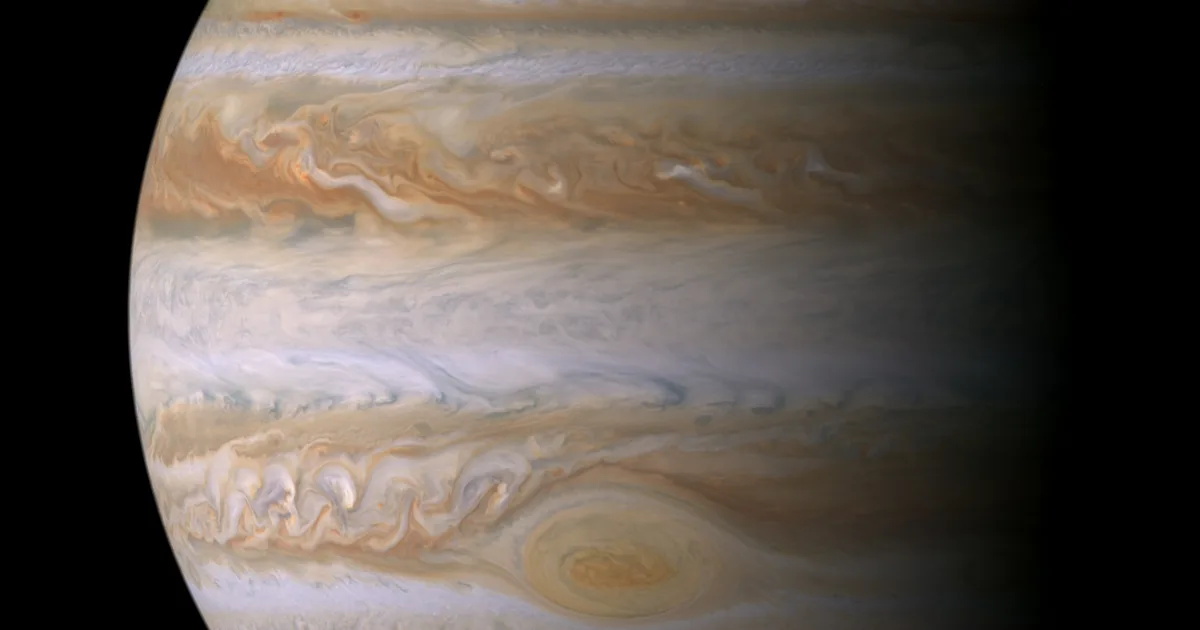
Jupiter sits five astronomical units from the Sun, making it the fifth planet outward and the heavyweight champion of our solar system. Its mass is roughly 2.5 times that of every other planet combined, yet it is still less than one‑thousandth of the Sun’s mass. In diameter it dwarfs Earth—about eleven times larger—while its equatorial radius is about 7 % greater than its polar radius because the planet spins once every ten hours. This rapid rotation flattens the planet into an oblate spheroid, a shape that can be seen in images from spacecraft.
Layers Beneath the Bands
The outer envelope of Jupiter is dominated by hydrogen (about 76 % by mass) and helium (around 24 %). Traces of carbon, oxygen, sulfur, neon and a suite of compounds such as ammonia, water vapor, phosphine, hydrogen sulfide and various hydrocarbons are also present. Beneath the visible clouds, scientists believe a mantle of liquid metallic hydrogen surrounds a dense core of heavier elements. The planet continues to contract slowly, releasing more internal heat than it receives from sunlight, which helps power its dynamic weather.
The Great Red Spot and Turbulent Atmosphere
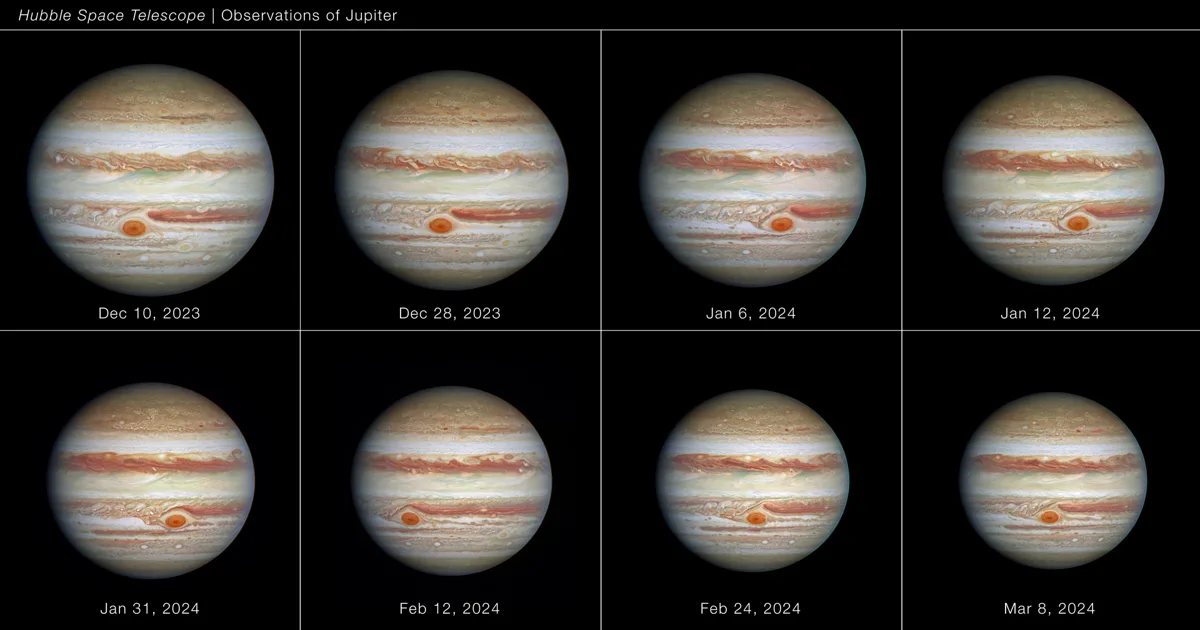
Jupiter’s most famous feature is the Great Red Spot, a massive anticyclonic storm that has been observed for centuries. The spot is larger than Earth and has persisted for at least 190 years, though recent measurements show it slowly shrinking. The planet’s atmosphere is organized into alternating light and dark bands that run east‑west. Where these bands meet, turbulence and smaller vortices arise, creating a constantly shifting tapestry of clouds that can be captured by telescopes and spacecraft alike.
A Magnetosphere Like No Other
Because of its fast rotation and conductive metallic hydrogen interior, Jupiter generates the strongest magnetic field of any planet in the solar system. This magnetic field creates a gigantic magnetosphere that stretches millions of kilometres into space, interacting with the solar wind and shaping the planet’s radiation environment. The magnetosphere also captures charged particles that produce intense auroras near the poles, visible in ultraviolet and infrared wavelengths.
Moons, Rings, and a Mini‑Solar System
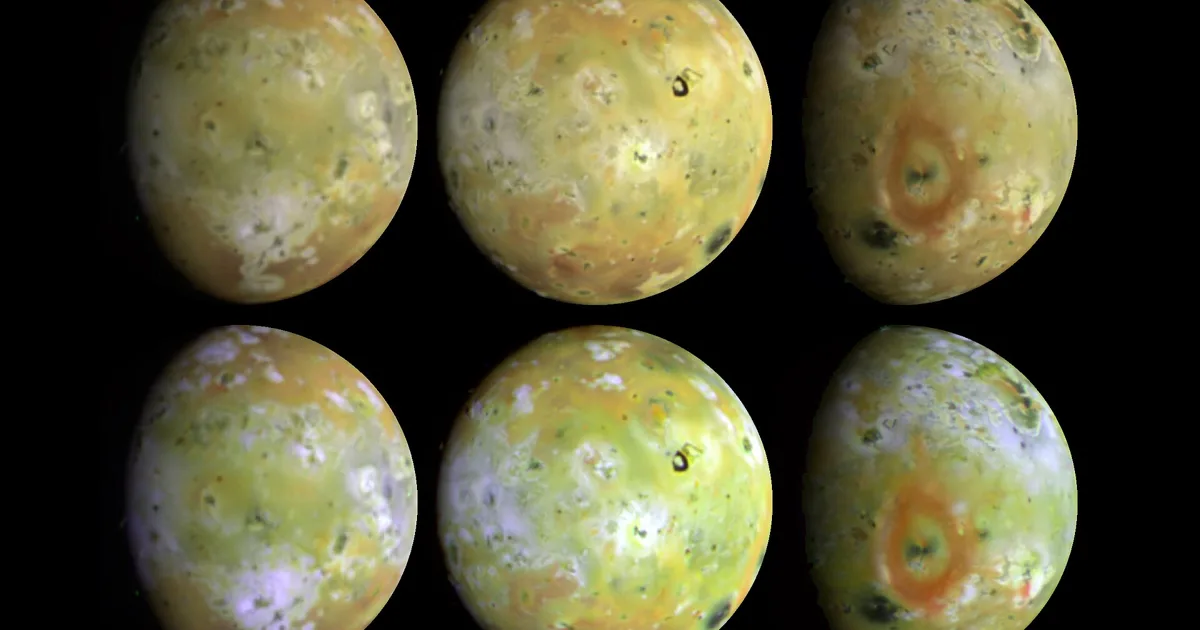
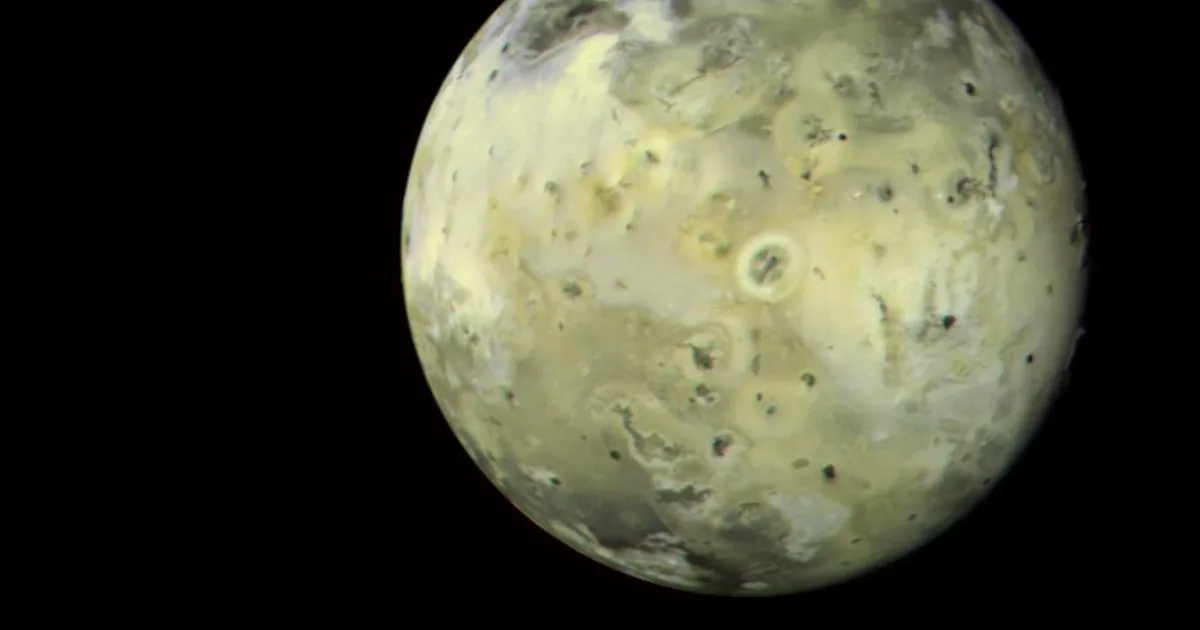
Jupiter hosts at least 115 moons, with the four largest—Io, Europa, Ganymede and Callisto—known as the Galilean satellites. Ganymede is the biggest, even larger than the planet Mercury, and it possesses its own magnetic field. Europa’s icy crust hides a subsurface ocean that is a prime target for future exploration. The planet is also encircled by a faint ring system composed mainly of dust, organized into a bright main ring, a halo, and an outer gossamer ring that glows reddish in visible light.
Birth and Migration: Jupiter’s Early Journey
Current models suggest Jupiter formed within the first million years after the Sun ignited, well before Earth took shape. It likely originated near the “snow line,” where temperatures were low enough for water ice to condense. A solid core amassed first, then rapidly captured surrounding hydrogen and helium. As it grew beyond about 50 Earth masses, Jupiter opened a gap in the protoplanetary disk and continued to accrete material, reaching its final mass in roughly three to four million years.
The "grand tack" hypothesis proposes that Jupiter initially migrated inward to about 1.5 AU, scattering inner planetary building blocks, before Saturn’s later arrival reversed the direction of both giants, sending them outward to their current orbits. This dramatic migration helped clear the inner solar system, allowing terrestrial planets like Earth to form from the remaining debris.
Observing Jupiter From Earth
Even with modest binoculars, observers can spot Jupiter as the third‑brightest object in the night sky after the Moon and Venus. Its rapid rotation reveals cloud band details, and the Galilean moons appear as tiny points moving in regular intervals. Amateur astronomers often record the changing shape of the Great Red Spot, contributing valuable data to professional studies.
Why Jupiter Matters for Future Exploration
Understanding Jupiter’s massive magnetosphere and radiation belts is essential for planning missions to its moons, especially Europa, where a subsurface ocean may harbor conditions suitable for life. Moreover, Jupiter’s role in shaping the early solar system offers clues about how planetary systems develop elsewhere, informing the search for exoplanets that resemble our own giant neighbor.
From the perspective of mushroom‑farming pioneers, studying Jupiter’s massive, dynamic environment reminds us how planetary forces can sculpt entire worlds—just as we aim to cultivate life beyond Earth.
Sources
This article was prepared with AI assistance from the sources listed above and approved by the Mushroom 2 Mars team before publication.