Spotting the King Trumpet in the Wild
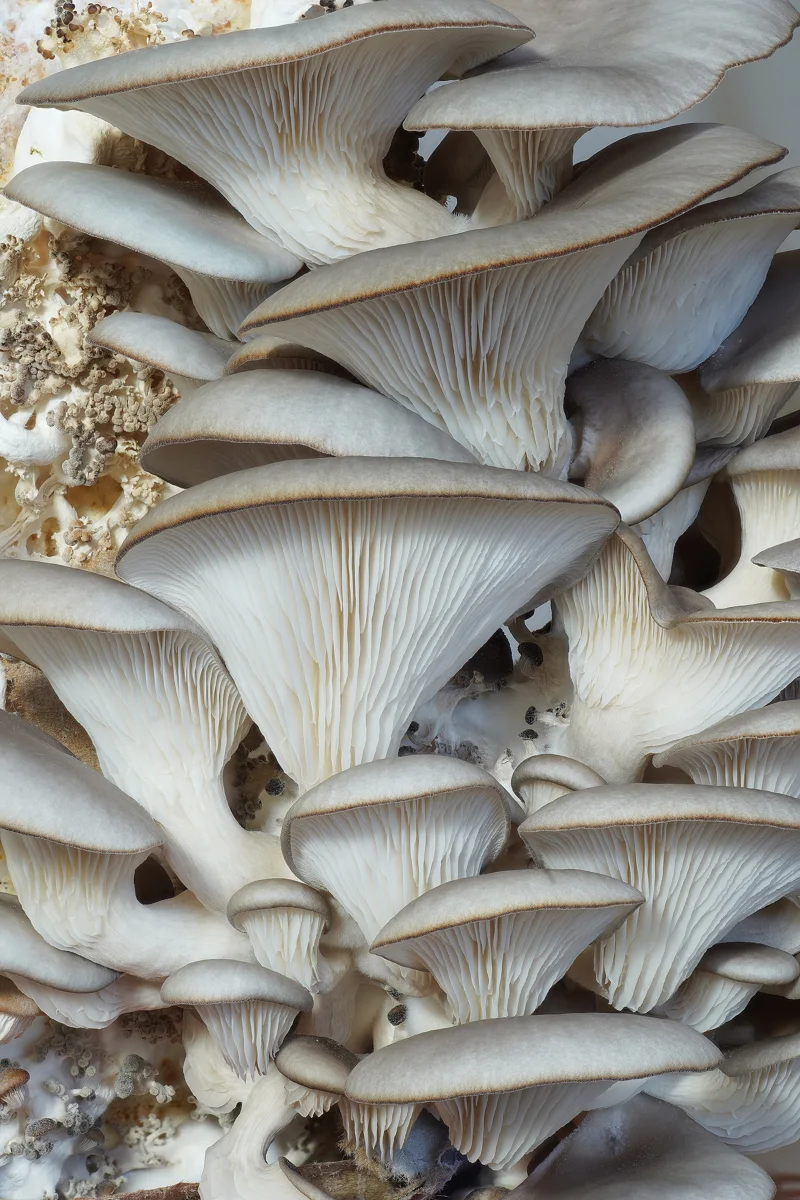
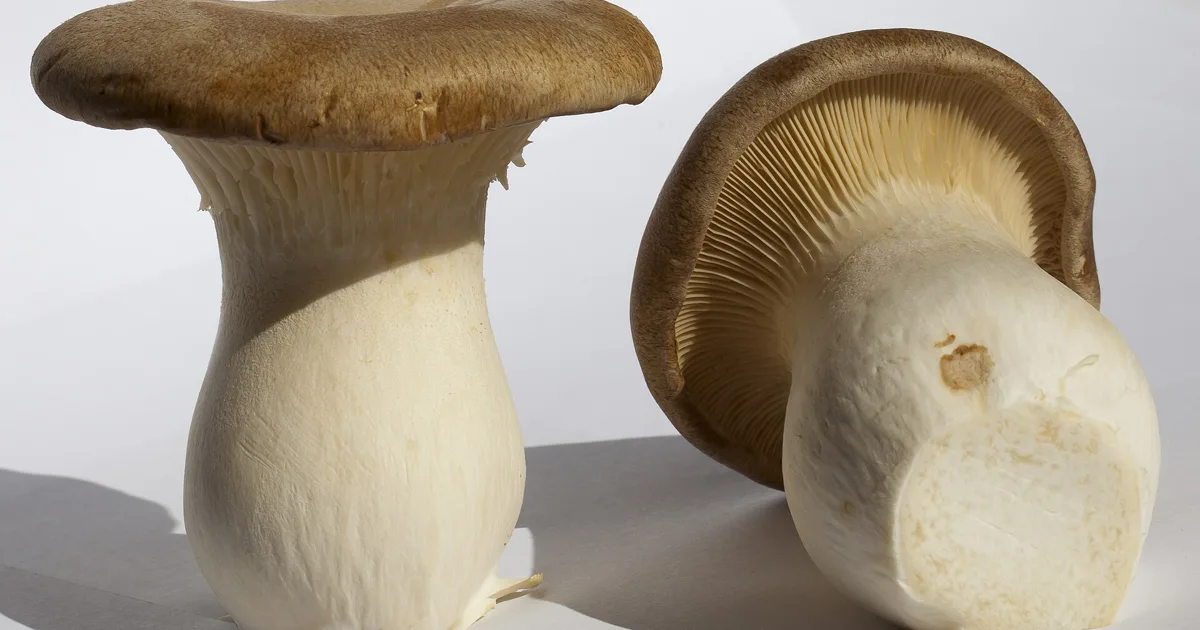
The king trumpet mushroom (Pleurotus eryngii) is an Old World species that often associates with the roots of plants in the carrot family, especially Eryngium (sea holly). In the field, look for a thick, white‑to‑tannish cap that ranges from 4 – 15 cm across. The cap is smooth, slightly velvety, and changes from convex to flat as it matures. Its gills are white, run down the stem (decurrent), and appear densely packed. The stem itself is robust, standing 3 – 10 cm tall and 1 – 3 cm wide. Because it can grow on herbaceous roots as a weak parasite, you may find it emerging from the soil near thyme‑like plants rather than on decaying wood. Never eat wild mushrooms unless an expert has positively identified them – many edible species have toxic look‑alikes.
Where It Grows Naturally
King trumpets span a broad native range, from the Atlantic coasts through the Mediterranean basin, across Central Europe, and into Western Asia and India. Unlike most Pleurotus species that prefer dead wood, P. eryngii often appears in grasslands or scrub where its host plants thrive. Its ability to colonize organic waste also makes it a common sight in cultivated settings, where growers provide straw or sawdust substrates.
Culinary Qualities and Simple Preparation
Raw king trumpets have a mild flavor and little aroma, but once cooked they develop a rich umami profile and a pleasantly meaty texture. This makes them a popular meat substitute in vegan and vegetarian dishes. Below is a straightforward sauté recipe that highlights their natural flavor:
Ingredients - 400 g king trumpet mushrooms, cleaned and sliced into 1‑cm thick rounds - 2 tbsp olive oil - 2 cloves garlic, thinly sliced - 1 tbsp soy sauce or tamari (for a gluten‑free option) - Fresh cracked black pepper, to taste - Optional: fresh herbs such as thyme or parsley for garnish
Steps 1. Heat the oil in a large skillet over medium‑high heat. 2. Add the garlic and sauté for about 30 seconds until fragrant. 3. Place the mushroom slices in a single layer; avoid crowding the pan. 4. Cook without stirring for 3‑4 minutes, allowing a golden crust to form. 5. Flip the slices, drizzle with soy sauce, and continue cooking for another 2‑3 minutes until tender. 6. Season with pepper and garnish with herbs before serving.
Cooking at a minimum of 165 °F (74 °C) ensures the texture becomes pleasantly firm and any potential microbes are reduced. Serve the sautéed king trumpets over pasta, rice, or as a topping for vegan burgers.
Nutritional Snapshot
King trumpets are low in calories and provide protein, dietary fiber, B‑vitamins, and minerals such as potassium and selenium. Research suggests that compounds in Pleurotus eryngii may support immune function and modestly influence cholesterol metabolism, though these effects are based on limited studies and should not be taken as medical advice.
Growing Your Own King Trumpets
Because the species adapts well to organic waste, it is a favorite among home cultivators. A basic cultivation cycle includes: 1. Substrate preparation – sterilize a mix of hardwood sawdust and wheat bran (≈ 80 % sawdust, 20 % bran). 2. Inoculation – introduce high‑quality spawn (mycelium on grain) under sterile conditions. 3. Incubation – keep the bagged substrate at 68‑75 °F (20‑24 °C) in darkness for 2‑3 weeks until the mycelium fully colonizes. 4. Fruiting – expose the colonized substrate to fresh air, lower temperature (55‑65 °F / 13‑18 °C), and indirect light. Maintain humidity around 85‑90 %. 5. Harvest – collect the mushrooms when caps are fully expanded but still firm, typically 5‑7 days after pinning.
Commercial growers often use automated climate control to achieve consistent yields, and the species accounts for roughly 30 % of the Korean edible mushroom market since its introduction in 1995.
Ecological Benefits Beyond the Plate
Pleurous eryngii is not only a saprotroph that recycles organic matter; it also acts as a nematode‑trapping fungus. Laboratory studies have shown that extracts can reduce populations of certain nematode larvae by up to 90 % within 24 hours, indicating potential use in natural pest management for gardens and even as a biocontrol aid for nematode infections in pets.
The king trumpet’s hearty texture and sustainable cultivation make it a fitting candidate for future space‑based agriculture, aligning with Mushroom 2 Mars’s vision of growing nutritious fungi on the Red Planet.
Sources
This guide is not a foraging or identification manual. Many edible mushrooms have toxic look-alikes. Never eat a wild mushroom unless an expert has identified it in person.
This article was prepared with AI assistance from the sources listed above and approved by the Mushroom 2 Mars team before publication.