Part of the guide: Mycology: A Complete Guide to Fungi, Cultivation, and Safety
Appearance and Key Identification Features
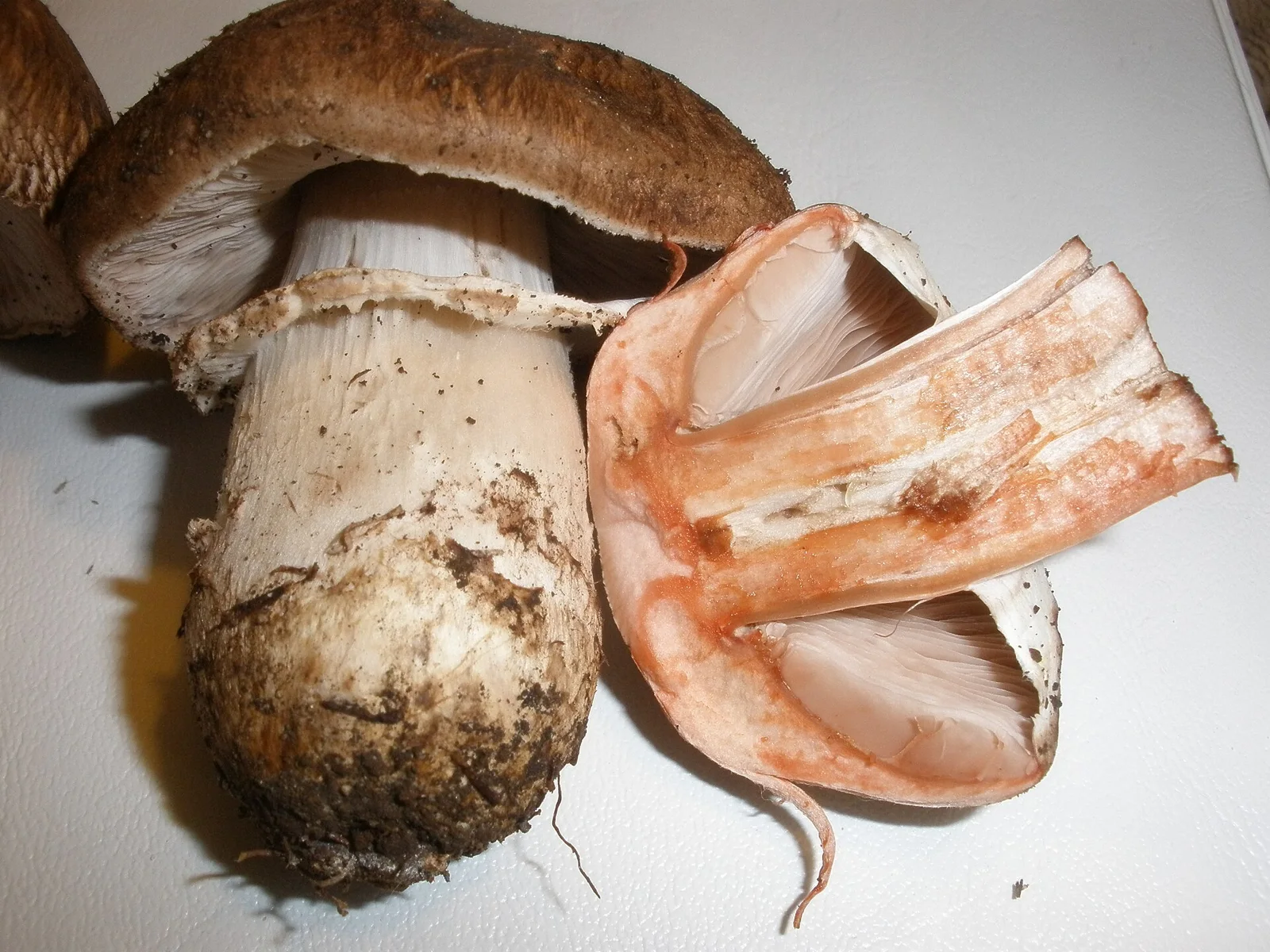
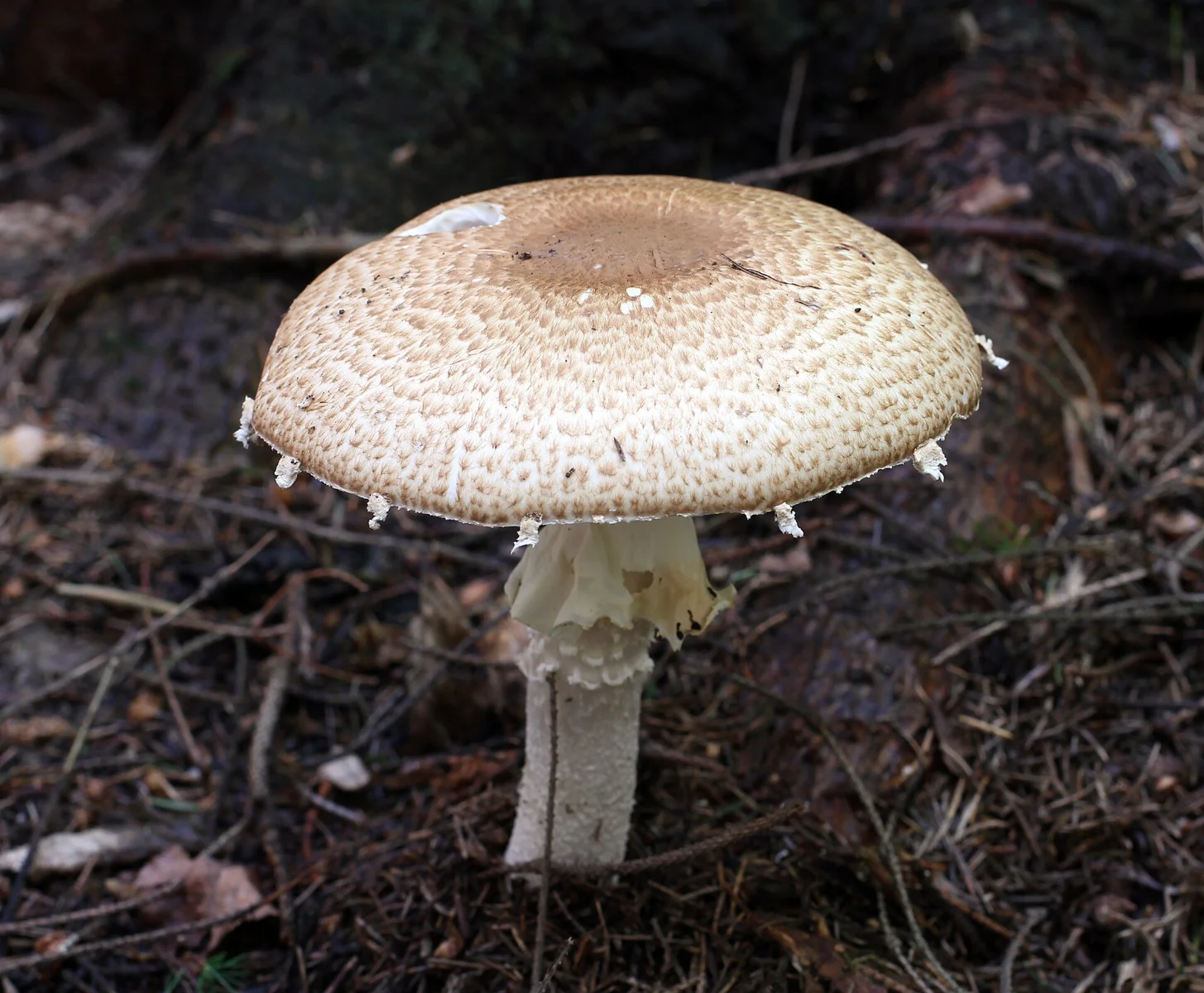
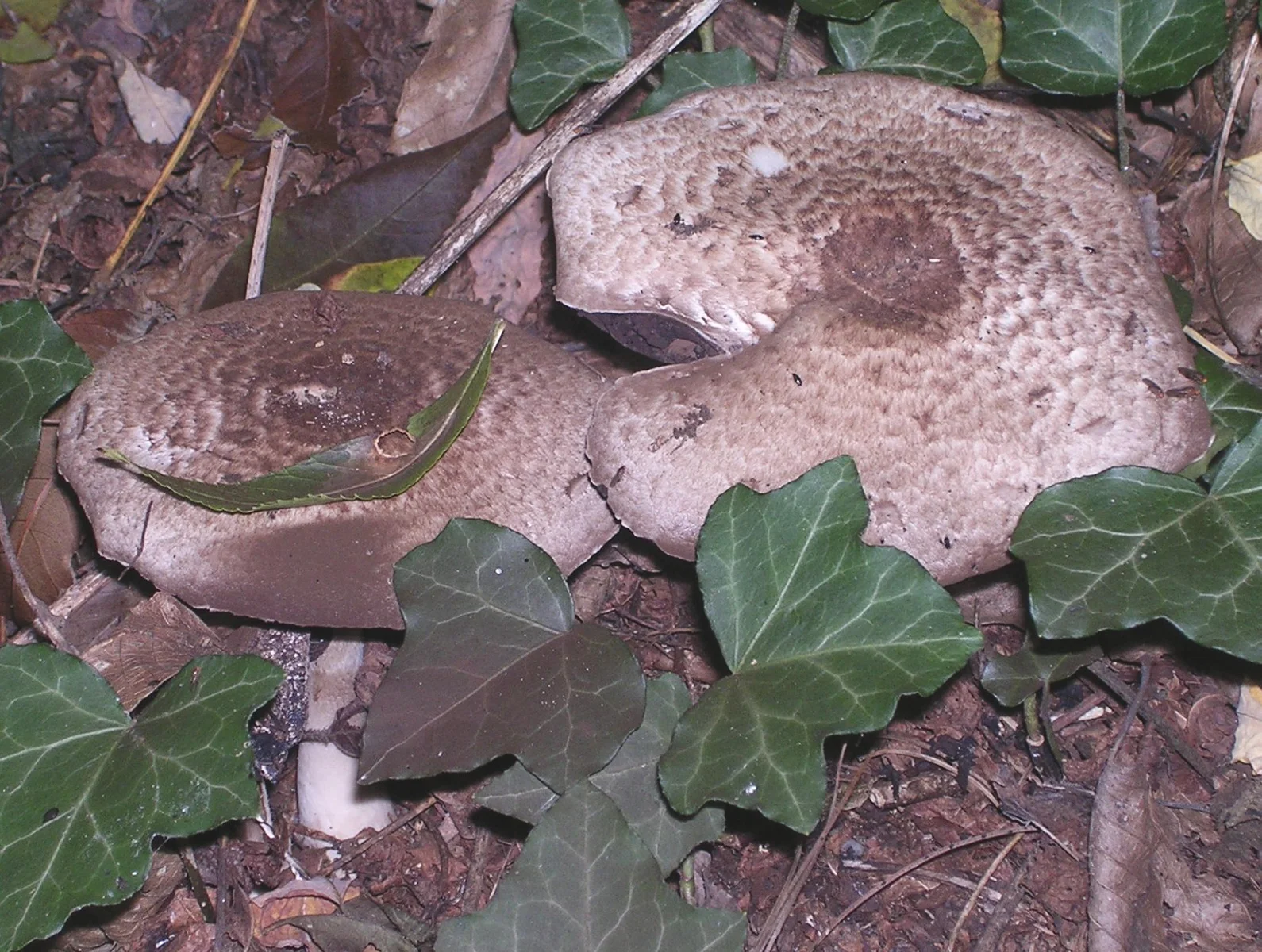
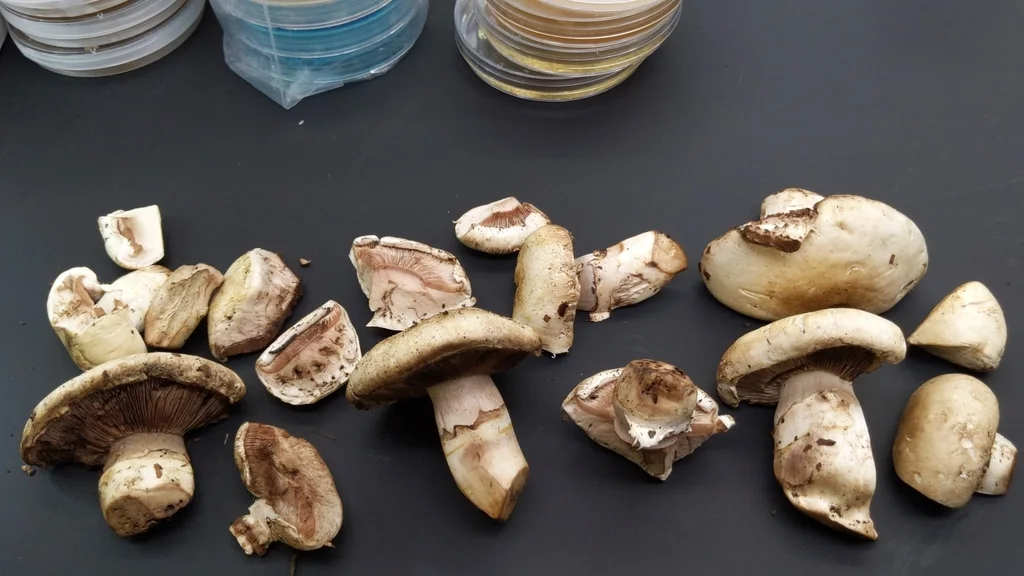
Agaricus bernardii, often called the salt‑loving agaricus, sports a cap 5–15 cm wide that shifts from convex to flattened as it matures. The surface is dry, white to buff, and may develop brownish spots, scales, or warts with age. Its flesh is thick and firm, turning a reddish‑orange hue when cut—a reaction that can be subtle at first. The gills start pinkish, then progress to reddish‑brown and finally chocolate brown as spores ripen. A solid, white stem 4–10 cm long and 2–4 cm thick bears a single rubbery ring roughly midway. A dark brown spore print and smooth, broadly elliptical spores (6–7.5 µm × 5–6 µm) complete the picture. Compared to the look‑alike A. bitorquis, A. bernardii has a single ring, a briny odor, and the characteristic reddish staining.
Taxonomic Background
First described in 1879 by French mycologist Lucien Quélet as Psalliota bernardi, the species was moved to the genus Agaricus by Pier Andrea Saccardo in 1887. Modern molecular work places it near the "Agaricus clade" that includes the common button mushroom (A. bisporus) and relatives such as A. subperonatus and A. impudicus. Its exact infrageneric position remains debated, with past classifications ranging from subsection Bitorques to section Chitonioides. The name honors the original collector, G. Bernard, and reflects the mushroom’s affinity for salty environments.
Habitat, Distribution, and Growth Habit
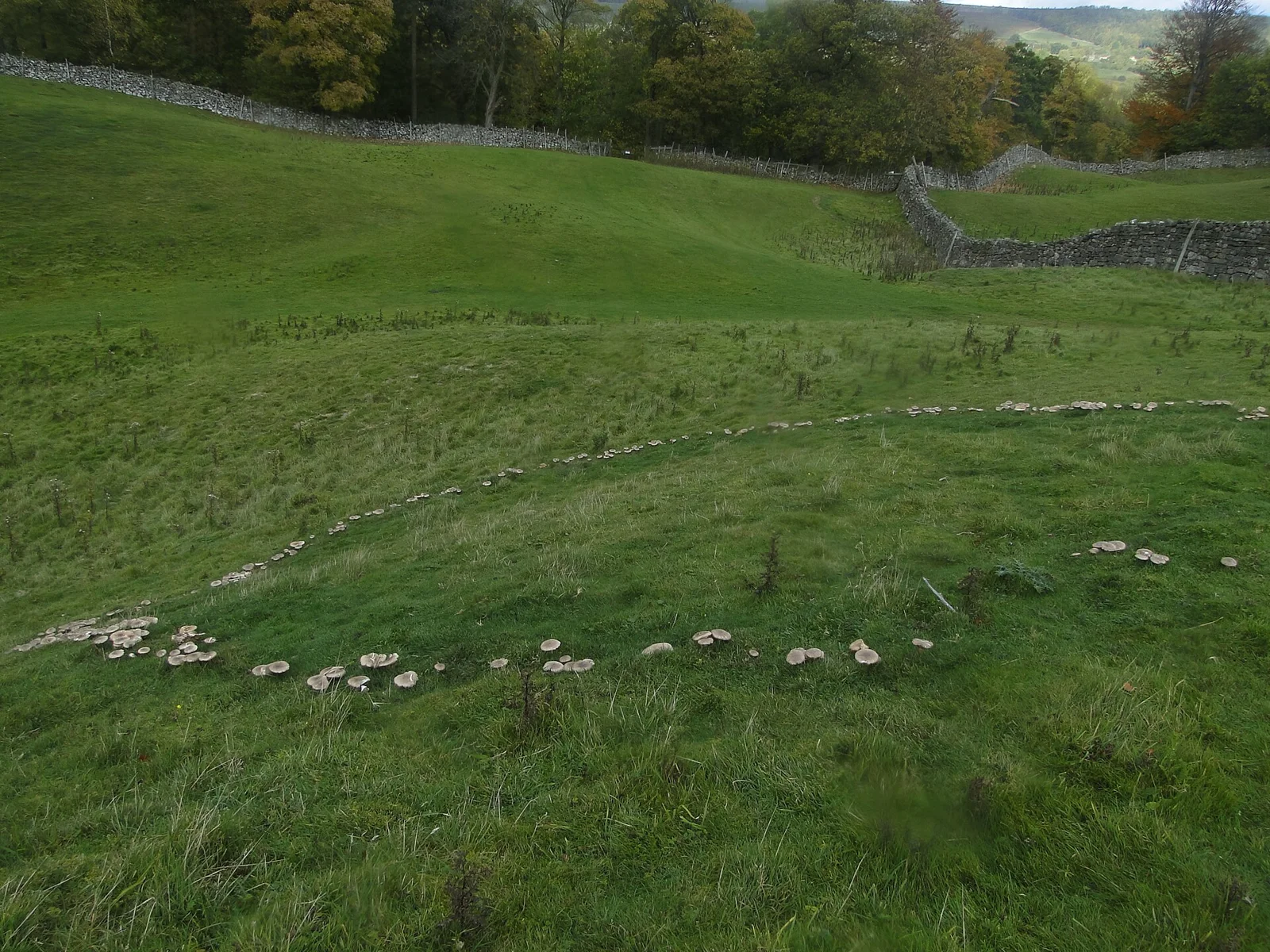
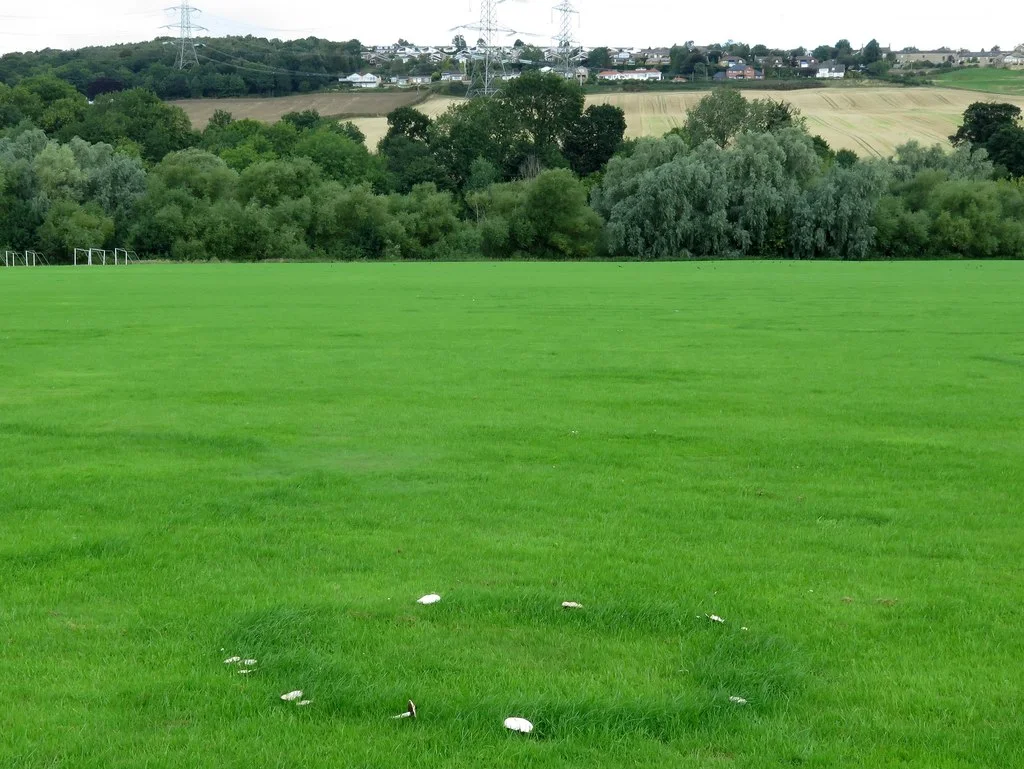
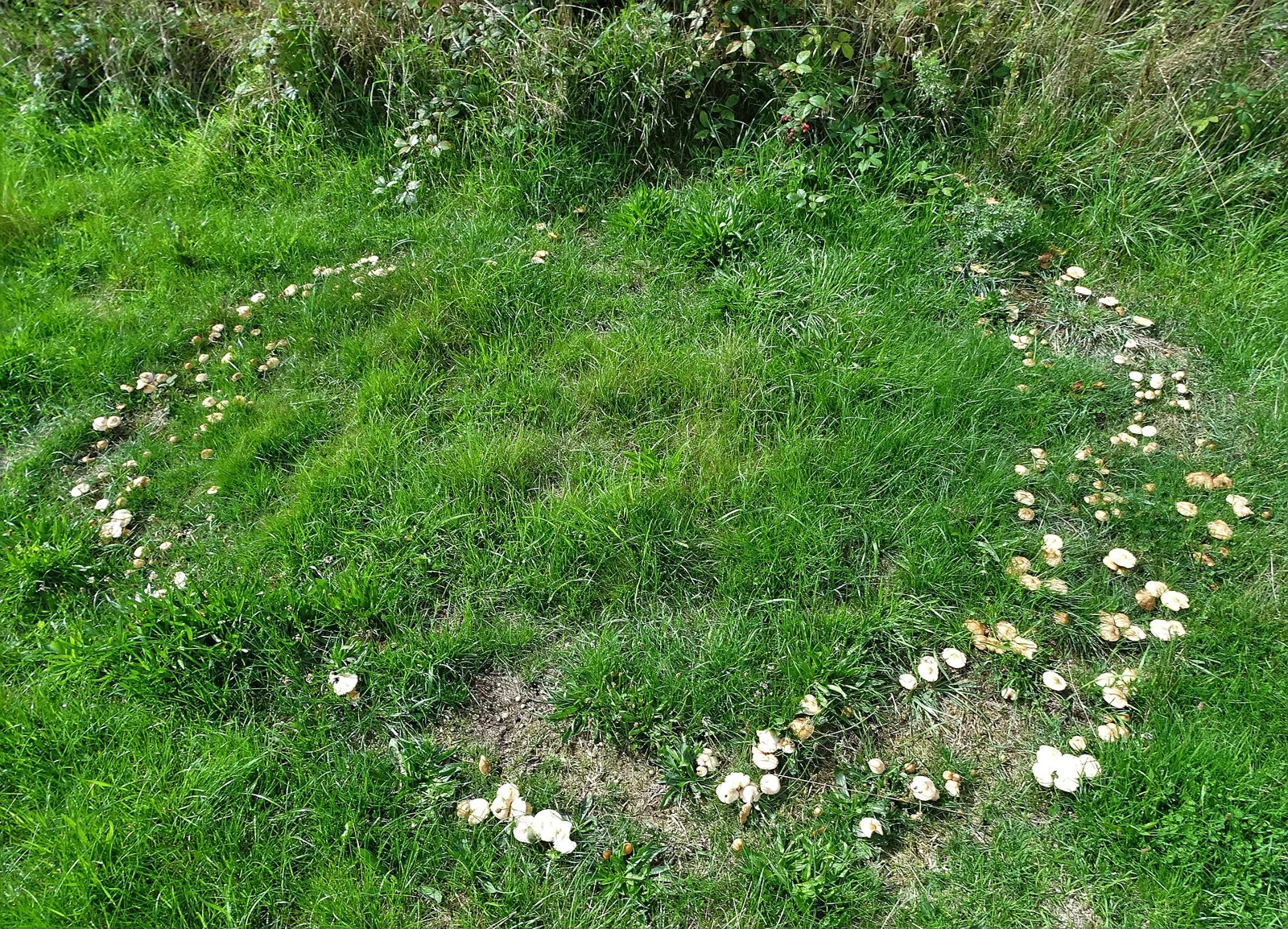
Salt‑loving is no exaggeration: A. bernardii thrives in coastal dunes, salt marshes, and grassy areas with high salinity. It is saprobic, feeding on decaying organic matter in sandy soils. While native to Eurasia, North America (including Mexico), New Zealand, and Australia, the fungus has spread inland, often appearing along de‑icing salt‑treated roads. Fruiting bodies may appear singly, scattered, or in fairy rings, and occasionally develop underground. Its adaptability to both maritime and inland salty sites makes it a useful indicator of soil salinity.
Ecological Interactions and Bioaccumulation
Research from the Czech Republic shows that A. bernardii can accumulate silver from contaminated soils, with caps reaching up to 544 mg kg⁻¹ (dry weight)—about twice the concentration found in stems. While average soil silver levels are usually below 1 mg kg⁻¹, industrial sites can elevate exposure, and the mushroom’s bio‑accumulating ability highlights its potential as a bio‑monitor for heavy‑metal pollution. As a saprobe, it contributes to nutrient recycling in coastal ecosystems, breaking down leaf litter and woody debris.
Culinary Use and Simple Preparation
Although some specimens emit a briny or pungent aroma, A. bernardii is considered edible and is described as having a flavor similar to cultivated button mushrooms, but with a slightly chewier texture. A straightforward sauté showcases its qualities:
Ingredients - 300 g fresh A. bernardii caps, cleaned with a damp cloth (do not use wild‑picked mushrooms from uncertain sources) - 2 tbsp olive oil - 1 clove garlic, minced - Salt and freshly ground black pepper to taste - Fresh parsley, chopped (optional)
Steps 1. Slice the caps into bite‑size pieces. 2. Heat oil in a skillet over medium heat (≈180 °C). 3. Add garlic and sauté for 30 seconds until fragrant. 4. Add the mushroom slices, spreading them in a single layer. 5. Cook 5–7 minutes, stirring occasionally, until the mushrooms release moisture and turn golden brown. 6. Season with salt, pepper, and parsley. Serve warm as a side dish or tossed with pasta.
Cooking at a moderate temperature ensures the mushrooms are safe and palatable while preserving their texture. As always, only consume mushrooms that have been positively identified by an expert.
Conservation and Future Potential
Because A. bernardii tolerates high salinity, it is a candidate for experimental cultivation in controlled environments where salt stress is a factor—such as hydroponic systems designed for space habitats. Its ability to thrive on limited nutrients and salty substrates could inform future mushroom‑based life‑support systems for long‑duration missions, including the ambitious goal of growing edible fungi on Mars.
In the broader vision of Mushroom 2 Mars, the salt‑loving agaricus reminds us that even the toughest terrestrial fungi might one day help feed explorers on the Red Planet.
Sources
This guide is not a foraging or identification manual. Many edible mushrooms have toxic look-alikes. Never eat a wild mushroom unless an expert has identified it in person.
This article was prepared with AI assistance from the sources listed above and approved by the Mushroom 2 Mars team before publication.