Part of the guide: Mycology: A Complete Guide to Fungi, Cultivation, and Safety
What the Dusky Mushroom Looks Like
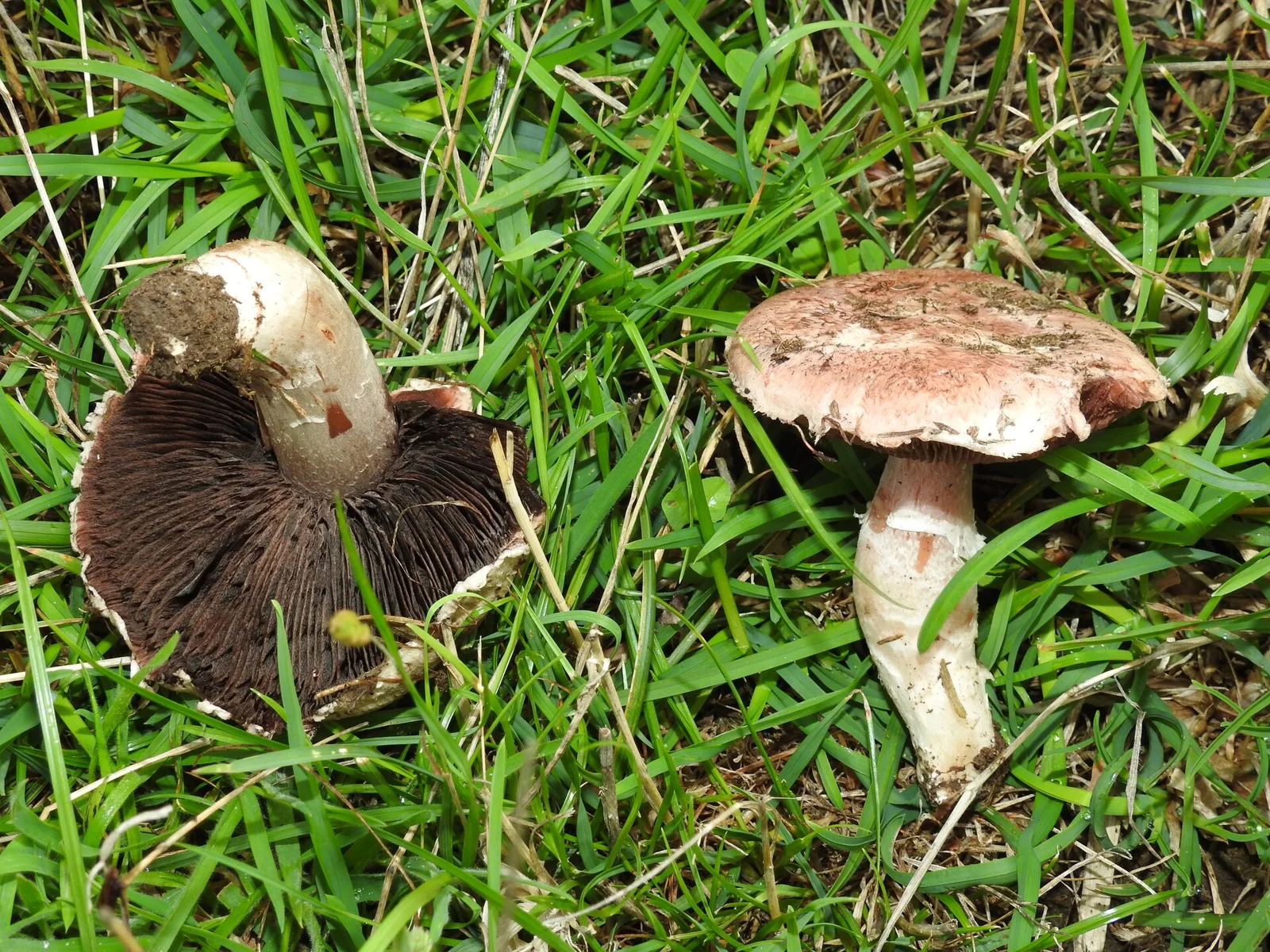
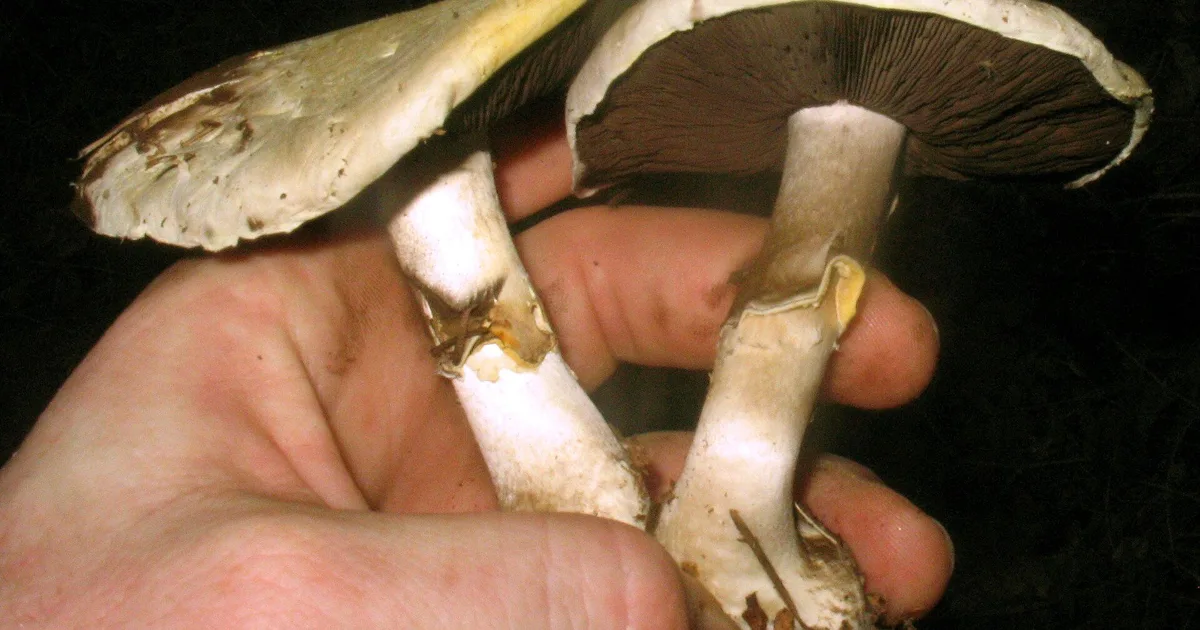
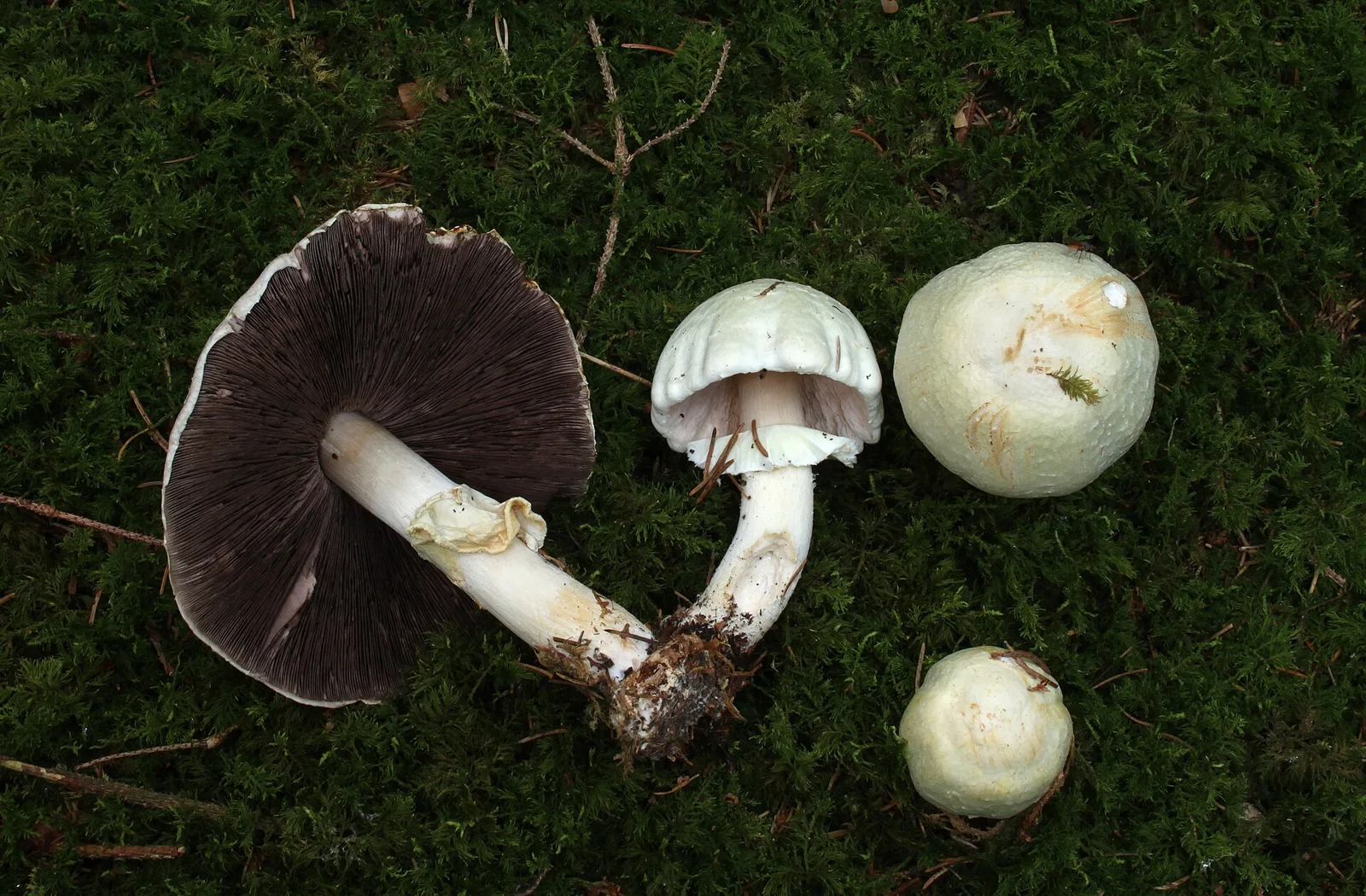
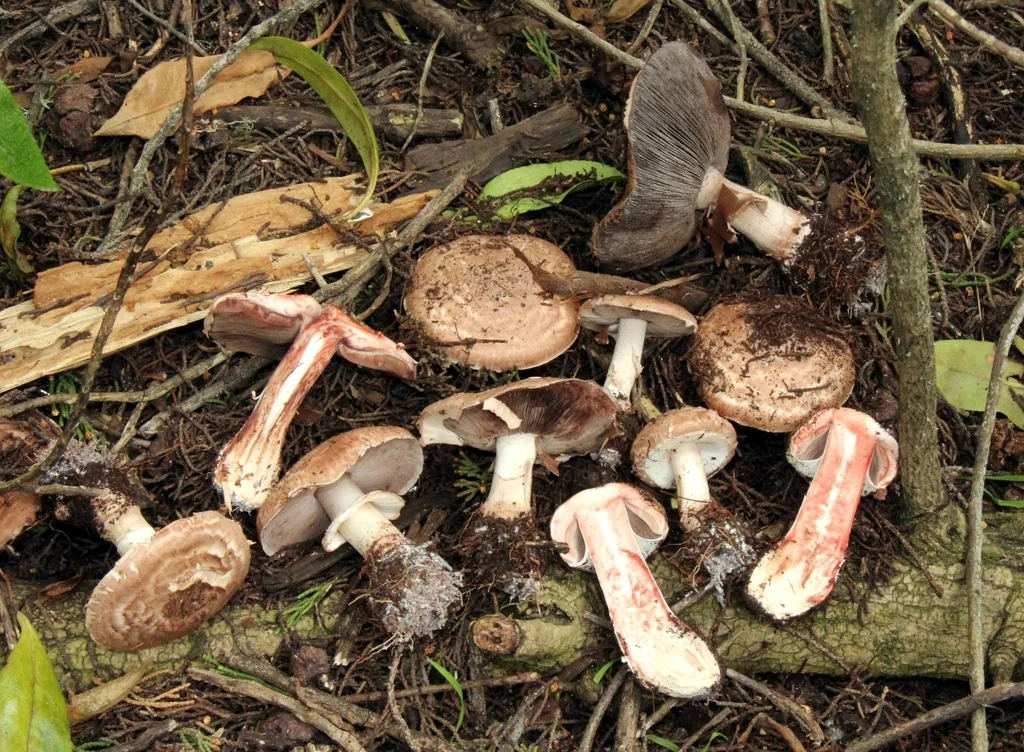
Agaricus brunneofibrillosus, often called the dusky mushroom or bleeding agaricus, sports a medium‑to‑dark brown cap up to about 6 cm (2¼ in) wide. The surface is dry and may show silky fibrils or flattened scales that darken to a walnut‑brown as the mushroom ages. When the flesh is bruised, it turns a vivid red within half a minute before fading to brown – a handy field clue. The gills start cream‑colored, shift through pink‑gray tones, and end up chocolate‑brown when the spores are mature. The stem is stout, 4–15 cm long, and often bulbous at the base with one or more brown bands. A thin, white, membranous ring sits near the top of the stem.
Taxonomic Journey
The species was first confused with the European Agaricus fuscofibrillosus, described by F.H. Møller. Mycologist Rick Kerrigan, studying collections from California’s coast, realized the local mushrooms belonged to a different lineage. In a 2016 monograph on North American Agaricus, Kerrigan formally described the California form as Agaricus brunneofibrillosus – the name referring to its brown, fibrillose cap and its distinction from the European counterpart, now considered a synonym of Agaricus langei.
Where It Grows
You’ll find this mushroom in late fall and winter, emerging from deep leaf litter under Monterey cypresses and, less often, other trees. Its range is limited to coastal California, with the highest concentrations in the Monterey and San Francisco Bay areas. The fruit bodies may appear alone or in small groups, favoring the cool, moist microclimate of the Pacific shoreline.
Look‑Alikes to Watch For
While the bright‑red bruising is a strong identifier, a few species can cause confusion: - Agaricus amicosus – a close relative that lives in Rocky‑Mountain spruce‑fir forests; it shares the leaf‑litter habit but occurs far inland. - Agaricus pattersoniae – larger, with appressed brown squamules on the cap and lacking the fibrillose texture. - Agaricus fuscovelatus – more conical cap, brownish scales, and a darker ring. - Inocybe pudica – a poisonous mushroom that is generally smaller; careful inspection of gill attachment and spore color helps separate it. When foraging, always confirm identification with multiple traits and, if possible, consult an experienced mycologist.
Culinary Potential
The dusky mushroom is listed as edible. Its firm flesh holds up well to sautéing, roasting, or inclusion in soups. A simple preparation: 1. Clean the caps with a damp cloth; avoid soaking to prevent soggy texture. 2. Slice ½‑inch thick pieces and toss with olive oil, salt, and a pinch of dried thyme. 3. Roast on a pre‑heated 190 °C (375 °F) sheet for 12‑15 minutes, turning once, until golden and slightly crisp. The mild, earthy flavor pairs nicely with pasta, grain bowls, or a vegan risotto. Remember: only cultivated or reliably identified specimens should be cooked – never use wild‑picked mushrooms unless you are certain of their identity.
Connecting to the Red Planet
Understanding the ecology of Agaricus brunneofibrillosus helps the Mushroom 2 Mars team explore how fungal life cycles might be supported in controlled habitats on Mars, where leaf‑litter analogues could become a substrate for future mushroom farms.
Sources
This guide is not a foraging or identification manual. Many edible mushrooms have toxic look-alikes. Never eat a wild mushroom unless an expert has identified it in person.
This article was prepared with AI assistance from the sources listed above and approved by the Mushroom 2 Mars team before publication.