Part of the guide: Mycology: A Complete Guide to Fungi, Cultivation, and Safety
Taxonomic Roots
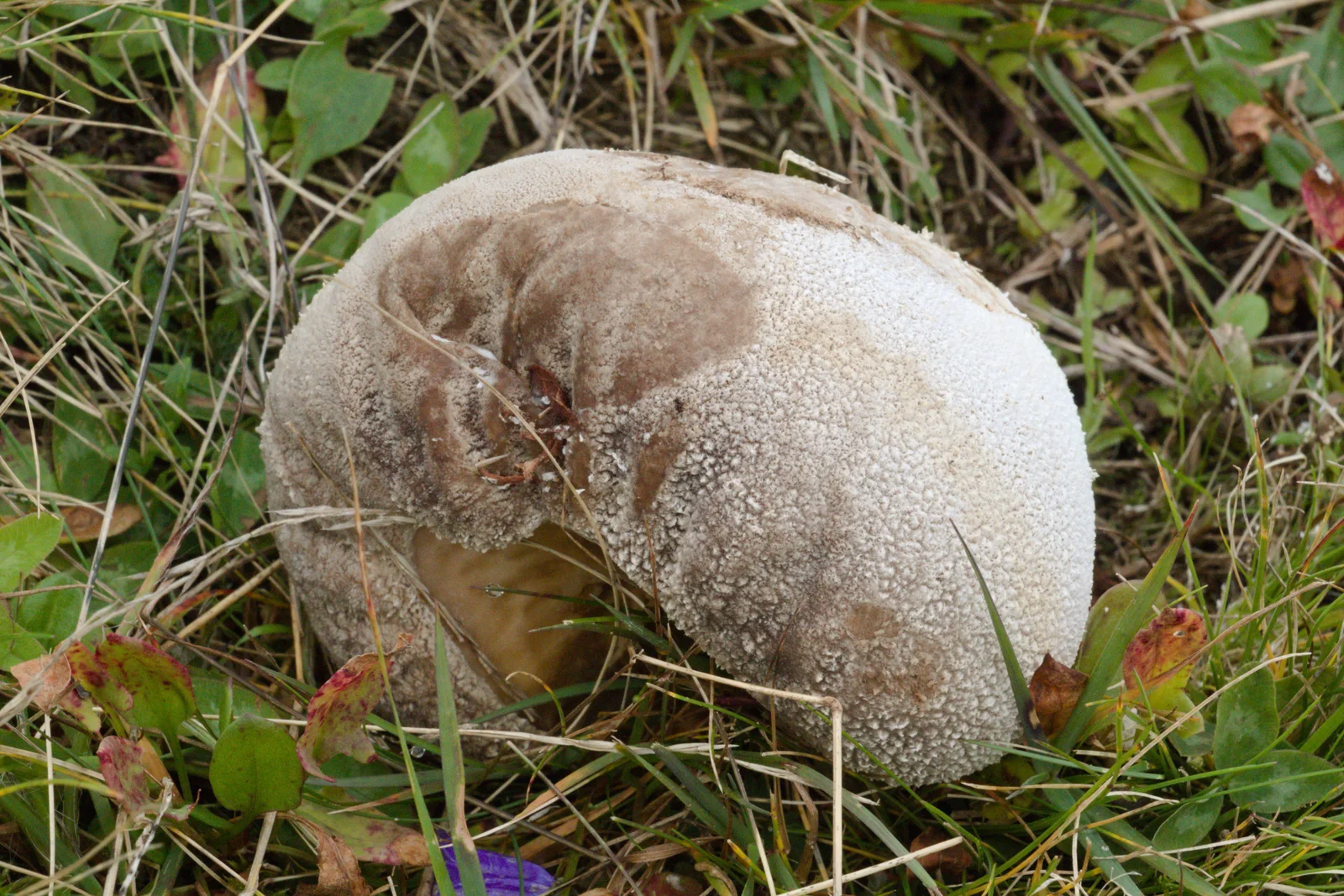
Agaricus crocodilinus was first formally described by mycologist William Murrill in 1912. Its species name reflects the warty texture of the cap, which reminded Murrill of a crocodile’s hide. The mushroom belongs to the family Agaricaceae, a large group that includes many familiar button‑type fungi.
Distinctive Appearance
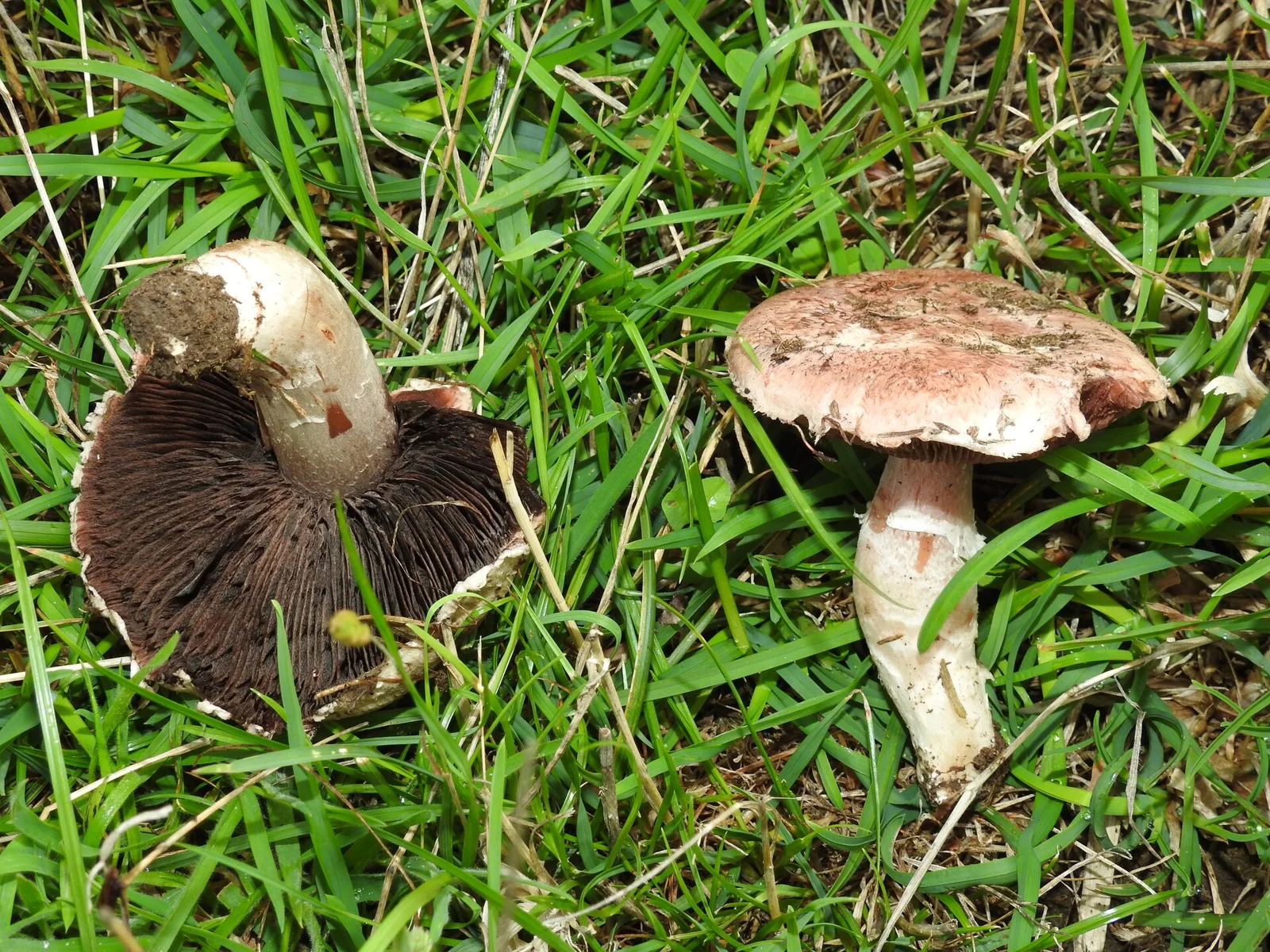
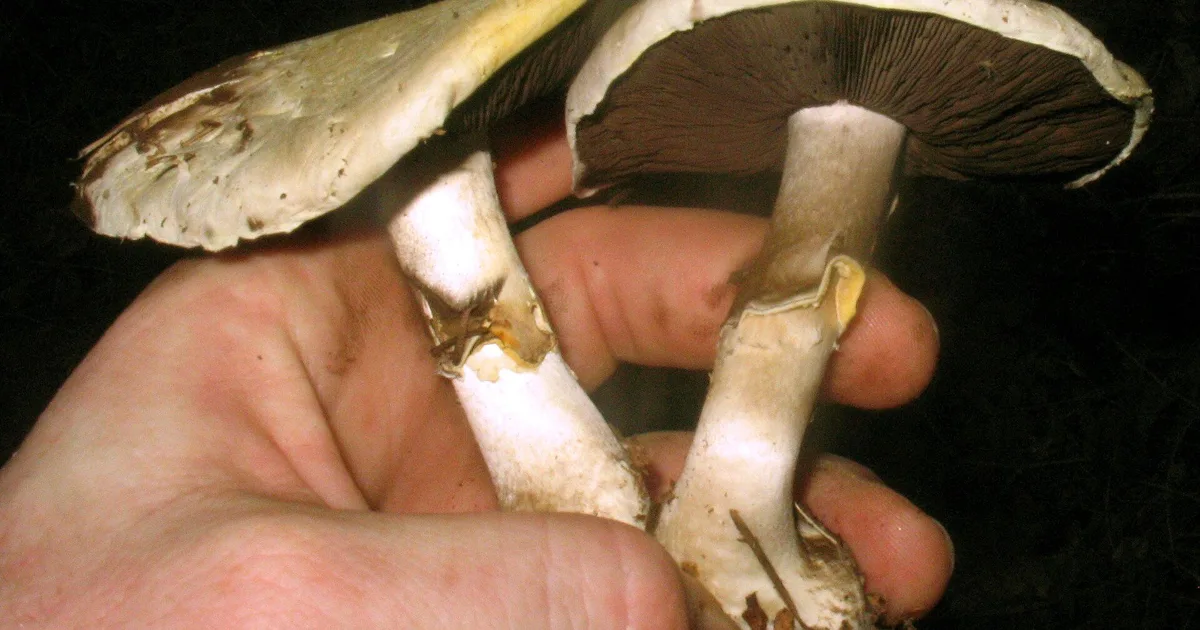
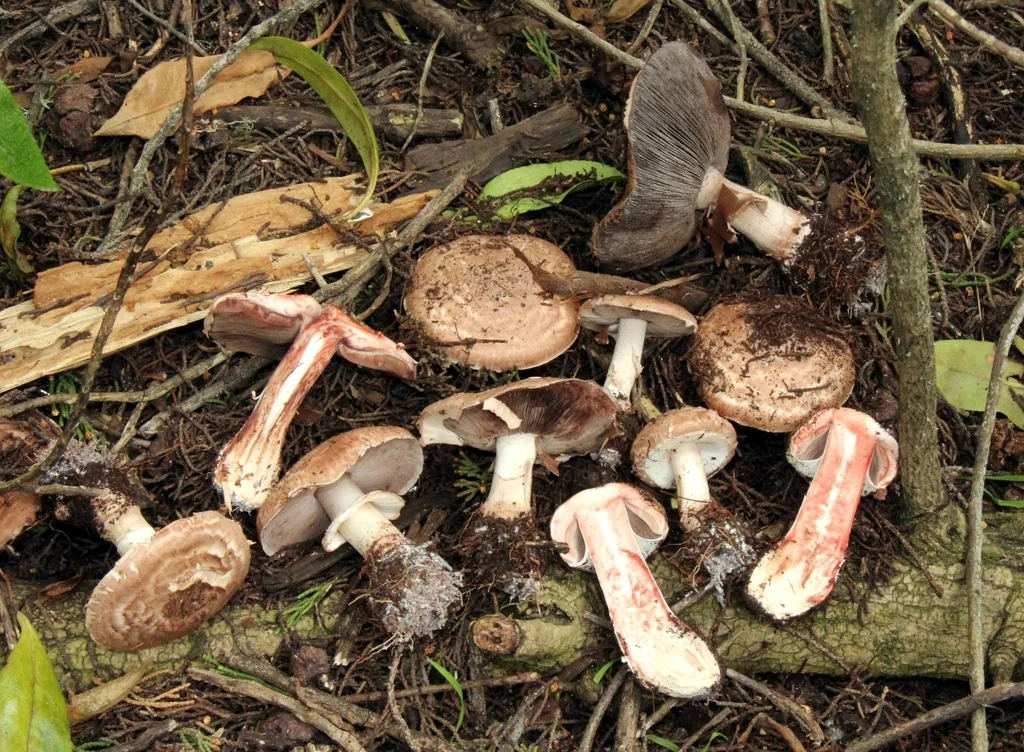
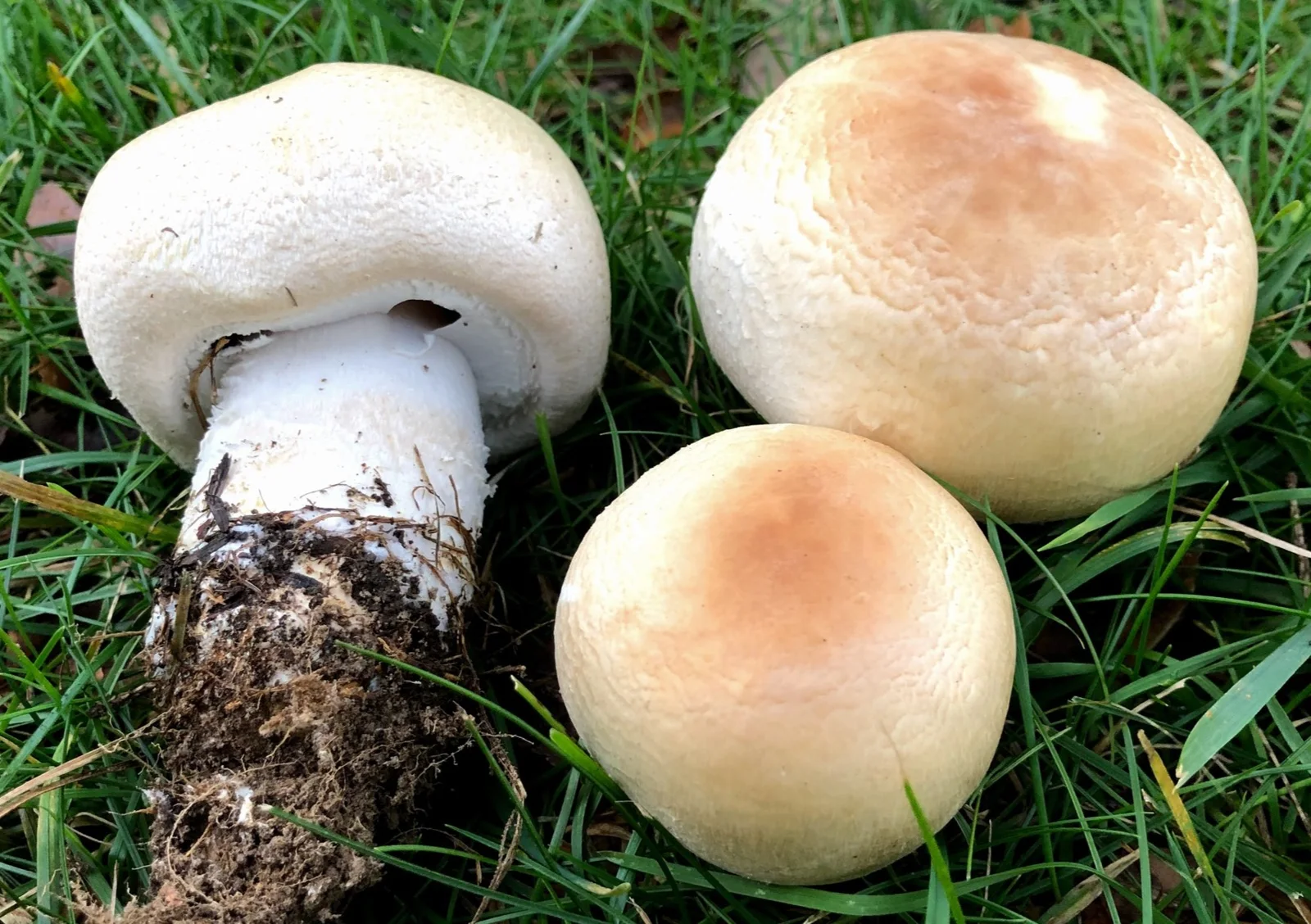
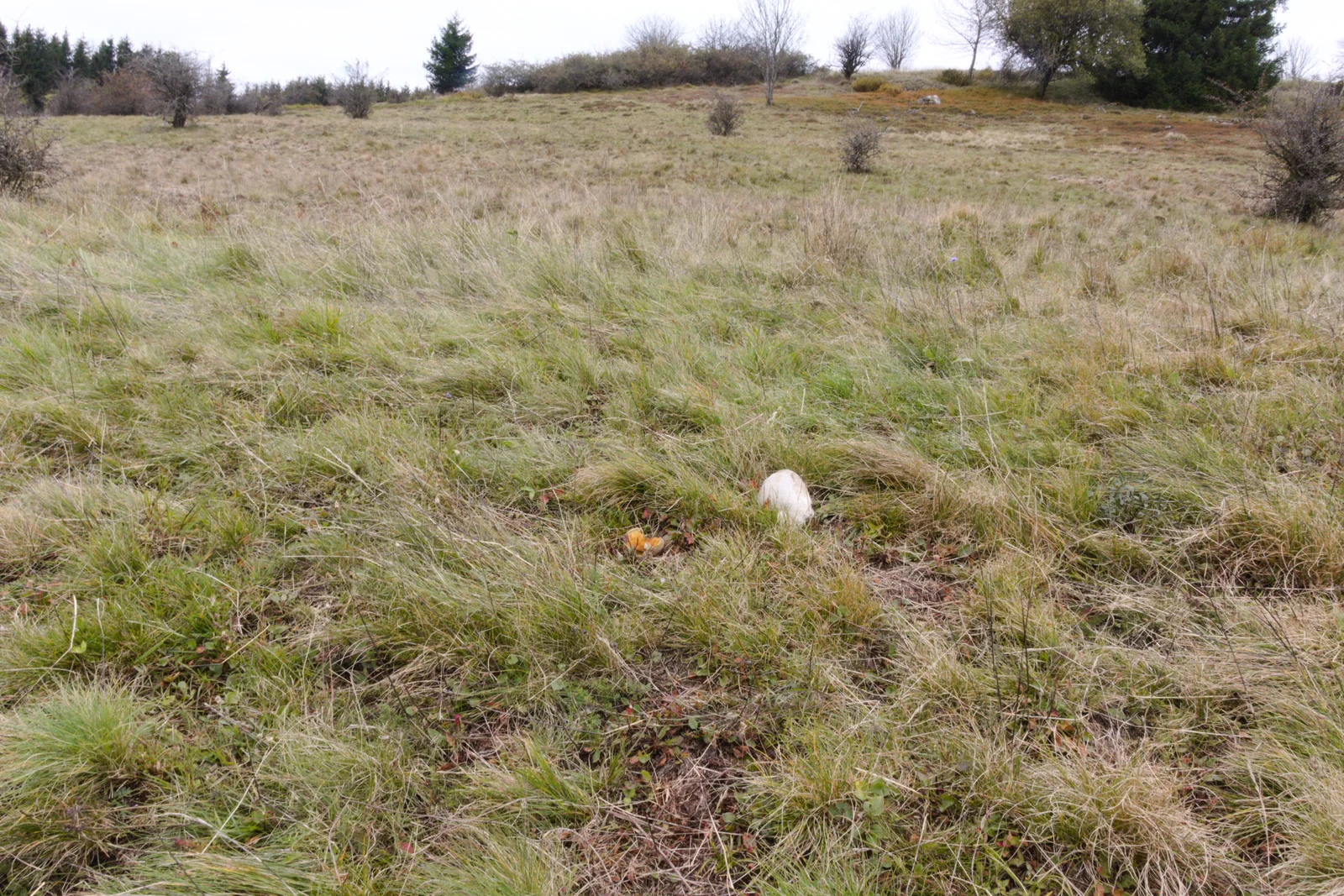
When young, the cap of A. crocodilinus is round and modest in size, measuring about 5–12 cm across. As it matures, the cap can expand dramatically to 20–40 cm, taking on a broadly convex shape. The surface is covered with small, wart‑like bumps that give it a reptilian look. The stipe (stem) ranges from 6 to 20 cm in length and 2–4 cm in width, and it bears a partial veil that leaves a noticeable ring after the veil breaks. The gills are free from the stem, starting with a tannish hue and darkening to reddish‑brown or blackish‑brown with age.
Where It Grows
A. crocodilinus is a saprophytic species, meaning it obtains nutrients by decomposing dead organic matter. It is most commonly found in open prairies and grassy pastures where abundant plant debris provides a rich substrate. Because it prefers well‑drained soils, you’ll often encounter it in fields that have been lightly grazed or mowed.
Look‑Alikes and Safety
Field identification can be tricky. This mushroom sometimes resembles the edible Agaricus arvensis (horse mushroom), but it also shares visual traits with the toxic Agaricus xanthodermus. The latter can cause gastrointestinal upset if consumed. Therefore, accurate identification is essential. Even experienced foragers should verify the free‑gilled attachment, the warted cap surface, and the presence of a sturdy ring before considering any specimen.
Culinary Reputation and Caveats
In regions where it is harvested, A. crocodilinus is regarded as a prized edible mushroom. However, two practical concerns limit its culinary appeal: 1. Maggot infestation – Even relatively young caps often host maggots, which can be off‑putting and require thorough cleaning. 2. Cadmium accumulation – Studies have shown that this species can concentrate cadmium, a heavy metal, even when growing in soils that are not heavily polluted. While occasional consumption is unlikely to pose a serious health risk, regular intake should be approached with caution.
If you do decide to cook A. crocodilinus, treat it like other large agarics: clean the caps gently, slice them uniformly, and sauté in butter or oil until they release their moisture and turn golden. Cooking at a minimum of 75 °C (165 °F) ensures any surface microbes are destroyed. Remember, never eat wild‑collected mushrooms unless you are 100 % certain of their identity and safety.
Ecological Role
As a saprophyte, A. crocodilinus contributes to nutrient cycling in grassland ecosystems. By breaking down dead plant material, it releases nitrogen and other nutrients back into the soil, supporting the growth of grasses and other vegetation. This ecological service underscores the importance of preserving natural pastures where such fungi thrive.
From Earth to the Red Planet
Understanding the growth habits of robust, grass‑land fungi like Agaricus crocodilinus helps researchers design future mushroom‑based life‑support systems for Mars habitats, where efficient recycling of organic waste will be crucial.
Sources
This guide is not a foraging or identification manual. Many edible mushrooms have toxic look-alikes. Never eat a wild mushroom unless an expert has identified it in person.
This article was prepared with AI assistance from the sources listed above and approved by the Mushroom 2 Mars team before publication.