Part of the guide: Mycology: A Complete Guide to Fungi, Cultivation, and Safety
Appearance and Key Features
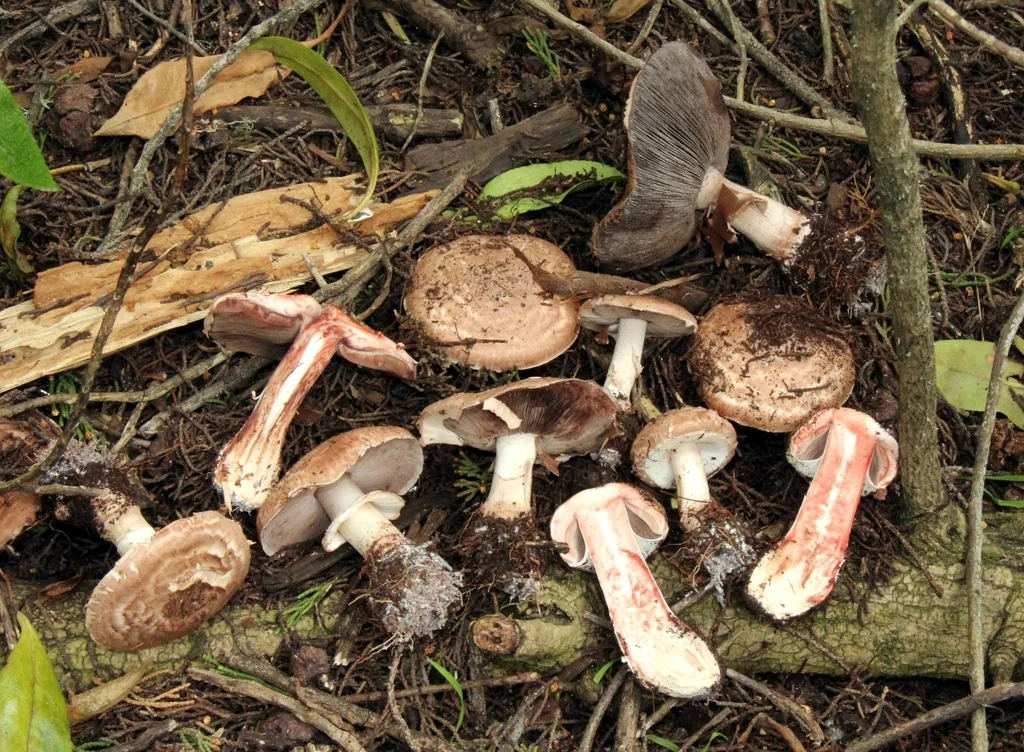
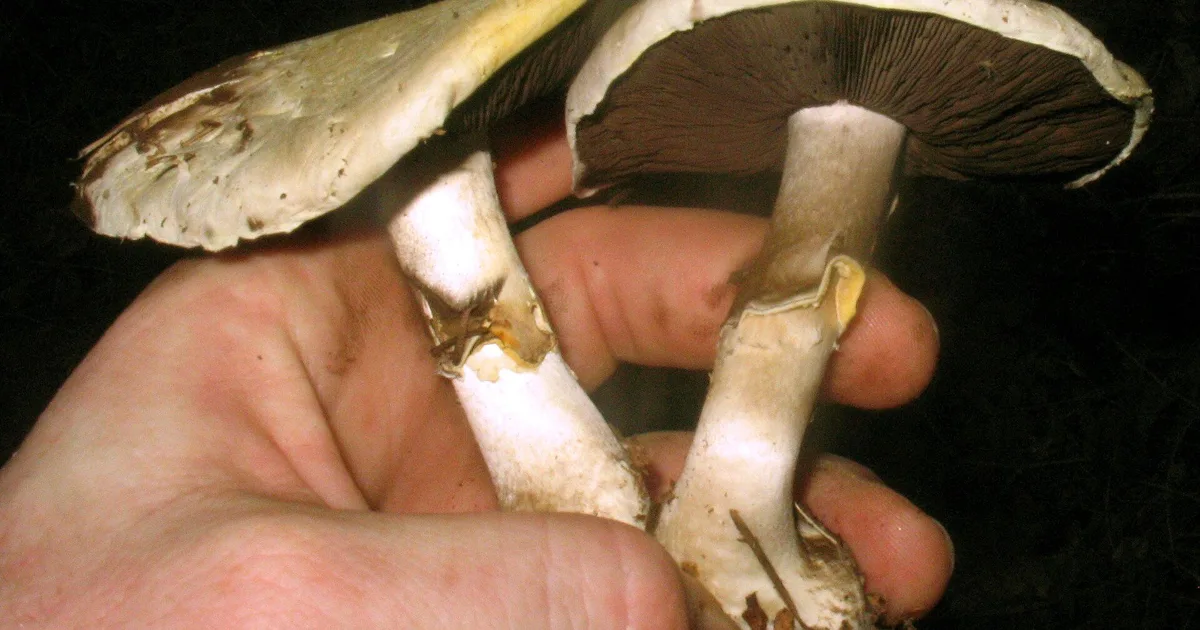
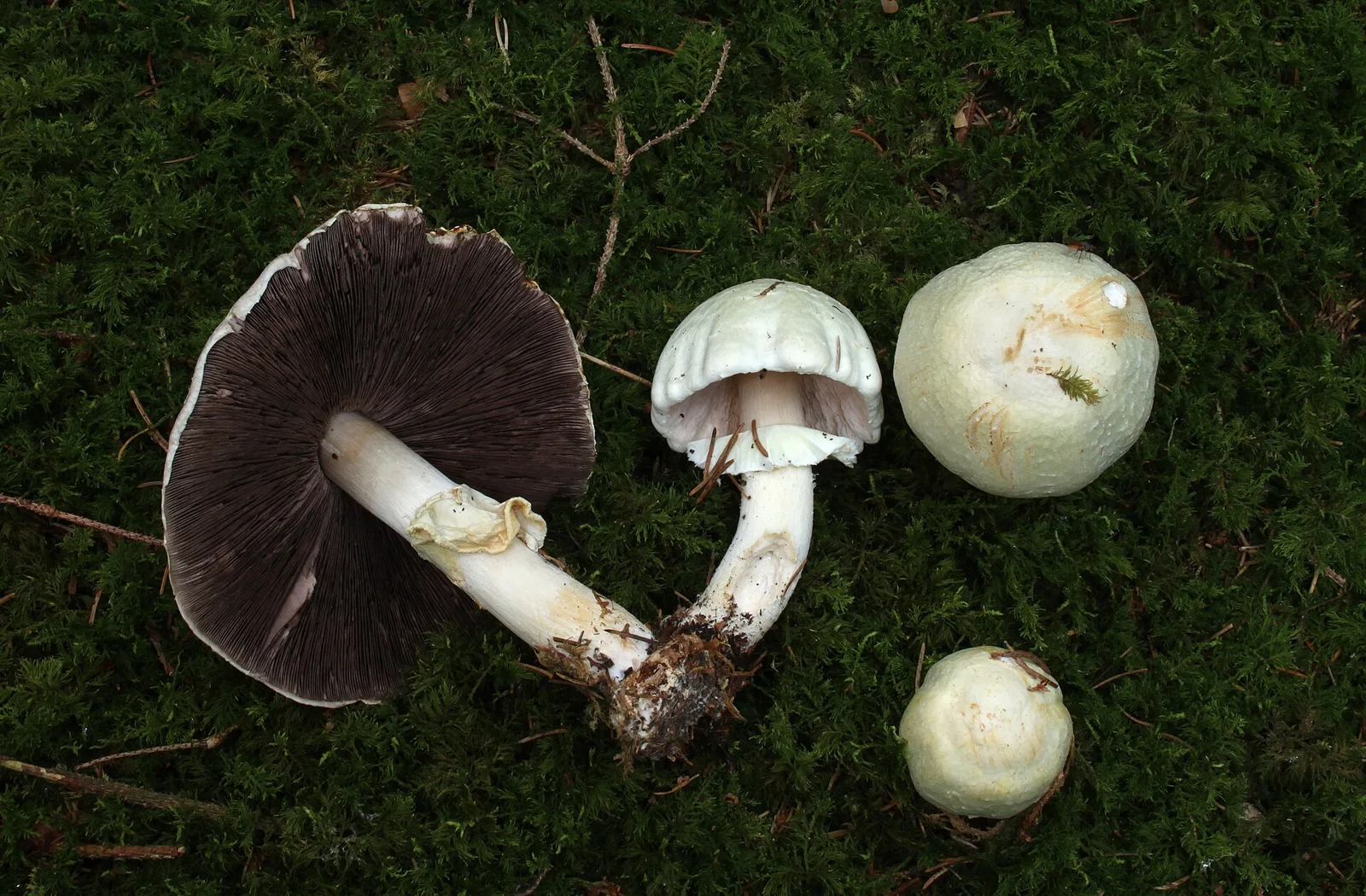
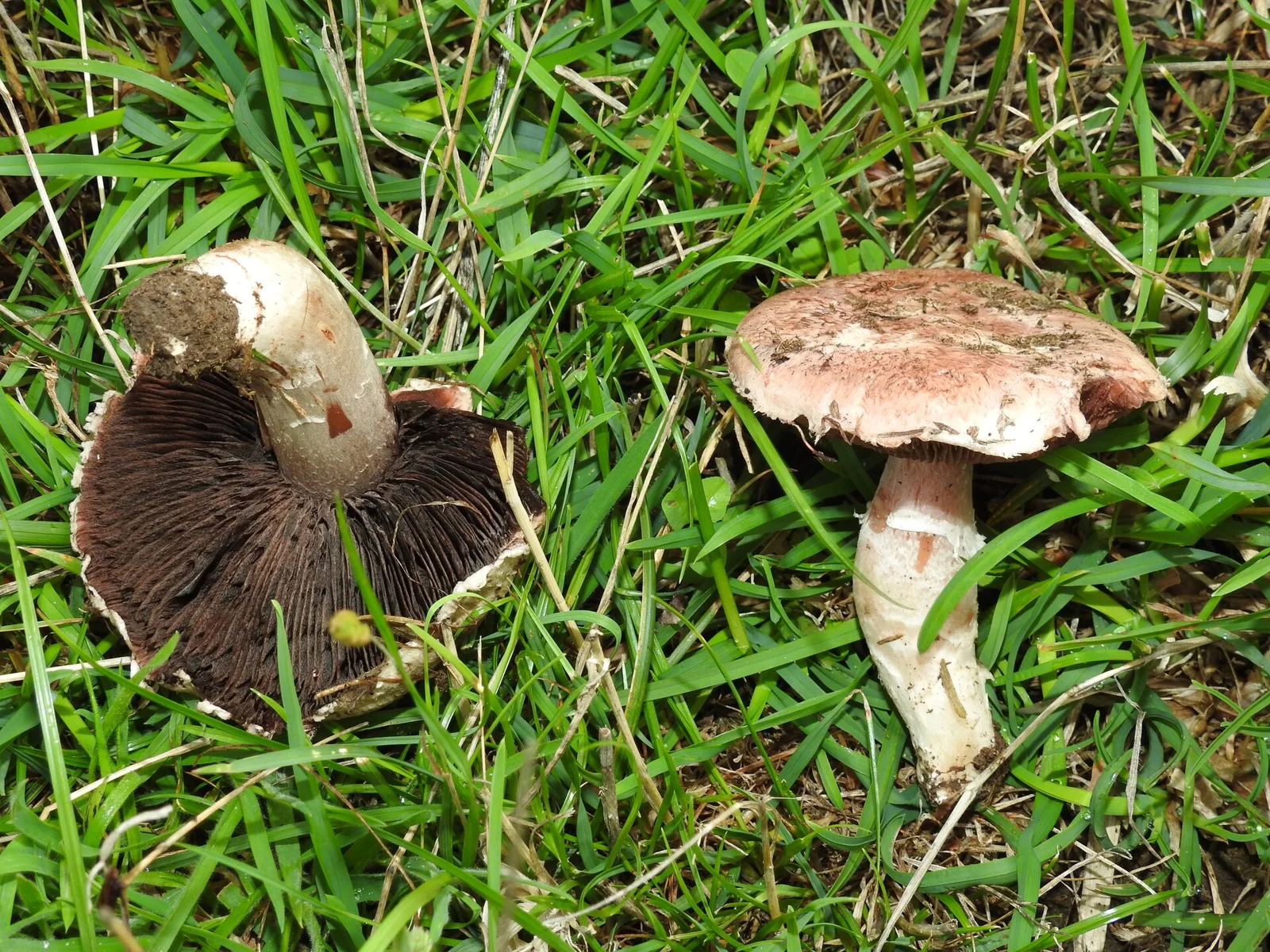
Agaricus cupreobrunneus, often called the wet mushroom or brown field mushroom, sports a brown cap that ranges from 3 to 10 cm (1–4 in) across. The cap surface is marked by flattened reddish‑brown fibrils, giving it a slightly textured look. The stalk is white, standing 2–7 cm tall and 1–2 cm wide. Under a microscope the spores appear dark brown, elliptical, and smooth, a characteristic shared with many members of the Agaricus genus.
How to Spot It in the Field
This species prefers disturbed, grassy environments such as lawns, pastures, and roadside verges. It may appear alone, in small groups, or in classic fairy‑ring formations. Because it thrives in open, sun‑lit spaces, you’ll often find it after a rain when the soil is moist – hence the nickname “wet mushroom.”
Look‑Alikes and Safety Tips
Agaricus cupreobrunneus resembles several other Agaricus species, especially A. campestris, A. argenteus, A. augustus, A. hondensis, A. porphyrocephalus, and A. rutilescens. The most important safety note is that the only poisonous look‑alikes are those that stain yellow or red when bruised, or that grow in markedly different habitats (e.g., woodlands rather than open fields). When foraging, always verify that the mushroom does not change color upon handling and that it was found in a typical grassy setting.
Culinary Profile
The wet mushroom is considered edible and “good” by foragers. Its flavor is comparable to the more common field mushroom A. campestris, though it is often described as having a softer texture. Notably, it lacks agaritine, a carcinogenic compound found in many other Agaricus species, making it a safer choice for those who enjoy wild‑collected fungi. While it is not yet cultivated on a large commercial scale, enthusiasts frequently harvest it where it occurs.
Current Cultivation Status
Unlike button mushrooms (A. bisporus) that dominate the market, A. cupreobrunneus remains a wild‑harvested species. Researchers have not yet developed reliable indoor or substrate‑based methods for mass production, likely due to its preference for open, disturbed soils and its relatively delicate texture. However, its absence of agaritine and pleasant taste keep it on the radar of experimental growers who aim to diversify mushroom crops.
Role in the Mushroom‑to‑Mars Vision
At Mushroom 2 Mars we explore how diverse fungi could support life‑support systems on other planets. While A. cupreobrunneus is not a primary candidate for large‑scale cultivation, its ability to thrive in nutrient‑poor, disturbed soils hints at potential resilience in extraterrestrial regolith that might be enriched with organic matter.
In the spirit of curiosity, imagine a future where the wet mushroom contributes a small but tasty part of a Martian menu.
Sources
This guide is not a foraging or identification manual. Many edible mushrooms have toxic look-alikes. Never eat a wild mushroom unless an expert has identified it in person.
This article was prepared with AI assistance from the sources listed above and approved by the Mushroom 2 Mars team before publication.