Part of the guide: Mycology: A Complete Guide to Fungi, Cultivation, and Safety
Taxonomic Roots and Historical Discovery
Agaricus pattersoniae was first described in 1907 by mycologist Charles Horton Peck. The specimens came from Stanford University, where a botany student named A. M. Patterson collected fruit bodies growing under pine and cypress trees. Peck originally spelled the specific epithet pattersonae; modern usage treats that spelling as an orthographic variant. The species belongs to the genus Agaricus, placed in the section Sanguinolenti when that section is recognized, or in the related section Nigrobrunnescentes when the two are separated.
Distinctive Morphology
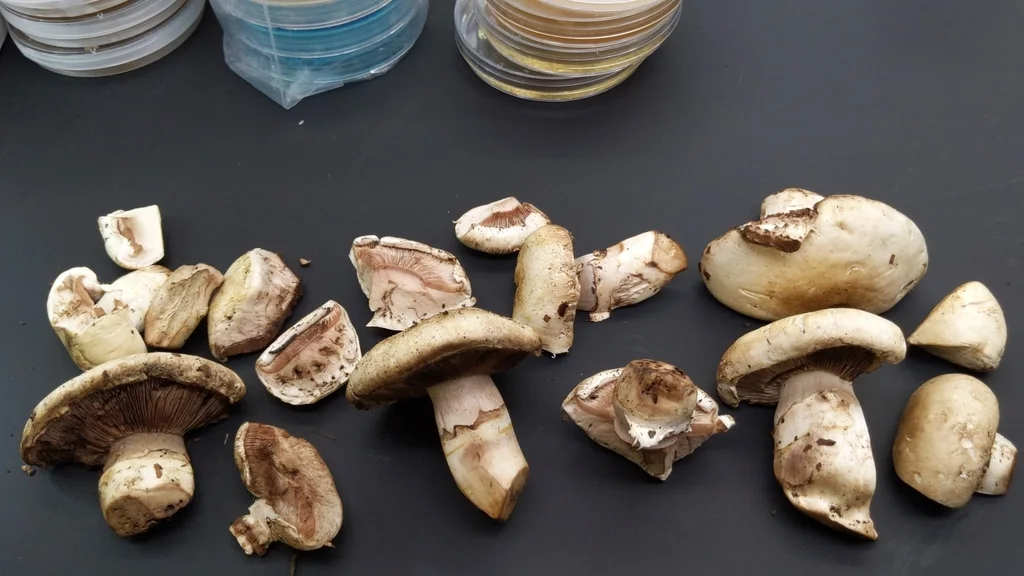
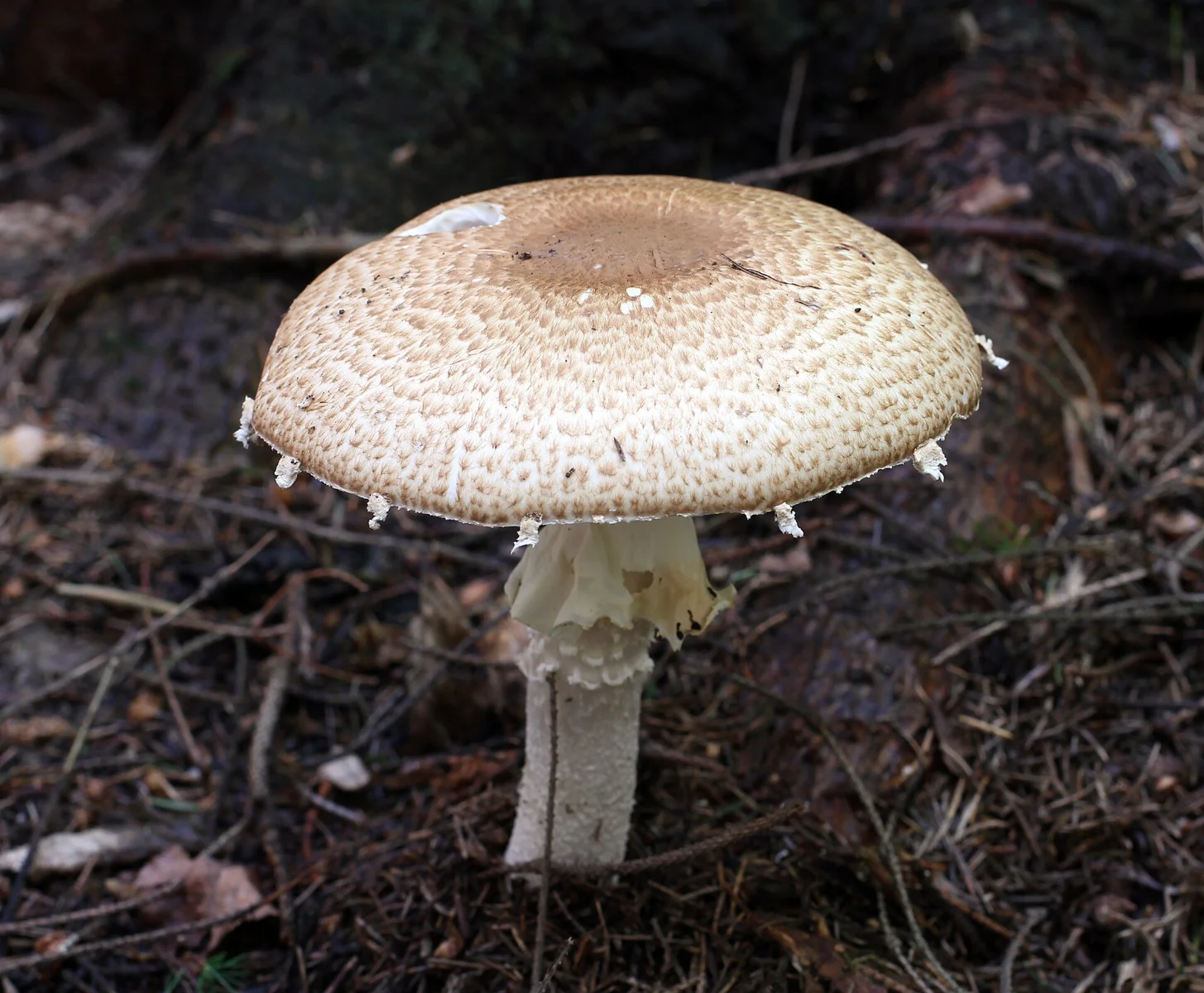
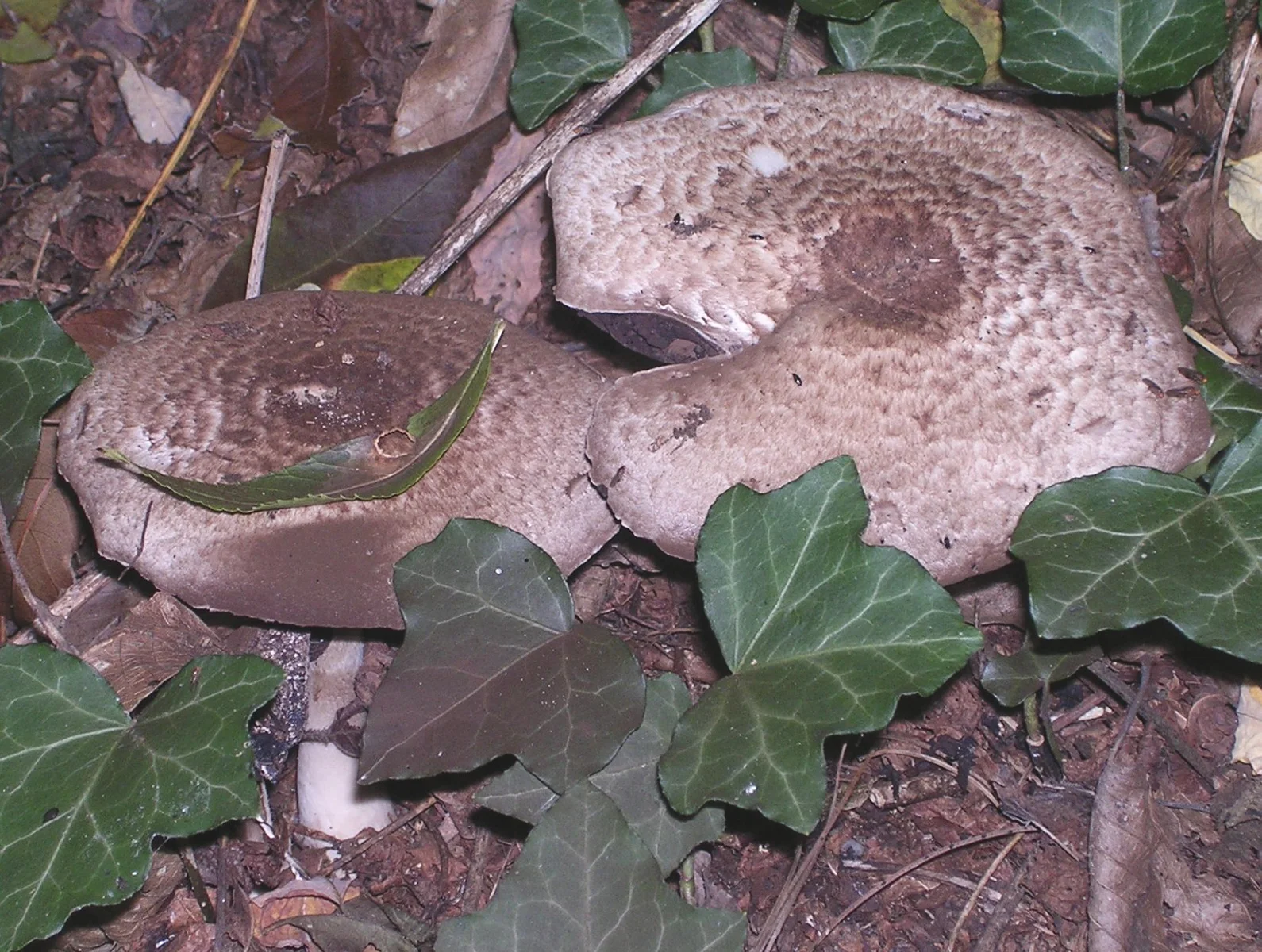
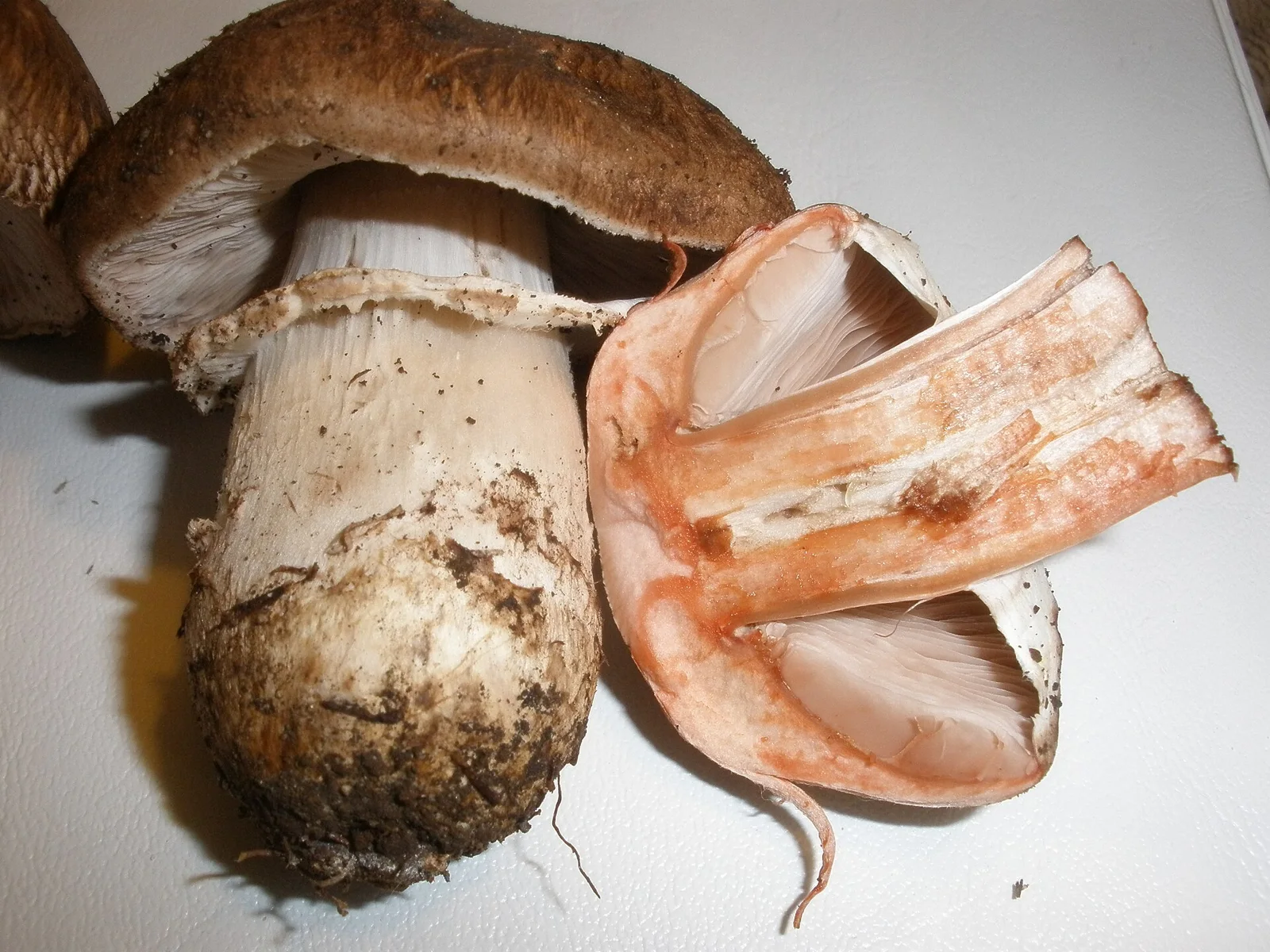
The mushroom is notable for its sizable cap, which ranges from 5 cm to 19 cm across. Young caps are almost hemispherical, later becoming broadly convex and eventually flattening with upturned edges. The dry surface starts smooth but develops dark brown, appressed scales as the fungus matures. The flesh is firm, white, and turns a deep red within 20–30 seconds of bruising. Freshly cut specimens emit a mild, faintly spicy odor that can shift to a fruity note after a few minutes.
The gills are free, tightly spaced, and transition from a light‑cinnamon hue in youth to a dark black‑brown as spores mature. Bruised gills acquire a wine‑red (vinaceous) tint. The stipe measures 8–18 cm long and 2.5–4 cm thick, often bulbous at the base with a hollow interior. Its surface is smooth below the annulus and only faintly striate above. When the partial veil ruptures, small fragments (2–3 mm) may cling to the cap margin. Spores are elliptical, about 7–8.5 µm by 5.5–6.5 µm, while basidia are typically four‑spored during active sporulation.
Habitat Tied to Cypress Trees
Agaricus pattersoniae forms a close ecological partnership with the Monterey cypress (Hesperocyparis macrocarpa). It fruits singly or in small groups on mature cypress trunks, especially those older than 40 years, in California’s coastal counties. Although some older reports mention occurrences in the Great Lakes region, the strongest evidence points to a California‑centric distribution. The mushroom’s reliance on old cypress trees makes it vulnerable: habitat loss, prolonged drought, and cypress canker disease caused by Seiridium cardinale all threaten its survival. The type locality on Stanford’s campus has lost its cypress hosts, prompting proposals to list the species on the IUCN Red List of Threatened Species as part of the Global Fungal Red List Initiative.
Edibility and Culinary Potential
Field guides describe the flavor of A. pattersoniae as mild, pleasant, and slightly sweet. While it is reported as edible, any foraging should be undertaken only by experts who can reliably differentiate it from toxic Agaricus relatives. When cooking, treat it like other cultivated Agaricus mushrooms: clean with a damp cloth, slice, and sauté in butter or oil until the flesh turns opaque and reaches at least 74 °C (165 °F) to ensure safety. Simple preparations such as a mushroom‑and‑herb risotto or a sautéed side dish let the subtle sweetness shine without requiring complex techniques.
Conservation Outlook
Because A. pattersoniae depends on aging cypress ecosystems, protecting its habitat is essential. Conservation actions include preserving mature cypress stands, managing water resources to mitigate drought stress, and monitoring for cypress canker outbreaks. Citizen‑science initiatives that document mushroom appearances can help map its current range and inform IUCN assessments. Supporting native‑tree restoration projects indirectly benefits the fungus by providing future host trees.
From Earth to Mars: A Glimpse of Future Fungi
The study of specialized Earth fungi like Agaricus pattersoniae informs the broader goal of cultivating resilient mushrooms on other planets—an idea at the heart of the Mushroom 2 Mars project, which envisions growing edible fungi in extraterrestrial habitats.
Sources
This guide is not a foraging or identification manual. Many edible mushrooms have toxic look-alikes. Never eat a wild mushroom unless an expert has identified it in person.
This article was prepared with AI assistance from the sources listed above and approved by the Mushroom 2 Mars team before publication.