Part of the guide: Mycology: A Complete Guide to Fungi, Cultivation, and Safety
The Royal Appearance of Agaricus augustus
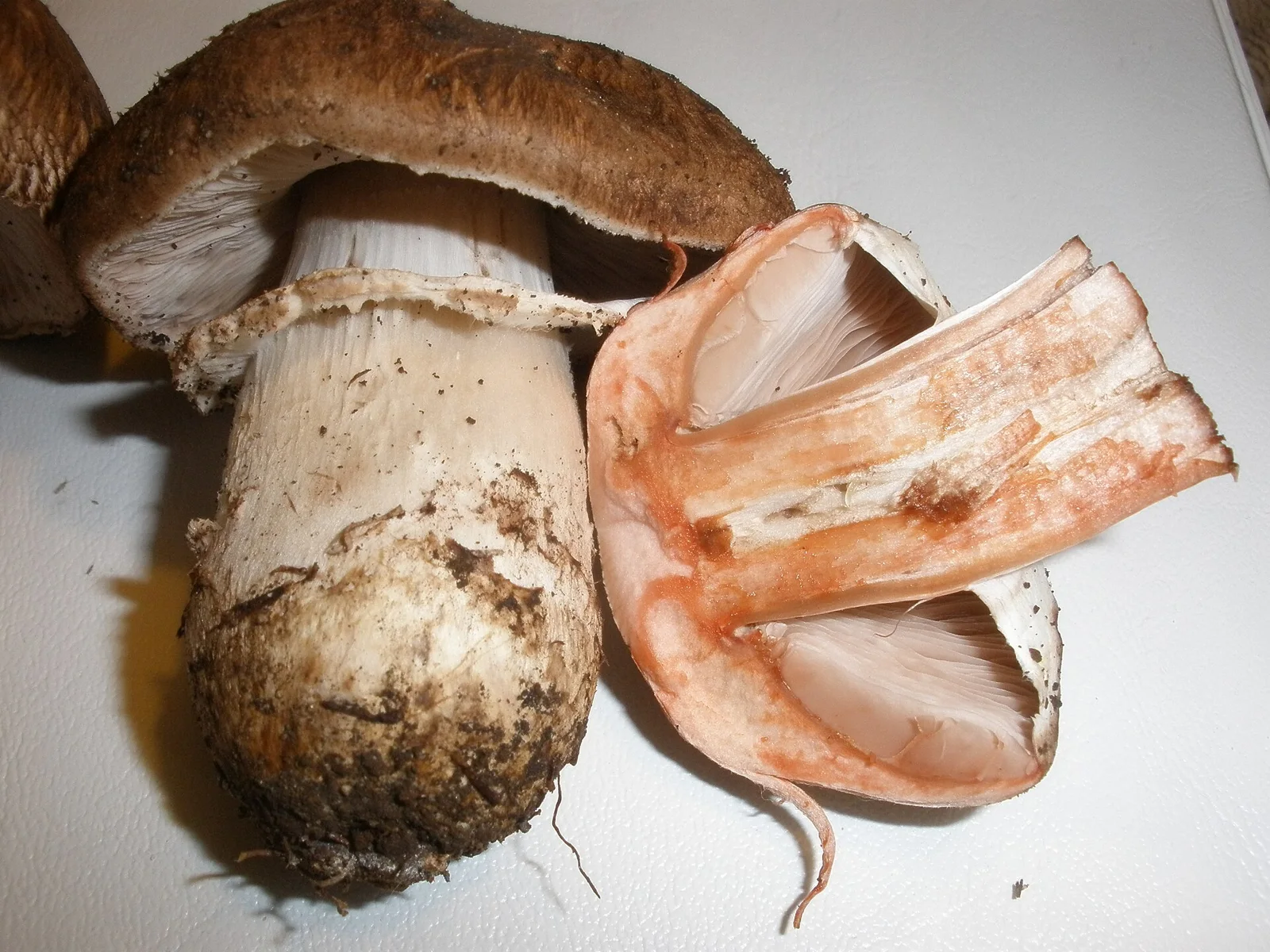
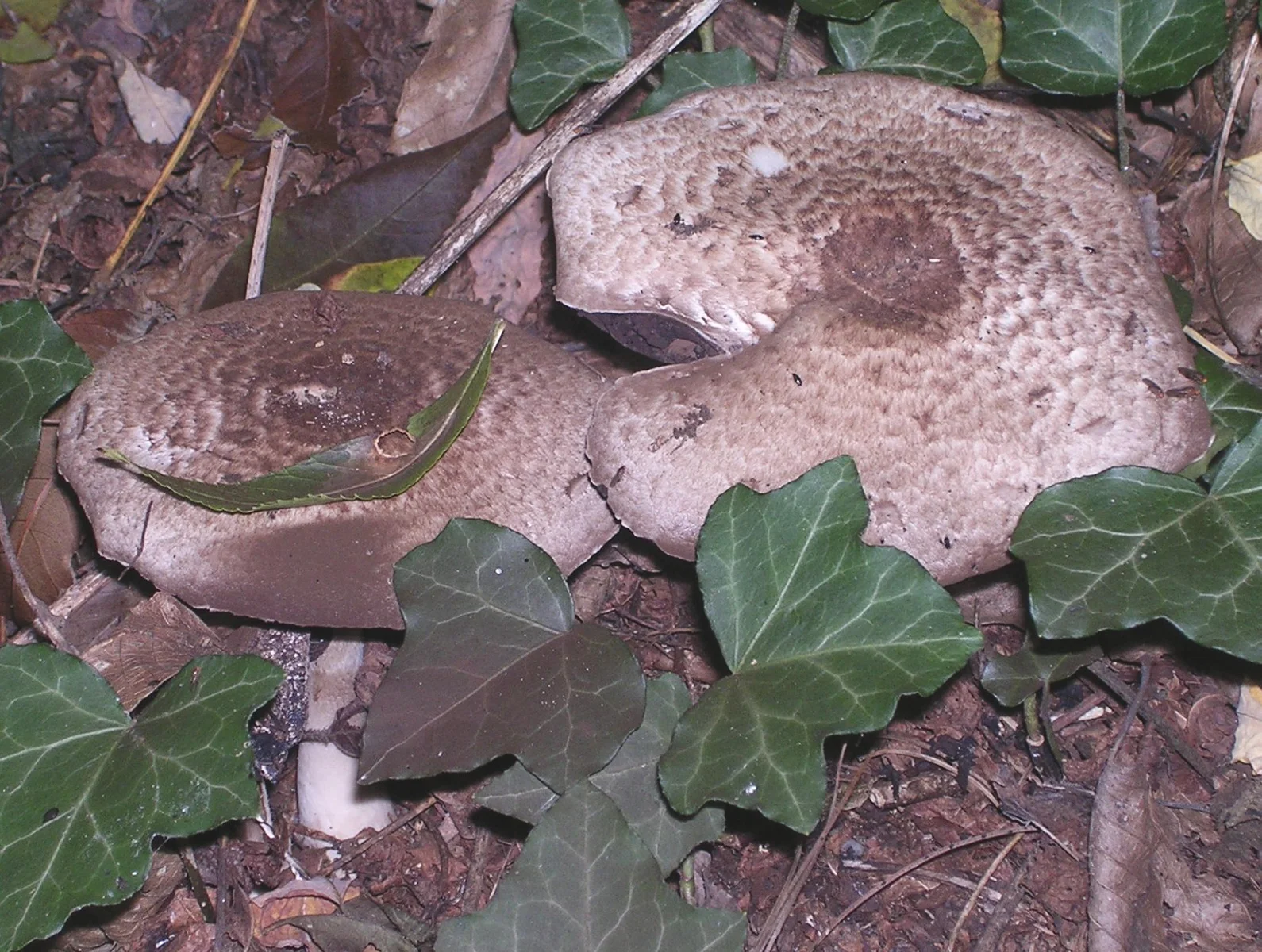
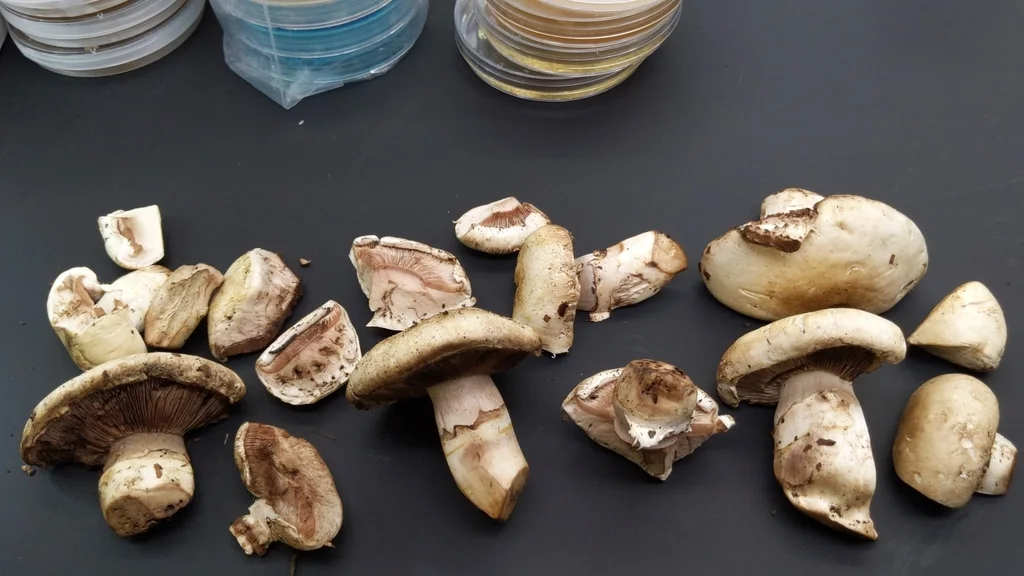
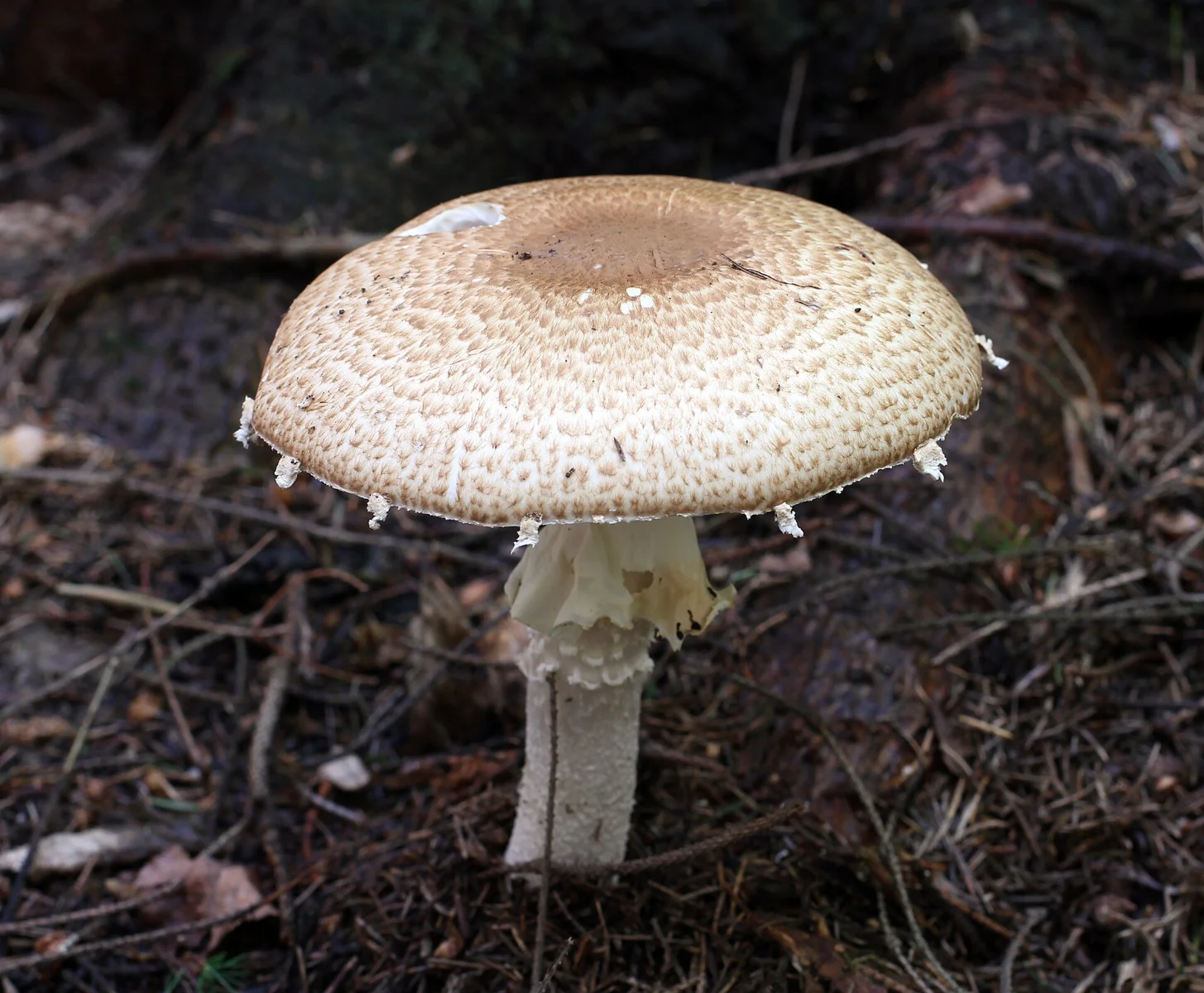
Agaricus augustus, often called the prince mushroom, is a large, striking agaric. Young caps start hemispherical, then expand to a flat, 8–30 cm (3–12 in) diameter. The dry surface is covered with dense, concentric brown scales over a white‑to‑yellow background, giving it a regal, patterned look. Its thick, firm flesh stays white but may turn yellow when bruised. The gills begin pale, shift to pink, and finally darken to chocolate brown as the mushroom matures, and they are free—not attached to the stem. A delicate white partial veil with darker warts stretches from stem to cap edge in young specimens, later tearing to leave a pendulous ring on the stem.
Taxonomy and Naming
The species belongs to the genus Agaricus and falls within the subgenus Flavoagaricus (section Majores, subsection Flavescentes) according to modern classifications. Historically, Heinemann placed it in section Arvenses. Two varieties have been noted: A. augustus var. augustus and var. perrarus. The Latin epithet augustus translates to “noble,” reflecting its impressive size and appearance.
Habitat and Global Distribution
Prince mushrooms are saprotrophic, feeding on decaying organic matter in humus‑rich soils. They appear in both deciduous and coniferous woods, garden beds, and even roadside verges—often thriving in disturbed ground near human activity. Their range is truly cosmopolitan: Europe, Africa, Asia, and North America all host populations. In Europe they fruit in late summer and autumn, while in North America they can be found from April through December, depending on local climate.
Distinguishing Features and Look‑Alikes
Key identification cues include: - Large cap with brown scales on a light background - Strong, sweet almond‑like aroma (benzaldehyde and benzyl alcohol) - Free gills that transition from pink to dark brown - A persistent ring on the stem after the veil tears - Positive Schaeffer’s test (red reaction) and yellowing of the cap cuticle with a 10 % KOH solution
Beware of toxic doppelgangers. Some Amanita species bruise yellow and emit unpleasant odors, while Agaricus moelleri is another look‑alike that can cause gastrointestinal upset. Always verify multiple traits before handling any wild mushroom.
Nutritional Aspects and Cadmium Concern
While A. augustus is considered a choice edible, research has shown it can accumulate cadmium, a heavy metal. A Swiss study reported an average of 2.44 mg cadmium per kilogram of fresh mushroom, with the highest concentrations in the hymenium (gill surface) and lower amounts in the stem base. Levels vary with soil contamination and proximity to industrial sites. Because of this, experts advise eating only modest portions and never consuming the mushroom raw. Cooking reduces the risk of food‑borne illness and can help degrade some heat‑sensitive compounds.
Simple, Safe Cooking Method
Below is a straightforward sauté recipe that highlights the mushroom’s nutty aroma while ensuring it is fully cooked.
Ingredients - 300 g fresh Agaricus augustus caps and stems, cleaned with a damp cloth (no water soaking) - 2 Tbsp olive oil or clarified butter - 1 small shallot, finely diced - 1 clove garlic, minced (optional) - Salt and freshly ground black pepper to taste - A splash of dry white wine or vegetable broth (optional) - Fresh parsley, chopped, for garnish
Steps 1. Slice the mushroom caps and stems into ½‑inch pieces. 2. Heat the oil in a skillet over medium‑high heat until shimmering. 3. Add the shallot (and garlic, if using); sauté 1‑2 minutes until translucent. 4. Increase the heat to high, add the mushroom slices, and spread them in a single layer. Let them sear without stirring for 2‑3 minutes to develop a golden crust. 5. Stir, then continue cooking 4‑5 minutes until the pieces are browned and the moisture has evaporated. 6. If desired, deglaze with a splash of wine or broth, letting it reduce. 7. Season with salt, pepper, and parsley. Serve hot as a side dish or tossed with pasta.
Safety note: Always cook A. augustus thoroughly; raw consumption is not recommended.
From Forest Floors to Future Farms
The adaptability of Agaricus augustus—thriving in diverse soils and near human disturbance—makes it an interesting candidate for controlled cultivation. As mushroom‑based food systems are explored for long‑duration space missions, understanding the growth habits of robust species like the prince mushroom helps inform sustainable food production beyond Earth, perhaps one day on Martian habitats.
Sources
This guide is not a foraging or identification manual. Many edible mushrooms have toxic look-alikes. Never eat a wild mushroom unless an expert has identified it in person.
This article was prepared with AI assistance from the sources listed above and approved by the Mushroom 2 Mars team before publication.