Choosing the Right Location and Orientation
A sunny spot with minimal shading is essential for a solar‑powered shed. Position the roof panels facing true south (in the northern hemisphere) or true north (in the southern hemisphere) to capture the most daylight. According to the U.S. Department of Energy, a tilt angle equal to the latitude plus 15° maximizes winter production, while a flatter angle favors summer output. Clear any nearby trees or structures that could cast shadows during peak sun hours.
Sizing the Solar Array and Battery Storage
Calculate the shed’s daily energy demand by adding the power needs of fans, LED grow lights, and climate‑control devices. A typical 1‑m² mushroom grow room uses about 100‑150 W for ventilation and 40‑60 W for lighting, running roughly 12 hours per day. Multiplying these figures gives an estimated 2–3 kWh per day. A 300‑W solar panel produces about 1.2 kWh on an average sunny day, so a small array of two to three panels, paired with a 12‑V deep‑cycle battery bank of 100 Ah, provides a reliable buffer for cloudy periods.
Ventilation: Fans and Airflow Management
Mushrooms require fresh air exchange to prevent CO₂ buildup, which can stall fruiting. Install low‑speed, brushless DC fans (12‑24 V) that run directly from the solar system. Variable‑speed controllers let you adjust airflow based on temperature and humidity sensors. Place intake vents near the floor and exhaust vents near the ceiling to promote natural convection, a design highlighted in a 2023 guide from the International Mushroom Institute.
Lighting: Energy‑Efficient LEDs
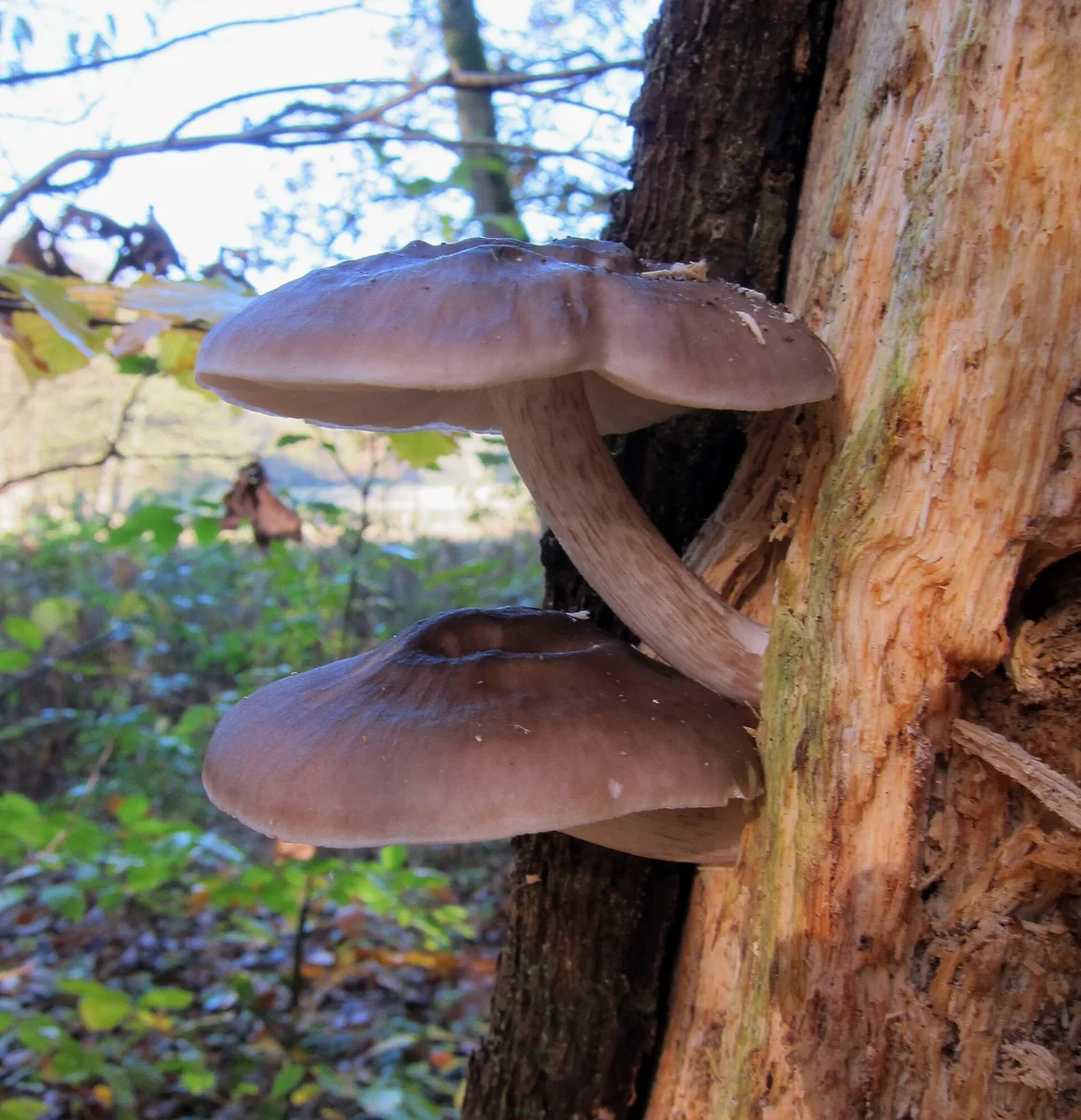
While many cultivated species, such as oyster (Pleurotus) and king oyster (Pleurotus eryngii), can fruit in low‑light conditions, supplemental lighting improves yield and uniformity. Full‑spectrum LED strips consume 10‑15 W per foot and emit minimal heat, making them ideal for solar setups. Mount the strips on the interior walls, spaced 12‑18 inches apart, and set a timer for 12‑16 hours of light during the fruiting phase.
Temperature and Humidity Control
A small, insulated shed can maintain stable temperatures with minimal heating. For cooler climates, a 12‑V electric heater (around 150 W) can be powered intermittently from the battery bank. To raise humidity, use a misting system driven by a low‑voltage pump; the pump can be run during off‑peak solar hours and stored in a reservoir. Hygrometers and thermostats linked to a simple microcontroller (e.g., Arduino) allow automated regulation, keeping conditions within the 85‑95 % RH range many species prefer.
Building the Structure: Materials and Insulation
Use reclaimed wood or metal framing for the shed’s skeleton, and line the interior with a reflective Mylar sheet to bounce light and reduce heat loss. Polyethylene sheeting (6‑mil) works well as a vapor barrier, while a layer of rigid foam board (½‑inch) provides insulation without adding excessive weight. Ensure all electrical components are sealed in waterproof junction boxes to protect against condensation.
Connecting to Mars: A Glimpse of Future Farming
Designs like this solar‑powered mushroom shed serve as low‑maintenance prototypes for off‑world agriculture, where renewable energy and compact life‑support systems will be crucial for feeding future Martian explorers.
Sources
- Solar Photovoltaic System Design Guide
- Ventilation Requirements for Mushroom Production
- LED Lighting for Fungi Cultivation
This article was prepared with AI assistance from the sources listed above and approved by the Mushroom 2 Mars team before publication.