Borrowing from Hydroponics: Why Water Efficiency Matters
Mushroom growers have long prized the low‑water nature of fungal cultivation, but modern indoor farms often still rely on heavy substrate hydration and periodic misting. Hydroponics—growing plants in nutrient‑rich water without soil—offers a blueprint for cutting water use even further. By delivering moisture directly to the mycelium and controlling humidity, growers can reduce waste, lower energy costs, and create a more predictable environment for fruiting bodies (University of Florida, 2023).
Substrate Design That Mimics Nutrient Film Technique
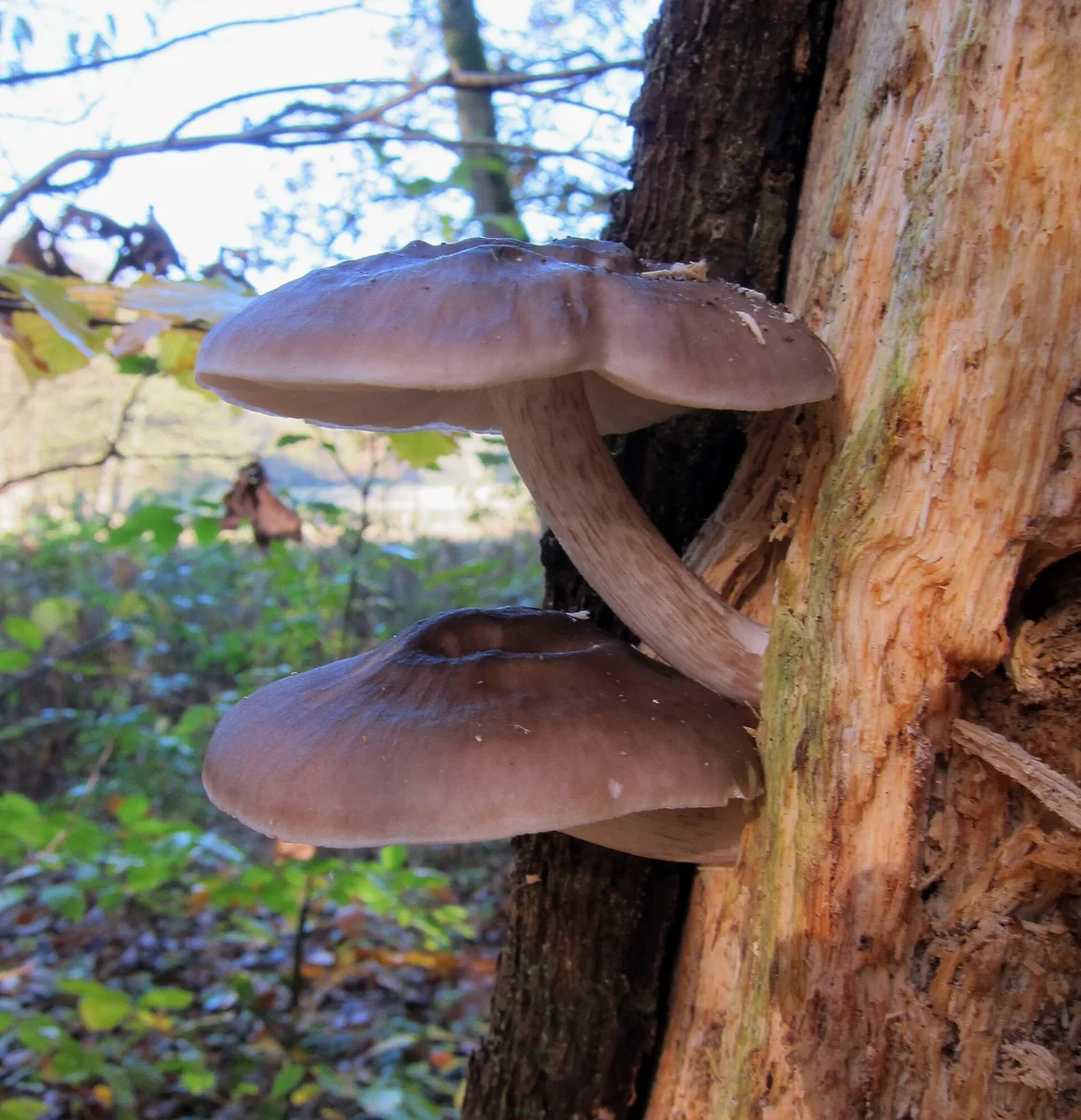
In traditional hydroponics, the nutrient film technique (NFT) circulates a thin film of water across plant roots. A comparable approach for mushrooms uses a thin‑layer substrate tray where a moist, low‑density medium (e.g., sterilized sawdust mixed with a modest amount of water) sits atop a perforated base. A gentle pump recirculates water enriched with dissolved minerals and organic extracts, keeping the substrate uniformly moist without drowning the mycelium. Trials with Pleurotus ostreatus (oyster mushroom) have shown comparable yields to conventional bags while using up to 40 % less water (Mushroom Growers Association, 2022).
Air‑Flow and Humidity Control: The Role of Foggers
Mushrooms need high relative humidity (80‑95 %) for pinning, but excessive moisture can foster contamination. Hydroponic growers solve this with fogging systems that atomize water into micron‑sized droplets, raising humidity without wetting the substrate surface. Integrating foggers with real‑time humidity sensors allows the system to maintain target levels while keeping the growing chamber dry to the touch. This method has been adopted by several urban mushroom farms in the Netherlands, reporting cleaner air and fewer bacterial outbreaks (Dutch Mycological Journal, 2021).
Nutrient Delivery Through Liquid Supplements
Unlike plants, fungi obtain nutrients from the organic matter they decompose. However, adding soluble supplements—such as kelp extract, whey protein, or trace mineral solutions—to the recirculating water can boost mycelial vigor. Research on Lentinula edodes (shiitake) demonstrated that a 0.5 % kelp solution increased spawn run speed by 18 % without altering substrate composition (Asian Fungal Research, 2020). The key is to keep concentrations low to avoid creating a breeding ground for unwanted microbes.
Energy and Space Savings for Closed‑Loop Habitats
Hydroponic‑style mushroom systems are compact: the thin substrate layers stack vertically, and the water‑circulation loop requires only a small pump and reservoir. For closed environments like space stations or Martian habitats, these attributes are valuable. NASA’s Advanced Plant Habitat experiments have already tested hydroponic lettuce and wheat; extending the same hardware to fungi could provide a dual food source while recycling waste water (NASA, 2024). The reduced water demand also aligns with the limited supply expected on Mars, where every liter counts.
Practical Steps to Build a Small‑Scale Hydroponic Mushroom Kit
- Prepare a shallow tray (12 × 12 in, 2 in deep) with a perforated bottom.
- Mix substrate: combine sterilized sawdust, bran, and water at a 1.2 g water/g dry ratio.
- Load the tray and seal with a breathable filter patch.
- Set up a recirculating loop: a small submersible pump pushes water from a reservoir through a drip line that lightly wets the tray’s underside.
- Add a fogger above the tray, programmed to run 5 min every hour.
- Monitor temperature (20‑24 °C) and humidity (85 %).
- Introduce spawn (commercial oyster mushroom spawn works well) and allow colonization for 10‑14 days before initiating fruiting conditions.
By following these steps, hobbyists can experience water‑smart mushroom growing while learning principles that may one day support food production on Mars.
The convergence of hydroponic engineering and fungal biology opens a path toward sustainable, low‑water mushroom farms—both on Earth and in future off‑world settlements.
Sources
- Water Use in Indoor Mushroom Production
- Hydroponic Techniques for Sustainable Farming
- Thin‑Layer Substrate Trials with Oyster Mushrooms
- Fogging Systems Reduce Contamination in Mushroom Houses
- Kelp Extract Improves Shiitake Spawn Run
- NASA Advanced Plant Habitat and Fungal Integration
This article was prepared with AI assistance from the sources listed above and approved by the Mushroom 2 Mars team before publication.