What Makes a Mushroom Sauce Unique
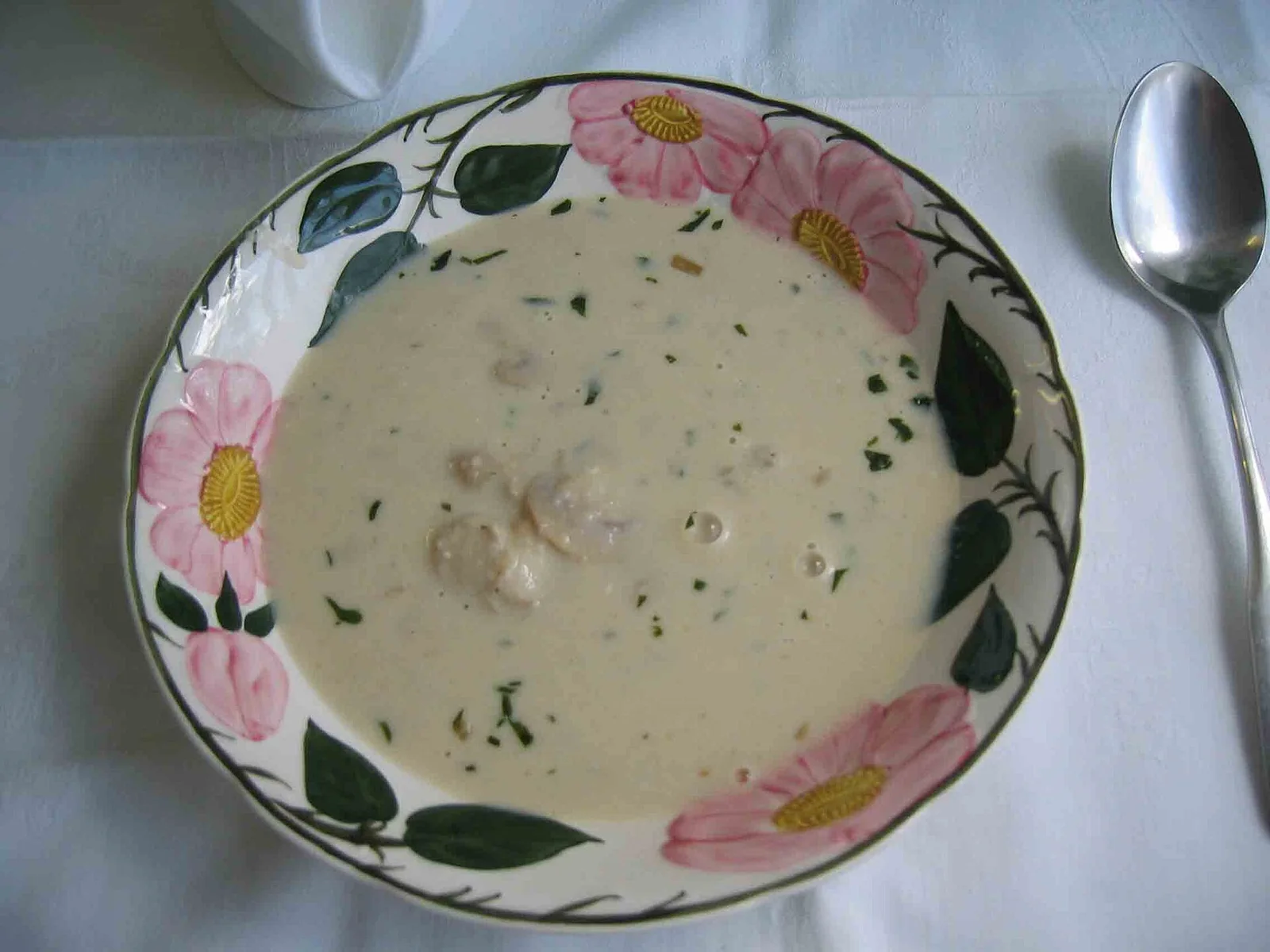
Mushroom sauce is defined by the presence of mushrooms as the star ingredient, usually combined with a liquid base such as cream, butter, or oil. The sauce can be finished as a light, white allemande‑style version or a richer brown gravy, depending on the cooking method and added aromatics. Its versatility lets it accompany meat, poultry, pasta, or vegetables, and some chefs even pair it with delicate fish fillets.
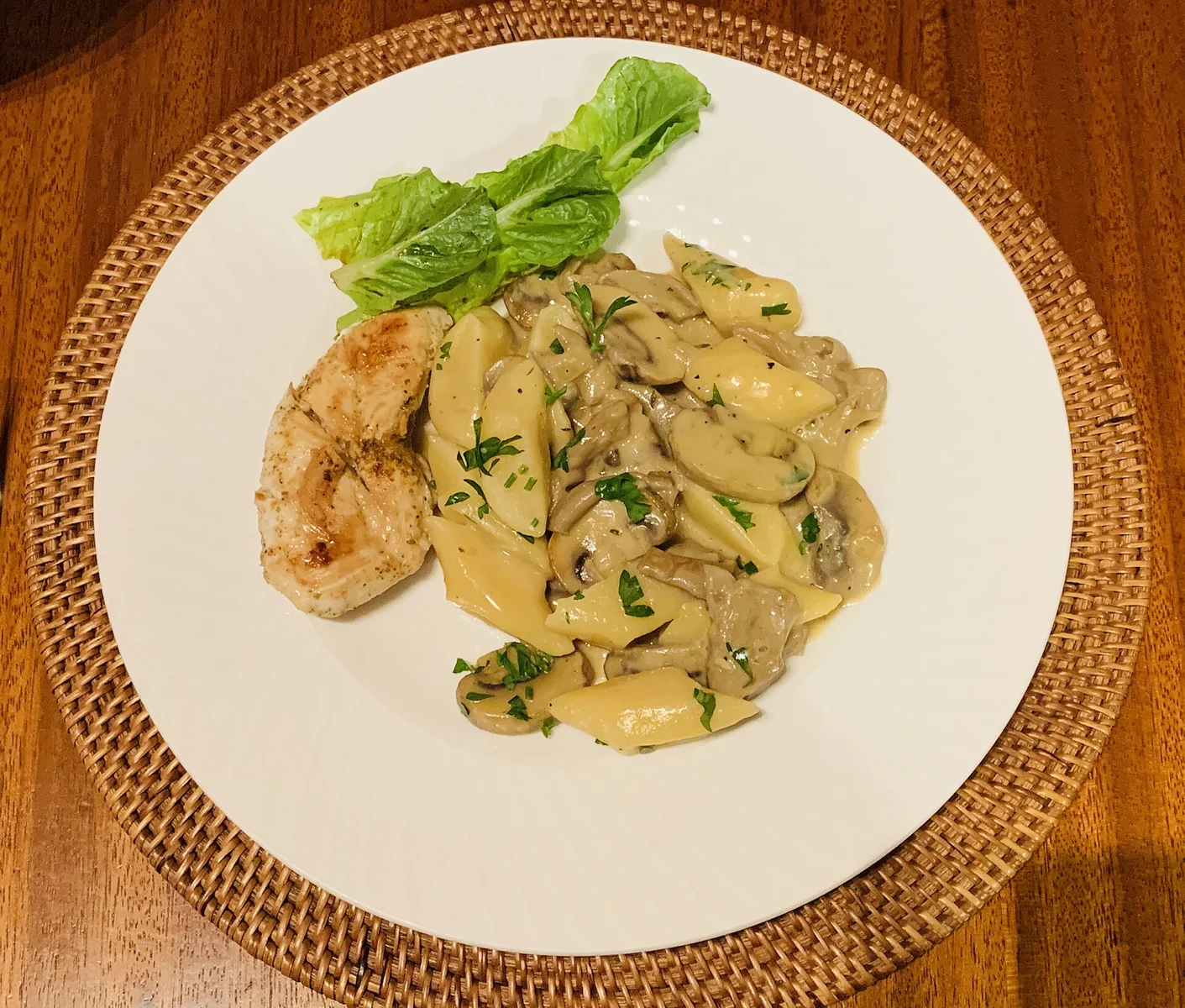
Core Ingredients and Their Roles
| Ingredient | Typical Role |
|---|---|
| Fresh mushrooms (e.g., button, cremini, oyster) | Provide earthy flavor and texture |
| Butter or olive oil | Fat for sautéing and flavor development |
| Cream, milk, or stock | Forms the liquid backbone; cream yields a velvety white sauce, stock leans toward brown |
| Wine (white or mellow red) | Adds acidity and depth |
| Flour (optional) | Thickens the sauce when a roux is made |
| Herbs & aromatics (shallot, garlic, parsley, basil) | Layered flavor nuances |
| Salt & pepper | Basic seasoning |
Using high‑quality mushrooms and fresh aromatics makes a noticeable difference. Canned mushrooms work in a pinch, but they lack the firm bite of fresh varieties.
Step‑by‑Step Classic Creamy Mushroom Sauce
Servings: 4‑6
- Prepare the mushrooms – Clean them with a damp cloth, slice uniformly (about ¼ inch thick). Reserve a few whole caps for garnish if desired.
- Sauté aromatics – In a medium skillet, melt 2 Tbsp butter over medium heat. Add 1 finely chopped shallot and 1 minced garlic clove; cook 2‑3 minutes until translucent.
- Cook the mushrooms – Add the sliced mushrooms, spreading them in a single layer. Let them brown without stirring for 3‑4 minutes, then stir and continue cooking until most moisture evaporates (about 5‑6 minutes total).
- Deglaze – Pour in ½ cup dry white wine, scraping the pan bottom to release caramelized bits. Reduce by half, roughly 2‑3 minutes.
- Create the base – Sprinkle 1 Tbsp flour over the mushrooms, stir quickly to coat, and cook 1 minute to eliminate raw flour taste. Gradually whisk in 1 cup low‑fat milk or half‑and‑half, then ½ cup heavy cream for richness. Simmer gently, stirring, until the sauce thickens (3‑4 minutes).
- Season – Add salt, freshly ground black pepper, and a squeeze of lemon juice (optional) to brighten the flavor. Finish with 1 Tbsp chopped fresh parsley.
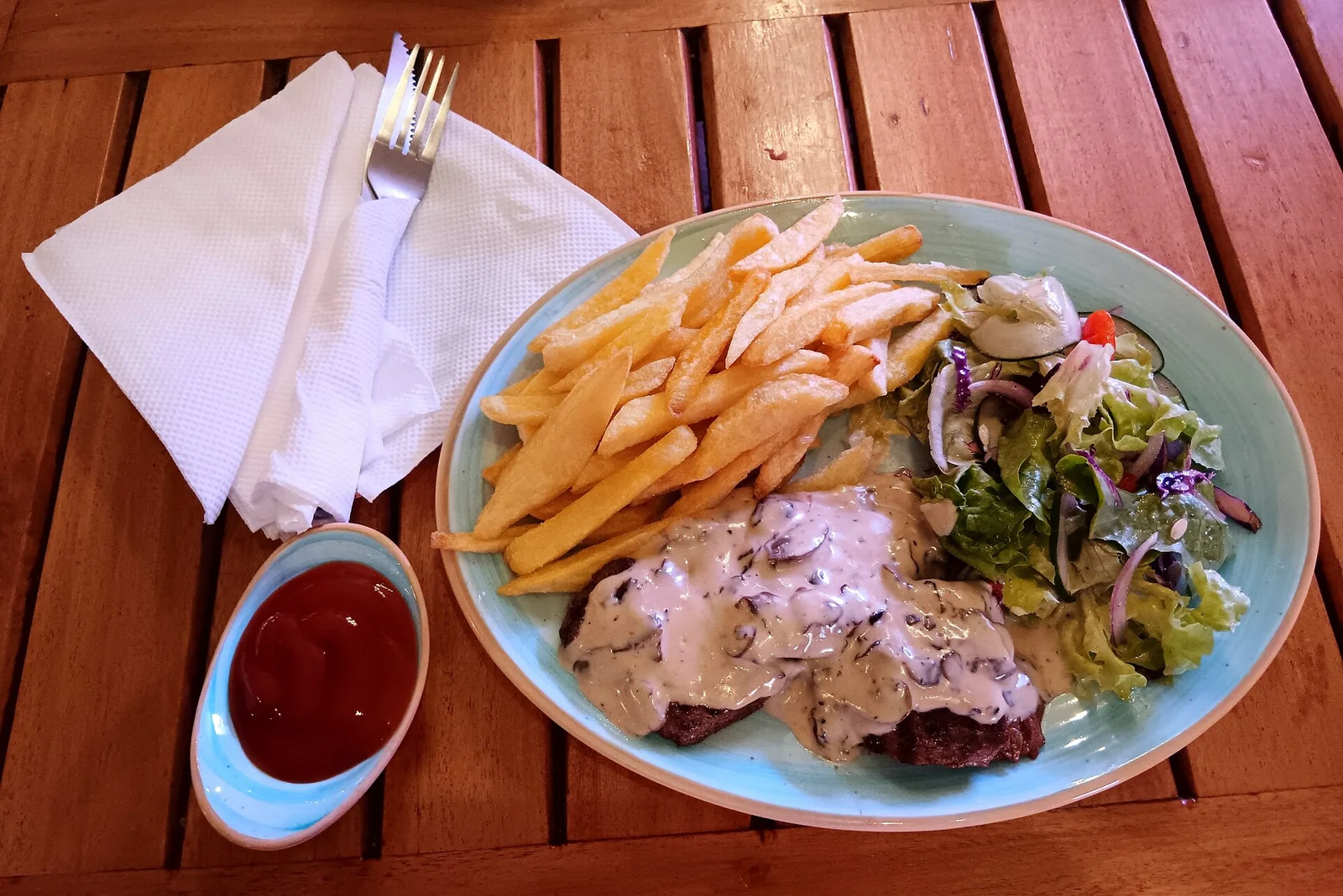
- Serve – Spoon over grilled chicken, steak, or tossed pasta. Garnish with the reserved whole mushroom caps for visual appeal.
Safety tip: Always cook mushrooms thoroughly; raw mushrooms can contain heat‑labile compounds that are reduced by proper heating.
Brown Mushroom Gravy Variant
For a heartier, darker sauce, swap the cream for beef or chicken stock and use a deeper‑colored wine (such as a mellow red). After sautéing the mushrooms, add 1 Tbsp tomato paste for color, then proceed with the stock and a slurry of flour and water to thicken. Finish with a dash of Worcestershire sauce for umami depth.
Historical Glimpse
Mushroom sauces have been on kitchen tables for centuries. An 1864 American cookbook documented two distinct recipes: a sauce tournee (a white, velvety preparation) and a brown gravy version. Even President Dwight D. Eisenhower, known for his love of steak, reportedly favored mushroom sauce as a steak accompaniment, illustrating its long‑standing appeal in classic American fare.
Adapting the Sauce for Different Diets
- Vegan version: Replace butter with olive oil, use coconut cream or oat‑based cream, and thicken with a cornstarch slurry instead of flour.
- Gluten‑free: Omit flour and use a mixture of cornstarch and water (1 tsp cornstarch + 2 tsp cold water) to achieve similar thickness.
- Low‑fat: Skip the cream, use skim milk, and finish with a teaspoon of Greek yogurt for a tangy, silky texture.
Each adaptation retains the mushroom’s characteristic umami while meeting dietary preferences.
Pairing Ideas and Serving Suggestions
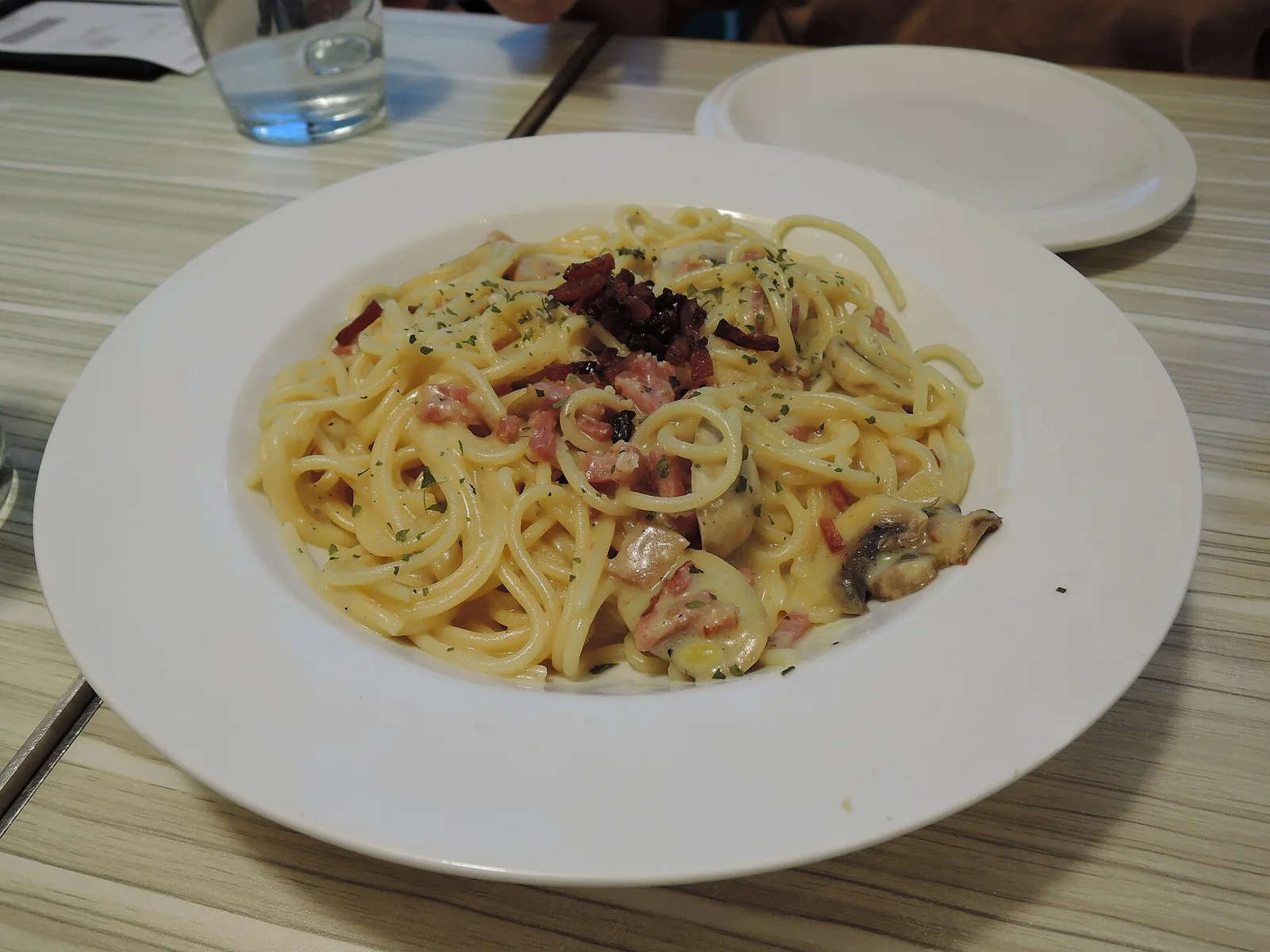
Mushroom sauce shines when paired with: - Grilled or pan‑seared meats: Beef filet, pork tenderloin, or chicken thighs. - Pasta dishes: Toss with fettuccine, pappardelle, or gluten‑free noodles for a quick dinner. - Vegetable medleys: Drizzle over roasted cauliflower, asparagus, or a medley of root vegetables. - Fish: Lightly seared white fish (e.g., cod) benefits from a modest splash of the white‑based sauce.
A final drizzle of truffle oil or a sprinkle of toasted pine nuts can elevate the dish for special occasions.
From Kitchen to Cosmos
While you enjoy this comforting mushroom sauce on Earth, imagine a future where similar recipes are prepared in space habitats—supporting the dreams of projects like Mushroom 2 Mars that aim to grow fungi on the Red Planet.
Sources
Only eat mushrooms you bought from a trusted seller or grew yourself. Never eat a wild mushroom unless an expert has identified it. Cook mushrooms thoroughly and check ingredients for allergies.
This article was prepared with AI assistance from the sources listed above and approved by the Mushroom 2 Mars team before publication.