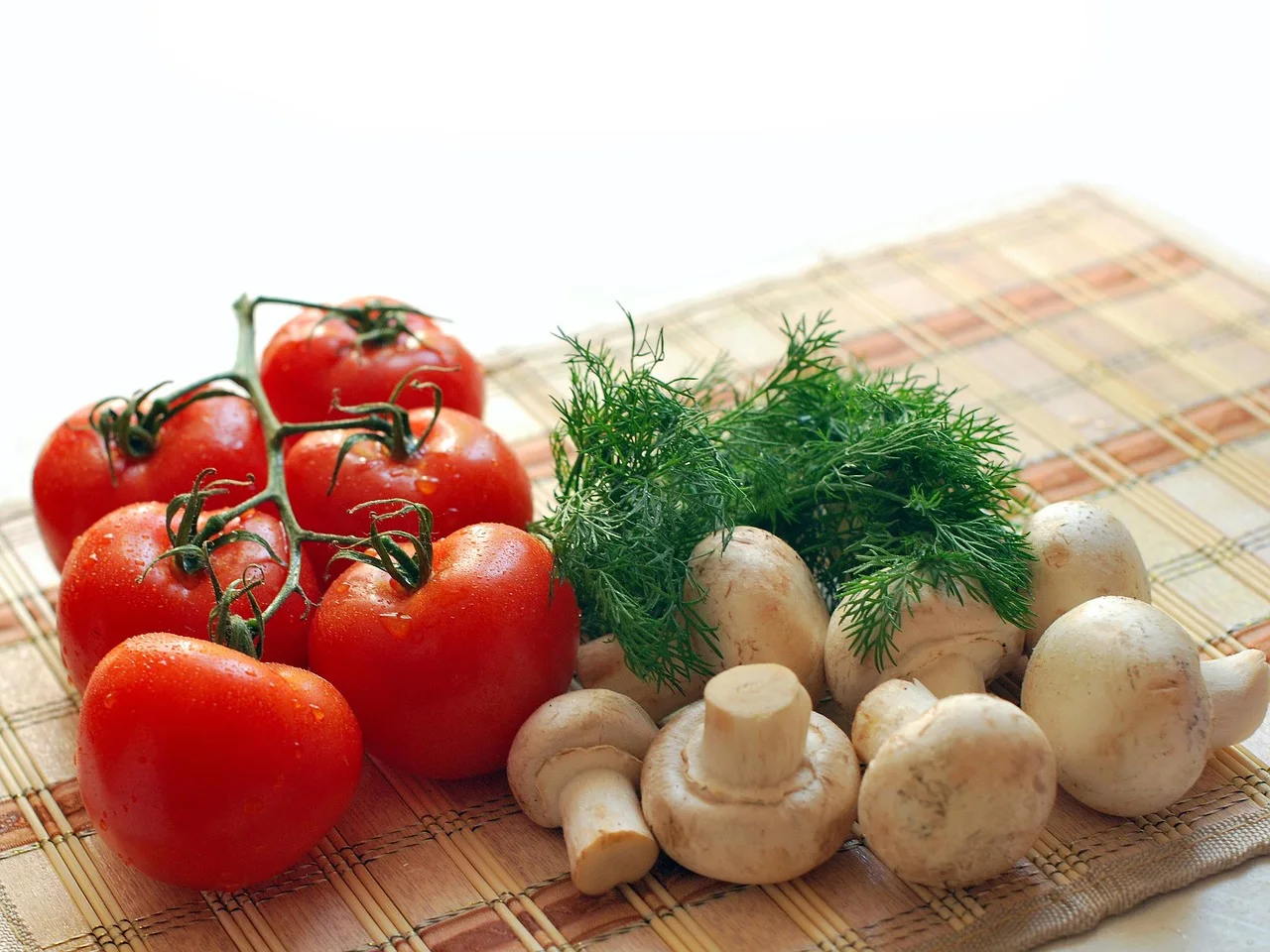
The idea of combining cream with mushrooms dates back centuries, rooted in French culinary traditions that used béchamel‑style sauces as a base for many dishes. In the United States, the concept entered the mainstream when a major food company began canning a ready‑made version in the early 1930s. By the 1940s, home cooks were already swapping the canned product into casseroles, hot‑dish recipes, and even church cookbooks, where it earned a nickname for its thickening power.
Beyond its comforting flavor, this soup serves as a neutral, mushroom‑infused “binder” for a wide range of dishes—think green bean casserole, tuna bake, or a savory pot pie. Its smooth texture and earthy aroma make it an easy way to add depth without overwhelming other ingredients. The soup’s versatility also means it can be adapted for vegetarian or vegan diets by swapping dairy for plant‑based cream.
Essential Ingredients and Tools
Ingredient
Typical Amount (for 4 servings)
Notes
Fresh mushrooms (e.g., button, cremini, or oyster)
12 oz, sliced
Cleaned and sliced; avoid wild‑picked varieties unless expertly identified.
Butter or plant‑based fat
3 Tbsp
Provides the roux foundation.
All‑purpose flour
3 Tbsp
Thickens the soup; gluten‑free alternatives work too.
Chicken or vegetable broth
2 cups
Use low‑sodium for better flavor control.
Heavy cream or coconut cream
1 cup
Adds richness; can be reduced for a lighter version.
Onion (finely chopped)
½ cup
Adds sweetness; sautéed with butter.
Garlic (minced)
2 cloves
Optional, for extra aroma.
Salt & pepper
to taste
Season at the end for balance.
Fresh thyme or parsley
1 tsp (optional)
For garnish and fresh herb notes.
Tools: A large saucepan, wooden spoon, chef’s knife, cutting board, and a ladle. A hand‑held immersion blender can be used for an ultra‑smooth finish, but it’s not required.
Step‑by‑Step Preparation
Prepare the mushrooms – Gently wipe caps with a damp cloth, slice, and set aside. Avoid soaking them, as excess water can dilute flavor.
Sauté aromatics – Melt butter over medium heat. Add the onion and cook until translucent, about 4 minutes. Stir in garlic (if using) and cook another minute.
Create the roux – Sprinkle flour over the softened onions, stirring constantly for 2‑3 minutes. This cooks out the raw flour taste and begins the thickening process.
Add liquid – Gradually whisk in the broth, ensuring a smooth mixture with no lumps. Bring to a gentle simmer; the soup will start to thicken.
Incorporate mushrooms – Add the sliced mushrooms, reduce heat, and let them simmer for 8‑10 minutes until tender and their juices have melded into the broth.
Finish with cream – Stir in the cream (or coconut cream) and heat just until the soup is hot, not boiling. Over‑boiling can cause the cream to separate.
Season and serve – Taste and adjust salt and pepper. Ladle into bowls, garnish with fresh herbs, and enjoy.
Pro tip: For a richer flavor, reserve a handful of sautéed mushrooms and sprinkle them on top just before serving.
Vegan version: Use olive oil or vegan butter for the roux and substitute coconut cream for dairy cream. Choose a vegetable broth with no animal additives.
Gluten‑free version: Replace all‑purpose flour with a 1‑to‑1 gluten‑free blend or use cornstarch slurry (1 Tbsp cornstarch mixed with 2 Tbsp cold water) added after the broth.
Low‑fat version: Skip the butter, use a small amount of olive oil, and finish the soup with low‑fat milk instead of cream. The texture will be lighter but still satisfying.
Storing, Freezing, and Re‑using
The soup keeps well in the refrigerator for up to 4 days. Cool it quickly, then store in an airtight container. For longer storage, freeze in portion‑sized bags for up to 3 months; thaw in the refrigerator and reheat gently, adding a splash of broth if the texture thickens too much.
Because the soup acts as a flavorful base, you can repurpose leftovers as a sauce for pasta, a gravy for roasted vegetables, or a liquid component in a savory bread pudding. Its adaptability makes it a staple for both everyday meals and special gatherings.
From Kitchen to Cosmos: A Fun Connection
While you’re savoring a warm bowl, imagine a future where astronauts grow mushrooms on a Martian habitat and turn them into creamy soups—providing both comfort and nutrition on the Red Planet.
Only eat mushrooms you bought from a trusted seller or grew yourself. Never eat a wild mushroom unless an expert has identified it. Cook mushrooms thoroughly and check ingredients for allergies.
This article was prepared with AI assistance from the sources listed above and approved by the Mushroom 2 Mars team before publication.