A daring journey to the moons of Mars
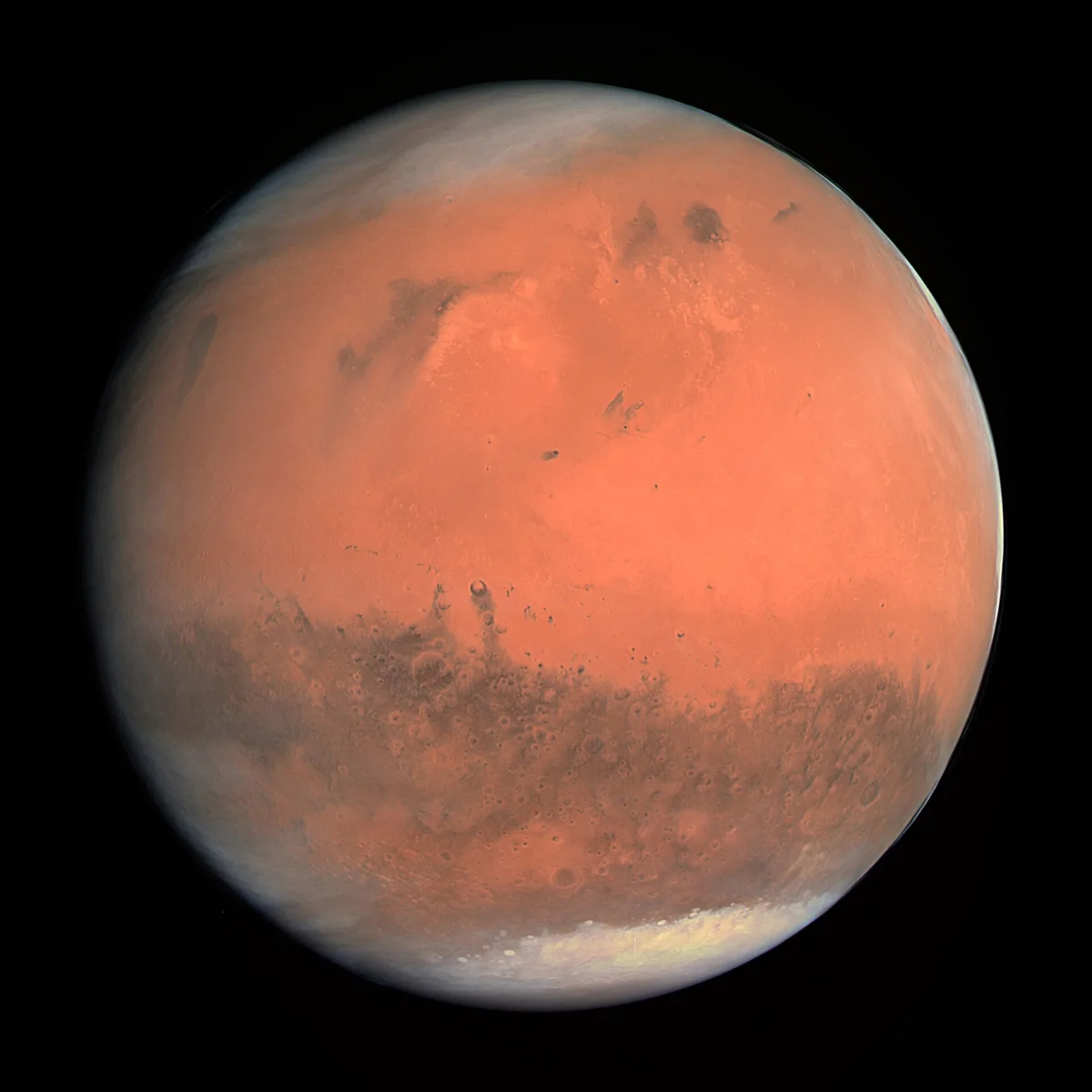
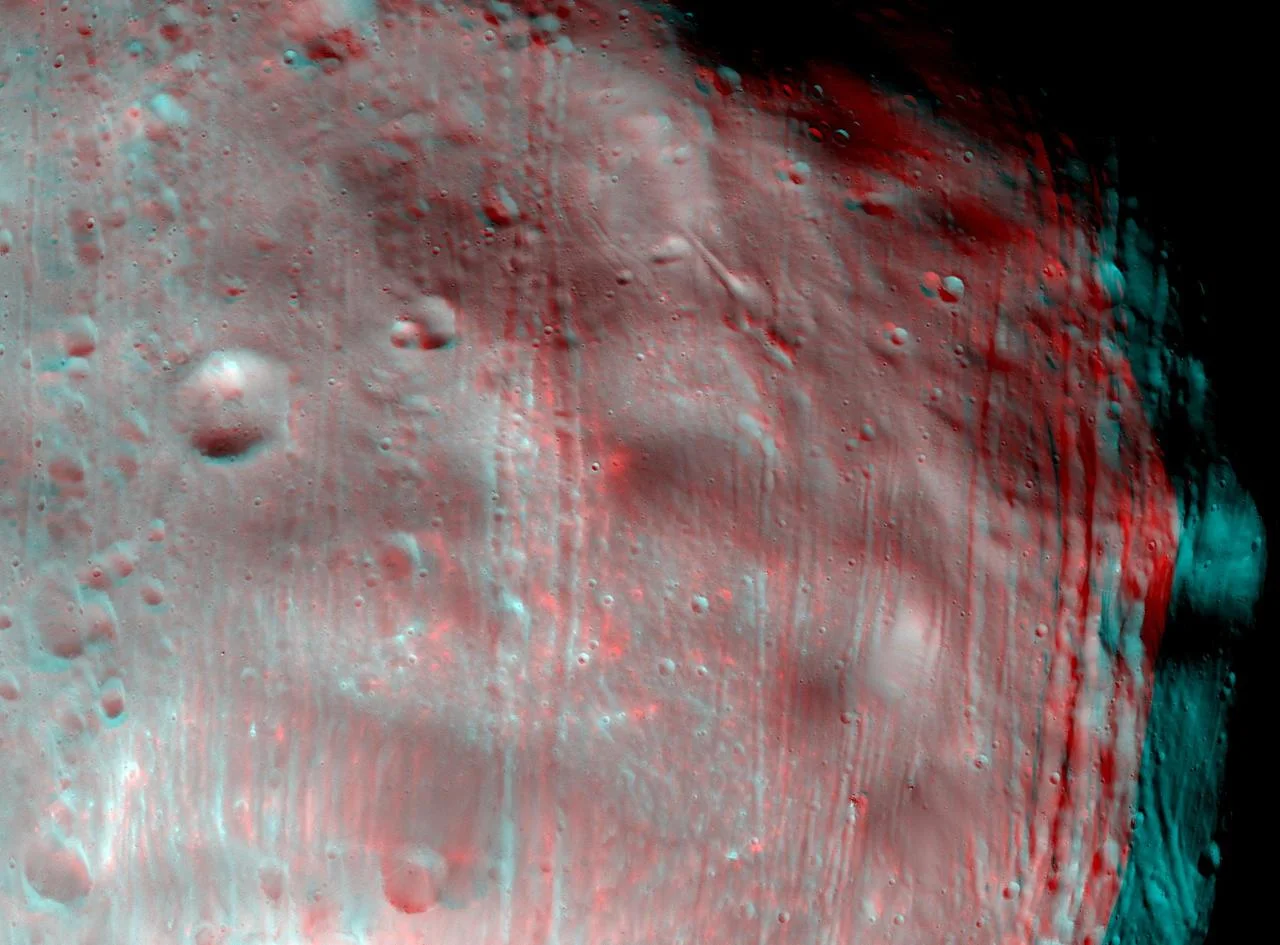
Japan’s Martian Moons eXploration (MMX) spacecraft lifted off on an H3 launch vehicle from Tanegashima on 19 October 2023. After a ten‑month cruise, it will enter Mars orbit in August 2027 and begin a three‑year campaign around the tiny moon Phobos. The ultimate goal: to bring back the first solid material from the Mars system and deliver it to a recovery site in Australia in 2031.
The three‑module architecture
MMX is built around three primary sections. The propulsion segment provides the initial thrust to set the spacecraft on its interplanetary trajectory. The central exploration module houses the bulk of the scientific payload and a miniature rover named IDEFIX. The return module contains the sealed capsule that will protect the collected material during the trip home. Japanese contractor Mitsubishi Electric produced the hardware, while European partners CNES and Germany’s DLR contributed the rover’s design.
Instruments that will paint a picture of Phobos
A suite of cameras and spectrometers will map Phobos in unprecedented detail. The TENGOO telescope‑style imager will capture high‑resolution nadir views, while the wide‑angle OROCHI system will record multispectral data across the surface. A laser altimeter (LIDAR) will chart topography, and a mass‑spectrometer will sniff out volatile compounds. Additional sensors include a Raman spectrometer (RAX) for mineral identification, a miniature radiometer (miniRAD) for temperature mapping, and the MEGANE gamma‑ray/neutron spectrometer built by NASA’s Johns Hopkins Applied Physics Laboratory. Together, these tools will help scientists decide where to land and what to sample.
The rover’s brief but critical descent
IDEFIX will be released from the main spacecraft in late 2028 or early 2029, hovering roughly 40 m above Phobos before free‑falling to the surface. Because Phobos’s gravity is only about one‑thousandth of Earth’s, the rover can afford a gentle bounce without damage. Once settled, it will roll a short distance, deploy its cameras, and relay data about surface texture, regolith cohesion, and local hazards. The rover’s observations will guide the subsequent sampling operations.
Dual‑method sample acquisition
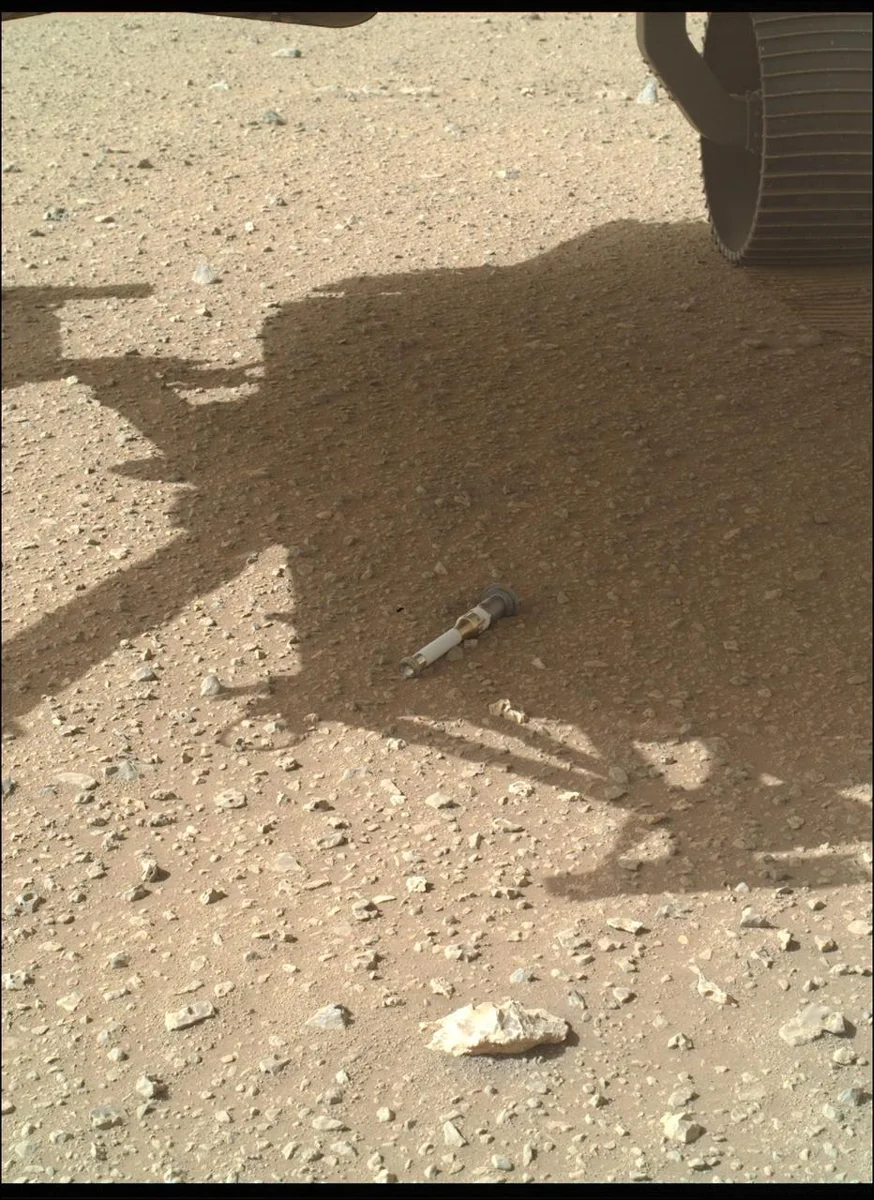
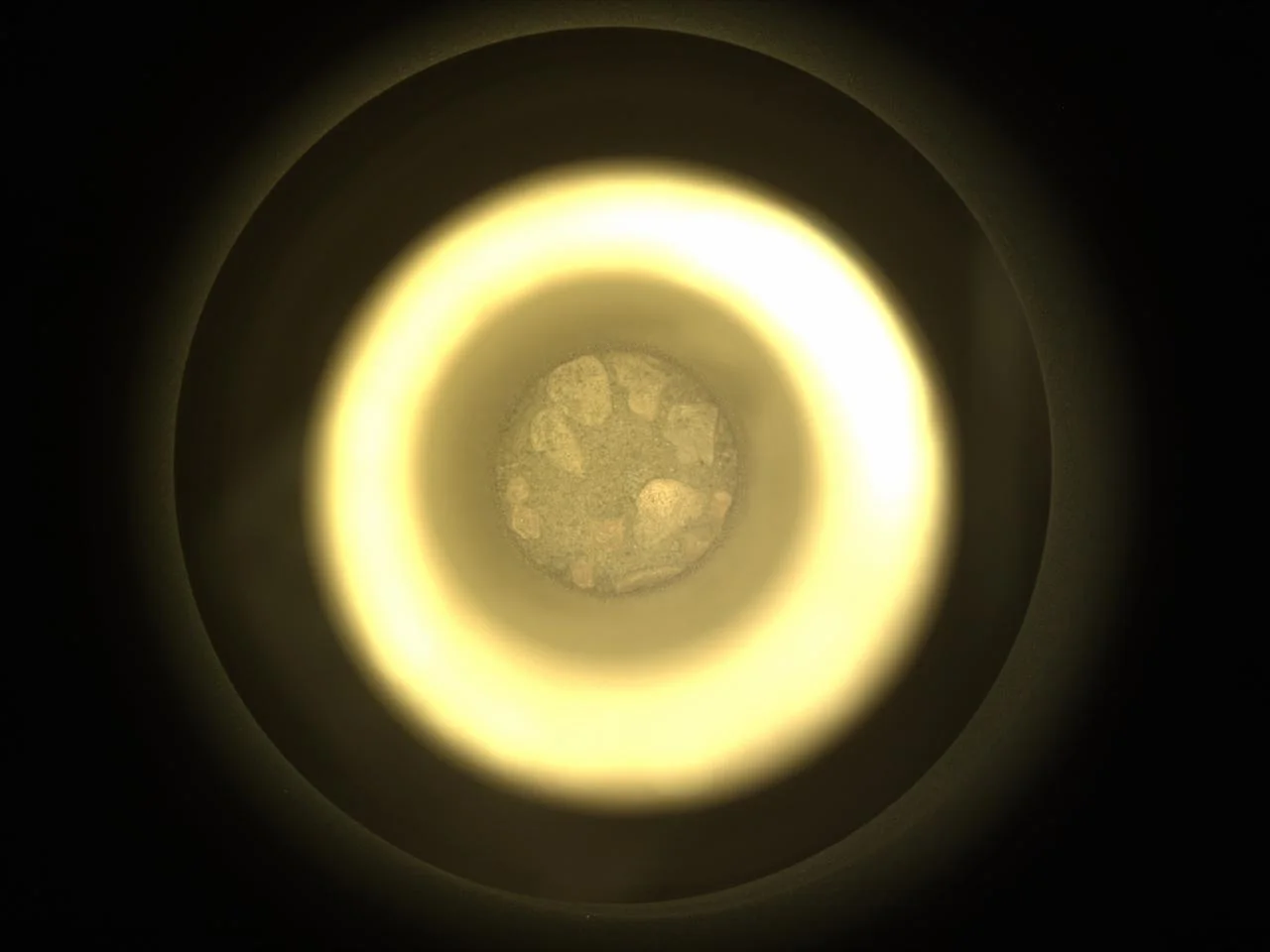
MMX carries two complementary collection devices. The corer mechanism drills into the regolith to retrieve a core sample, while the pneumatic sampler uses a burst of compressed gas to loft fine particles into a collection chamber. The mission plans to gather at least 10 g of material during each of two separate landings, providing a comparative set from distinct locations on Phobos. After each touchdown, the spacecraft will lift off, re‑enter a quasi‑satellite orbit, and prepare for the next sampling attempt.
From Phobos to Deimos and back to Earth
Following the Phobos campaign, MMX will shift to a higher resonant orbit around Mars in 2030, allowing it to perform a series of flybys of Deimos. These encounters will collect additional remote‑sensing data to test competing theories about whether the moons formed from a captured asteroid or from debris generated by a massive impact on Mars. In late 2030 the exploration module will separate, and the return module will fire its engine to escape Mars’ gravity. An eight‑month cruise will bring the capsule to the Australian outback, where a parachute‑aided landing in the Woomera region will deliver the samples to laboratories on Earth.
Why the samples matter for planetary science
Analyzing material from Phobos and Deimos could answer long‑standing questions about the origin of Mars’s moons. If the rocks share a composition with Martian crust, it would support the impact‑ejecta hypothesis. Conversely, a composition more akin to carbon‑rich asteroids would favor a capture scenario. The returned samples will also preserve any volatile compounds that have survived since the early solar system, offering clues about the conditions that existed billions of years ago. Such insights are essential for refining models of planetary formation and for planning future human missions to the Martian system.
A link back to mushroom cultivation on Mars
Just as MMX seeks to understand the building blocks of the Red Planet’s neighborhood, our own mushroom‑farming experiments aim to turn those building blocks into sustainable food for future explorers on Mars.
Sources
This article was prepared with AI assistance from the sources listed above and approved by the Mushroom 2 Mars team before publication.