From Concept to Stainless Steel
Ten years ago Elon Musk unveiled the Interplanetary Transport System (ITS) at the International Astronautical Congress in Mexico. The original design relied on carbon‑fiber construction, but engineers soon shifted to a stainless‑steel architecture that began test hops in Texas in 2019. Those early flights demonstrated high‑altitude climbs, soft landings and, occasionally, explosions – a learning curve that culminated in the successful SN15 landing in May 2021. That same year NASA chose Starship as the first crewed lander for its Artemis lunar program.
The Full Stack Takes Flight
The complete Starship system—Super Heavy booster plus the Ship upper stage—first launched in April 2023, though the mission ended minutes after liftoff. Subsequent flights reached space but lost the Ship on re‑entry. A key step came in 2024 when a test moved liquid oxygen between two tanks inside a single Ship, mimicking the propellant‑transfer operations required for lunar or Martian missions. Later that year, SpaceX performed a controlled splash‑down of both stages, and in October the launch tower’s mechanical arms captured a returning Super Heavy for the first time, demonstrating a reusable booster recovery.
Recent Test Cadence and Design Iterations
After a booster catch in January 2025, a string of Ship failures followed, including an upper‑stage explosion during ground testing in June. A clean flight in August 2025 broke the streak, and by October the company retired the older design. The newer V3 version flew its first mission in May 2026, another in July, and Flight 14 on September 28—coinciding with the vehicle’s 10‑year anniversary. Each iteration refines aerodynamics, thermal protection and engine performance, bringing the system incrementally closer to the capabilities needed for deep‑space travel.
What’s Still Missing for a Mars Launch?
According to aerospace professor Joseph Gonzalez, the biggest gap is large‑scale cryogenic propellant transfer in orbit. While Starship has moved liquid oxygen between tanks on a single vehicle, a Mars mission will require multiple tanker flights to fill a fuel depot that a Starship can dock with—a “gas station in space.” The cold temperatures and microgravity environment make such transfers technically demanding. No public schedule exists for a full‑scale demonstration, though flights 15 and 16 (tentatively slated for late 2025) could address the challenge.
Timelines and Launch Windows
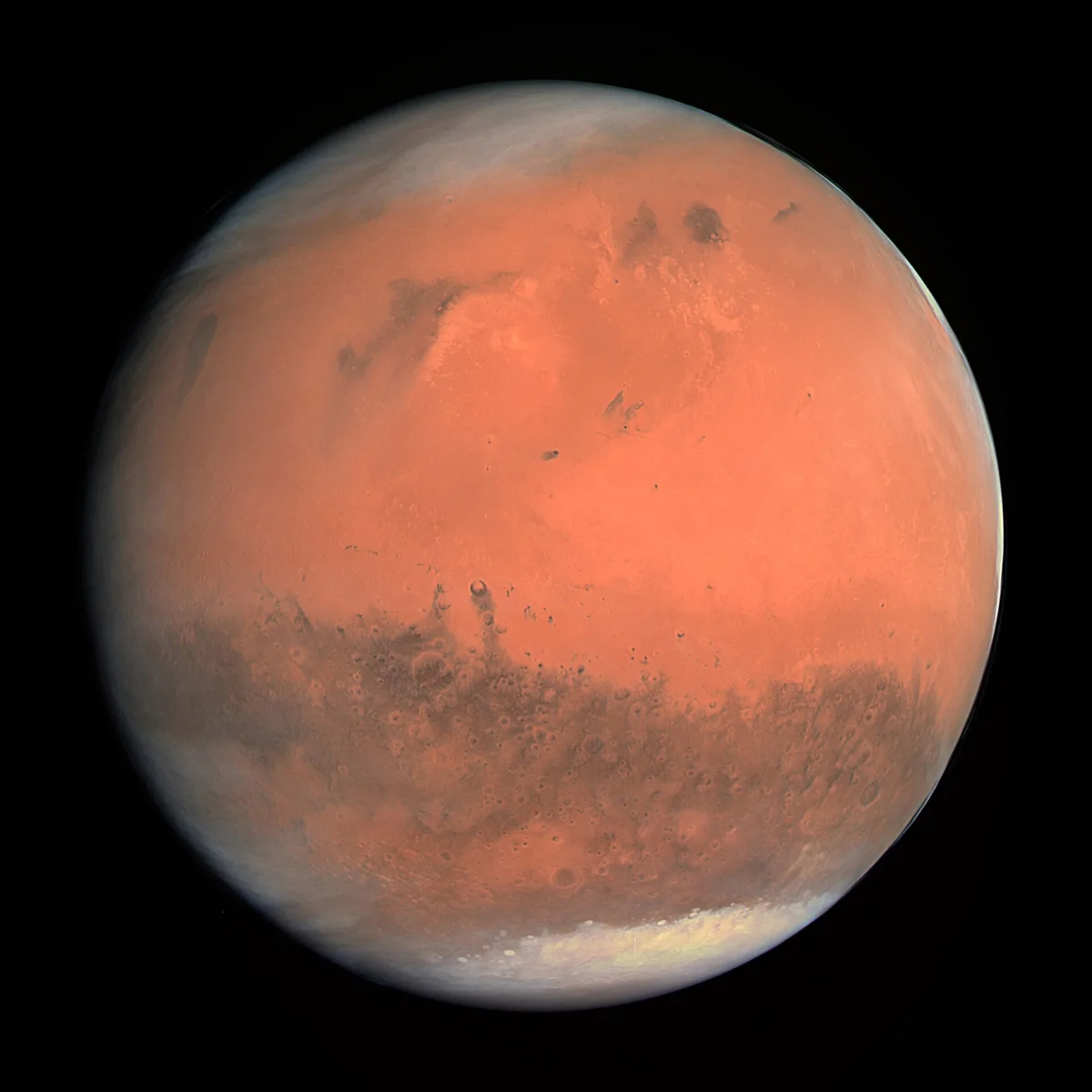
Musk once suggested a 50 % chance of a Mars flight in 2026, but the optimal Earth‑to‑Mars launch window opens only every 26 months, typically in late October. With propellant‑transfer work still pending, the next viable window begins in late 2028 and extends into early 2029. NASA also targets late 2028 for Artemis IV, which will use Starship to return humans to the Moon, adding another deadline that could accelerate readiness for the Red Planet.
Looking Ahead: From Moon to Mars
Both analysts and engineers agree that the Moon serves as a proving ground. Successful lunar operations will validate life‑support, landing, and refueling technologies before committing crews to the longer journey to Mars. While Starship’s primary commercial role today is launching the next‑generation Starlink V3 satellites—potentially 100 000 in total—the ultimate vision of a self‑sustaining Martian city remains a long‑term objective for SpaceX and its partners.
As Starship celebrates a decade of testing, each milestone brings humanity a step closer to planting the first mushroom farms on Martian soil.
Sources
This article was prepared with AI assistance from the sources listed above and approved by the Mushroom 2 Mars team before publication.