A Record‑Breaking Journey Across Jezero Crater
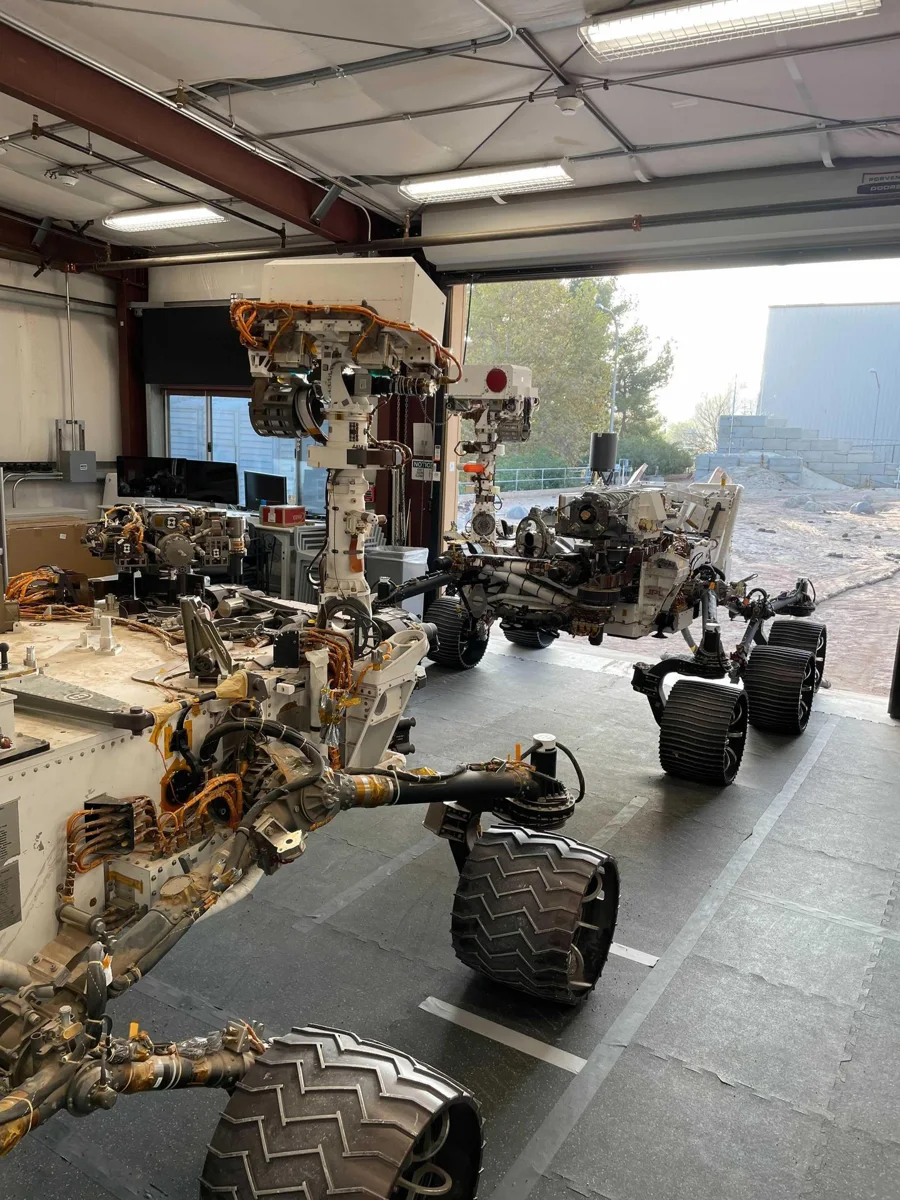
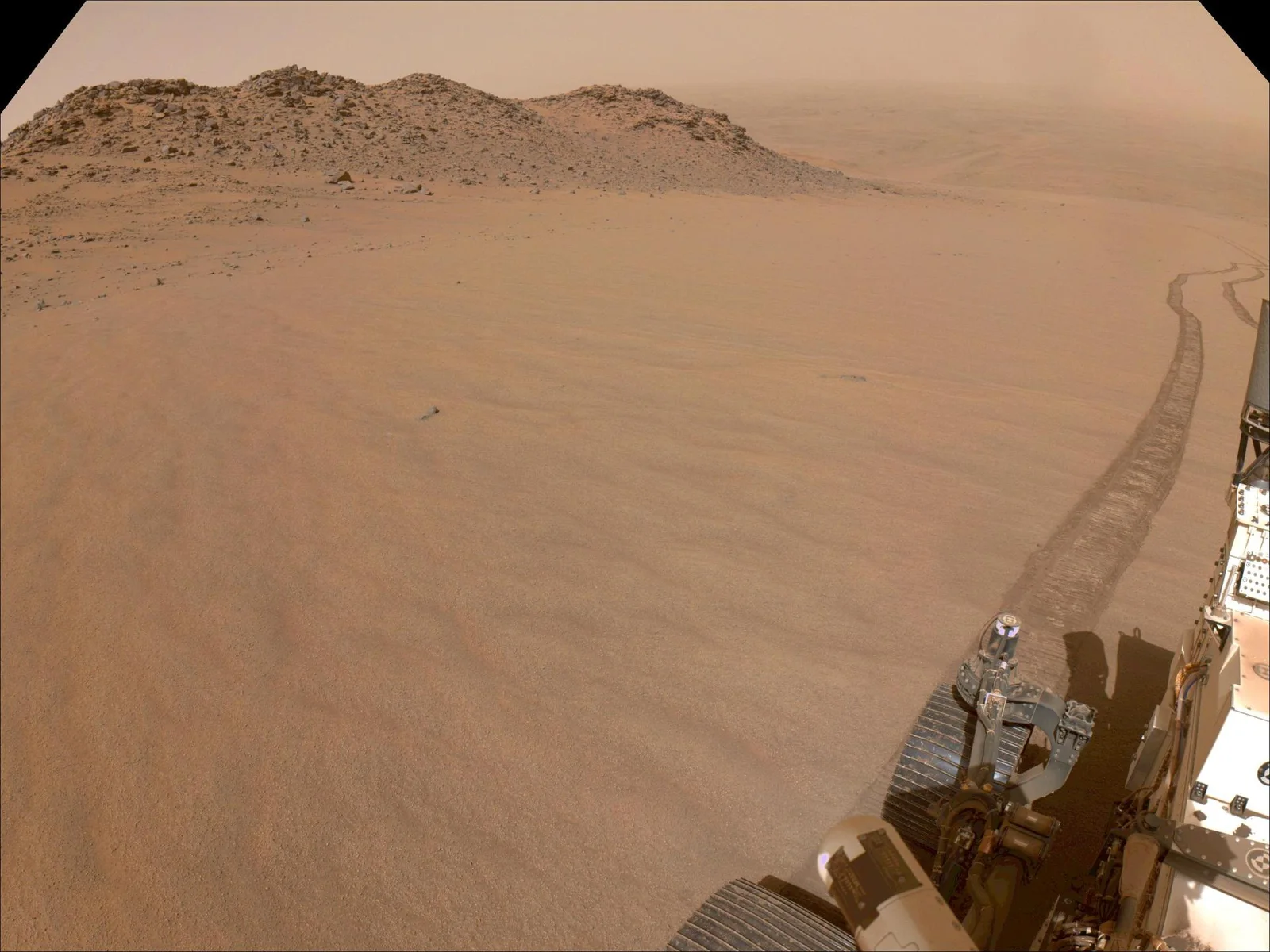
NASA’s Perseverance rover celebrated a new milestone on Oct. 11 2026, marking its 2,006th Martian sol on the Red Planet. The rover has now covered 45.22 km (28.10 mi) since touching down in Jezero Crater on Feb. 18 2021. That distance edges out NASA’s older Opportunity rover, which logged 45.16 km over nearly 15 years. Perseverance achieved this in just 5½ years, highlighting how modern power and navigation systems can accelerate exploration.
From a 12‑Mile Goal to Over 28 Miles
When the mission was approved, planners expected the rover to travel no more than 12.4 mi during its primary phase. As Steven Lee, project manager for Perseverance and Curiosity at JPL, noted, “We’ve blown well past that.” The rover’s extended mission, which began in October 2026, now targets the rim of Jezero Crater through the end of 2028, allowing scientists to keep pushing the distance record.
AutoNav: The Engine Behind the Mileage
Perseverance’s ability to cover large distances quickly hinges on its autonomous navigation system (AutoNav). Unlike earlier rovers that relied heavily on Earth‑based commands, AutoNav continuously captures images, builds 3‑D terrain maps, and plots safe routes on the fly. This capability lets the rover travel up to 412 m (1,351 ft) per Martian day when conditions permit.
Spirit and Opportunity first used a rudimentary version of AutoNav, accounting for only about 5 % of their total mileage. By contrast, roughly 90 % of Perseverance’s distance has been driven autonomously. Recent software updates are teaching the rover to “steer less and roll more,” improving efficiency and reducing reliance on orbital maps.
Overcoming Sun Glare – The Next Frontier
Even with sophisticated AutoNav, Perseverance faces a practical limitation: solar glare. Bright sunlight can wash out navigation camera images, forcing the team to park the rover during mid‑afternoon drives toward the Sun. Deputy team chief Mark Maimone explained that mitigating glare could extend daily travel windows, effectively giving future rovers longer working days.
Science Gains From Faster Travel
The primary value of covering more ground lies in science. Each new kilometer brings Perseverance closer to fresh geological targets, such as the Idubi outcrop, where ancient rocks may preserve clues about early Martian environments. The rover has already identified unexpected igneous rocks and fluorite deposits, suggesting past hydrothermal activity—an environment considered a “holy grail” for astrobiology because it supplies water, heat, and chemistry needed for life.
These discoveries complement Perseverance’s core mission of searching for biosignatures. By reaching diverse sites quickly, the rover can collect a broader suite of samples, increasing the odds that the upcoming Mars Sample Return effort will retrieve material that could answer the question of whether life ever existed on Mars.
The Legacy of Sample Caching
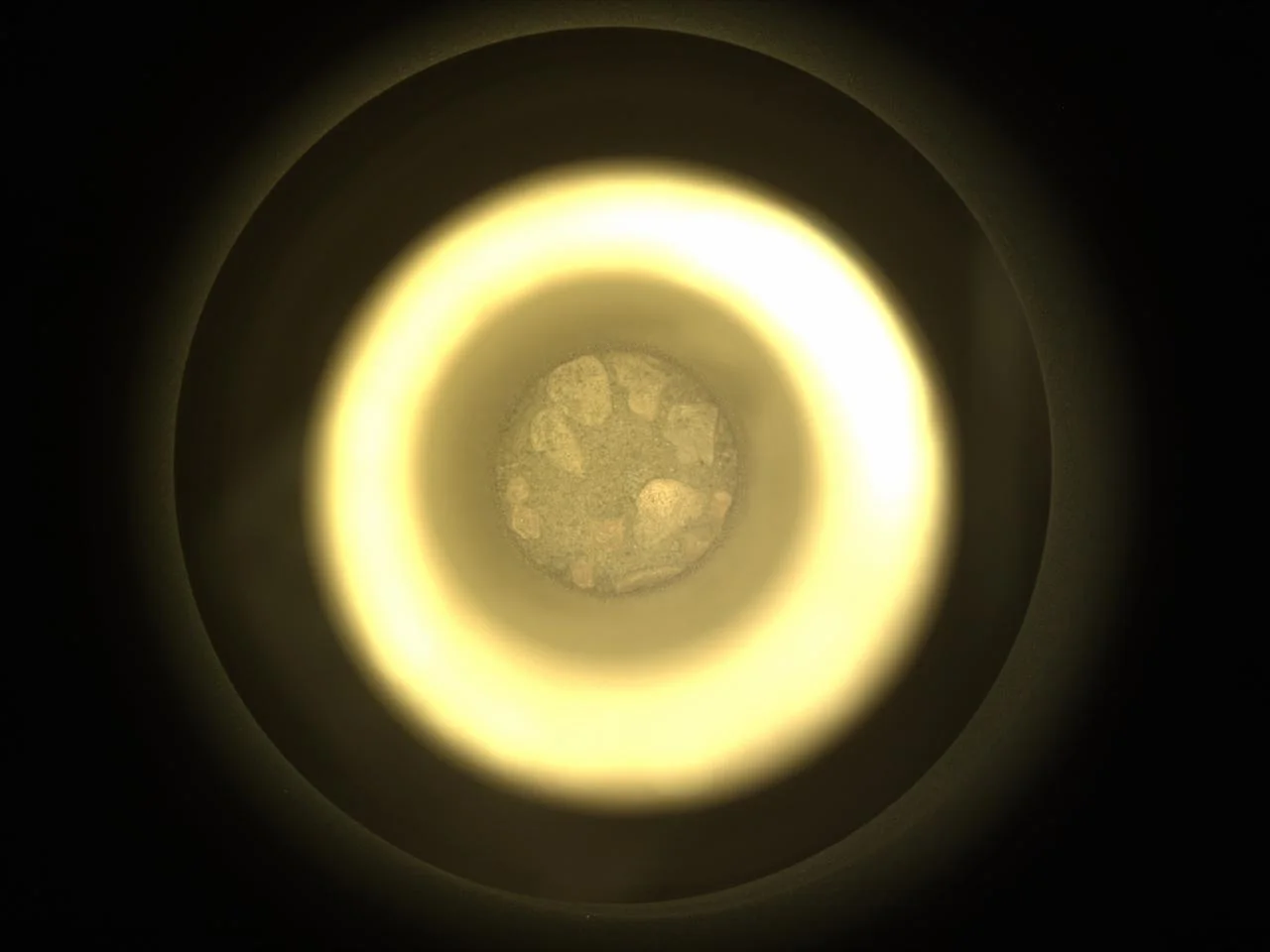
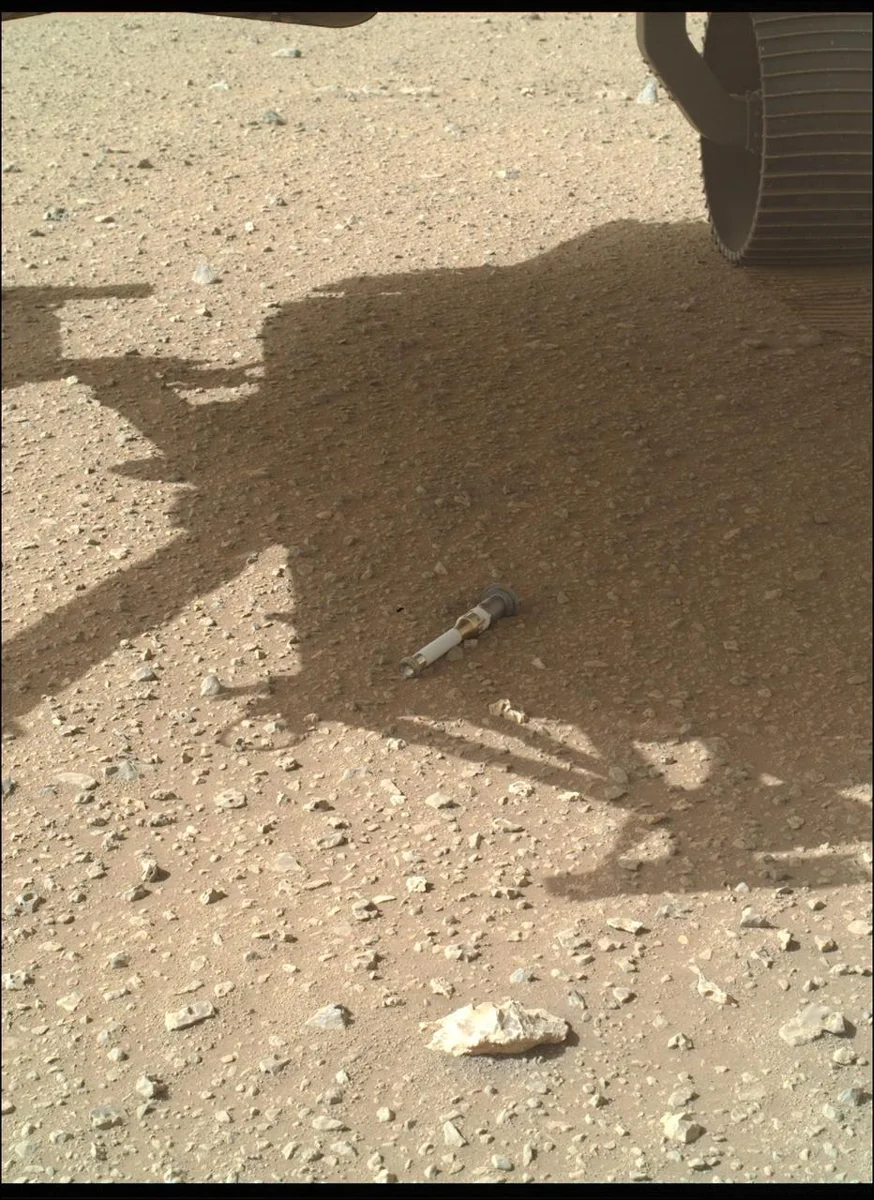
Along its trek, Perseverance has cached 29 rock and regolith samples in sealed tubes, intended for a future return to Earth. The sample‑return campaign is a collaborative venture between NASA and ESA, though a firm launch schedule has yet to be confirmed. Even without the samples in hand, the rover’s traverses provide a living map of where the most promising specimens lie.
As Perseverance keeps rolling across the ancient lakebed, each kilometer traveled brings humanity one step closer to bringing Martian mushrooms—and perhaps other life—back home to Earth and eventually to the red soils of Mars.
Sources
This article was prepared with AI assistance from the sources listed above and approved by the Mushroom 2 Mars team before publication.