Launch and Journey to the Red Planet
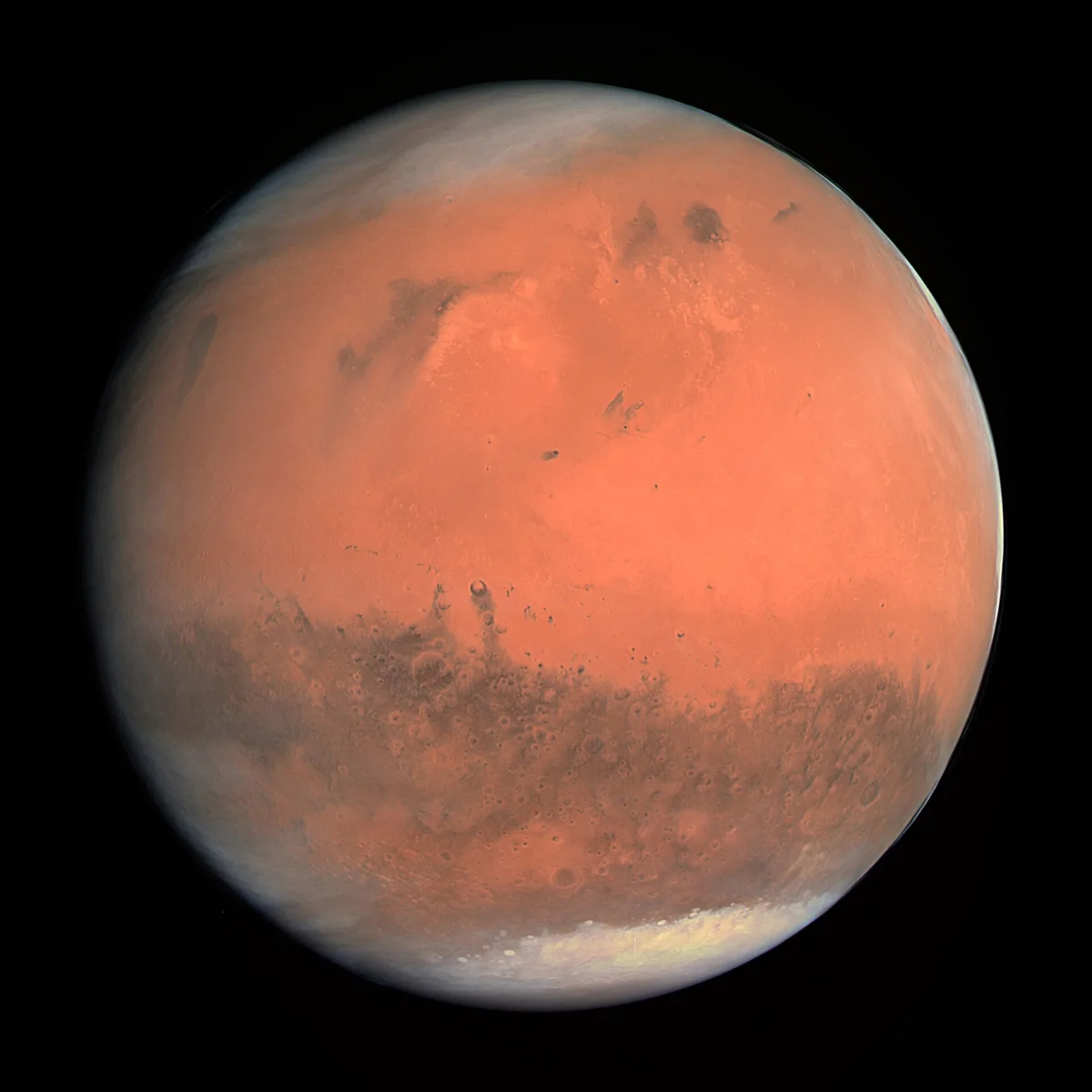
On October 20, 2026, JAXA lifted off the Martian Moons eXploration (MMX) spacecraft from Japan’s Tanegashima Space Center at 04:41:03 JST. The vehicle separated from its launch rocket just 17 minutes after liftoff and began a year‑long cruise toward Mars. According to the mission timeline, MMX will arrive in August 2027, enter orbit around the planet, and after roughly a month shift into a dedicated orbit around Phobos, the larger of Mars’s two moons.
The Dual‑Component Architecture: Orbiter and Idefix Lander
MMX consists of a main orbiter and a compact lander named Idefix, a collaborative effort with Germany’s DLR and France’s space agency. Idefix will be released from a height of 40‑100 meters above Phobos’s surface and will simply drop onto the moon’s weak gravity field. The design allows the lander to right itself automatically, then begin a suite of scientific measurements and scouting for a safe site where the orbiter can later collect regolith samples.
Sample‑Return Strategy and Timeline
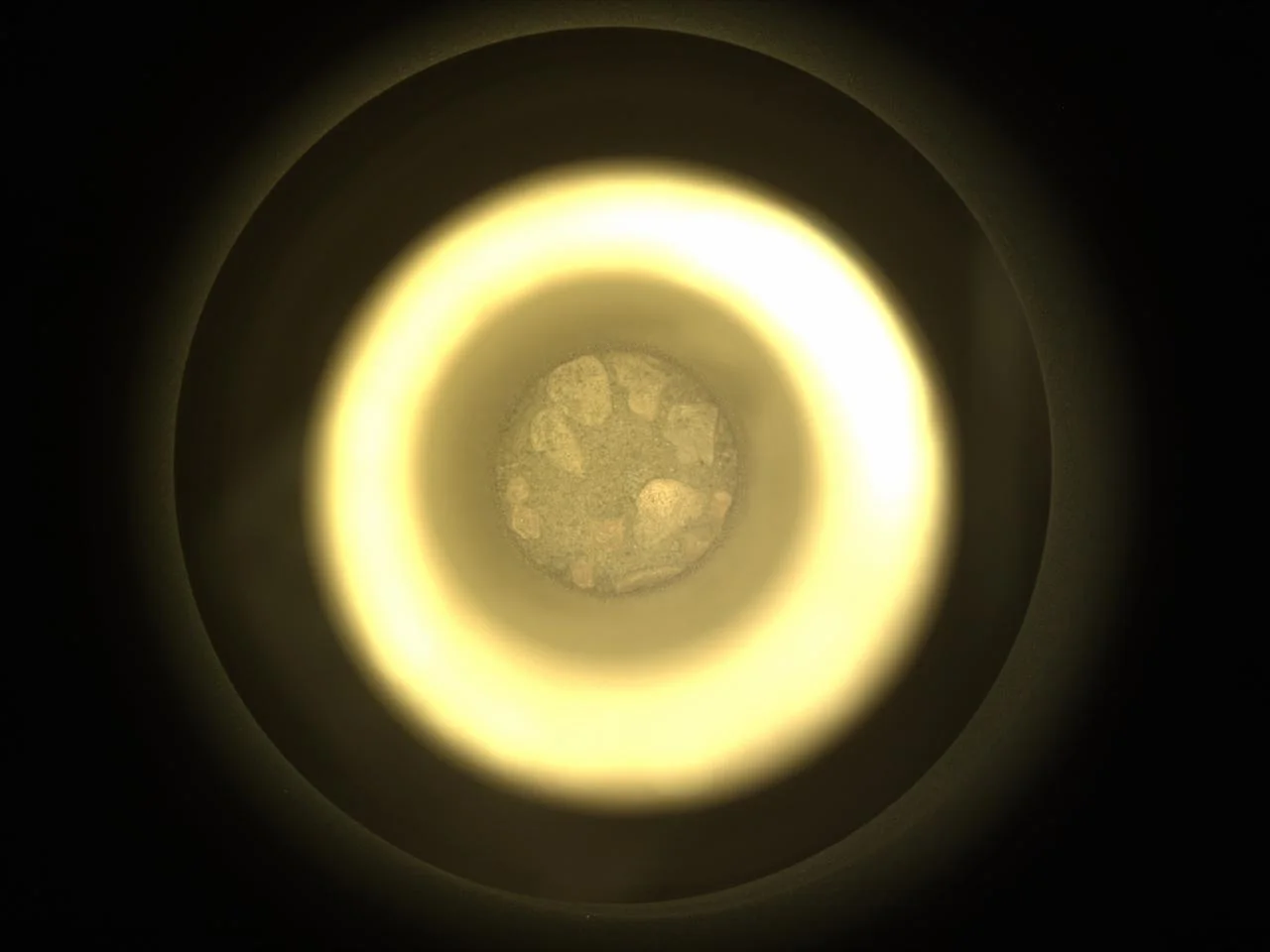
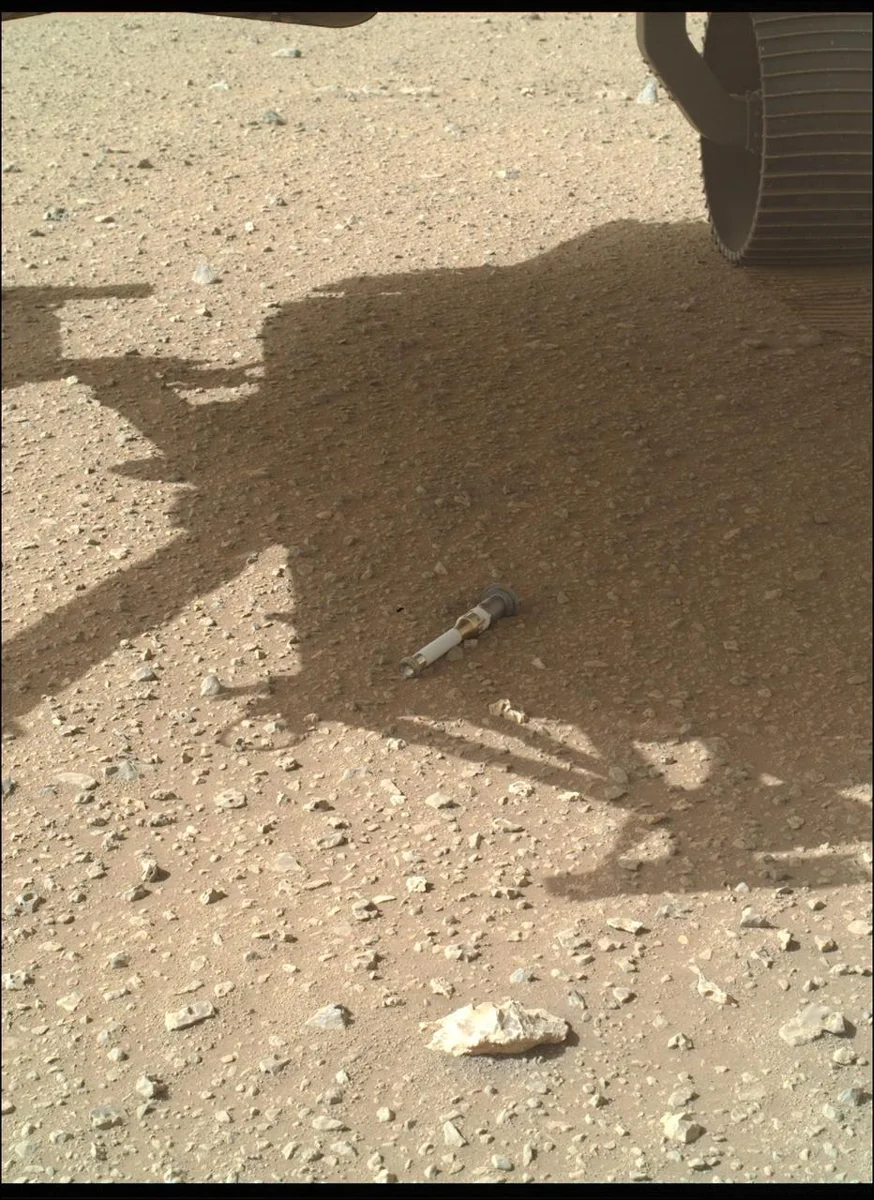
The mission plans to land on Phobos in 2030—potentially twice—to gather at least 10 grams of surface material. After collection, the samples will be sealed in a return capsule housed within MMX’s Return Module. The Exploration Module, which includes the lander’s legs and deployment hardware, will be discarded. The capsule will separate, re‑enter Earth’s atmosphere, and land in Australia’s Woomera Prohibited Area, where it will be retrieved. If all goes as scheduled, scientists can expect the first ever Mars‑system samples on Earth in 2031.
Why Phobos Samples Matter: Testing Moon‑Origin Theories
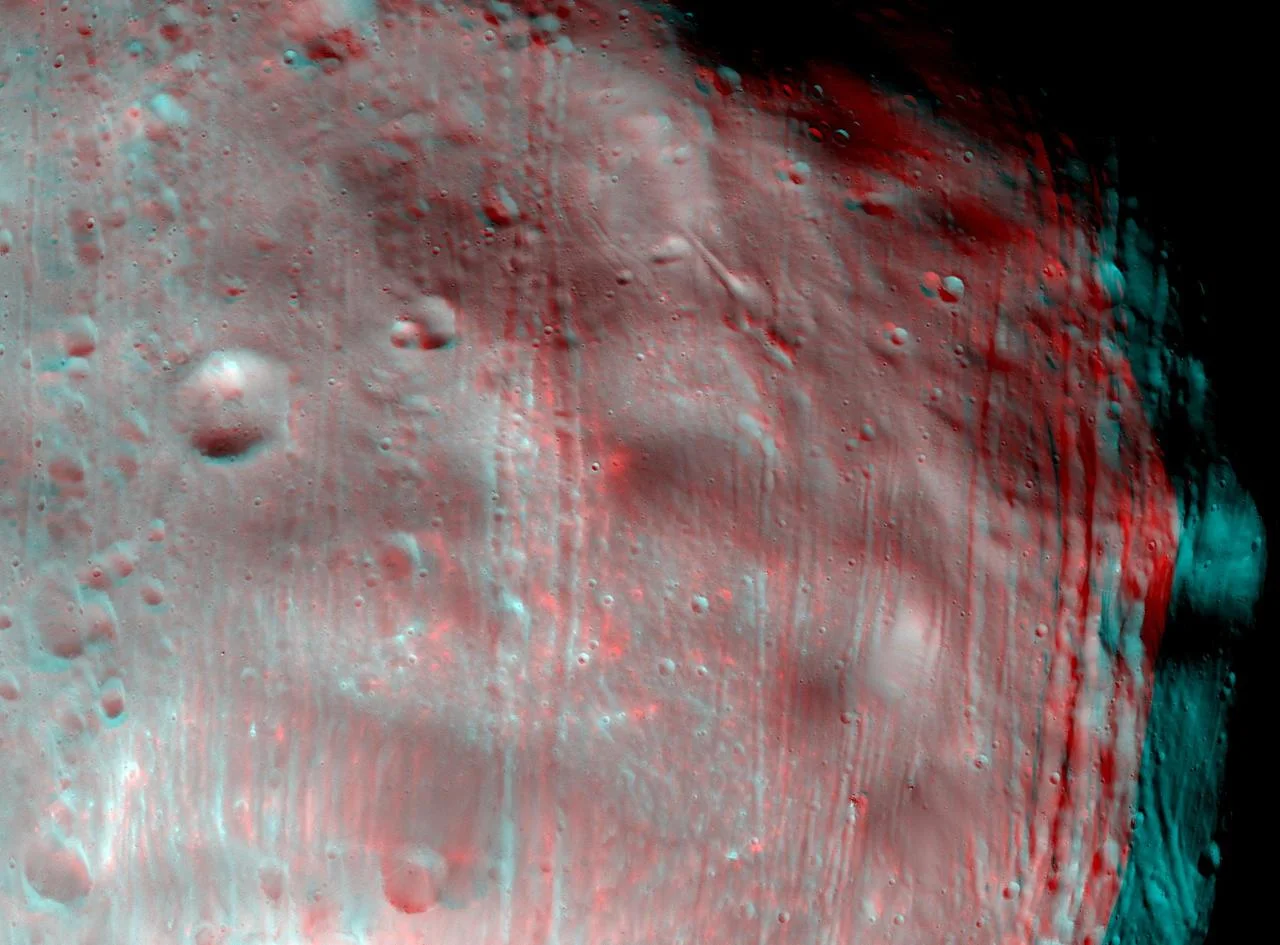
The origin of Phobos and its smaller sibling Deimos remains a hot topic in planetary science. Three leading hypotheses compete for support:
- Giant impact – A massive collision early in Solar System history could have ejected debris that coalesced into both moons. Near‑circular, near‑equatorial orbits lend this idea credibility, yet the odds of a single impact creating both moons are estimated at under 3 %.
- Capture of asteroids – The moons’ composition appears different from Mars, suggesting they might be captured bodies. However, capturing two separate asteroids into such similar equatorial orbits is statistically unlikely.
- Hybrid capture or debris‑disk formation – A single captured asteroid could have been torn apart by Mars’s gravity, forming a debris disk that spawned both moons. Some models also propose a massive, short‑lived inner moon that helped generate the current pair before spiraling back into Mars.
Analyzing the isotopic ratios and mineralogy of a modest 10‑gram Phobos sample could tip the balance. If the material matches Mars’s chemistry, the impact scenario gains support; if it resembles known asteroidal signatures, the capture hypothesis becomes more plausible.
JAXA’s Proven Track Record in Sample Return
Japan’s experience with sample‑return missions bolsters confidence in MMX. The Hayabusa probe retrieved dust from asteroid Itokawa in 2010, and Hayabusa‑2 returned material from asteroid Ryugu in 2020. Both missions demonstrated the feasibility of delicate collection, secure containment, and safe Earth re‑entry. This heritage suggests that MMX’s more ambitious goal—bringing back material from a Martian moon—has a solid technical foundation.
Looking Ahead: Potential Surprises and Broader Impacts
Every sample‑return mission has revealed unexpected findings, from pristine minerals to organic compounds. The Phobos material could contain clues about the early Solar System, the history of water in the inner planets, or even pre‑biotic chemistry. While the primary scientific aim is to resolve the moons’ origin, ancillary data may inform future human‑focused missions to Mars, including habitat design and in‑situ resource utilization. In the broader context of space exploration, MMX exemplifies international collaboration and the stepwise approach that could eventually support endeavors like Mushroom 2 Mars’s vision of cultivating fungi on the Red Planet.
Stay tuned for the 2031 sample arrival—our next big leap in understanding Mars’s mysterious companions.
Sources
This article was prepared with AI assistance from the sources listed above and approved by the Mushroom 2 Mars team before publication.