Record‑breaking mileage on the Red Planet
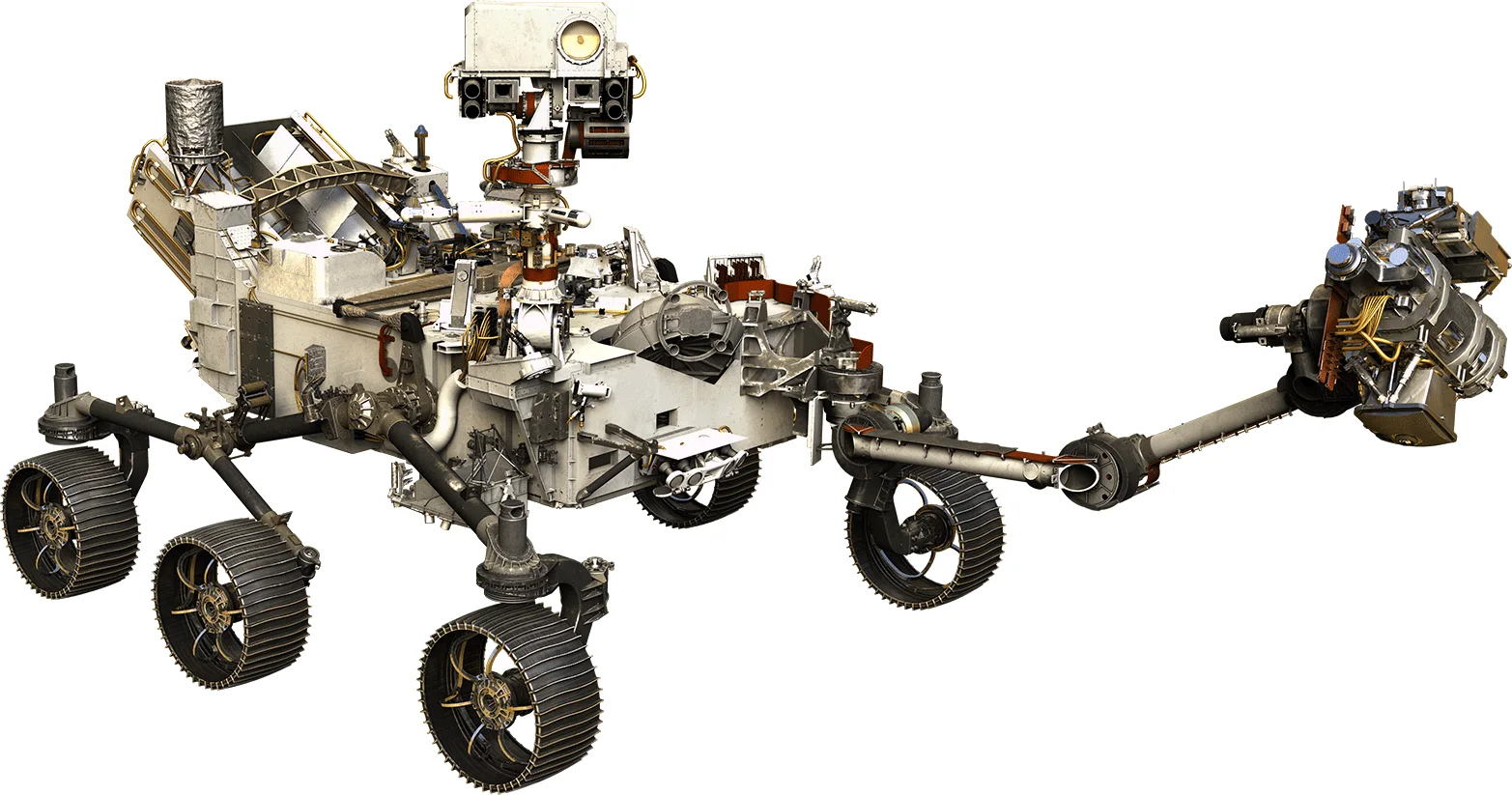
On October 11, NASA announced that the Perseverance rover logged 28.10 miles (45.22 km) on the surface of Mars. This tops the previous benchmark set by the Opportunity rover, which covered 28.06 miles (45.16 km) over a 14‑year span. Perseverance achieved the new distance in just 5.5 years since its February 2021 landing in Jezero Crater, highlighting the durability of modern rover engineering.
Design expectations vs. reality
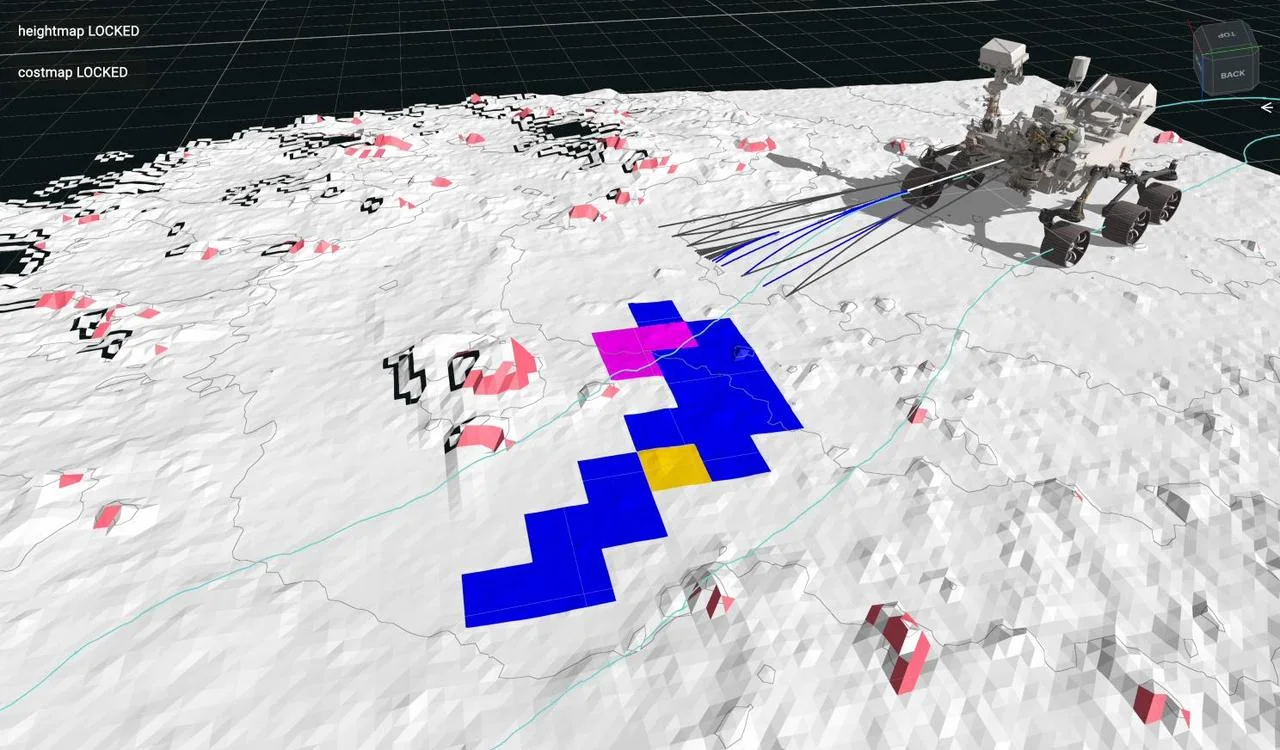
When engineers at the Jet Propulsion Laboratory (JPL) built Perseverance, the vehicle was slated for roughly 20 km of driving. Mark Maimone, a rover driver and autonomous navigation lead, explained that the team has already more than doubled that figure and is targeting up to 100 km of total travel. The rover’s robust wheels, upgraded autonomy software, and redundant systems have all contributed to extending its operational life far beyond the original plan.
The teamwork behind the endurance
Mission success isn’t just hardware; it’s the collaborative culture at JPL. Deputy project scientist Vivian Sun emphasized that the rover’s scientific instruments remain largely intact, thanks to coordinated decisions on driving speed, route planning, and science targeting. Both Sun and Maimone credit the “magic sauce” of cross‑disciplinary teamwork—engineers, drivers, and scientists constantly share data and insights to keep Perseverance moving safely.
What lies ahead on Jezero’s rim
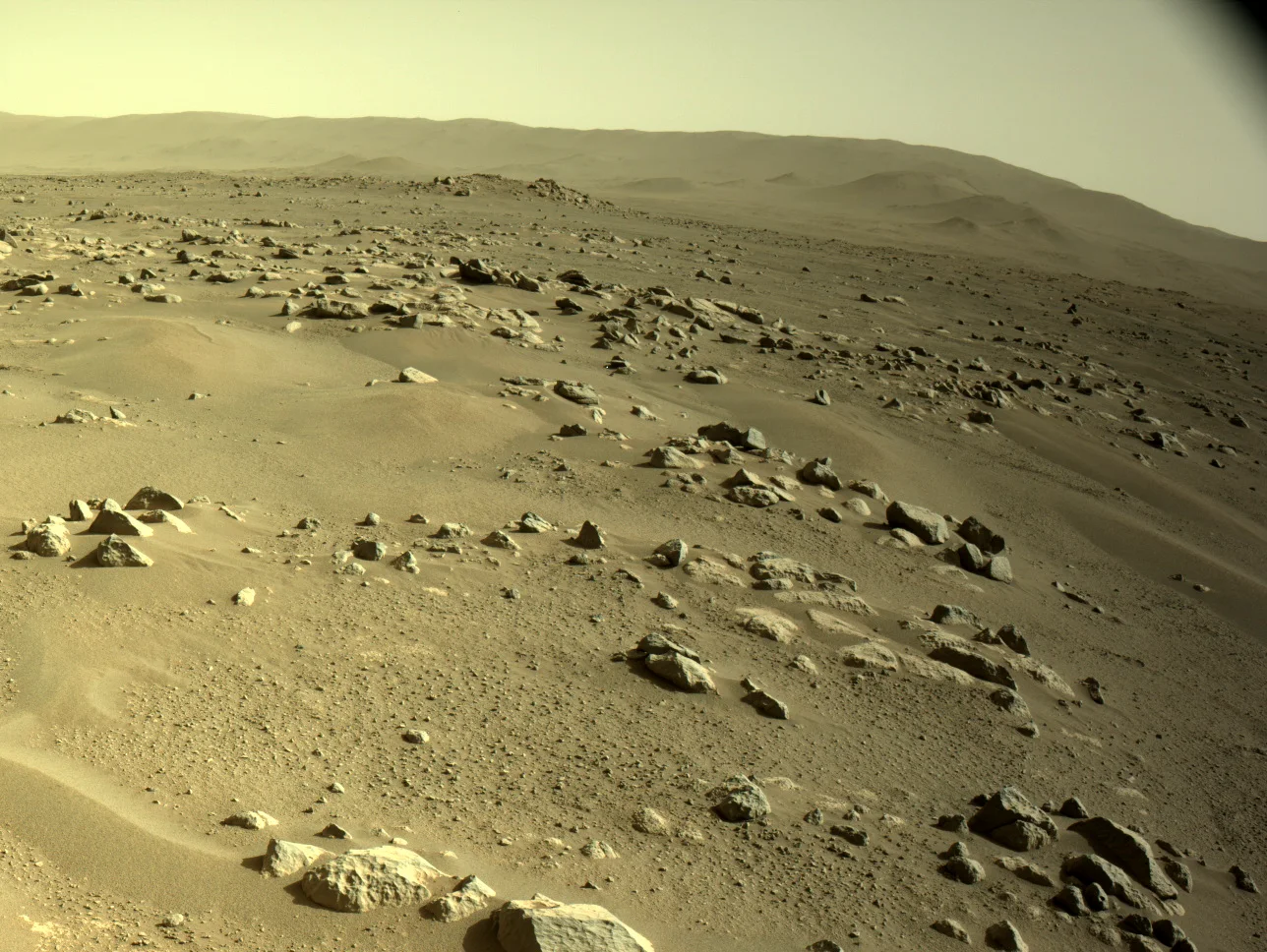
Perseverance is now heading south along the rim of Jezero Crater, a 28‑mile‑wide basin formed by an ancient impact. The crater once hosted a lake, and sedimentary layers preserve clues about Mars’ watery past. Scientists are especially interested in the Rainbow Falls region, where orbital data suggest the presence of kaolinite, a clay mineral that forms in the presence of water. By analyzing such minerals, the team hopes to refine models of early Martian climate and assess past habitability.
Continuing the legacy of Mars rovers
Perseverance builds on lessons from its predecessors—Sojourner, Spirit, Opportunity, and Curiosity. Each mission contributed to better wheel designs, autonomous navigation, and instrument suites. As Sun noted, “Five years later we’re definitely a very well‑oiled machine,” reflecting decades of incremental innovation. The rover’s ongoing health and the wealth of data it continues to collect underscore how each generation of explorers paves the way for the next.
Looking to the future of planetary exploration
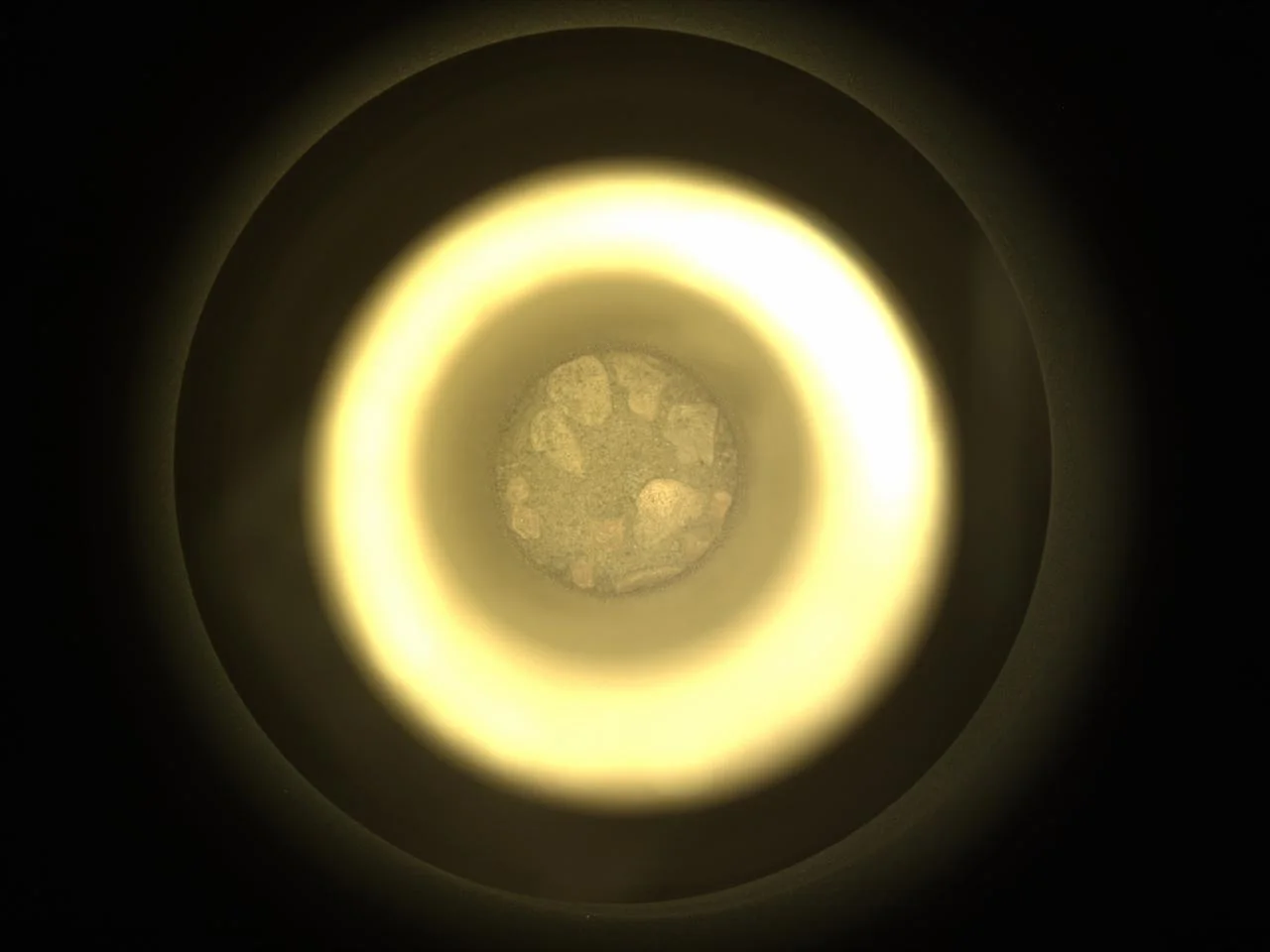
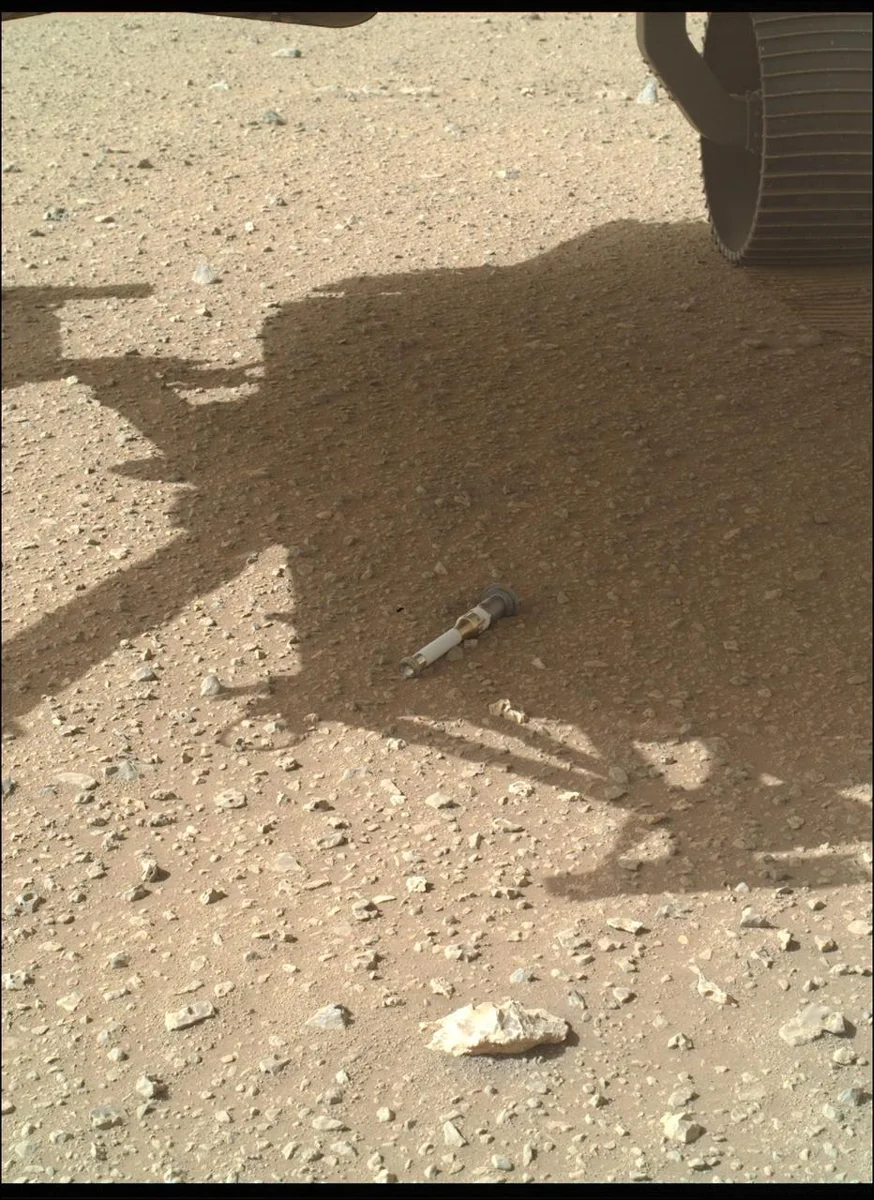
Beyond Jezero, Perseverance’s sample‑caching mission aims to return Martian rocks to Earth for detailed analysis. The rover’s extended driving capability increases the range of potential sample sites, enhancing the scientific return of the upcoming Mars Sample Return campaign. As engineers keep the rover’s systems healthy, the prospect of doubling the distance traveled remains realistic, promising new insights into the planet’s geological history.
And just as Perseverance pushes the limits of rover endurance, our Mushroom 2 Mars team is experimenting with fungal growth in simulated Martian conditions, dreaming of a future where mushrooms help sustain life on the Red Planet.
Sources
This article was prepared with AI assistance from the sources listed above and approved by the Mushroom 2 Mars team before publication.