Landing and the Journey to Jezero
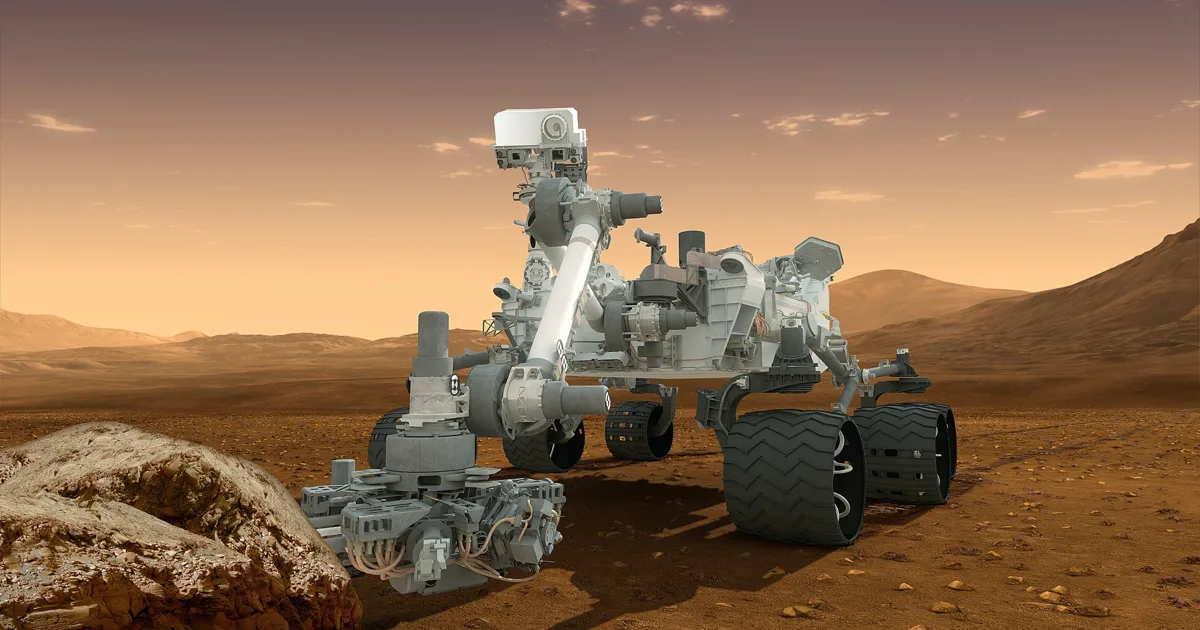
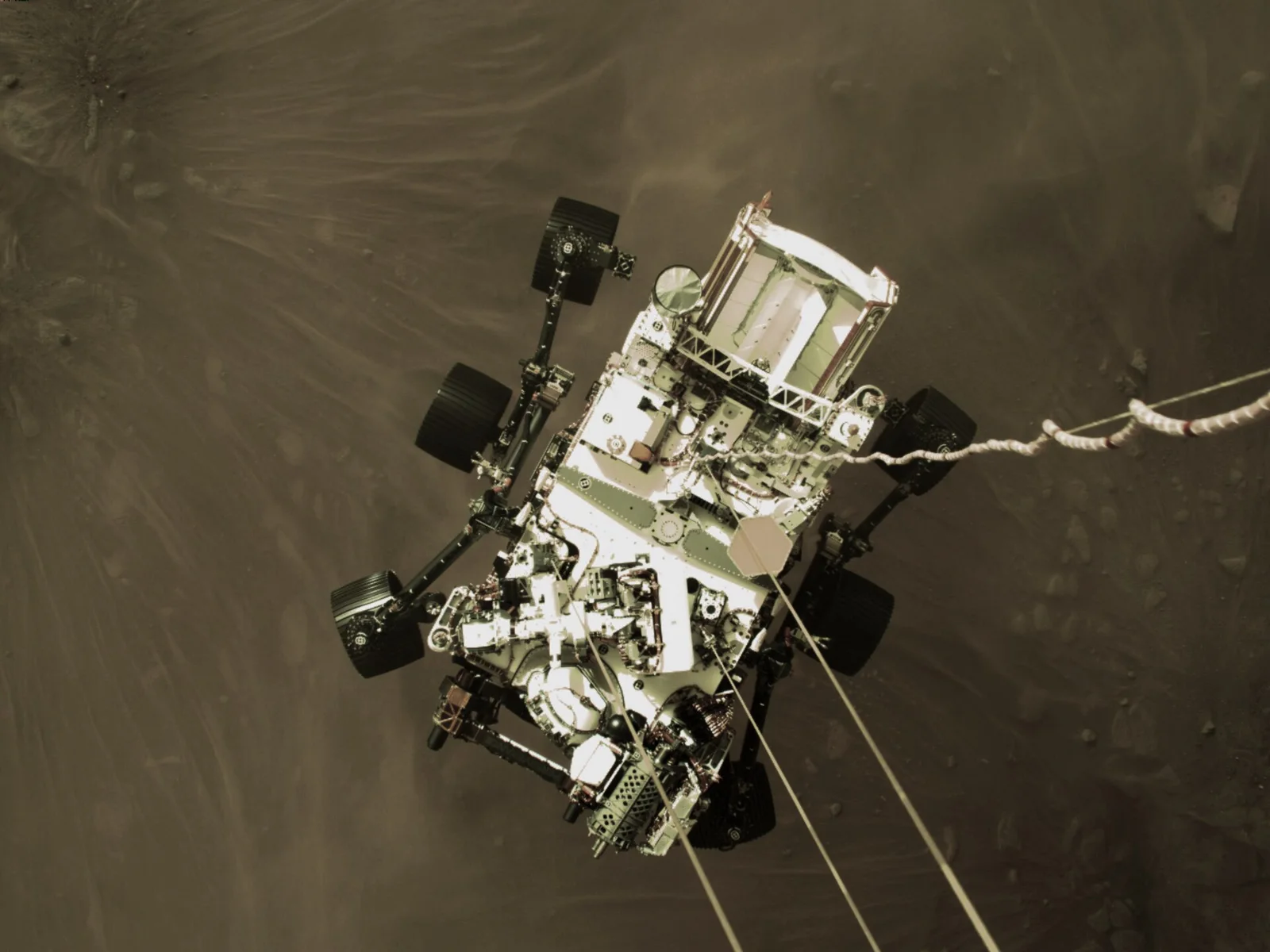
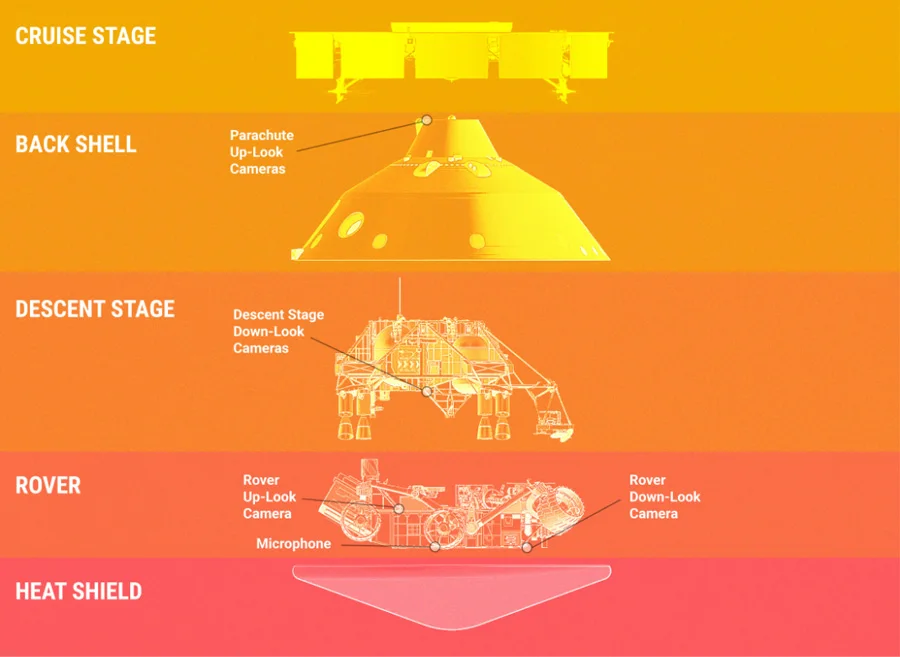
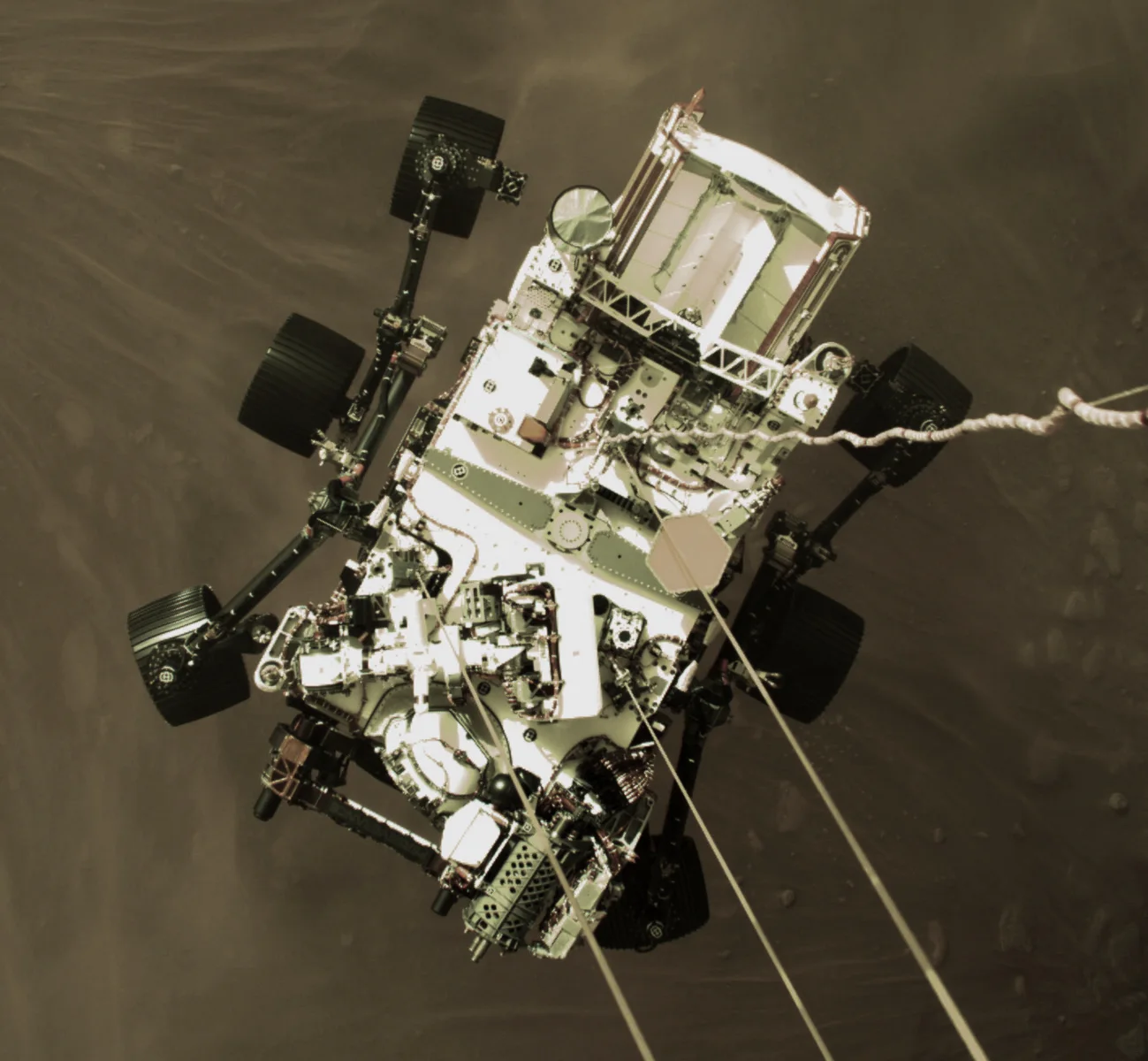
Perseverance touched down in Jezero Crater on 18 February 2021 after a 7‑month cruise from Cape Canaveral. The site was chosen because its ancient river delta could have trapped and preserved signs of past microbial life. The car‑sized rover, built by JPL and powered by a radioisotope thermoelectric generator, is designed to operate for more than a decade, and as of 21 October 2026 it has logged 2 016 sols (about 5 years, 245 days) on the Martian surface.
Core Science Objectives
Perseverance pursues four intertwined goals:
1. Habitability – Identify ancient environments that could have supported microbes.
2. Biosignatures – Look for chemical or mineral clues that might indicate past life.
3. Sample Caching – Drill, collect, and seal rock and regolith cores for a future return mission.
4. Human‑Step Technologies – Demonstrate in‑situ oxygen production from the CO₂‑rich Martian air.
These objectives stem from the 2011 Decadal Survey recommendation that a sample‑caching rover be the first step toward a Mars Sample Return campaign.
The Ingenuity Helicopter
A small, solar‑powered helicopter named Ingenuity rode to Mars attached to Perseverance. In April 2021 it performed the first powered flight on another world. Planned for five flights, Ingenuity exceeded expectations, completing dozens of sorties before its retirement in 2024. Its success proved that aerial scouting can complement rover traverses, a capability that future human habitats may rely on for rapid site assessment.

Science Campaigns and Notable Discoveries
Perseverance’s work is organized into seasonal campaigns that guide its driving routes and sampling priorities.
- Crater Floor – The rover drove south from the landing site, performed a “toe dip” into the Séítah unit, and collected its first core from the fractured rough terrain.
- Fan Front – Traverses toward the Three Forks exposed rock layers at the base of the ancient Neretva delta, revealing both sedimentary and igneous materials that interacted with water.
- Upper Fan & Margin Unit – Follow‑up drives explored higher‑elevation fan deposits and the rim’s exposed bedrock, offering clues about the crater‑forming impact 3.9 billion years ago.
- Northern Rim (ongoing in 2024) – Focuses on rocks uplifted from deep within Mars, testing how impact processes may have mixed interior materials with surface deposits.
Key findings up to 2025 include: - Volcanic History – Contrary to early expectations that Jezero’s rocks were purely sedimentary, Perseverance identified several igneous types that show water‑altered textures. - Ancient Lake Evidence – At the Wildcat Ridge fan deposit, mineral assemblages suggest a standing lake that persisted long enough to be habitable for microbes. - Possible Biosignature – The July 2024 discovery of the “Cheyava Falls” rock contains textures that scientists describe as “possible biosignature,” prompting targeted sampling for the future return mission.
Technology Tested for Human Exploration
Beyond science, Perseverance is a testbed for tools that could support astronauts. The rover’s MOXIE (Mars Oxygen ISRU Experiment) has repeatedly generated oxygen from atmospheric CO₂, confirming a pathway to produce breathable air and rocket propellant on Mars. Its robust power system, autonomous navigation, and dust‑tolerant hardware provide a blueprint for long‑duration crewed missions.
Looking Ahead: From Rocks to Red‑Planet Farming
The data and samples Perseverance gathers will eventually travel back to Earth, where laboratories can examine them for organic molecules, isotopic ratios, and micro‑structures that no rover camera can resolve. Those insights will shape the design of habitats, life‑support systems, and even the mushroom‑cultivation experiments envisioned by projects like Mushroom 2 Mars. Understanding the chemistry of Martian soils today helps us imagine how we might grow fungi under the thin CO₂ atmosphere of tomorrow’s colonies.
Perseverance continues to drive, drill, and discover, turning Jezero Crater into a laboratory that could one day host both humans and their mushroom farms.
Sources
This article was prepared with AI assistance from the sources listed above and approved by the Mushroom 2 Mars team before publication.